
Design Professions 2026: Who the Market Needs, How Much They Pay, and How to Get Started in 12 Months
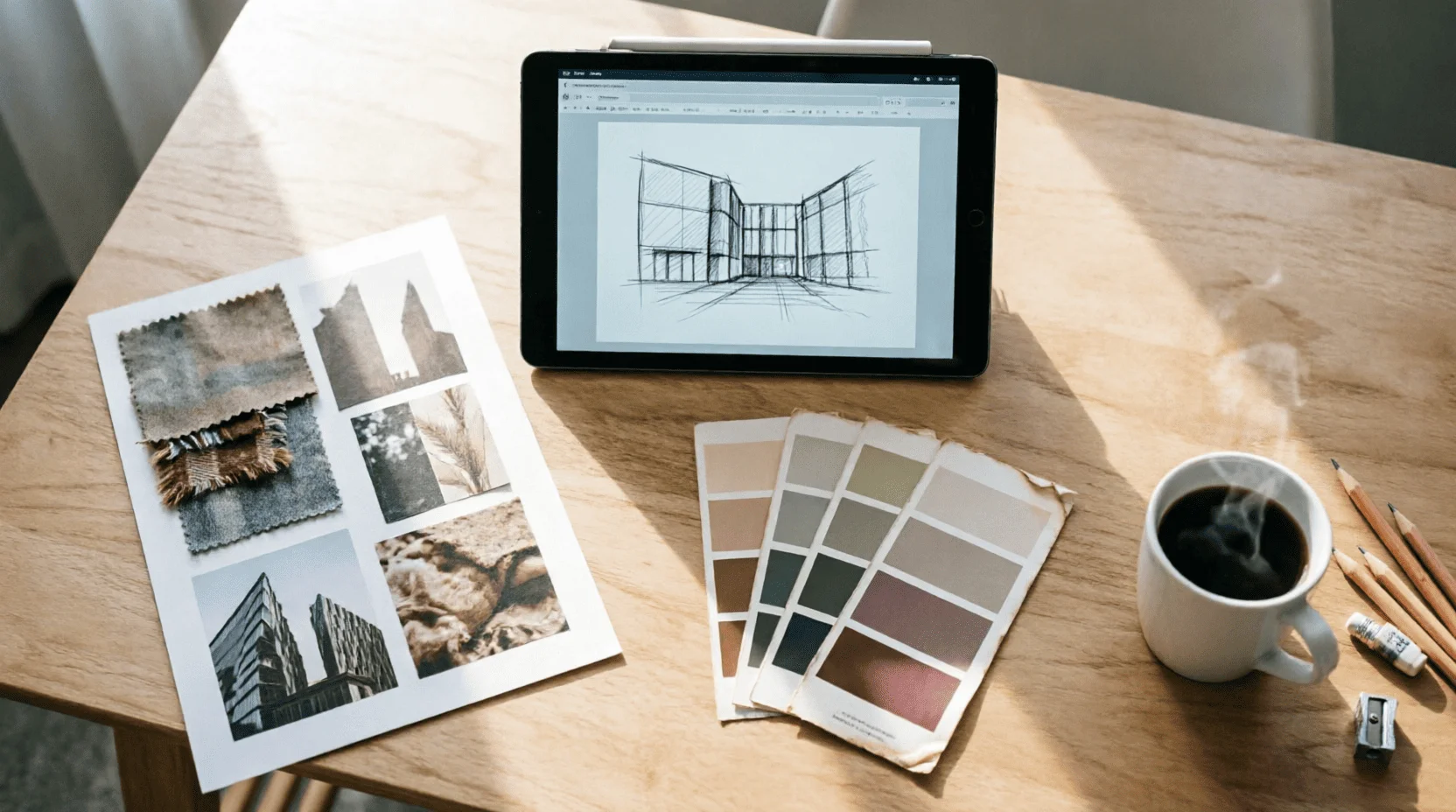
Design in 2026 isn't a "gift from God," but a set of skills with clear entry points: the market pays for visual solutions in every product, from an app to a tutu. At the same time, AI has reshaped the profession: some jobs have disappeared, others have become more expensive, and the map of specialties looks different than it did three years ago. The teamLemag.kzI laid out this map in detail – with income ranges in tenge, tools, and a roadmap from zero to first clients over 12 months.

1. Design Map 2026: Eight Directions
? Graphic design.Posters, social media, printing, illustration; the lowest entry barrier and the broadest market for small orders.
? UX/UI.Application and website interfaces: research, prototyping, design systems; high pay and in demand in IT and fintech companies.
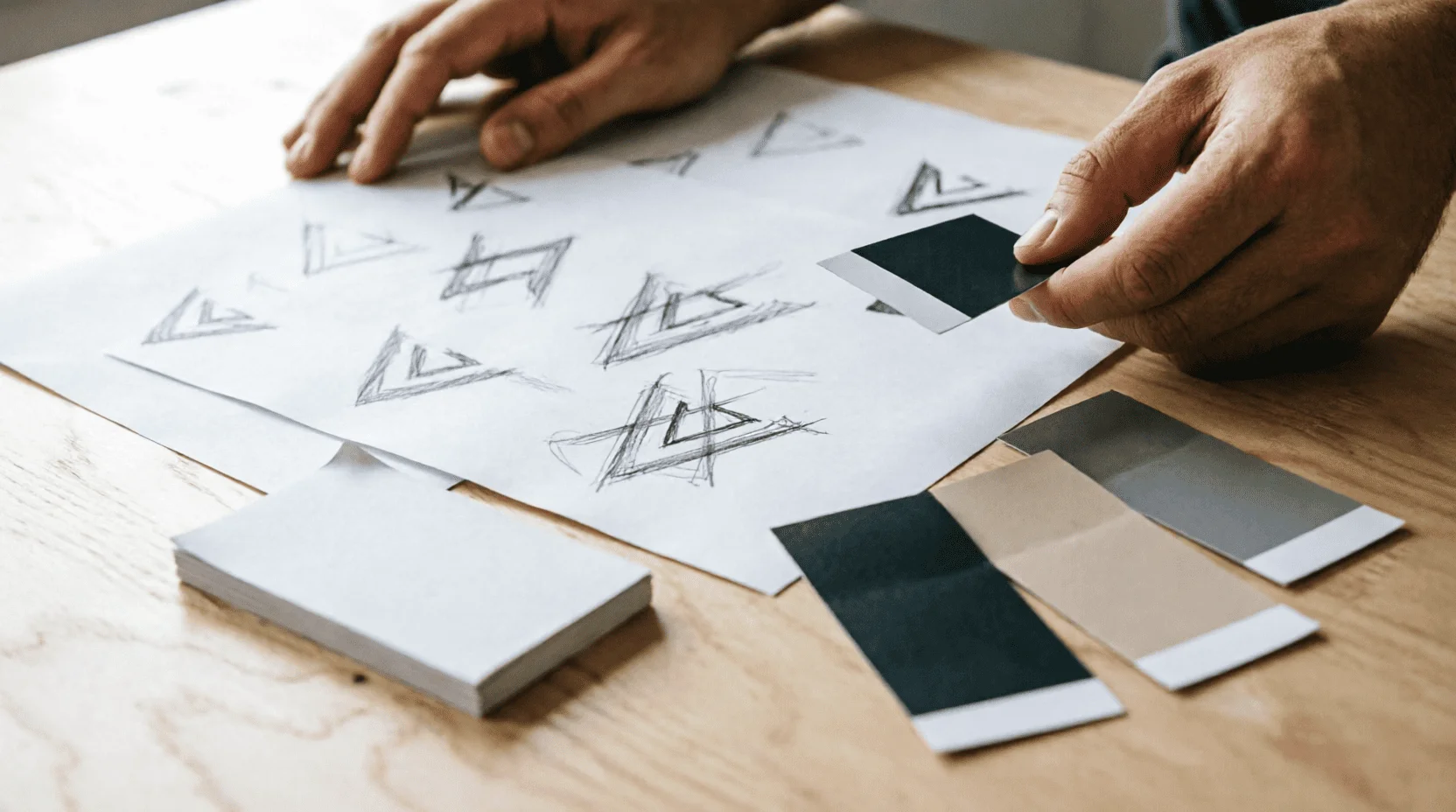
? Branding and identity.Logos, corporate identities, guidelines; one-off projects with high margins—we discussed brand systems in our article on visual language.
? Motion design.Animation, reels, intros, advertising; demand is growing along with video content.
? 3D.Product visualization, characters, AR assets for marketplaces and games; shortage of specialists = high stakes.
? Interior design.Residential and commercial spaces; seasonal peaks and working with local codes—we've compiled trends in our interior design guide.
? Industrial and packaging.Product form and store shelf; a niche but consistently profitable area.
? Service design.Designing the entire customer journey—from signage to receipt—is a rare and expensive skill at the intersection of business.
2. Who the market needs: demand and forks in tenge
? Consistently high demand:UX/UI in fintech and e-commerce, motion for advertising, 3D for marketplaces (cards with 3D views convert 20–30% better).
? Kazakhstan Forks 2026:
- Junior:180–300 thousand ₸ for rent;
- Middle:400–700 thousand ₸;
- Senior / Art Director:800 thousand – 1.5 million ₸;
- Freelance projects:logo 50–250 thousand, identity 300 thousand – 1.5 million, landing page 200–600 thousand, packaging 150–400 thousand.
? Remote work in foreign marketsMultiplies the problem by 2-4 times with English at the "discuss a problem" level; this is the reality of 2026 for strong middle+ students.
3. Tools by Area: What to Learn
? Graphics:Figma + Illustrator/Inkscape, basic typography and grids; AI-backed backgrounds and variations.
? UX/UI:Figma (autolayouts, components, prototypes), UX research, usability testing; portfolio of 3 case studies "problem → process → metrics".
? Branding:Strategy, lettering, guidelines; observation and work with cultural codes—the neo-nomad aesthetics from our article are in demand by brands.
? Motion:After Effects / Rive; storytelling and rhythm; AI clip generation speeds up pre-production.
? 3D:Blender (free and powerful), Substance; for heavy-duty scenes, see our breakdown of AI computer hardware – rendering and neural networks love VRAM.
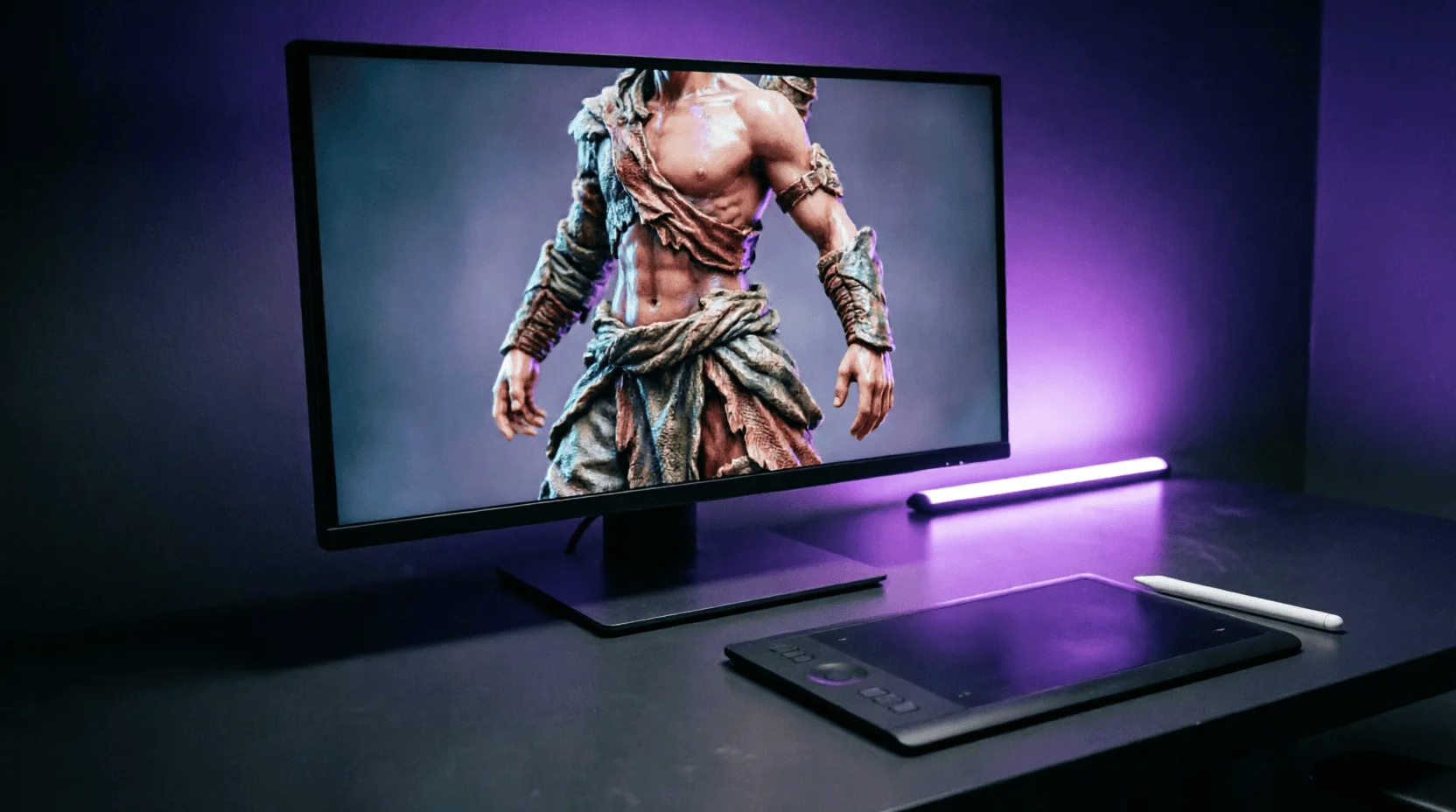
4. AI and the designer: what it takes away, what it gives
? Takes:resizes and adaptations, rough backgrounds and concepts, routine retouching, "a hundred banner options."
? Gives:Speeding up mood boards, generating options for the client, prototyping ideas in minutes, leveling the playing field for the newbie versus the studio.
? New human value:meanings (why the brand needs it), taste (what to keep from what was generated), research (what pains the audience), and defending the solution to the client.
Rule 2026:A designer with an AI pipeline does the work of three designers in 2023; the market pays for solutions, not hours.
5. How to choose a direction: three tests
? Boredom test.Imagine 8 hours of task assignment; the description itself is boring – it's not your thing, no matter how lucrative it is.
? Folder test.A week of free practice with each of the 2-3 candidates: those who have a hand in their "drafts" folder that is itching to continue - go there.
? Market test.Superimpose inclinations on demand: love of letters + identity market = branding; love of people + logic = UX.
6. 12-Month Roadmap: Zero → First Clients
? Four quarters of entry into the profession
- Months 1–3 are the base.Composition, color, typography, grids; observational skills: 10 reviews of other people's work per week; first training layouts.
- Months 4–6 – instrument.Figma/Blender/AE in the direction; 20+ learning tasks; joining 2-3 design communities.
- Months 7–9 — portfolio.3–5 case studies with the process; 1–2 real orders for friends and NGOs (experience and reviews are more important than money).
- Months 10–12 — market.Profiles on exchanges and social media, initial paid projects, in-studio interviews; goal: 2–3 regular clients.
Load standard:10–15 hours of practice per week; less and the time period will drag on, more and you'll burn out right from the start.
7. Portfolio that hires
? Case structure:task → constraint → process (sketches, discarded options) → solution → result (metric or feedback).
? 3–5 works, not 30.Weak works drag you down; three strong cases are better than an album of "a little bit of everything."
? Reality.The case study "created an identity for a friend's cafe: the outlet's revenue increased by 15% for the quarter" is more powerful than a training logo for a fictitious brand.
? Living document.The portfolio is updated quarterly; an old case from two years ago is a "not growing" signal.

8. Where to study: without overpaying for a "diploma in 3 days"
? Free database:YouTube courses on Figma/Blender, tutorials on Behance and Dribbble, books on typography and grids; discipline is more important than the platform.
? Paid courses.Choose based on three criteria: feedback from practitioners, project defense, and graduates with work in open portfolios; a "certificate" alone is worthless.
? Communities and mentoring.Local design chats and meetups generate orders earlier than courses: half of the first clients come from networking.
? Academy.A diploma is useful for large companies and relocation, but market entry is determined by case studies.
9. First Clients: Where the First Money Lies
? Local business.Cafes, salons, stores: menus, posters, social media—quick projects with visible results; come in with a "what needs to be fixed in a week" audit.
? Marketplace sellers.Cards and infographics are in high demand; a pack of 10 cards costs 40,000–80,000 tenge.
? NGOs and events.Event posters and merch - portfolio and contacts.
Exchanges and remote work.First reviews, then direct clients; don't sell below market for more than the first three projects.
10. How to Speak to a Client: Briefing and Defending Your Idea
? Brief to sketches.Goals, audience, media, deadlines, and budget are all in writing; half of the revisions come from verbal agreements.
Defense of the solution.Don't show "like/dislike" but "solves the problem because..."; the brand connection from the article on visual language provides arguments, not a matter of taste.
? Edits.Two iterations in price, then the price list; this rule saves margins and nerves.
11. Rookie mistakes that cost years
? Study for the desk drawer.Without real challenges and feedback, skills don't develop; clients and mentors accelerate this development exponentially.
? Portfolio dump.30 weak works = a signal that "I don't know how to select"; curating is also design.
? Dumping forever.Low prices attract the worst clients; raise your rates with each closed case.
? AI as a crutch.Generation without observation produces "average"; taste is determined by analyses of other people's work.
12. Links to other Lemag.kz articles
? Visual brand language- the identity theory that the designer sells to the client.
? Neonomadism- cultural code as a source of corporate solutions.
? Neural networks for content- AI pipeline of a designer in 2026.
? Part-time job- first design orders as a source of income during entry-level period.
Result:Design in 2026 is a craft market where AI has eliminated routine and raised the price of meaning: the market pays for solutions, not hours. Choose a direction based on three tests, complete four quarters of the roadmap, build a portfolio of three reliable case studies, and approach local businesses with an audit, not a request for a commission—and in a year, you'll no longer be "studying to be a designer," but a working designer. ?
❓ FAQ
Is it possible to get into design from scratch in a year?
Yes: 3 months of basic training, 3 months of tools, 3 months of portfolio, 3 months of first orders - with 10-15 hours of practice per week.
Which area of design is easier to enter?
Graphic design and SMM visuals: low entry threshold, quick first orders; UX/UI and 3D require more training, but pay higher.
How much does a designer earn in Kazakhstan?
Junior - 180-300 thousand tenge, middle - 400-700 thousand, senior and art directors - 800 thousand - 1.5 million; freelance project: logo 50-250 thousand, identity 300 thousand - 1.5 million.
Do you need a degree to work as a designer?
No: the market looks at portfolios; a diploma is useful in large companies and for migration, but it solves cases.
What should be in a beginner's portfolio?
3–5 case studies with a task, process, and outcome + 1–2 real orders (even free ones for friends); process is more important than gloss.
Will AI take over the design profession?
Routine (resizes, backgrounds, rough concepts) – yes; meanings, research, tasteful decisions, and defending ideas to the client – no: AI has become a tool, just like Photoshop once was.
Freelance or office for a start?
The first 6-12 months are a hybrid: an office or studio provides training and mentorship, freelancing provides money and discipline; pure freelancing from scratch often destroys rather than builds.
📚 Read also

Neuroaesthetics: How the Brain Perceives Design - From the Golden Ratio to Color Triggers: The Science of Beauty, Perception Psychology, and Practical Application
Why do some designs evoke delight and the desire to share, while others leave us indifferent? Neuroaesthetics is the science of how the brain processes visual information. The Lemag.kz team breaks down fundamental principles: the golden ratio, color triggers, attention patterns, and practical application in design, branding, and art.
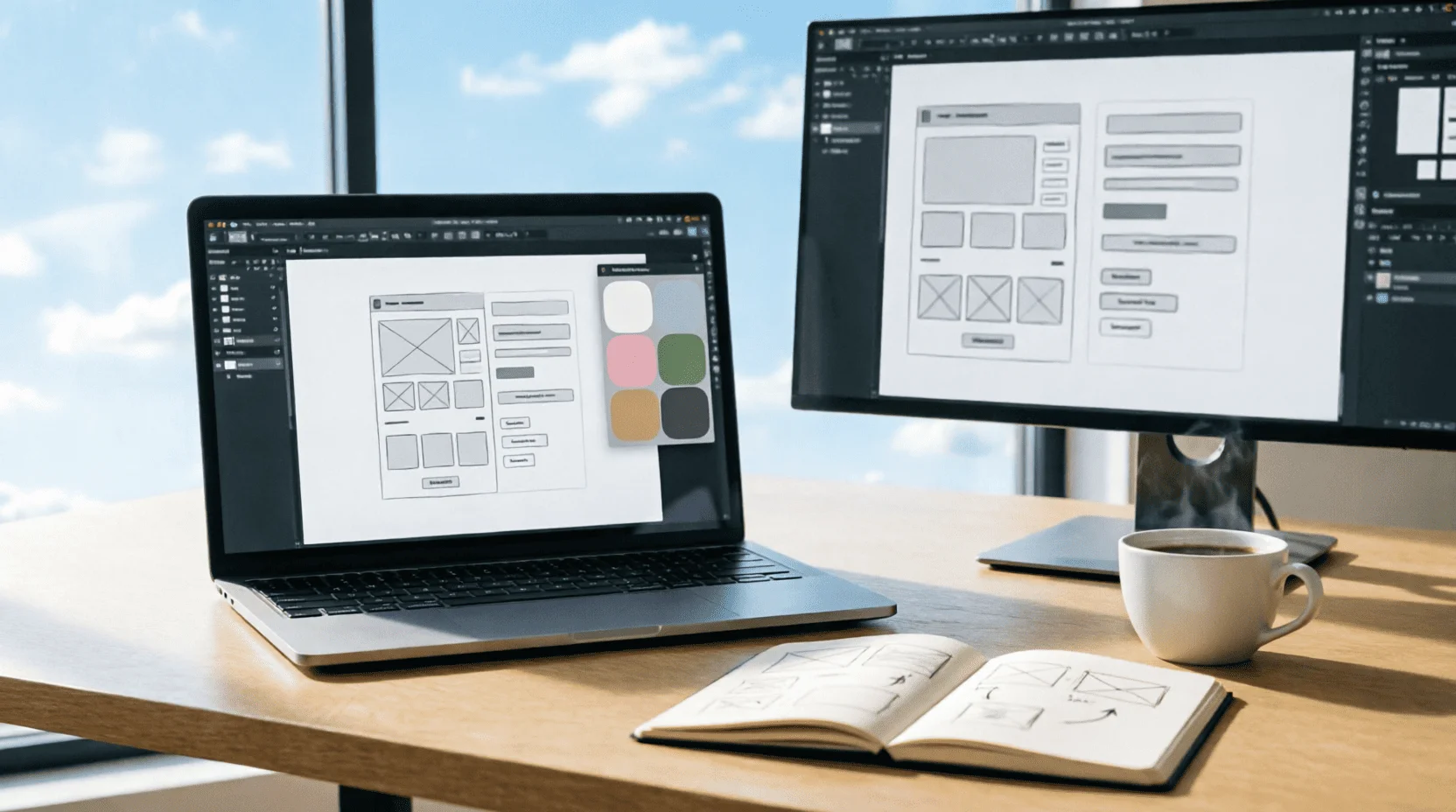
UI/UX-дизайн 2026: как стать востребованным дизайнером интерфейсов - от первого макета в Figma до зарплаты 1 млн тенге: портфолио, профессии, нейросети и вход в индустрию без диплома
UI/UX-дизайн - одна из самых востребованных креативных профессий 2026 года: зарплаты от 400 тысяч до 2 млн тенге, удалённая работа на зарубежные компании и вход без диплома. Команда Lemag.kz разобрала профессию без мифов: инструменты (Figma, AI), портфолио без опыта, зарплаты по уровням, казахстанский рынок и план первых 90 дней - от нуля до первого оплачиваемого проекта.
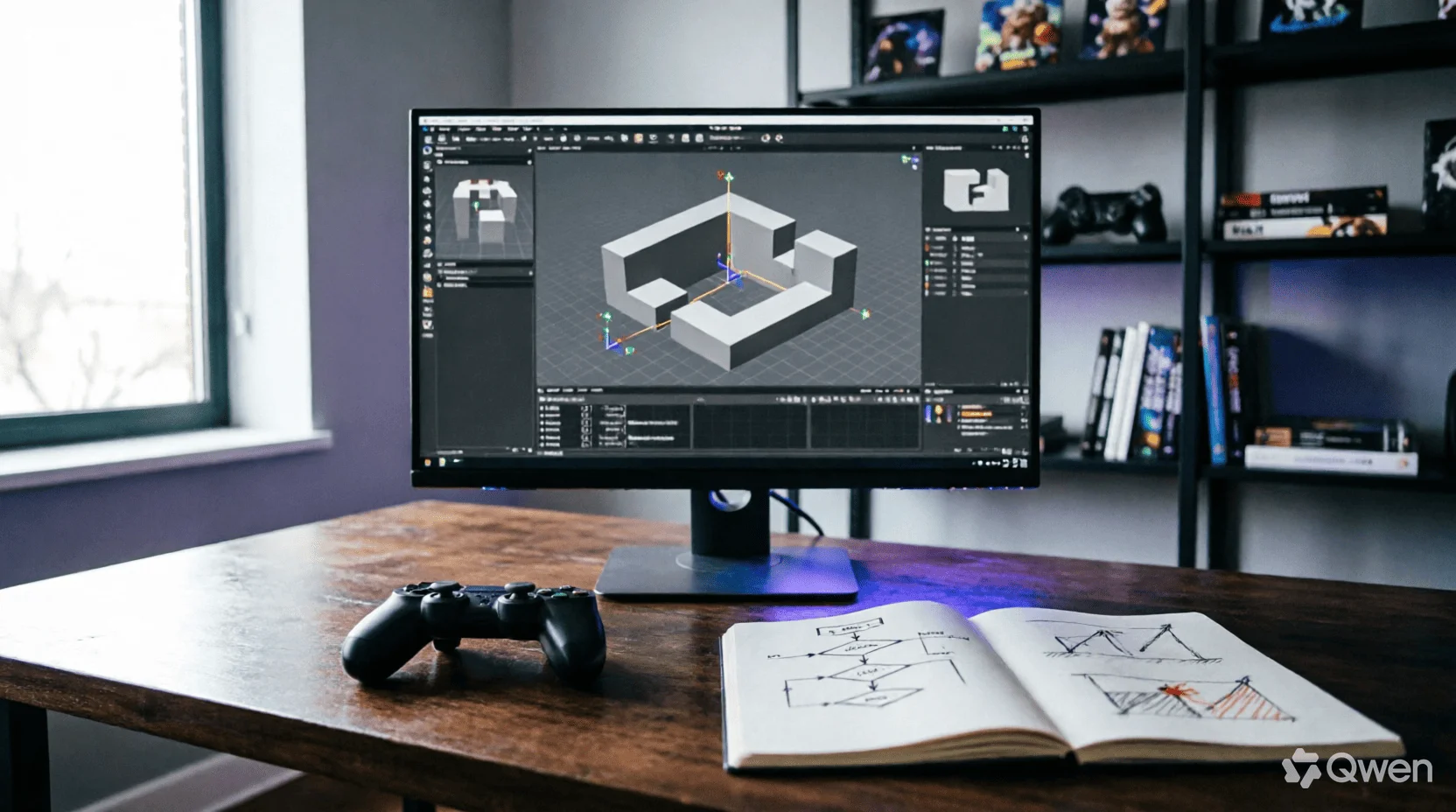
Геймдизайн 2026: как устроена профессия, которая соединяет все искусства - от core-loop до казахского сеттинга: движки, психология игрока, экономика F2P и вход в индустрию без диплома
Игры - единственная среда, где архитектура, музыка, нарратив и психология работают одновременно и подчинены одному решению геймдизайнера: что игрок почувствует в следующую секунду. Команда Lemag.kz разобрала профессию без романтизации: анатомия core-loop, сравнение движков 2026 года, тёмные паттерны монетизации и их этичные альтернативы, казахский сеттинг как конкурентное преимущество и реалистичный план первой игры за 90 дней - без диплома и без иллюзий.
💬 Comments (0)
No comments yet. Be the first!
Leave a comment
Comments are pre-moderated.