
Neonomadism: How Kazakh Design Became a Global Trend in 2026
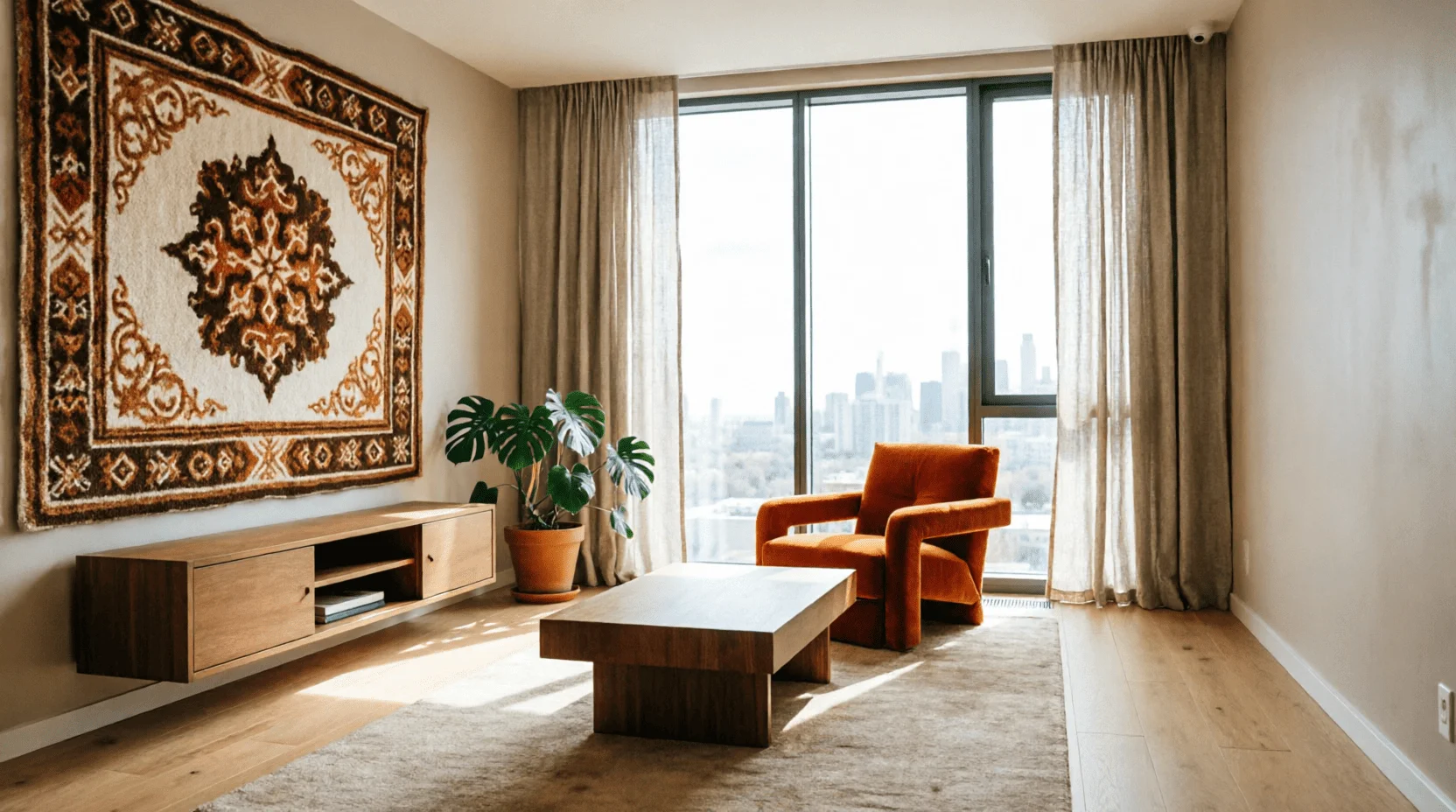
The pattern that once greeted guests only on grandma's carpets is now appearing on catwalks, in concept store windows, and on the covers of international design media. The phenomenon already has a name: neonomadism: a contemporary interpretation of Kazakh visual culture through the language of minimalism, digital art, and street art. The teamLemag.kzI figured out what this style consists of, why it's taking off now, and how to apply the national code tastefully – in interiors, fashion, and your own brand.
1. What is Neonomadism: the three pillars of style
? Reimagined ornament.Not a ready-made souvenir pattern, but its geometry: rhythm, symmetry, symbol. The designer takes the element's meaning—a talisman, a wish for well-being—and reassembles it into a modern graphic.
? Steppe palette.Felt and wool, burnt grass, terracotta, ochre, milk and – unexpectedly – the signature orange accent of the new generation of brands.
⛺ Yurt logic.Circle, frame, mobility: forms that are easy to assemble and disassemble – from modular furniture to identity that lives equally well on a sign and in an app.
Neonomadism is not nostalgia, but translation: culture speaks the language of modernity, and it is understood without a dictionary.
2. Why the world is looking at Kazakhstan now
? Tired of sameness.Global minimalism has made cities and feeds indistinguishable; viewers have longed for codes that can't be downloaded from stock.
? Social networks as a showcase.Local artists have gained direct access to a global audience: a single successful reel featuring felt painting garners millions of views.
?? Generation “in between”.Growing up between aul and a metropolis, between Kazakh and English, these young authors don't choose between tradition and modernity—they combine them naturally, without being too clichéd.
3. Fashion: From the Catwalk to Street Style
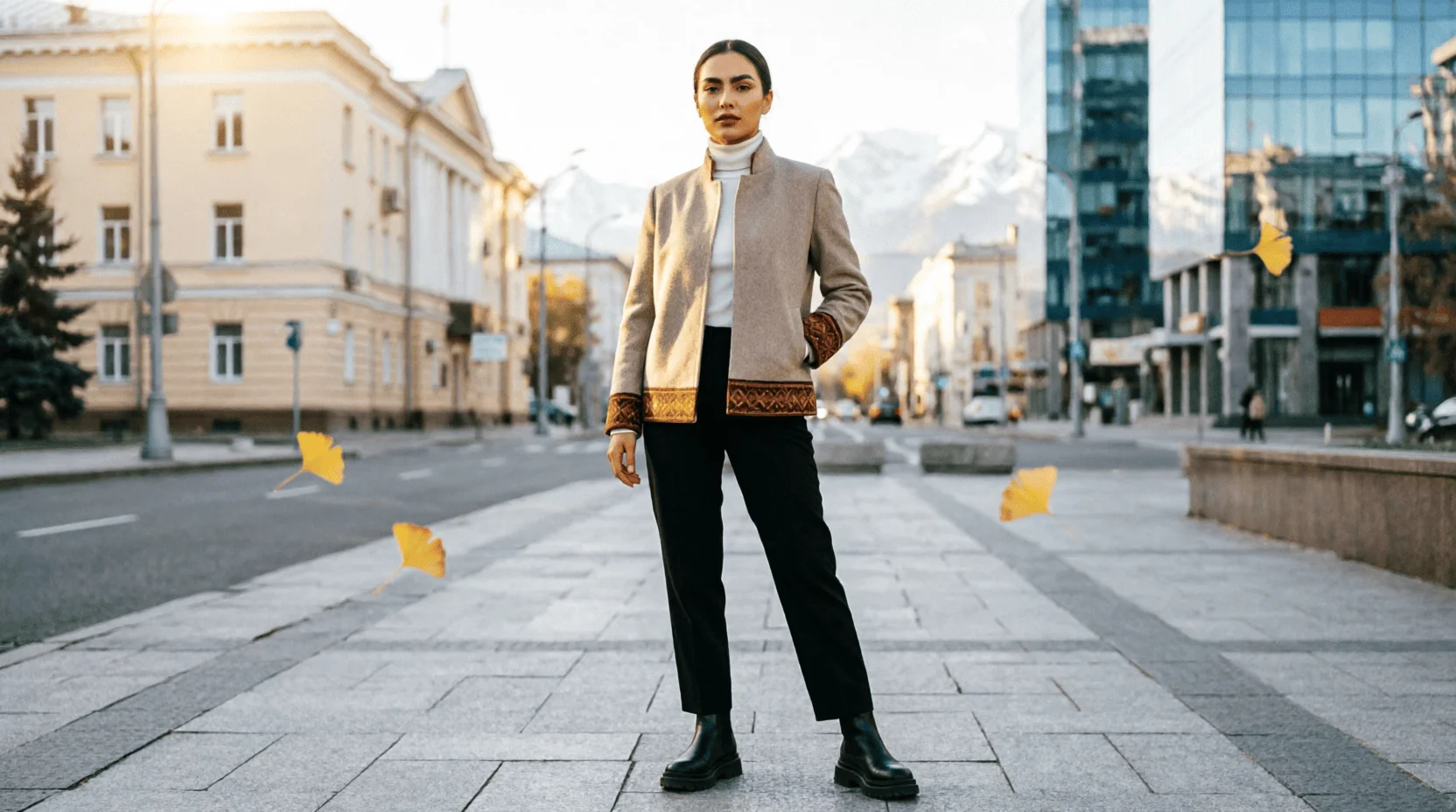
The Kazakh wave in fashion is not about stage costumes, but about urban clothing:
? Outerwear with code.Modern coats and bombers, where the pattern lives in the lining, cuff or stitching - noticeable only to the owner and a careful eye.
Felt as luxury.Dry felting technology has given felt a second life: shopper bags and accessories that tourists buy as a "new souvenir" – wearable and stylish.
? Collaborations.Local brands in joint capsules with international brands are the fastest way to reach global audiences, as they see the code in a familiar format.
4. Interior: a yurt in a studio apartment
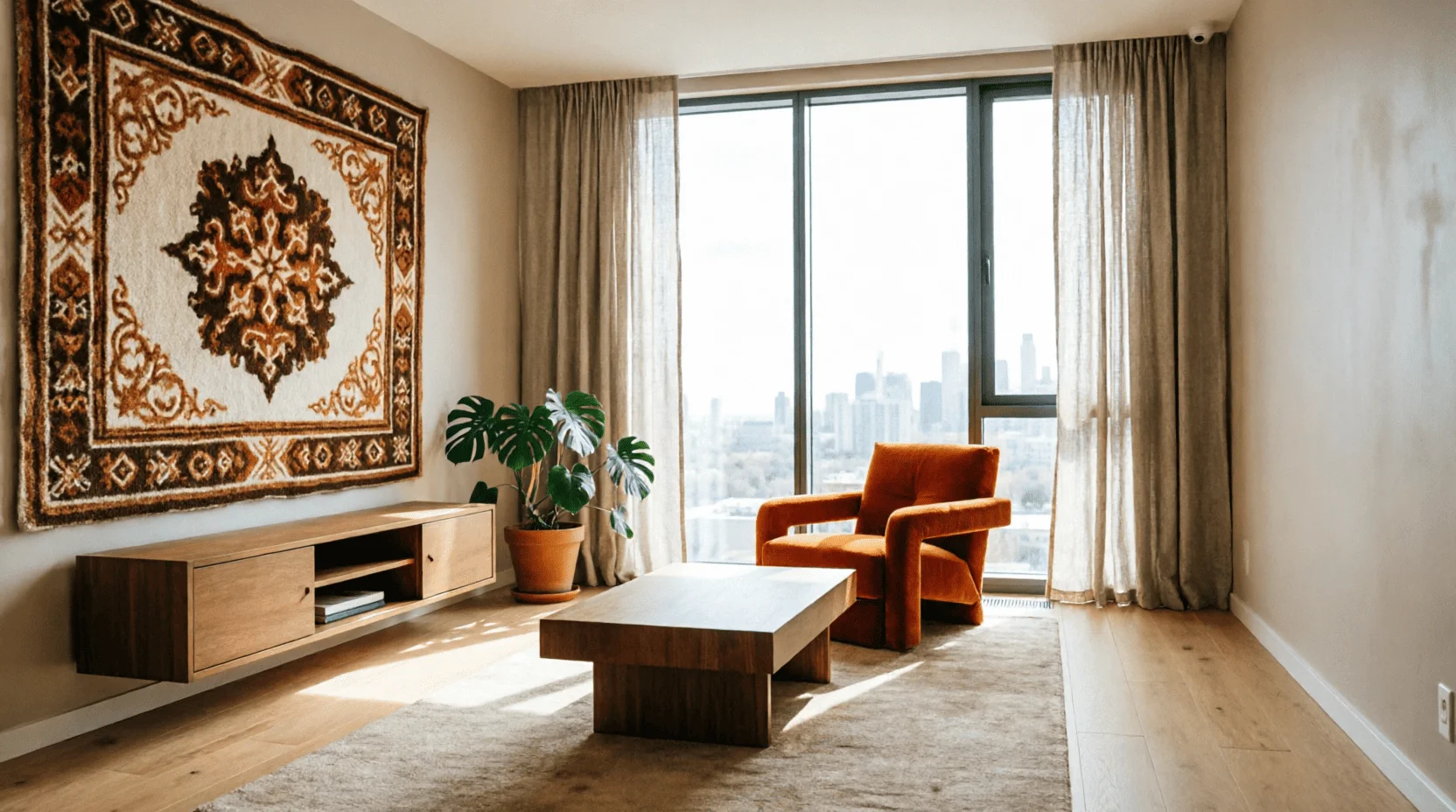
Neo-nomad interiors are when an Almaty apartment looks modern and at the same time "from here":
? Materials.Felt panels for acoustics and warmth, live-edge wood, wool textiles instead of synthetic blankets.
? Ornament in measured doses.One accent wall, headboard, or rug with a simplified pattern—no “everything at once”: minimalism holds the frame.
⚪ Palette-base.Milk, sand, clay, and one bright accent: terracotta or orange. The interior breathes, not garishes.
5. Graphics and Identity: New Kazakh Typography
The most invisible and most powerful front is fonts and signs:
✍️ Latin and Cyrillic in the same rhythm.New font pairs support Kazakh letters without any "cheats" - brands finally sound the same in three languages.
? Ornament like a grid.The pattern becomes not just a picture, but a system: its modules are used to create logos, packaging patterns, and even city navigation.
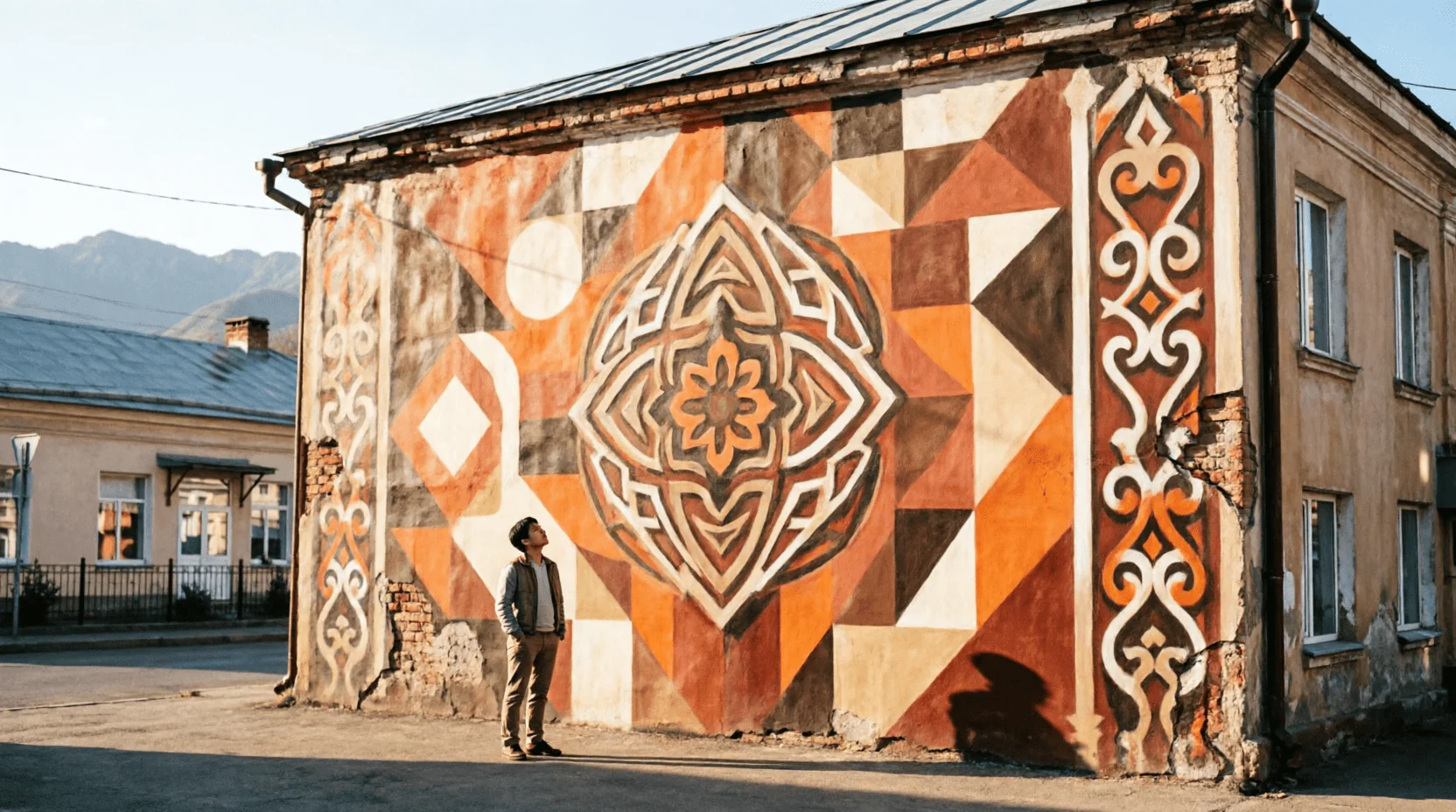
? The street as a gallery.Almaty's murals combine geometric patterns with abstraction—the city itself has become an open-air exhibition.
6. Street art: patterns appear on the walls
Murals are the main "virus" of neonomadism: they are free for the viewer and endlessly shared on social media. Artists work at the intersection of the traditional rhythm of pattern and the scale and boldness of the street wave. The result is a magnet: famous murals attract tours, and brands dream of collaborating with their artists.
7. The Business Side: Why Kazakh Code Sells
? Gift categories.Coffee, chocolate, and cosmetics in delicately patterned packaging are moving into the "gift with a story" segment—they offer higher sales and higher loyalty.
☕ HoReCa.Coffee shops with neo-nomad interiors are becoming magnets for tourists and local communities – the design works like marketing without a budget.
? Tourism.The identity of places—from glamping sites to museums—sells Kazakhstan as a brand: a unified visual language is more memorable than a slogan.
Market rule:Authenticity increases the value of perception, a carbon copy from the souvenir line decreases it.
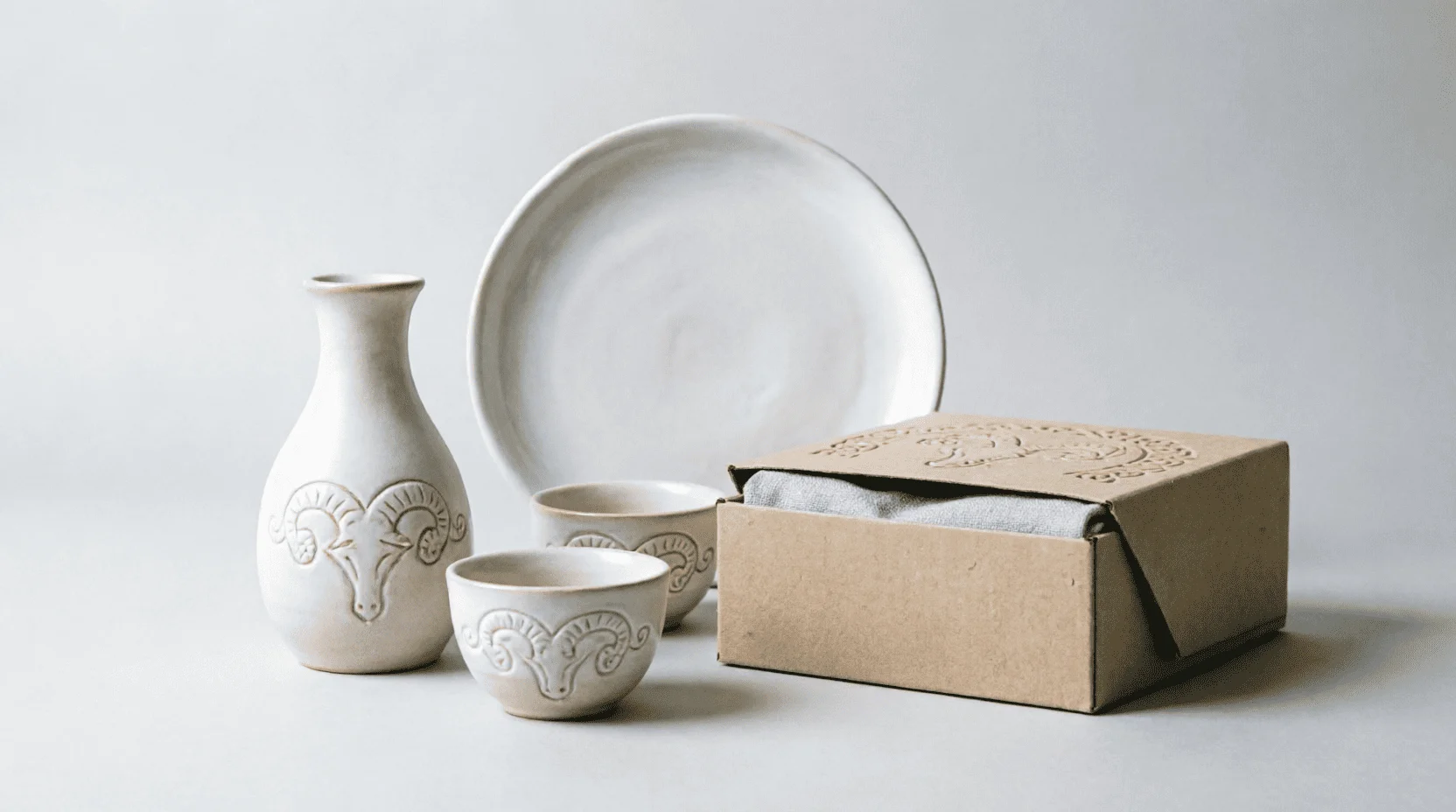
8. Kitsch or code: how to distinguish and avoid slipping into it
❌ Kitsch:"All over the chest" ornament, ready-made clichés from stocks, combination of pattern with gold and monograms, use of sacred symbols "for beauty" without understanding the meaning.
✅ Code:One element per product; simplification to geometry; respect for the meaning of the sign; modern form of the carrier.
The test is simple: if a pattern can be replaced with any other and nothing changes, it's decoration. If it has a meaning that the author can convey, it's code.
9. Where to look: Inspiration map
? Almaty:A street art walk through the old quarters, weekend design markets, concept coffee shops with local identities, and contemporary art galleries.
? Astana:new public spaces, navigation and architecture, where the national code can be read on a city-wide scale.
? Online:Showcases of local brands and portfolios of young designers – the niche is actively seeking new names, and social media algorithms readily promote local design.
10. How to Incorporate Kazakh Code into Your Brand: Five Steps
? Five steps to an authentic identity
- Study:Choose one element of culture and study its meaning - what it desires, what it protects from.
- Simplification:redraw it in geometry: three lines instead of thirty.
- Carrier:Put the code on a modern product - packaging, an app, a courier uniform - not on a souvenir.
- Dosage:One code per product; the rest is pure minimalism.
- Story:Share the meaning of the item on social media - the story is what people buy.
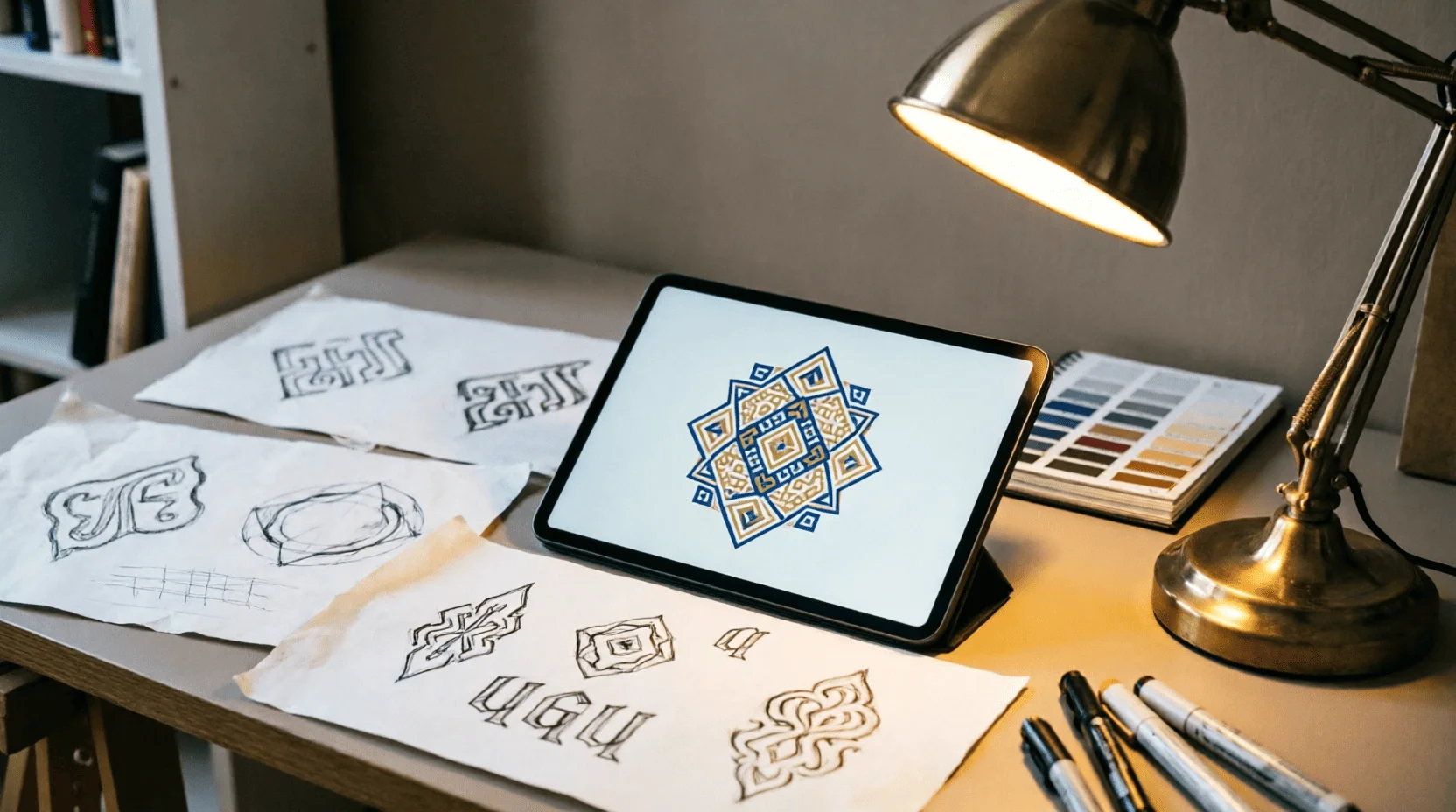
11. New Names: Where Niche Stars Are Born
The scene is emerging right now: design markets, street art festivals, student shows, and online drops from small brands. For entrepreneurs, this is a marketplace for talent: collaborating with a young artist is inexpensive and gives a brand the energy of discovery. For designers, it's an open window: a global audience scrolls through Kazakhstani hashtags every day.
Result:Neonomadism isn't a seasonal fad, but rather the maturation of a local culture: Kazakh design has ceased to be a souvenir and has become the language spoken by contemporary interiors, fashion, graphics, and streets. For brands, this is a chance to integrate into a story the world is reading with interest; for viewers, it's an opportunity to live among meaningful objects. Start with a single code: one wall, one packaging, one mural in the courtyard—and you're already speaking this language. ?
❓ FAQ
What is neonomadism in design?
This is a contemporary interpretation of Kazakh visual culture: ornamentation, felt, steppe palette, and yurt geometry, translated into the language of minimalism and digital design. Not a copy, but a reimagining.
Why is the world interested in Kazakh design now?
Three waves coincided: global fatigue with the same minimalism, a demand for local identity, and a generation of designers who grew up between the culture of their grandmother's village and the digital city.
How to use ornament without creating a kitsch look?
Dosing: one code per product—either a pattern, a shape, or a palette. Simplify to the point of geometry, working with proportions rather than ready-made clichés from souvenirs.
Where can I watch live design in Kazakhstan?
Almaty: street art, design markets, galleries, and concept coffee shops; Astana: modern public spaces and navigation. Plus, online showcases of local brands.
Will the Kazakh code help brand sales?
Yes: authentic local identity increases memorability and perception value, especially in gift categories, coffee, fashion, and tourism – where history is bought.
Where should a designer start in this niche?
Starting with research into the meanings behind each element of the design. Then, a personal project—a reimagining—and publishing it on social media: the niche is actively seeking new names.
📚 Read also

Neuroaesthetics: How the Brain Perceives Design - From the Golden Ratio to Color Triggers: The Science of Beauty, Perception Psychology, and Practical Application
Why do some designs evoke delight and the desire to share, while others leave us indifferent? Neuroaesthetics is the science of how the brain processes visual information. The Lemag.kz team breaks down fundamental principles: the golden ratio, color triggers, attention patterns, and practical application in design, branding, and art.
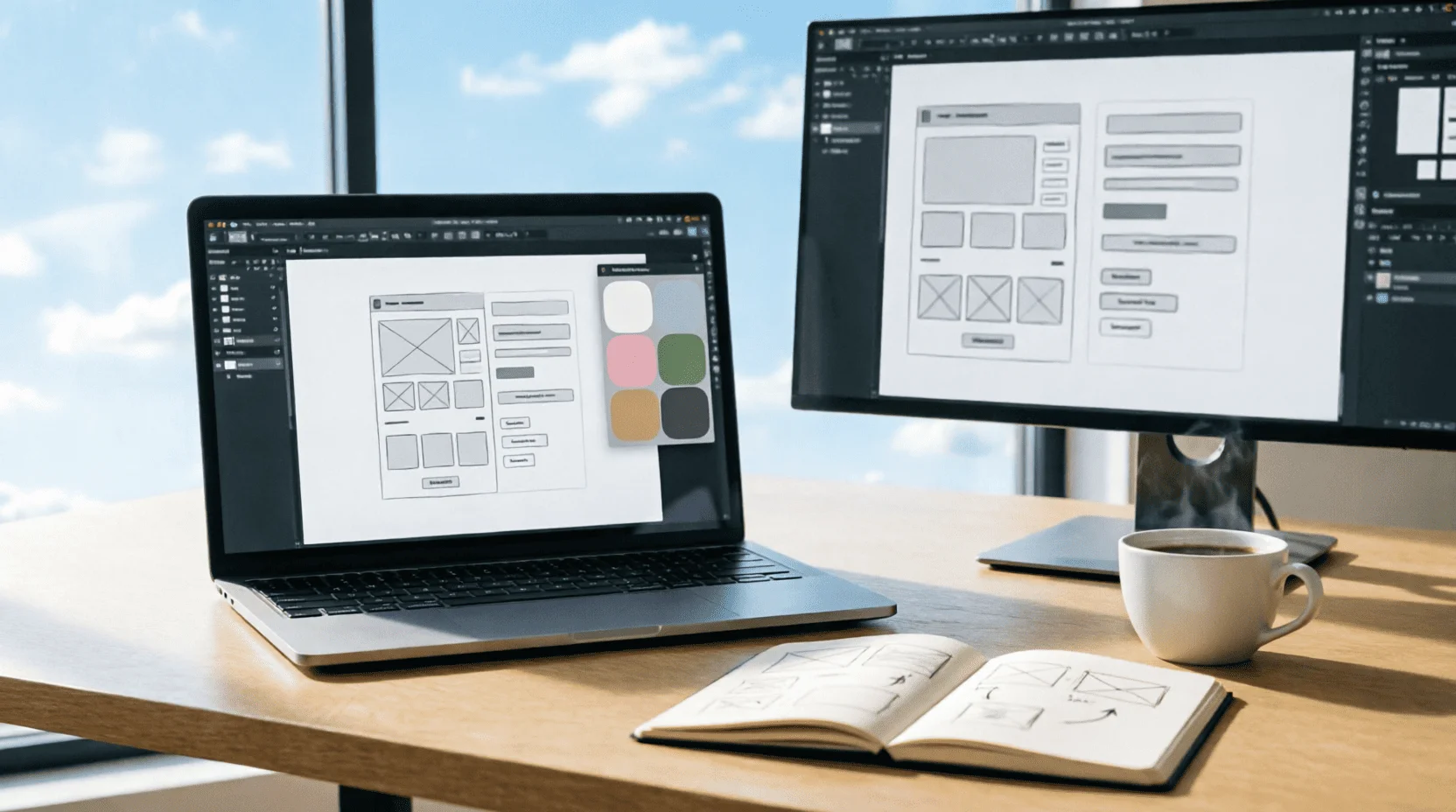
UI/UX-дизайн 2026: как стать востребованным дизайнером интерфейсов - от первого макета в Figma до зарплаты 1 млн тенге: портфолио, профессии, нейросети и вход в индустрию без диплома
UI/UX-дизайн - одна из самых востребованных креативных профессий 2026 года: зарплаты от 400 тысяч до 2 млн тенге, удалённая работа на зарубежные компании и вход без диплома. Команда Lemag.kz разобрала профессию без мифов: инструменты (Figma, AI), портфолио без опыта, зарплаты по уровням, казахстанский рынок и план первых 90 дней - от нуля до первого оплачиваемого проекта.
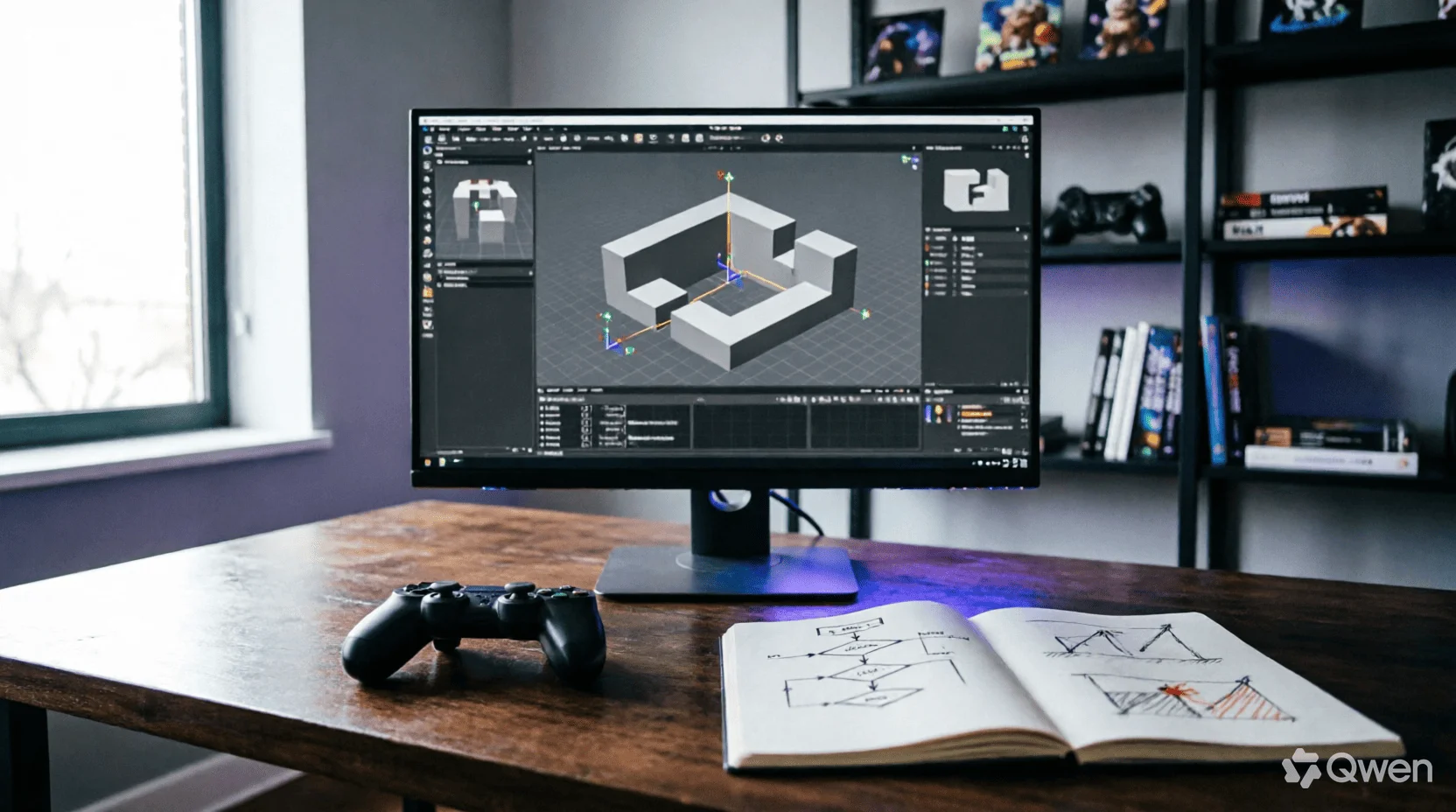
Геймдизайн 2026: как устроена профессия, которая соединяет все искусства - от core-loop до казахского сеттинга: движки, психология игрока, экономика F2P и вход в индустрию без диплома
Игры - единственная среда, где архитектура, музыка, нарратив и психология работают одновременно и подчинены одному решению геймдизайнера: что игрок почувствует в следующую секунду. Команда Lemag.kz разобрала профессию без романтизации: анатомия core-loop, сравнение движков 2026 года, тёмные паттерны монетизации и их этичные альтернативы, казахский сеттинг как конкурентное преимущество и реалистичный план первой игры за 90 дней - без диплома и без иллюзий.
💬 Comments (0)
No comments yet. Be the first!
Leave a comment
Comments are pre-moderated.