
Artificial Intelligence and Physical Activity: How Digital Intelligence Helps Us Live Longer and Better
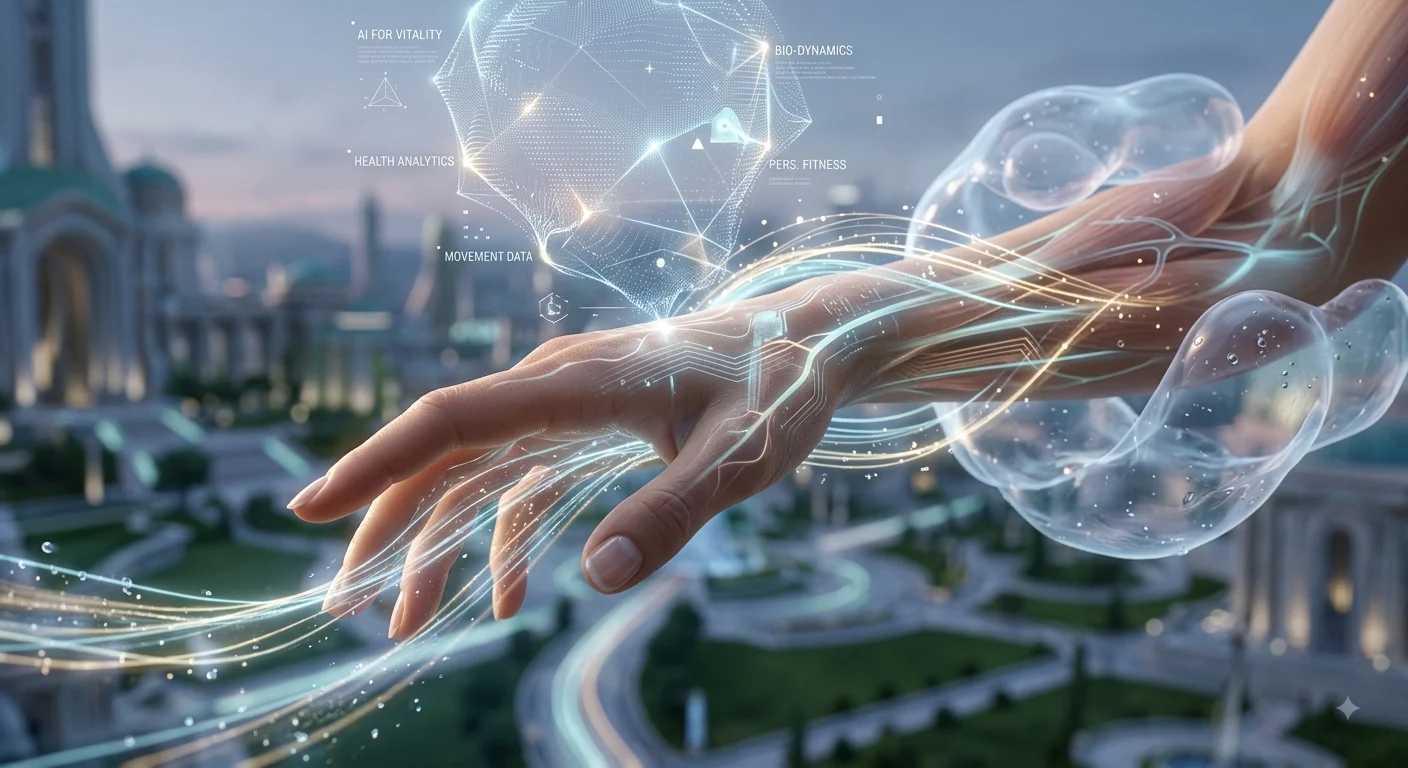
The modern pace of life often leads to physical inactivity: we spend more time sitting in front of screens and less time moving. However, the same digital technologies that "tied" us to chairs now offer a solution. Artificial intelligence (AI) is evolving from a simple analytics tool into a personal longevity assistant, helping people maintain physical activity intelligently, safely, and effectively.
- Personalization: The End of the Era of Universal Software
The main reason many people quit sports is the lack of an individualized approach. An online program may be too difficult for one person and too easy for another.
AI solves this problem by processing a huge amount of data:
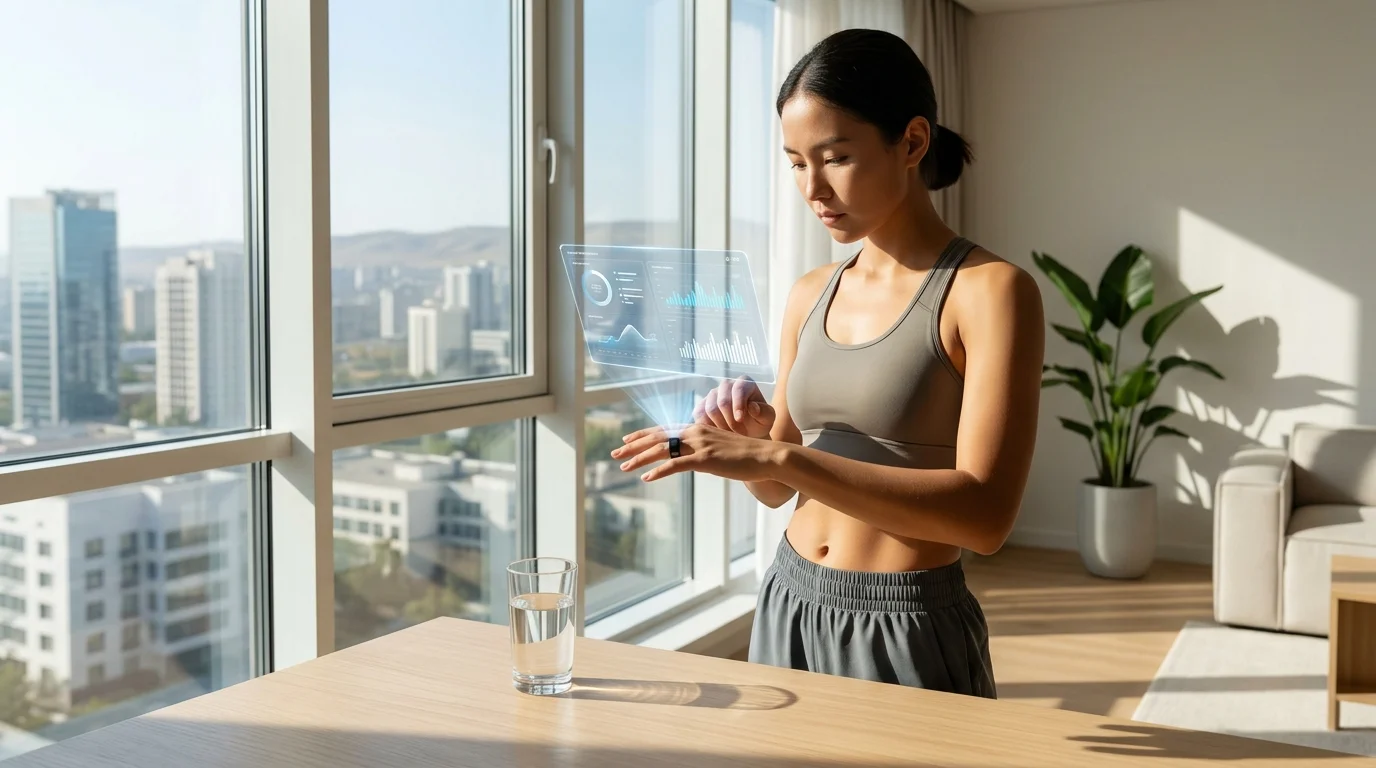
Biomarker and activity analysis: Algorithms read metrics from wearable devices (smartwatches, fitness trackers, heart rate monitors) – from sleep quality and heart rate variability (HRV) to stress levels.
Adaptive Workouts: If the AI detects that you haven't slept well or your body hasn't recovered from the previous workout, it will automatically reduce the intensity of your workout for today, replacing strength training with stretching or light cardio.
- Safety and injury prevention
For older people or those recovering from injuries, improper exercise technique can be dangerous. AI becomes an "all-seeing eye" to ensure safety:
Real-time computer vision: Modern fitness apps use a smartphone camera to track joint and body position in space. If you squat incorrectly or arch your back, the system will instantly alert you with a voice or visual signal.
Predictive analytics: By analyzing your movement patterns and cumulative fatigue, AI can warn you of a high risk of injury or overtraining before you feel pain.
- Motivation and combating procrastination
Even the best training program won't work if people don't stick to it. AI is changing the approach to motivation using behavioral psychology techniques:
Smart Reminders: Instead of annoying alarms, AI selects the ideal moment for activity (for example, when you've completed an important task or been sitting for too long).
Gamification and game design: Algorithms adjust the difficulty of training to keep a person in a "flow state" - when the task is challenging enough to be interesting, but not so difficult that it makes you want to give up.
- AI and rehabilitation medicine
Maintaining health isn't just about high-performance sports; it also involves maintaining basic mobility. AI is being actively incorporated into physical therapy:
Technology-guided exercise therapy: Patients with musculoskeletal conditions or strokes can perform exercise therapy at home. AI tracks the accuracy of movements and reports to the treating physician.
Early diagnosis of pathologies: Gait and movement analysis using machine learning algorithms allows for the detection of signs of diseases such as Parkinson's disease or osteoarthritis at the earliest stages.
The Future of Healthy Living Artificial intelligence doesn't replace humans or do their work for them—you'll still have to run and lift weights yourself. However, AI removes the main barrier: uncertainty. It knows exactly what, when, and in what quantities your body needs to stay healthy.
Integrating AI into everyday physical activity transforms health care from a chore to a conscious, safe, and technologically advanced process. Tags: #ArtificialIntelligence #Health #FitnessAI #HealthyLifestyle #HealthTechnologies #PersonalTrainer #InjuryPrevention
📚 Read also
Biohacking 2026: Body Upgrade Based on Science – What Works and What's Just Marketing
Biohacking isn't about "hacking your body" with pills, as advertised, but rather an engineering approach to the body: measure, change one variable, and look at the data. We'll explore which tools of 2026 will truly provide energy and clarity, and which are just pretty placebos.

Effective Time Management: How to Get Things Done When Everything Important Was Yesterday
The problem isn't the number of hours—everyone has 24. The problem is that time is spent on other people's priorities. A practical guide to time management 2026: from an audit of "where your day goes" to a time-block system and a weekly overview that holds it all together.

Digital Detox: How to Regain Your Focus and Energy When the Screen Is Closer Than Family
A digital detox isn't about giving up technology, but about reclaiming your power to choose where to look and when to respond. A practical guide with an attention audit, three detox levels, and a 7-day reboot protocol for those who live in notifications.
💬 Comments (0)
No comments yet. Be the first!
Leave a comment
Comments are pre-moderated.