
Biohacking 2026: Body Upgrade Based on Science – What Works and What's Just Marketing
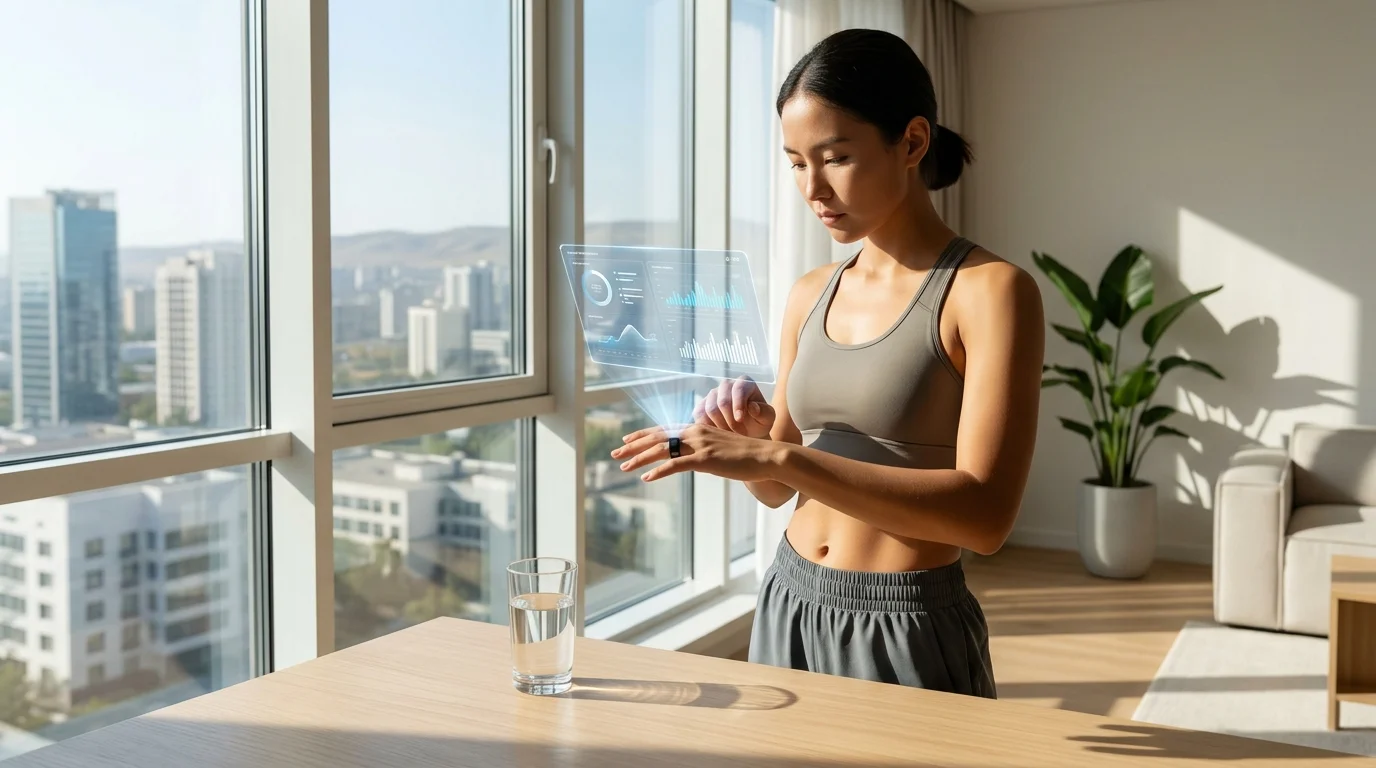
The body is a system with inputs (sleep, light, food, exercise) and outputs (energy, clarity, mood). Biohacking, in a good sense, is an engineering approach: changing one variable at a time and looking at the data, not the sensations. In a bad sense, it's a belief in the "clarity pill" from advertising.Lemag.kzSeparated science from marketing and put together a practical guide to upgrading your body in 2026—with budgets ranging from zero to high-end.
1. What is biohacking—and what it isn't?
✅ Biohacking is:Measure (sleep, heart rate, labs), change one variable, keep it for two weeks, and look at the delta. It's like a product analytics cycle, only you're the product.
❌ Biohacking is not:IV drips "for energy," hormones without prescriptions, extreme fasting, and "detoxes" for 99,000 tenge. Anything that promises results without data is just marketing.
The one-change rule: if you change your sleep, supplements, and training all at once, you won't know what worked. Science begins when you change one variable.
2. Free layer: sleep, light, movement
Before you buy anything, here's a baseline that gives 80% of the effect:
? Morning light.10–15 minutes of daylight in the first hour after waking up sets a circadian rhythm: it's easier to fall asleep in the evening and easier to wake up in the morning. It works better than any light-based alarm clock.
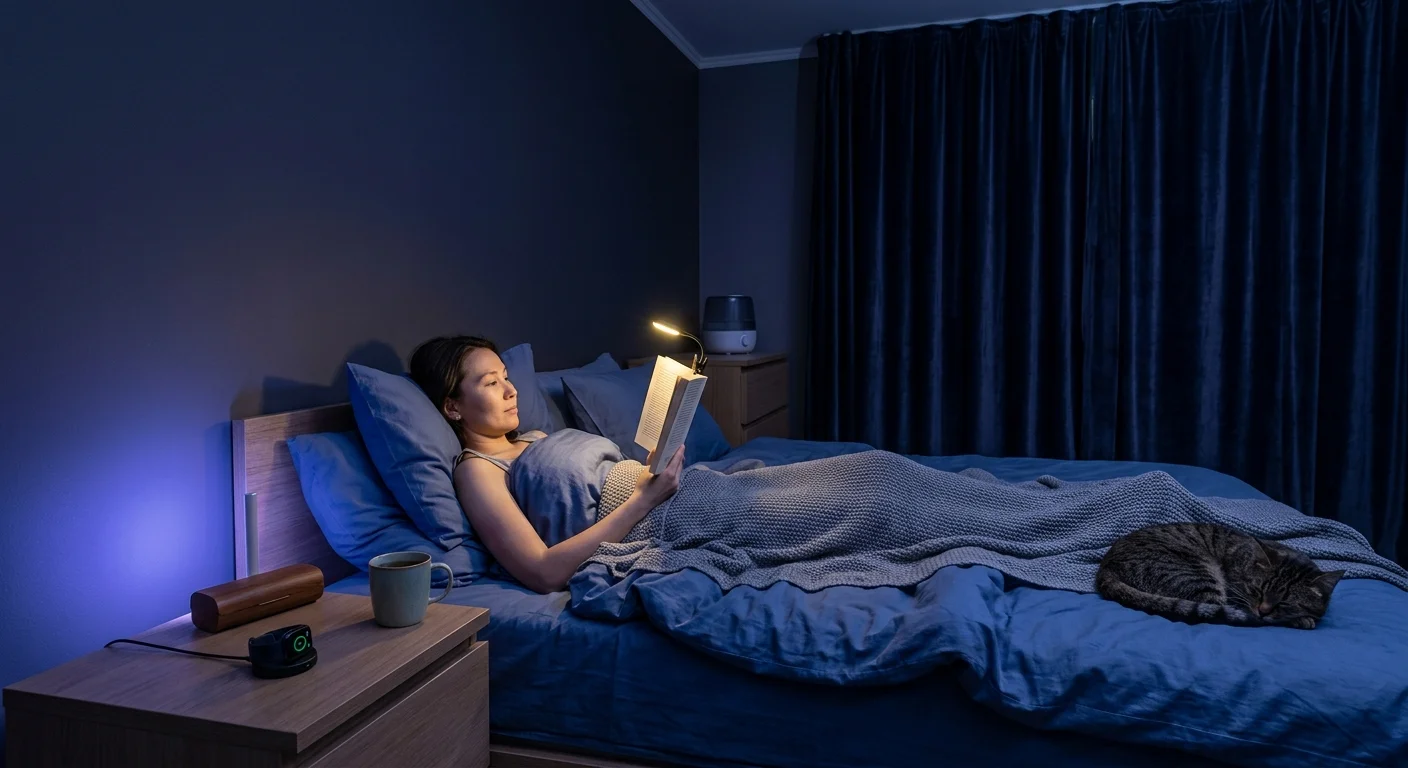
? Cool at night.Bedroom 18–19°C – deep sleep is longer: the body needs to cool down to enter the deep stages.
? Walks after meals.A 10-minute walk after a meal smooths out the glucose peak - less drowsiness at 3:00 pm.
⏰ Stable rebound.The time it takes to fall asleep ±30 minutes is more important than “eight hours” on average: rhythm beats duration.
3. Trackers and HRV: Numbers to Watch
The tracker has dozens of metrics, but only three are operational:
❤️ Resting pulse.Your baseline recovery level. It's 5-7 beats higher than usual for a few days—your body is struggling with stress, illness, or overtraining.
? HRV (rhythm variability).Nervous system flexibility. If it increases, recovery is good and you can work harder; if it decreases over the course of a week, it's time to decompress.
? Deep sleep.The stage in which the body repairs itself. Less than an hour consistently – watch screens in the evening and drink alcohol: both rob you of depth.
Trackers make mistakes in absolutes, but show perfectlytrends- This is exactly what biohacking is after.
4. Minimum checkup: what to take after 30
Biohacking starts in the lab, not the store:
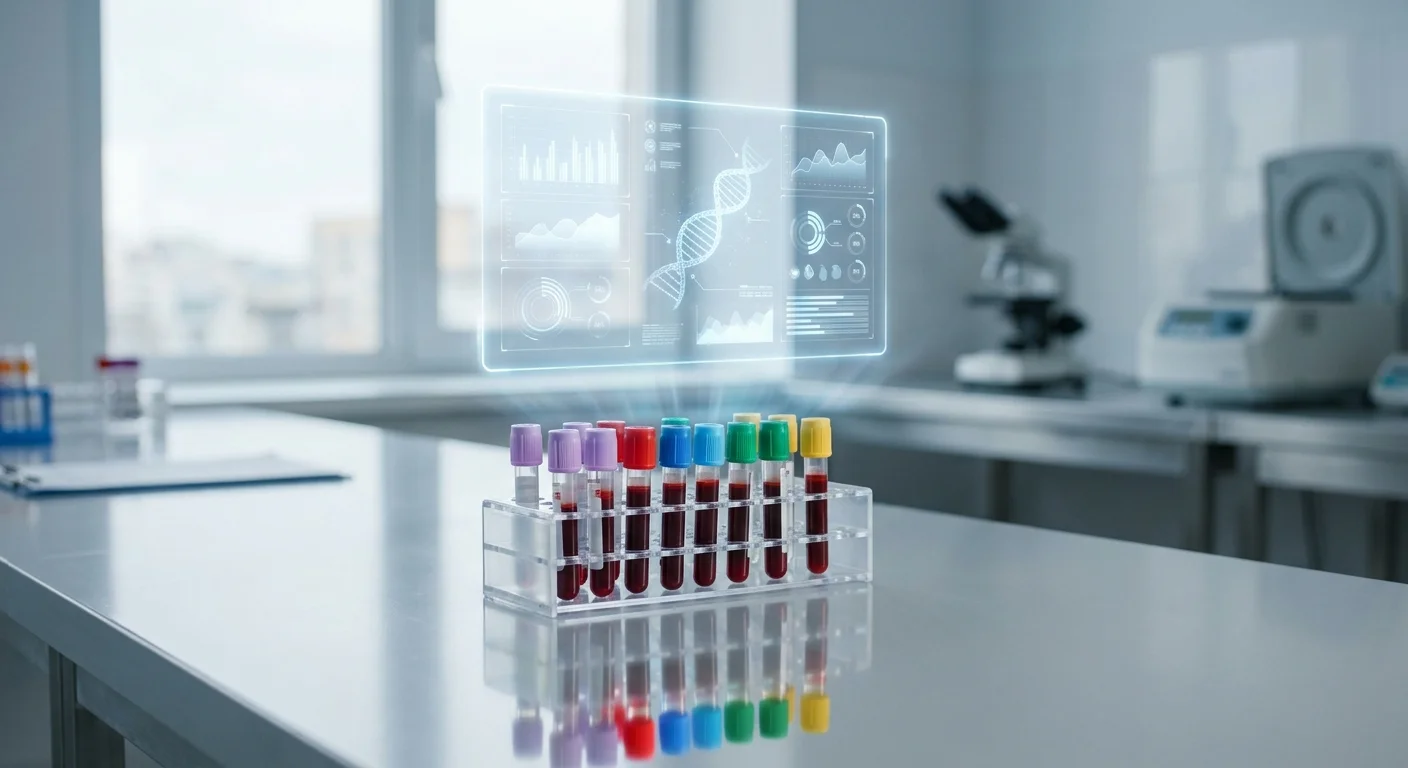
? Base:complete blood count, ferritin, vitamin D, TSH (thyroid), fasting glucose, lipid profile.
? Why:fatigue "out of the blue" is most often a hidden deficiency of iron or vitamin D, and not "laziness" or "age".
? Frequency:once a year if normal, once every 6 months when correcting deficiencies.
One can of vitamin D, according to analysis, gives more energy than a month of “nootropics” without it.
5. Glucose Monitor: Two Weeks That Change Your Plate
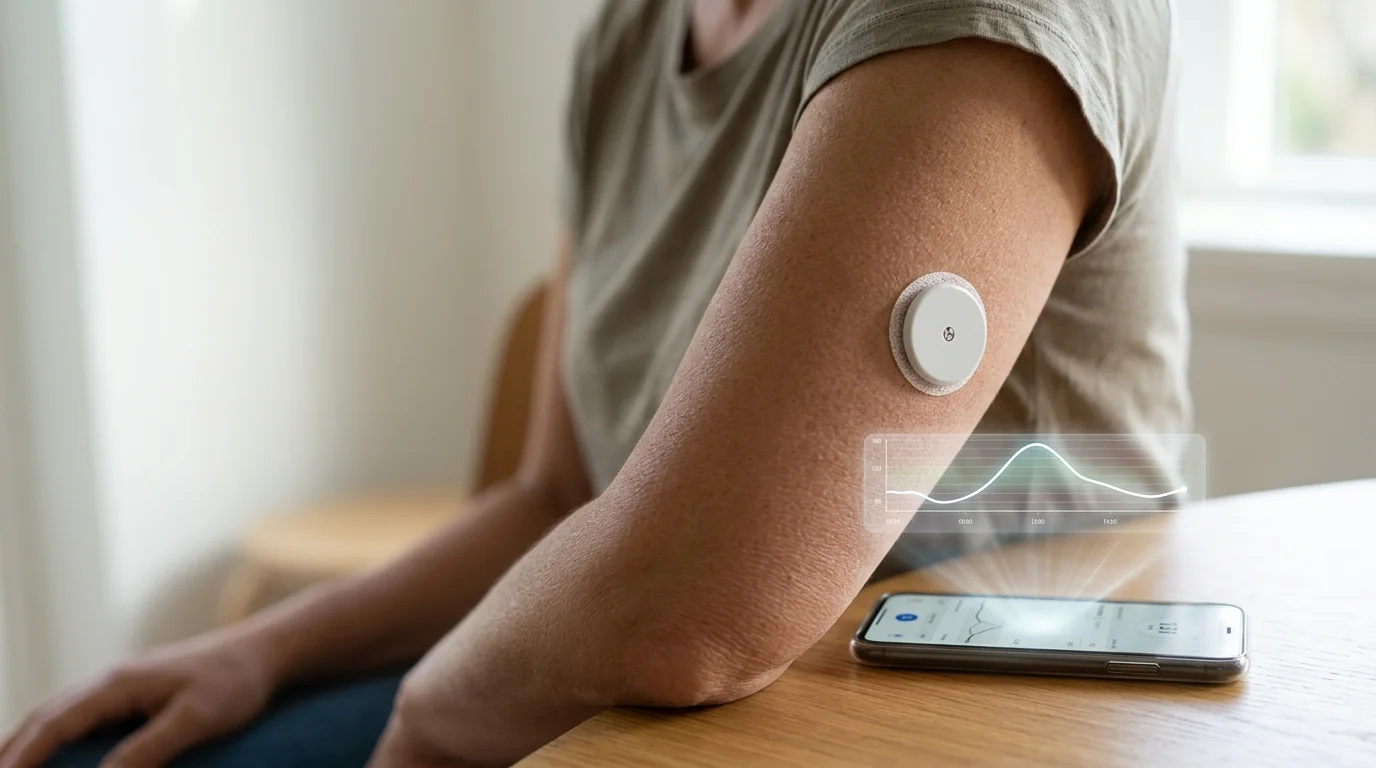
The CGM (continuous glucose monitoring) sensor has been the main biohacking tool of recent years: it's attached to your shoulder and sends a graph to your phone for two weeks.
What you will see:What kind of breakfast causes drowsiness and sleepiness, why "just coffee" in the morning leads to a glucose crash by midday, and how a walk after dinner flattens the evening rush.
How to use:Not for fear, but for experimentation - Week A (how we ate) and Week B (protein first, fiber, walks) → compare the graphs. Data is more convincing than a nutritionist.
Who doesn't need it:without the purpose of experimentation and in case of diabetes - there it is a medical device under the supervision of a doctor.
6. Cold and heat: what science says
? Cold (contrast shower, cold bath).Proven: a surge of dopamine and norepinephrine for hours, improved vascular tone, and subjective alertness. Doesn't "magically burn fat" or replace sleep. Practice: 30-60 seconds of cool air at the end of a regular shower is sufficient.
? Heat (sauna, bathhouse).Strong data on cardiovascular risk: regular sauna use is associated with reduced risk and improved recovery. Recommendation: 2-3 sessions of 10-15 minutes per week, with water and no record-breaking sessions.
The "hot-cold" contrast is also a stress-resistance training: calm breathing in the cold translates into calm during difficult negotiations.

7. Supplements: A short bench of evidence
? Creatine (3-5 g per day).The most studied supplement: strength, endurance, and—new data—cognitive support for sleep-deprived individuals.
? Omega-3 (EPA+DHA 1–2 g).Neuronal membranes and blood vessels; works over long distances.
☀️ Vitamin D.Only based on analysis and in a dose based on deficiency - “by eye” does not work and is not needed when the norm is met.
? Magnesium.Evening support for relaxation and sleep when on a poor diet.
? Trash can:"Detoxes," collagen candies, nootropic mixes without research, IV drips "for energy." Placebos in a pretty jar.
8. Dopamine Hygiene - Brain Biohacking
Screen overload is the biggest energy thief of 2026. Dopamine hygiene:
- the first hour of the day without a tape is the dopamine tone of the day;
- boredom as a tool: 10 minutes of “doing nothing” brings back focus;
- "slow" pleasures (a book, a walk, cooking) after "fast" ones - and not instead.
The brain is also a body: without dopamine hygiene, any supplement stack works at half capacity.
9. Budget packages: 0 / 30k / 100k ₸ per month
? Zero tenge.Morning light, cool nighttime air, post-meal walks, consistent sleep patterns, and a contrasting shower. Effect: +30–40% subjective energy per month.
? 30 thousand ₸/month.Creatine + omega-3 + magnesium, basic sleep tracker, annual checkup with monthly installments. Effective: data instead of guesswork.
? 100 thousand ₸/month.An advanced HRV tracker, a quarterly CGM experiment, a full checkup twice a year, and a sauna membership. Benefits: a personalized recovery and nutrition plan.
Rule:The next level opens only after three weeks of stability at the previous one.
10. Red Line: When to Stop and See a Doctor
Biohacking controls a healthy body. It doesn't cure—and it shouldn't.
Brake lights:Persistent fatigue lasting more than a month, unexplained weight loss, irregular heartbeat, anxiety, and insomnia for weeks. For these, see a doctor, not a supplement store.
? Never without a doctor:Hormones, stimulants, "peptides," extreme fasting. The price of error is years of endocrine system recovery.
11. 30-Day Protocol: Soft Upgrade
? Body Engineering Month
- Week 1 - Base:Lights out before 11:00 PM, mornings in the light, walks after meals. No shopping.
- Week 2 - Data:Sleep tracker + energy diary 1-10 in notes in the morning and at 4:00 pm.
- Week 3 - One Variable:add a contrast shower OR protein to breakfast - just one.
- Week 4 - Review:Compare the energy diary with the first week; delta is greater than 1 point - the variable is working, we keep it; if not, we change the hypothesis.
In a month, you won't have a "biohacking course," but a personal map of what exactly gives your body energy. That's a real upgrade.
Result:Biohacking in 2026 is boring, calm engineering: sleep, light, testing, one variable at a time. Marketing sells magic pots; science offers free leverage that's more powerful than any supplement. Start with a week of baseline data and an energy diary—and in 30 days, your body will become a project with clear metrics, not a mood lottery. ?
❓ FAQ
Is biohacking safe?
The evidence-based part is safe: sleep, movement, light, basic supplements, and checkups. "Hacking" without testing is dangerous: hormones, IVs, and extreme protocols without a doctor's advice—that's not biohacking, it's Russian roulette.
Where to start without a budget?
From sleep and light: lights out before 11:00 PM, mornings in daylight, walks after meals. This is free and provides 80% of the effect of any expensive stack.
What does the tracker show and what to do about it?
The key is your resting heart rate and HRV: trends show whether you've recovered. If your heart rate rises and your HRV drops, your body is asking for an easy day, not a record.
Does a healthy person need a glucose monitor?
As a two-week experiment, yes: it clearly teaches which foods cause post-meal drowsiness and fluctuations. There's no need to wear it permanently unless specifically prescribed.
Which supplements have evidence-based support?
Creatine, omega-3, vitamin D (based on analysis), and magnesium are the most studied. Everything else is based on analysis and deficiencies, not advertising.
When does biohacking not work?
When they're using it to cover a hole instead of a base: no stack can overcome four hours of sleep, a sedentary day, and chronic stress. Base first, upgrades later.
📚 Read also

Effective Time Management: How to Get Things Done When Everything Important Was Yesterday
The problem isn't the number of hours—everyone has 24. The problem is that time is spent on other people's priorities. A practical guide to time management 2026: from an audit of "where your day goes" to a time-block system and a weekly overview that holds it all together.

Digital Detox: How to Regain Your Focus and Energy When the Screen Is Closer Than Family
A digital detox isn't about giving up technology, but about reclaiming your power to choose where to look and when to respond. A practical guide with an attention audit, three detox levels, and a 7-day reboot protocol for those who live in notifications.

💬 Comments (0)
No comments yet. Be the first!
Leave a comment
Comments are pre-moderated.