
Packaging Design 2026: Packaging That Sells – From the Label to the Unboxing Experience
Packaging is the only product that meets every customer every day: on a supermarket shelf, it's seen for three seconds; on a marketplace page, it's seen for three hundred milliseconds among forty other thumbnails. Meanwhile, half of local products are inferior not in quality, but in the packaging. The teamLemag.kzI analyzed the anatomy of packaging that sells: from the hierarchy of labels and EAEU requirements to the ritual of unpacking and the economics of printing in tenge.
1. Four jobs of packaging
? Protect.The product must arrive through the marketplace's logistics and winter storage intact; beauty that doesn't survive transportation isn't packaging.
? Inform.Ingredients, expiration date, and method of use—read in 5 seconds without a magnifying glass; legal documentation—not bureaucracy, but trust.
? Sell.Stand out on the shelf and in miniature, promising value through category, color, and shape faster than the buyer can read the name.
❤️ To fall in love.Unboxing as a ritual: fabric and paper, a card, the smell of craft beer—a moment captured in stories and one that people return for.
Packaging is a brand you can hold in your hands; all other media only tell the story.
2. Shelf vs. Marketplace: Two Different Physics
? Shelf.Tactility, the shine of the varnish, the shape of the box, and proximity all come into play: the design is verified with a photograph of a real shelf alongside competitors, not a render on a white background.
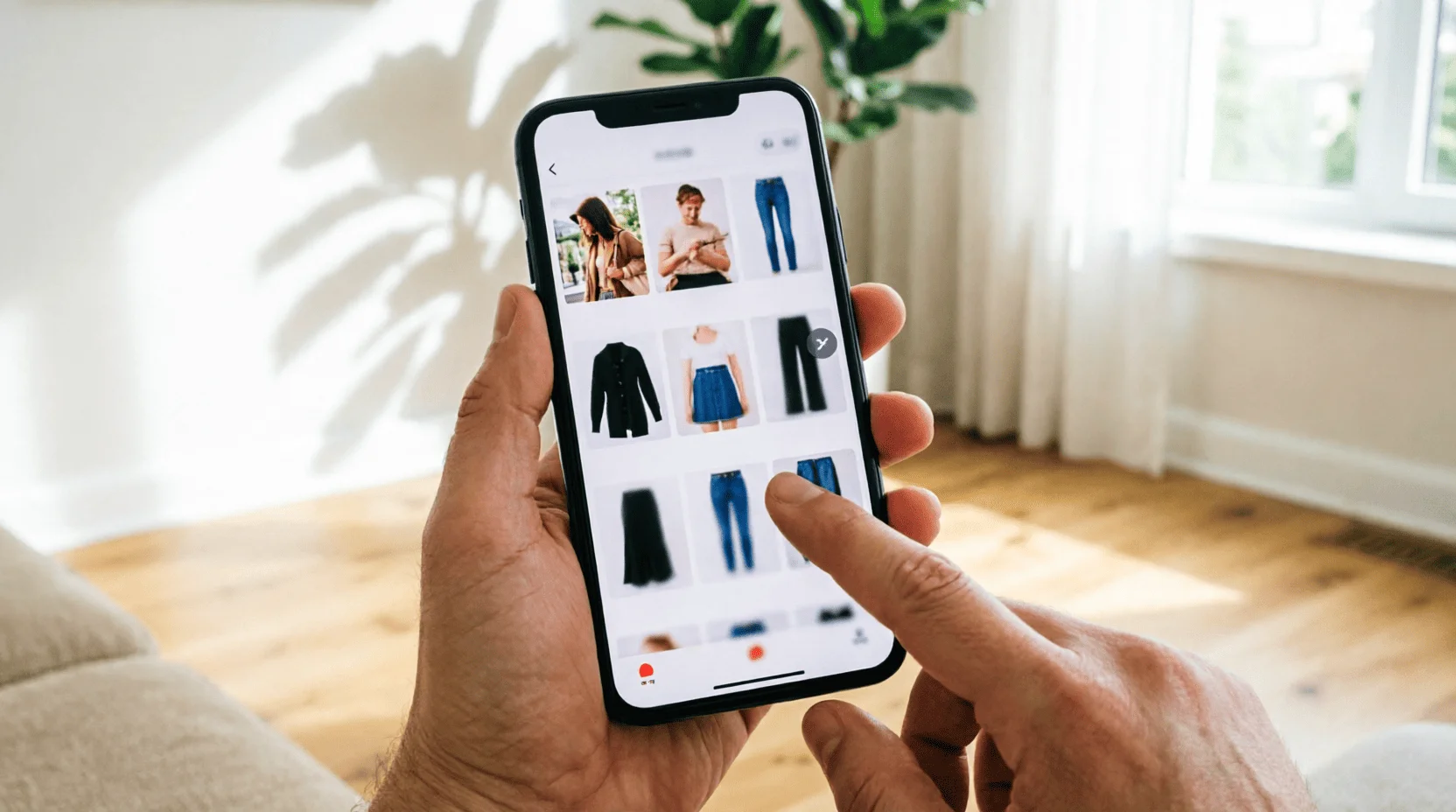
? Marketplace.A 200x200 px thumbnail, the first photo, and infographics work well; the packaging should provide a large splash of color and a legible silhouette about the size of a match head.
? Test of two environments.The layout is tested in both contexts: printing a sample on a shelf next to competitors and reducing it to 200 px in the card grid; failure in either context = revision.
3. Anatomy of a Label: Hierarchy in 3 Seconds
? Level 1 - spot.Category or brand color, packaging shape, key image; what the eye sees before reading.
? Level 2 - Name and Promise.The product name is larger than the brand (the buyer is looking for “kurt,” not your logo) + one promise: “farm-made,” “sugar-free,” “48 hours of fermentation.”
? Level 3 - Facts.Composition, weight, and expiration date are legible from 30 cm; font size no smaller than 2 mm for mandatory blocks.
⚖️ The rule of one dominant.One label screen = one main idea; three equal accents = zero noticed.
4. Color and Material: Psychology and Physics
? Category color and gap.In the milky white and blue shelf, craft and black are seen as premium; in the craft niche, on the contrary, the bright lacquer grabs attention.
? Material as a message.Kraft and paper – “fair, eco, artisanal”; gloss and foil – “holiday, gift”; matte soft-touch – “premium cosmetics”.
? Shelf light.Cold LED lights in supermarkets kill warm shades without polish; the sample is tested under store lighting, not studio lighting.
5. Typography on Packaging: Legibility Wins Over Beauty
? Skittles.Required blocks are 2 mm or more; product name is the maximum available; decorative fonts are for accents only, not information.
? Background contrast.White text on unbacked craft paper disappears in side light; contrast is no lower than 4.5:1 even on "noble" pairs.
? Bilingualism.The Kazakh and Russian blocks are of equal status: 15–20% space reserve, identical font metrics—from our article on typography and Kazakh graphics.

6. Legal sections: the boring part that saves circulation
? Mandatory minimum of the EAEU.Name, composition, weight/volume, shelf life and storage conditions, manufacturer and importer, barcode, EAC mark for products subject to technical regulations; nutritional value for food.
⚠️Price of the pass.The marketplace rejects the card without the ingredients or the label; the retail chain returns the pallet; the inspection agency issues an order—all of this is more expensive than any designer.
? Checklist before the print run.A lawyer or technologist checks the blocks against current technical regulations; the designer typesets them into a layout, rather than "saving space for later."
7. Unboxing Experience: A Ritual Captured in Stories
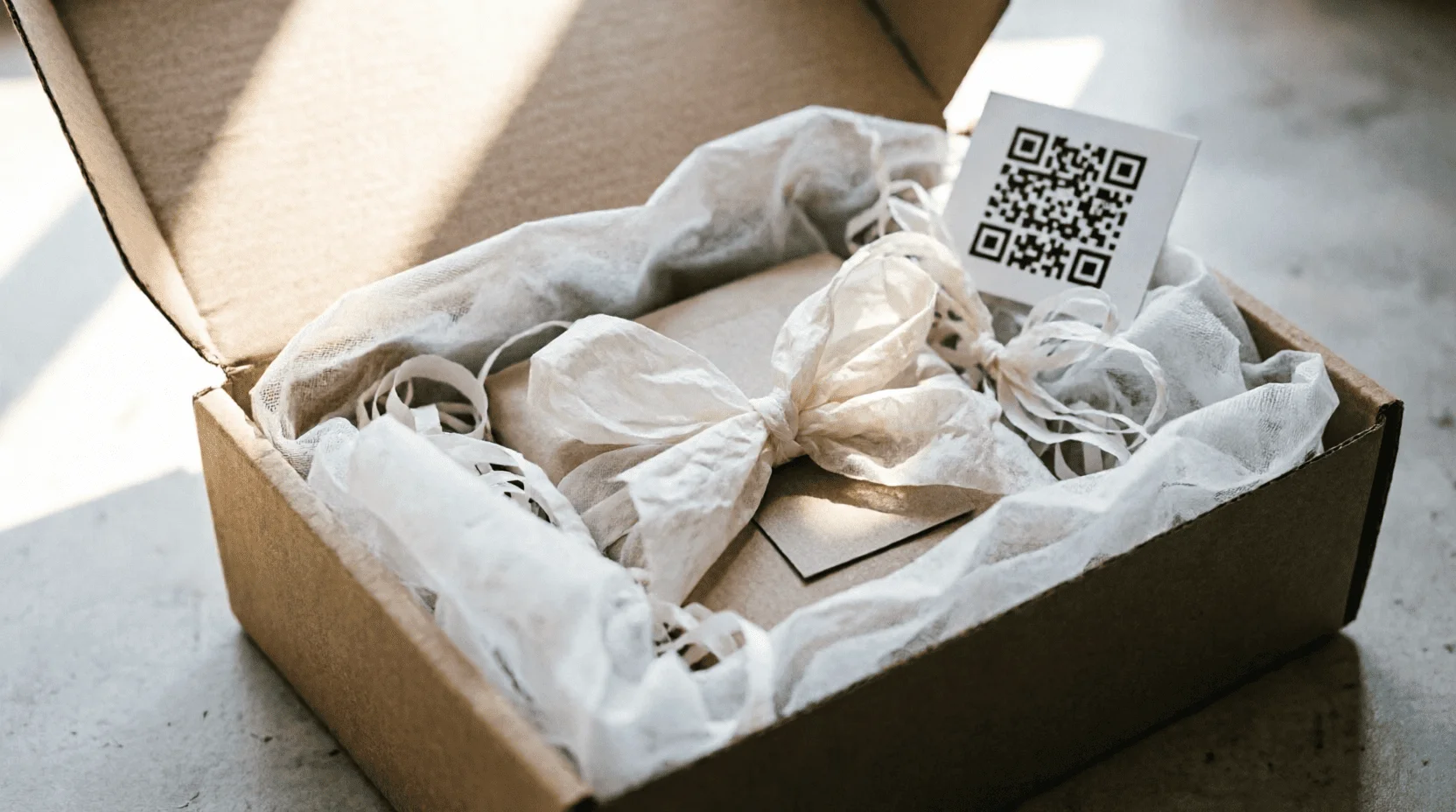
? Layers of unpacking.Outer shipping box → branded box → tissue paper or filler → product → insert; each layer slows down and amplifies the moment.
✉️ An insert with a soul.A "thank you" card with a QR code for a review, instructions, or playlist; a handwritten note from the packager—a detail that gets the word out.
? Shooting points.The design focuses on areas where the hand and phone naturally meet: the top of the box, the first glimpse of the product, the insert; these shots later become brand content.
8. Eco-Packaging 2026: A Trend That Has Become the Norm
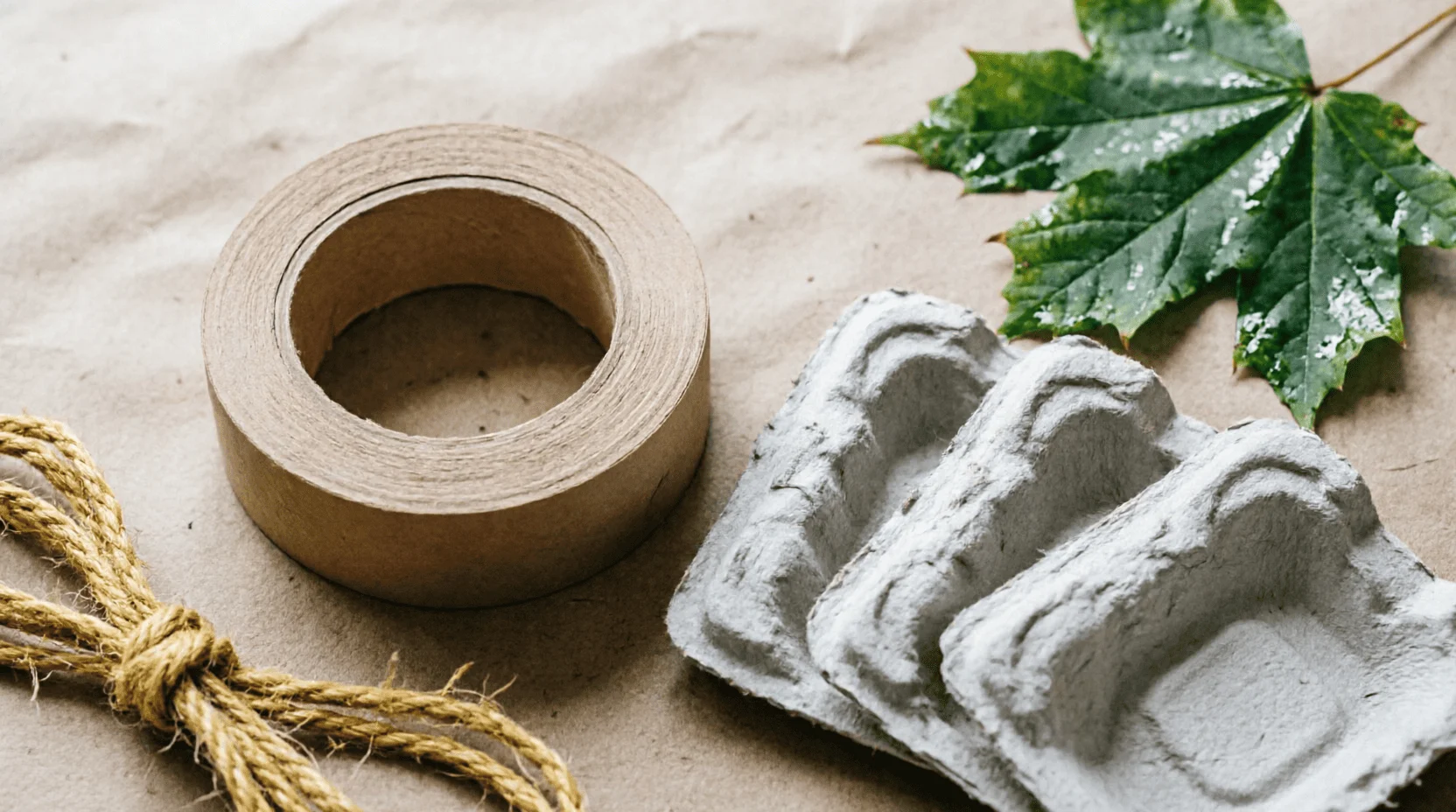
? Materials.Kraft bags and boxes, paper tape instead of scotch tape, molded cellulose instead of foam, water-based varnishes instead of UV gloss.
? Economy.An extra 10–25% to the unit price; it pays off with loyalty from the 18–35-year-old audience and a reduction in complaints about the "plastic footprint."
♻️ Honesty.The "eco" label without a recyclable ingredient is greenwashing, which the 2026 audience will instantly recognize and punish with reviews.
9. Budgets: How much does a package cost in tenge?
? Design.Freelance label — 50,000–150,000 tenge; studio packaging with design — 300,000–1.2 million tenge; a line of 5 SKUs — minus 30–40% of the individual price due to the system.
? Circulation.Digital label printing — from 100 pieces, 80–250 ₸/piece; flexo/offset — from 1,000 pieces, 15–60 ₸/piece; micro-corrugated cardboard boxes — from 300 pieces, 120–400 ₸/piece depending on size and finishing.
? Circulation rule.The unit cost drops by a factor of 3-5 between 100 and 5,000 units; the first run is printed digitally to test demand, the second is an economy run.
? Prepress and proof.A color proof and signal sheet cost 15–40 thousand tenge; saving on a proof = risk of a defective print run worth hundreds of thousands.
10. Process: from brief to print run in 6 weeks
? Six stages
- Week 1 - Briefing and Audit.Target audience, shelf/marketplace, competitors, shelf photos, legal sections from a technologist.
- Week 2 - Concepts.2–3 directions: color, material, composition; test on a miniature and photo of the shelf.
- Week 3 - design layout.The selected option in the layout with cutting, all SKUs of the line.
- Week 4 - prepress.CMYK, bleeds, overprints, color proofing; proofing adjustments.
- Week 5 - Signal Sample.Actual box/label from production: assembly, checking for legibility and durability.
- Week 6 – circulation and photo shoot.Batch printing; marketplace cards and content are taken from the finished print run, not from renders.
11. Case studies of local brands
? Farmer's jacket.A kraft paper bag with a clear window and a black label: the window reveals the product (trust), the black label stands out from the dairy shelf; the package costs 90,000 tenge, increasing the added value of the bag by 35%.
? Handmade candles.The embossed matchbox box with an insert detailing the fragrance's story became the brand's main Instagram content.
? Treats for pets.A bag with a large dog silhouette and a monochromatic color scheme: the thumbnail on the marketplace is easy to read at a glance—the card's conversion rate increased after the label redesign (we discussed this niche in our article on pet businesses).
12. Packaging errors that cost the print run
? Small mandatory text.It looks good on paper, but is unreadable in real life and illegal according to the regulations.
? Design without thumbnail.A luxurious box, invisible in the marketplace grid: sales are decided in 200 px.
? Five equal accents.The eye does not select anything and moves to the neighbor with one spot.
? Construction without forwarding test.A beautiful box that arrived at an angle: a one-meter drop test is a mandatory step.
? Eco-labels without eco-composition.Greenwashing is instantly noticeable and damages reputation more than no inscriptions.
13. AI in Packaging Design: Accelerator, Not the Author
? Where it helps.Moodboards and composition variations in minutes, product mockups in a shelf environment, and pattern generation for label backgrounds.
✍️ Where the person decides.Design and cutting, prepress and color proofing, legal blocks, final taste: AI will not sign the acceptance certificate.
? Studio Pipeline 2026.AI variations → selection by designer → prepress technologist → proof → print run; speed doubled, responsibility remains human.
14. Self-audit checklist for your packaging
? Ten questions before the draw
- Is the product name and promise legible from 1.5 meters on the shelf?
- Is the packaging recognizable in a 200 px thumbnail among competitors?
- Are all required blocks in place and legible from 30 cm?
- Is there an EAC sign and barcode in the required areas?
- Will the packaging survive a meter drop and a winter in the trunk?
- Does the material live up to the brand promise (eco/premium/festive)?
- Are the Kazakh and Russian blocs equal in status?
- Is there a moment in the unsteering that you would like to remove?
- Has the layout been color proofed and tested with a sample?
- Has the unit cost been calculated for the current and next print run?
15. Links to other Lemag.kz articles
? Typography— skittles, contrast and Kazakh graphics on the label.
? Visual brand language— packaging as a physical embodiment of identity and tokens.
? Rural business- farm products whose packaging gives them a premium price.
? Neural networks for content— mockups and marketplace cards without a photo studio.
? UX/UI— product card as an interface: thumbnail, infographics, path to the cart.
Result:Packaging in 2026 is a salesperson, a lawyer, and a ritual all rolled into one cardboard body: three seconds on the shelf, three hundred milliseconds in a thumbnail, and one unboxing moment, captured on Instagram. Keep one dominant feature on the label, check the layout in both environments, don't skimp on color proofing, and plan the unboxing moment in advance—and your print run will no longer be a lottery: the packaging will begin to do its job silently, daily, and on every receipt. ?
❓ FAQ
How much does packaging design cost in Kazakhstan?
A freelancer's label costs 50,000 to 150,000 tenge, while a studio that develops the design and product line costs 300,000 to 1.2 million tenge; a design system for a 5-SKU line is 30-40% cheaper than individual items.
What must be on the label?
Name, composition, weight/volume, shelf life and storage conditions, manufacturer's details, barcode, and the EAC mark for products subject to EAEU technical regulations; for food products, nutritional value; absence of mandatory blocks = marketplace rejection and fines.
What packaging is best for marketplaces?
The one visible on the 200x200 px thumbnail: a large splash of color, one main element, a contrasting label; plus durability for shipping and compactness when folded—logistics considers volume, not beauty.
How to choose the packaging color?
Category and shelf: in a category where everything screams red, a subdued craft product wins attention; check the contrast with competitors in a photo of the shelf, not on a monitor alone.
What is prepress and why is it important?
Preparing the layout for printing: bleeds, CMYK color model, overprints, varnish application; a prepress error equals a wasted print run costing hundreds of thousands of tenge, so a proof sheet is essential before printing.
Is eco-packaging more expensive than regular packaging?
Kraft and paper instead of plastic add 10–25% to the unit cost, but reduce reputational risks and increase the loyalty of a younger audience; molded cellulose is the most expensive, but replaces polystyrene foam completely.
Is it possible to make packaging using a neural network?
AI speeds up mood boards, composition variations, and mockups, but the design, prepress, and legal blocks are handled by humans: the neural network is not responsible for defective print runs or regulatory requirements.
📚 Read also
UX/UI Design 2026: How to Create Interfaces That Sell – From User Research to Live Prototyping
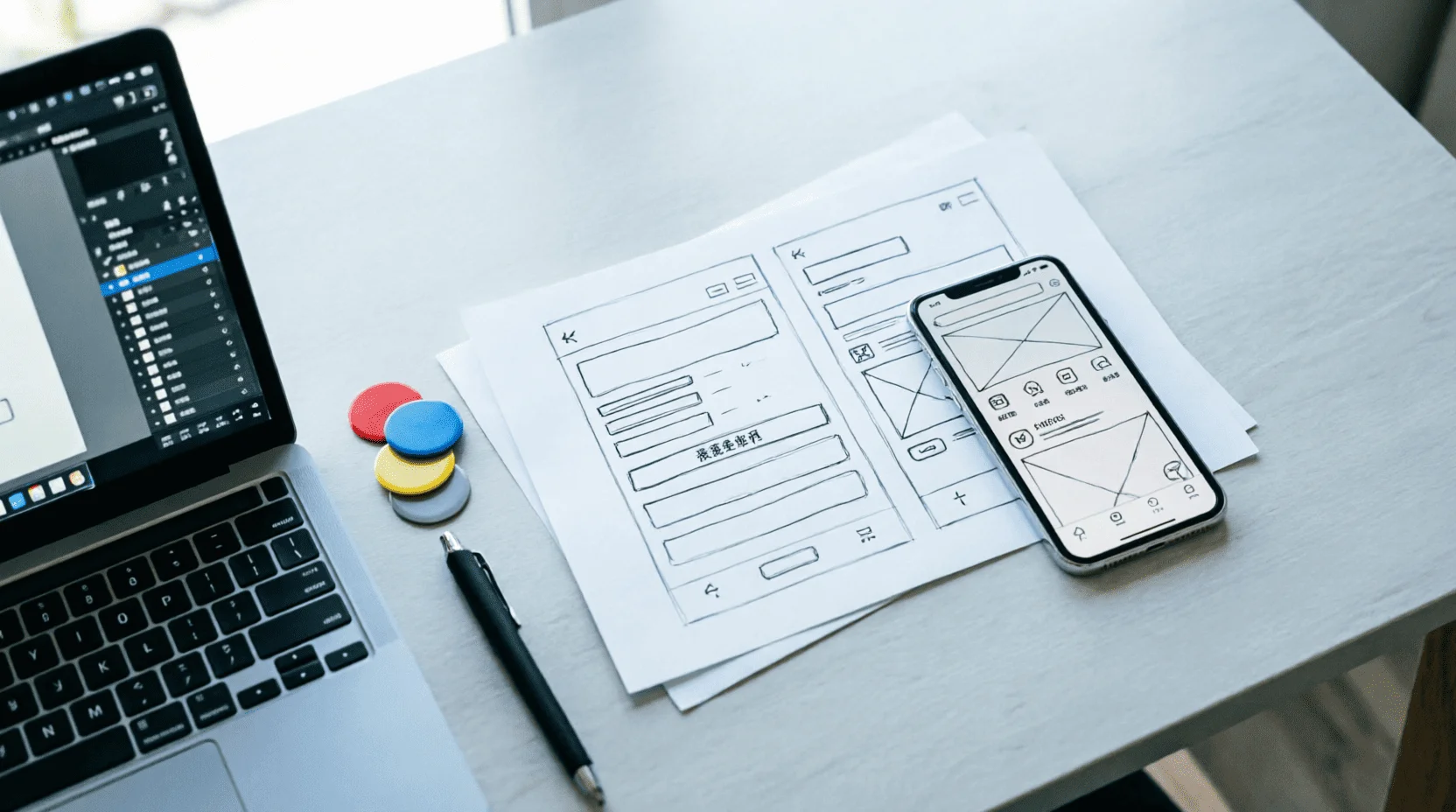
An interface is a 24/7 salesperson: poor UX costs online stores up to 70% of abandoned carts, while good UX is unnoticeable and simply leads to payment. The Lemag.kz team analyzed the UX/UI design process in its entirety: research and CJM, wireframes, design systems, accessibility, testing on five users, and metrics—with local specifics of Kazakhstan and a real-life case study from their own store.
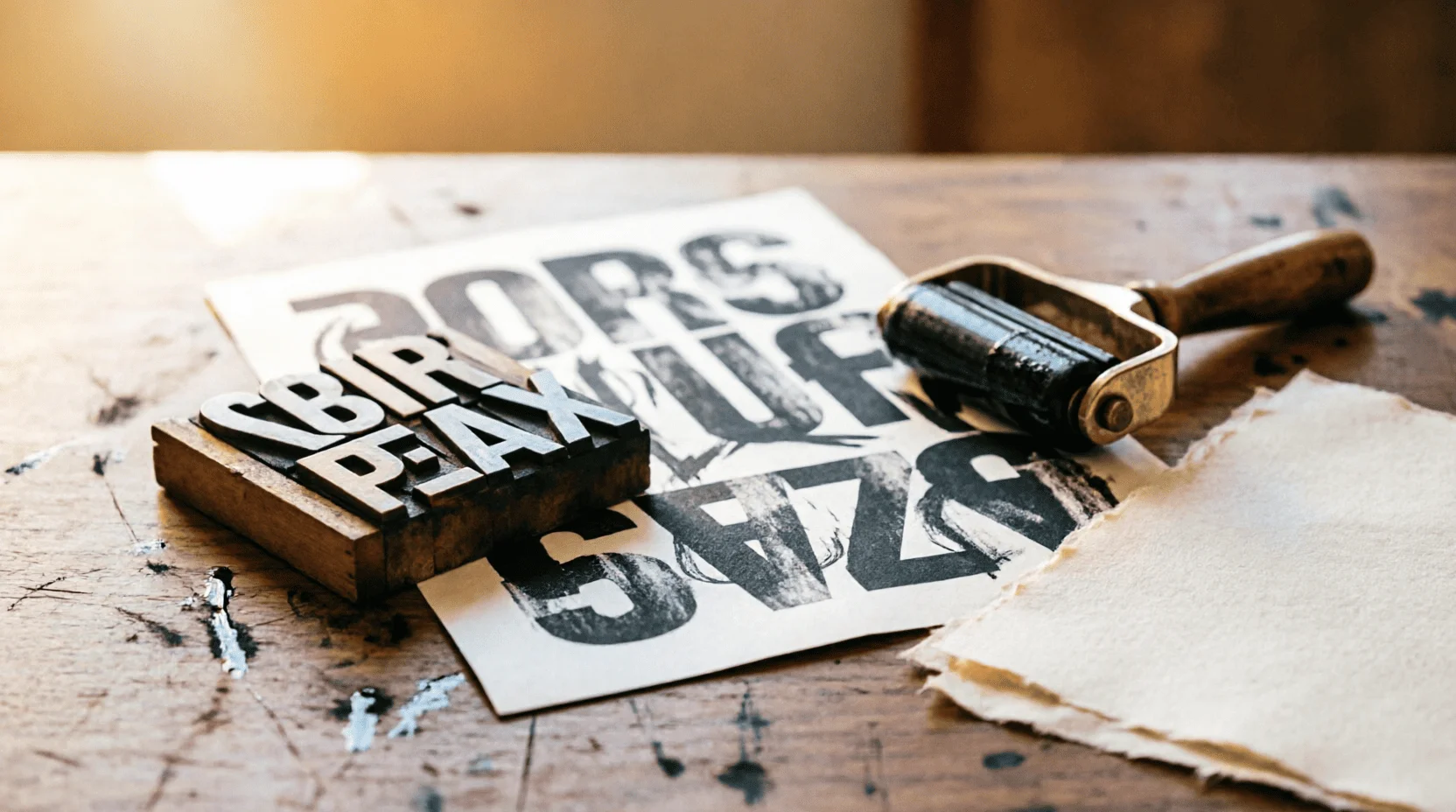
Typography 2026: How to Choose and Combine Fonts – A Practical Guide for Brands, Websites, and Social Media
Design is 90% text, so typography is design. The Lemag.kz team has put together a practical guide on how to read a font's "character," combine pairs without resorting to taste, maintain web readability, and avoid failure in Kazakh script, where the letters Ә, Ғ, Қ, Ң, and Ө are not supported by half of the beautiful fonts. It includes ready-made pairs, licenses, and a checklist of errors.
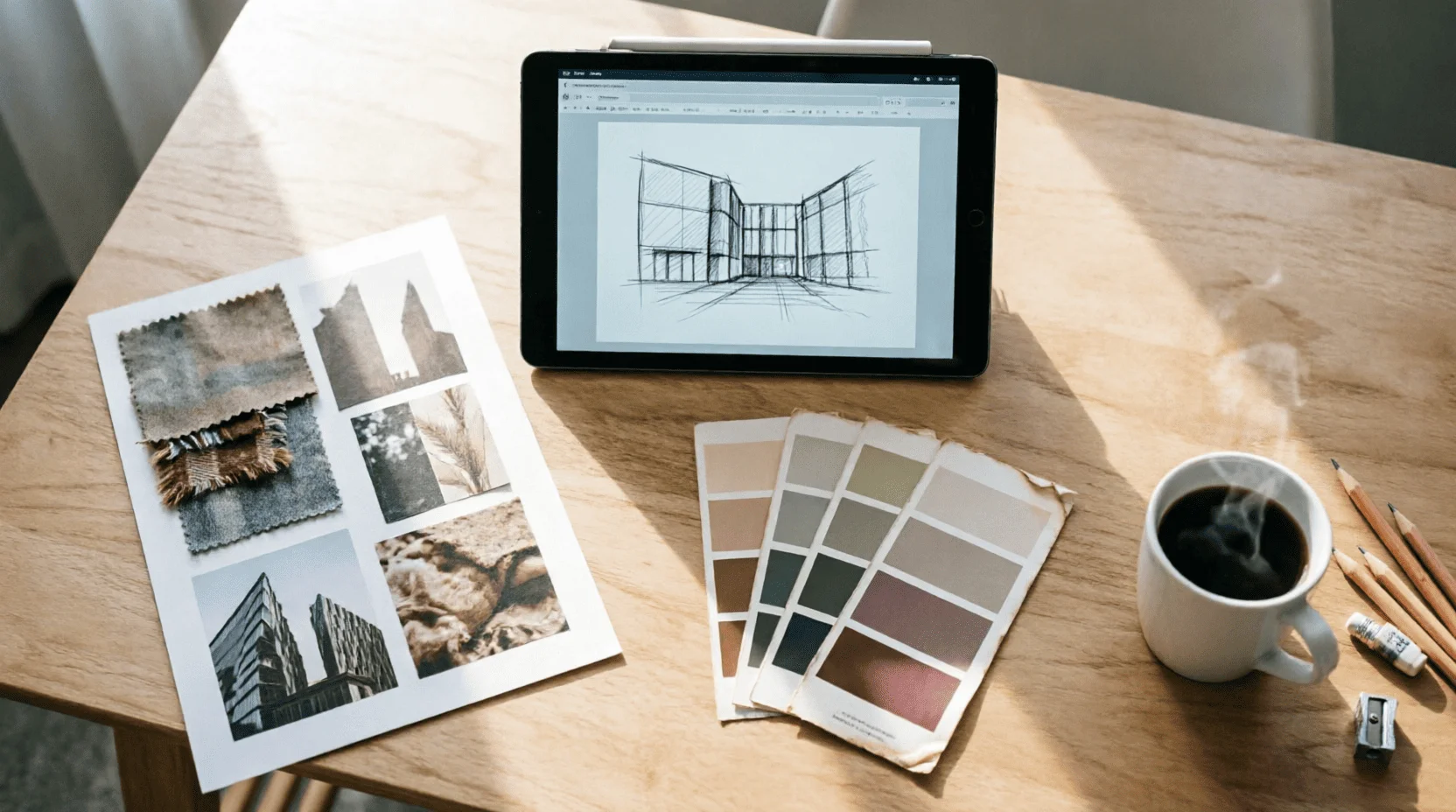
Design Professions 2026: Who the Market Needs, How Much They Pay, and How to Get Started in 12 Months
Design in 2026 isn't a "gift from God," but a set of masterable skills with clear entry points: from graphics in three months to UX in a year. The Lemag.kz team laid out a map of professions with income ranges in tenge, demonstrated what AI takes away and what it gives, and put together a 12-month roadmap from zero to first clients, complete with a portfolio checklist.
💬 Comments (0)
No comments yet. Be the first!
Leave a comment
Comments are pre-moderated.