
Interior Design 2026: 10 Trends That Work in Kazakhstan – From Neo-Nomadism to Warm Minimalism
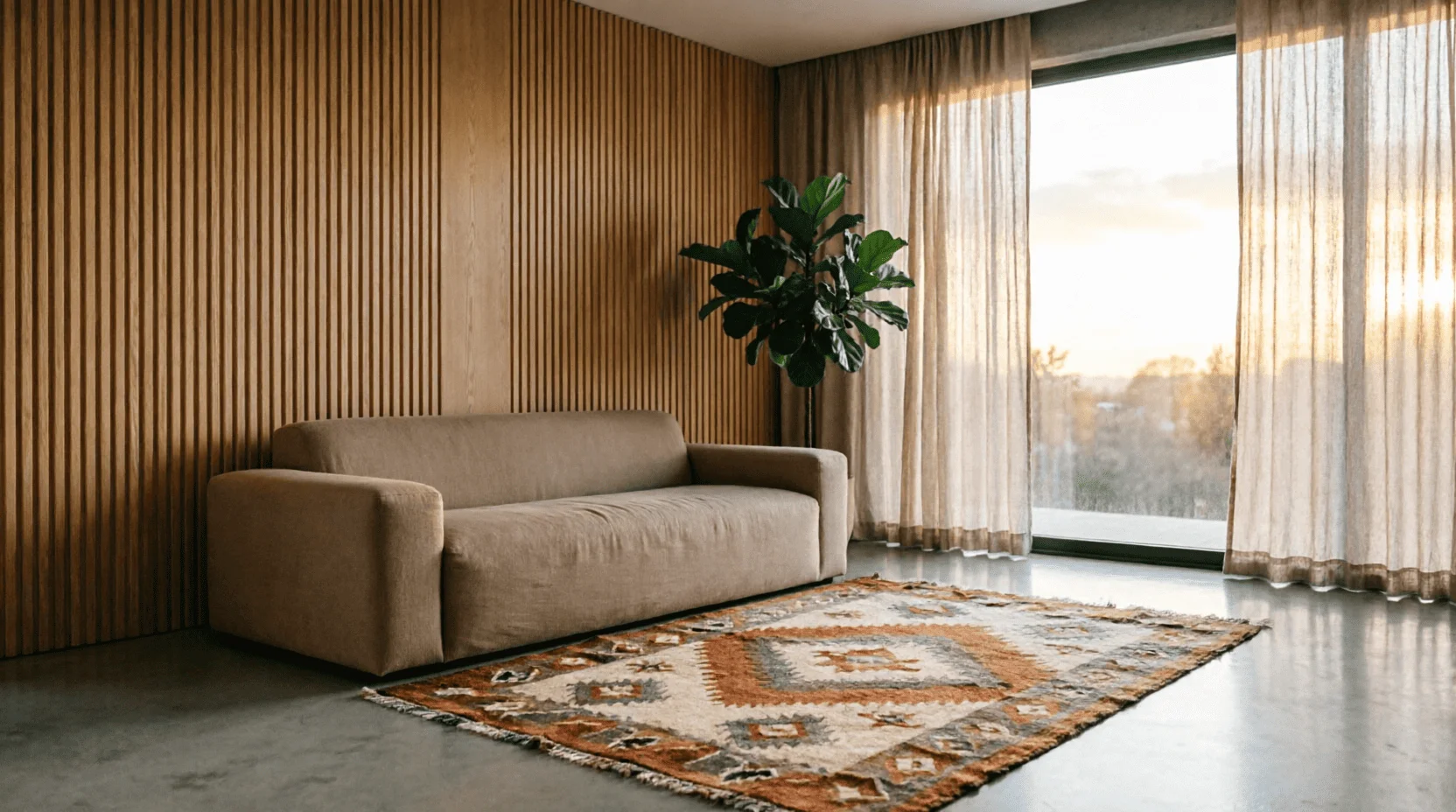
The interior of 2026 has finally said goodbye to "expensive and opulent": instead of gloss and ostentatious luxury, there's warmth, tactility, and meaning. In Kazakhstan, this shift coincided with a return to its own codes: a steppe palette, felt and ceramics, and subtle ornamentation instead of kitsch. The teamLemag.kzI've broken down 10 trends that are actually working in local apartments and houses—with budgets in tenge, anti-trends, and a plan for starting without a designer.
1. How to Read Trends: Three Filters
? Climate and light.Kazakhstan has 300 sunny days, but winters are contrasting: the interior must work in both bright light and short days – hence the love of warm bases and lighting scenarios.
? Cultural code.A trend takes hold when it rhymes with local tradition: minimalism meets felt, terrazzo meets ornament.
? Repair economics.A good trend can be scaled to any budget: from a 15,000-dollar pillow to a full-fledged project worth millions.
A trend isn't a picture from Pinterest, but an answer to the question "how can I live more comfortably and warmly?"
2. Warm minimalism: the basis of the decade
The gist.A minimum of things, a maximum of textures: instead of sterile white – milk, oats, light wood; instead of gloss – matte surfaces and hidden handles.
? How to apply.One line of furniture along the wall, hidden storage up to the ceiling, three textures in each zone (wood + fabric + stone).
? Budget.Repainting walls with a warm base coat starts at 80,000 tenge per room; replacing kitchen cabinets instead of a new kitchen saves up to 60%.
3. Steppe Palette: Colors That "Read" Like Kazakhstan
? Base:milk, sand, camel beige - 60% of surfaces.
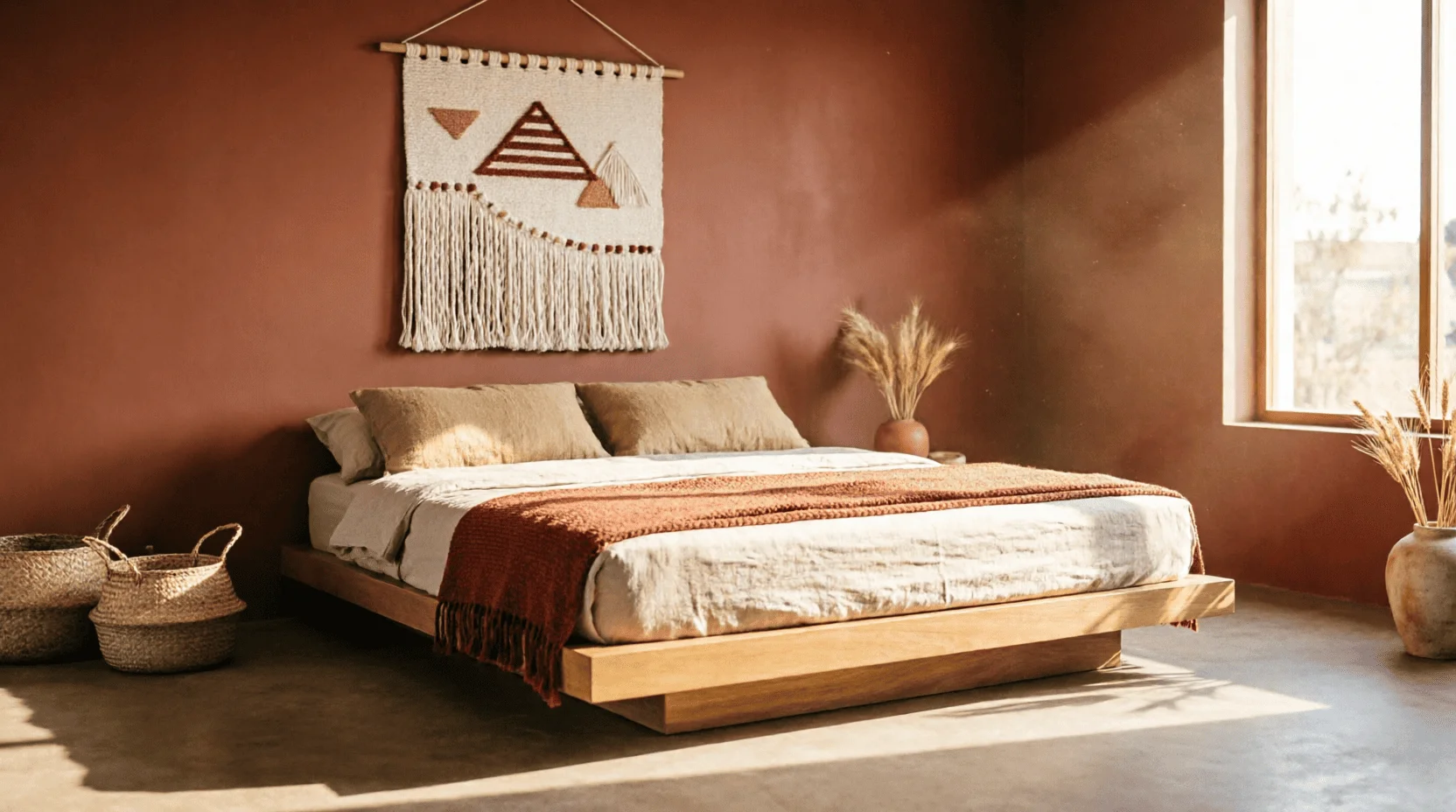
Basic:terracotta, ocher, baked clay - 30%: textiles, one wall, ceramics.
? Accent:sage, deep graphite, occasionally turquoise as a reference to the Turkic tradition - 10%.
Rule:The palette is assembled from items already in place: a rug, ceramics, a throw blanket—the trend doesn't require buying everything new. We discussed this logic in the article about the brand's visual language—it works the same way for interiors: 60/30/10.
4. Neonomad code without kitsch
? One wall.A panel or textile with a subtle pattern is an accent, not a background; the rest of the walls are calm.
? Three items.Felt decor, hand-made ceramics, a carpet with a modern interpretation of the pattern - this is enough for the code to be read.
? Stop list.Popular prints, gold-and-ornament trim around the perimeter, a souvenir shop instead of an interior: we explored the boundaries of taste in detail in our article on neonomadism.
? Admission 2026:An ornament in architecture, not in decor - milled MDF panels with shanyrak geometry on one wall, backlit with warm tape.
5. Textures instead of decor
? Tree.Slats, veneer, live edge of the table - warmth and acoustics.
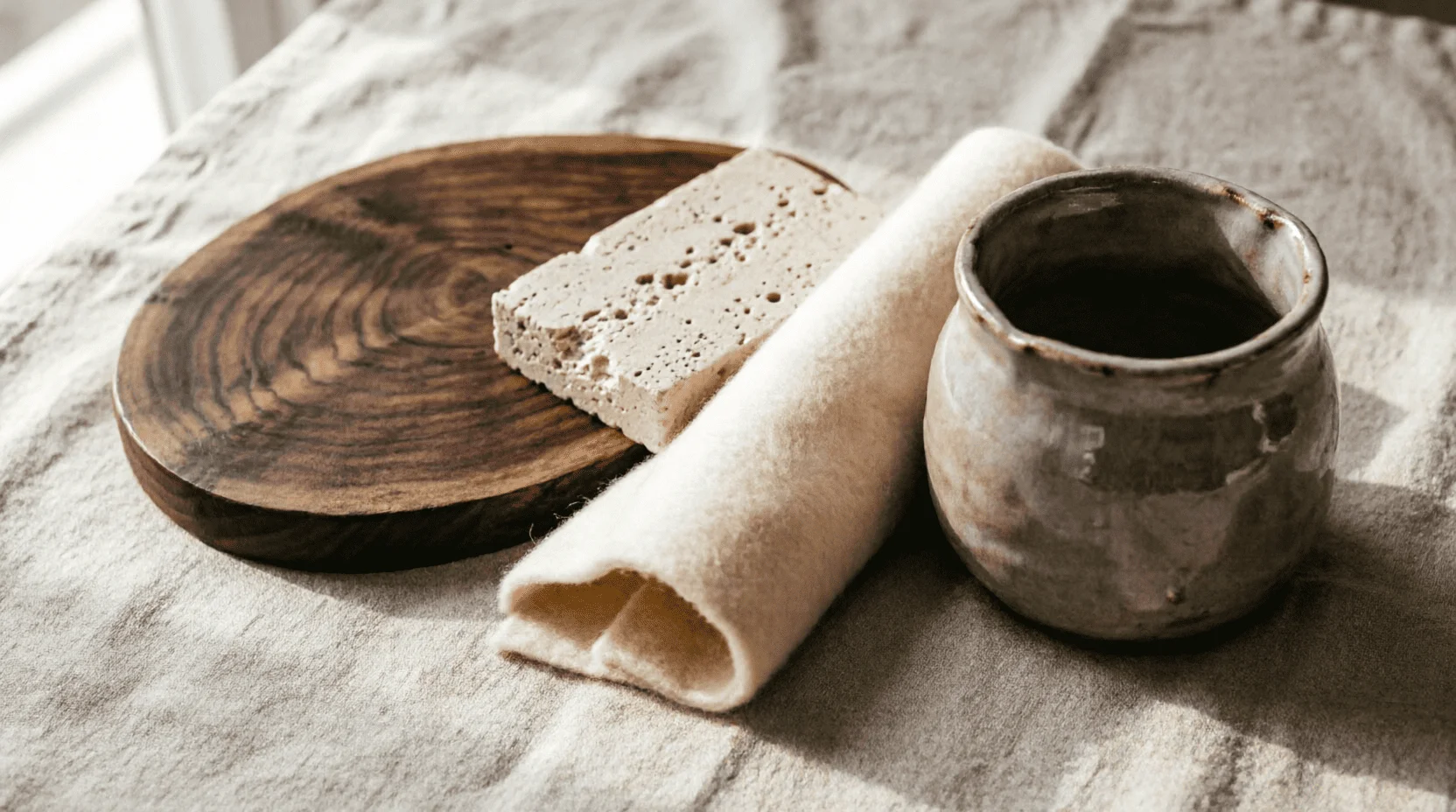
? Stone.Travertine and limestone instead of marble with a flashy vein - matte and tranquil.
Textile.Felt, linen, bouclé: tactility is the new status; guests touch first, then look.
? Ceramics.Large, matte, locally made - supports craftsmanship and gives the interior a story.
6. The Hidden Smart Home: Technologies That Are Out of Sight
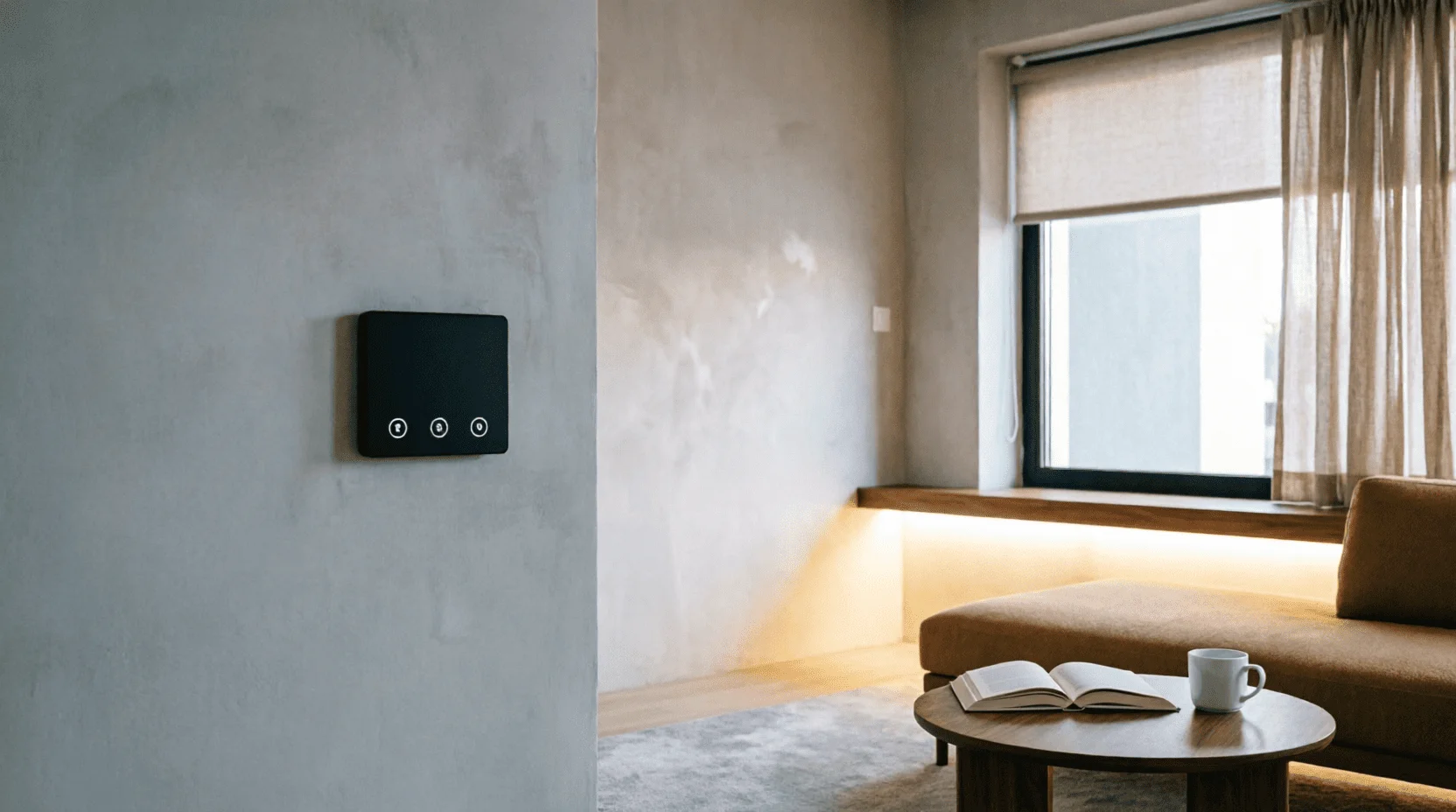
? Lighting scenarios."Morning / Evening / Guests" - one button changes the temperature and brightness of the light; we compiled such scenarios in our article on the smart home.
? Motorized curtains.Waking up at dawn without an alarm clock is the ultimate "quiet luxury" of 2026.
? Acoustics and climate.CO2 and humidity sensors are hidden in the baseboards; comfort is felt, but not seen.
? Enter the topic:from 150 thousand tenge for a basic set (hub + smart lamps + scenarios), without cutting grooves in walls.
7. Biophilic Design: Plants as Architecture
? Large forms.One large plant instead of ten small ones: ficus, monstera, olive tree in a tub.
☀️ Light for plants.Full spectrum track lights over the green area - winter ceases to exist.
? Automatic watering.The drip systems from the smart home article remove the main fear of "I'll ruin it."
8. Vintage and Upcycling: Interiors with a Biography
? One old chairWith new upholstery it gives the room a character that you can't buy in a showroom.
? Upcycling.Soviet sideboard → media console; doors → headboard: workshops repaint and reassemble for 40,000–90,000 tenge.
? Ethics and economy.Second-hand means minus 30–40% of the furniture budget and plus history; plus for the artisans of your city.
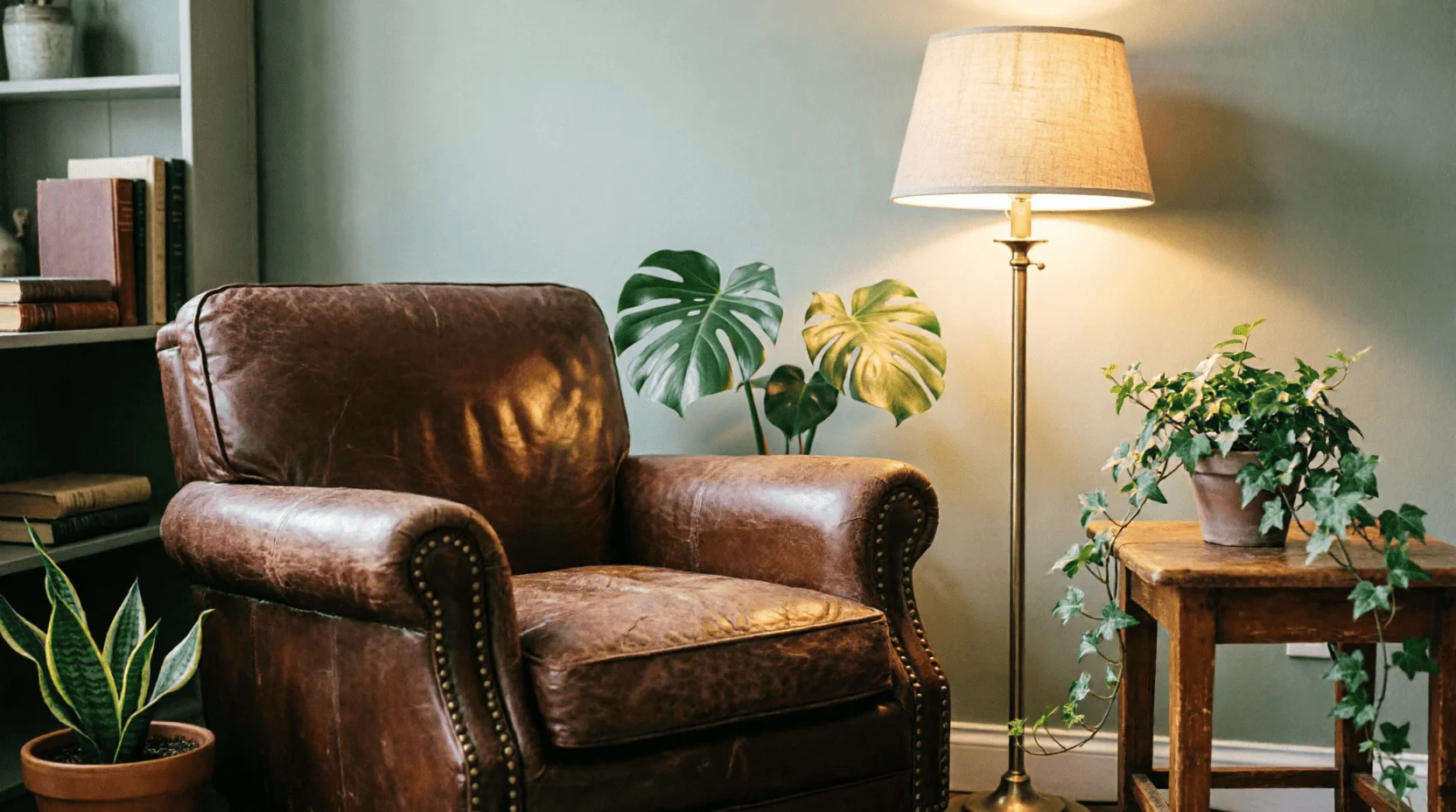
9. Lighting scenarios: a room that changes in a minute
? Three levels of light.Overhead - only for cleaning; work - near the table and chair; atmospheric - floor lamps, ribbons, sconces at a height of 60-120 cm.
? Temperature.2700–3000K in the evening, 4000K in work areas; warm light is half the comfort.
? Scenarios."Movie," "Dinner," "Work"—the smart lamps from the gadget article do it all without maintenance.
10. Anti-trends of 2026: What we're saying goodbye to
❌ Glossy stretch ceilings- glare and "plastic" feel; matte paint or shadow profile.
Gray kitchens without texture- Instagram standard of 2019: add wood and stone.
❌ Total loft with brick- bricks are used in measured doses, only in historical walls.
❌ Palace-style stucco molding- thin moldings or nothing.
❌ Open shelves with visual noise- closed storage, open - only for the beautiful.
11. Budgets: Three interior levels in tenge
? Refresh (100–300 thousand ₸).Textiles, lighting, ceramics, repainting one wall: a room can be transformed in a weekend without renovation.
? Update (1–3 million ₸).Repainting all the walls, replacing some furniture, upcycling, and installing basic smart lighting: the apartment feels new in 3–4 weeks.
? Project (from 5 million ₸).Design project (8–35 thousand tenge/m²), renovation, custom-made furniture, complete smart home: 4–8 months, results lasting a decade.
Rule:40% of the budget - walls and lighting, 30% - furniture, 20% - textiles and decor, 10% - reserve for “oh, I need it.”
12. How to Start Without a Designer: 5 Steps
? A week that changes the room
- Revision and decluttering:Remove 20% of your things and you'll have free space.
- A palette of three colorsaccording to the formula 60/30/10 from what is already there.
- Light:Three levels + warm 2700K lamps - the cheapest magic.
- One accent wall:paint or slats - a focal point instead of four boring walls.
- Three tactile objects:blanket, ceramics, felt - the interior begins to “sound”.
13. Links to other Lemag.kz articles
Neonomadism- cultural code and taste boundaries in detail.
Visual language of the brand- The same logic of palette and rhythm applies if you are making a cafe or a showroom.
Smart home- ready-made lighting and climate scenarios with prices.
Part-time job- Interior niches (upcycling, decor, interior photography) as a source of income for people with an eye for detail.
Result:The 2026 interior is all about warmth, texture, and personal touches, not ostentatious luxury. Start with lighting, palette, and three tactile objects—it's a weekend away and 100,000–200,000 tenge. A neo-Nomad accent on one wall will make your home recognizably yours. Trends come and go, but a home tailored to your lifestyle remains. ?
❓ FAQ
How much does an interior design project cost in Kazakhstan in 2026?
A basic project costs 8,000–15,000 tenge per square meter, while a full project with supervision costs 20,000–35,000 tenge per square meter. For a 70 square meter apartment, that's 560,000–2.5 million tenge. Repairs and furniture are priced separately.
Do you need a designer if your budget is limited?
No: an hour-long consultation (15,000-25,000 tenge) on layout and color palette plus ready-made solutions from the article is sufficient. Layout errors are more expensive than the consultation.
How to add Kazakh code without looking kitsch?
The one-wall, three-piece rule: one accent textile with a pattern, ceramics or handmade felt, and a subtle pattern in a rug. The pattern is an accent, not a backdrop.
What are the base colors for 2026?
Steppe palette: milk, sand, terracotta, ochre, sage + deep graphite for contrast. Formula: 60% background, 30% base, 10% accent.
What goes out of style the fastest in interior design?
Glossy stretch ceilings, gray "Instagram-worthy" kitchens without texture, polyurethane moldings "like a palace," and total loft-style brickwork are the anti-trends of 2026.
Is it possible to implement trends without renovation?
Yes: textiles, lighting, and ceramics can transform a room in a weekend with a budget of 100–200 thousand tenge—pillows, a blanket, a floor lamp with a warm bulb, and large ceramics.
📚 Read also

Neuroaesthetics: How the Brain Perceives Design - From the Golden Ratio to Color Triggers: The Science of Beauty, Perception Psychology, and Practical Application
Why do some designs evoke delight and the desire to share, while others leave us indifferent? Neuroaesthetics is the science of how the brain processes visual information. The Lemag.kz team breaks down fundamental principles: the golden ratio, color triggers, attention patterns, and practical application in design, branding, and art.
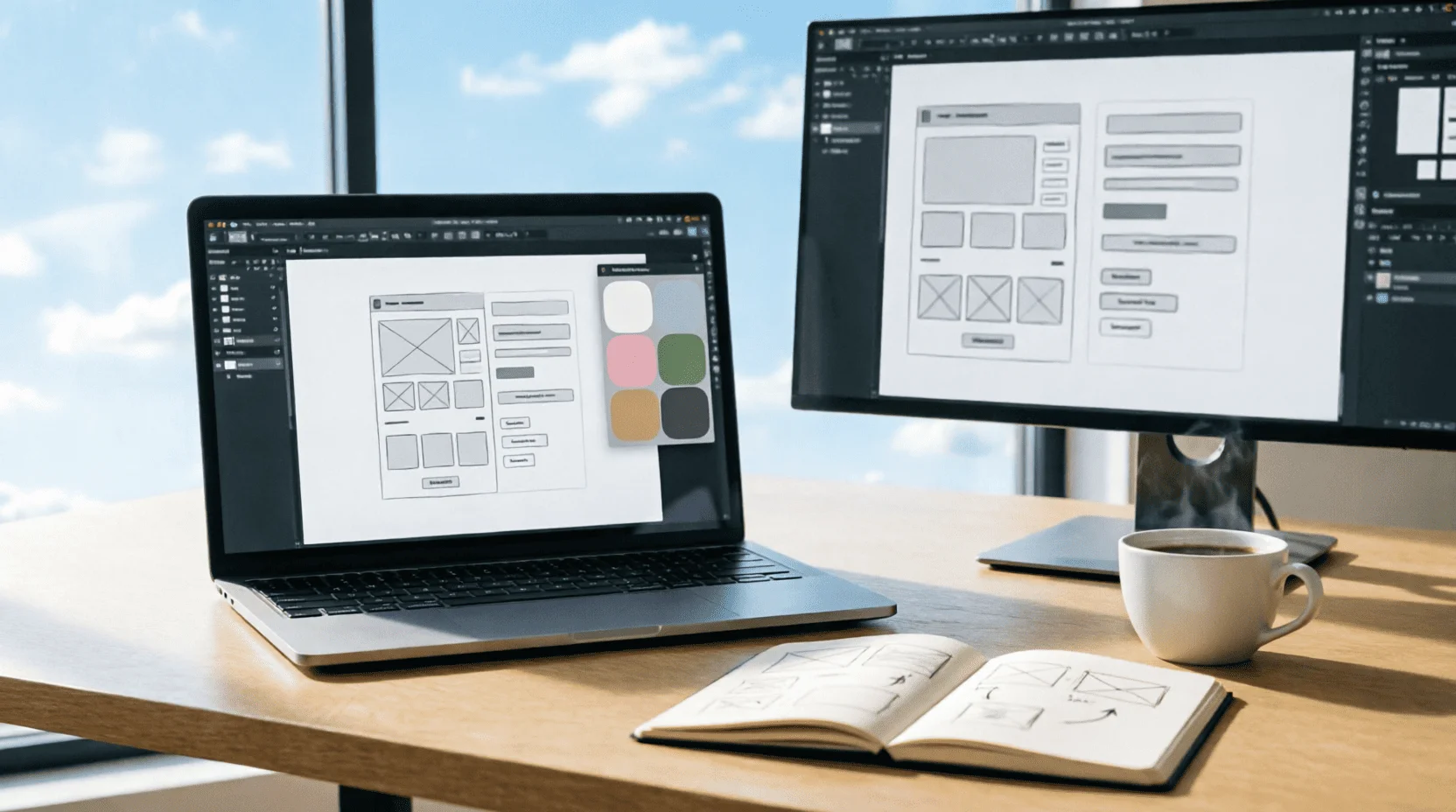
UI/UX-дизайн 2026: как стать востребованным дизайнером интерфейсов - от первого макета в Figma до зарплаты 1 млн тенге: портфолио, профессии, нейросети и вход в индустрию без диплома
UI/UX-дизайн - одна из самых востребованных креативных профессий 2026 года: зарплаты от 400 тысяч до 2 млн тенге, удалённая работа на зарубежные компании и вход без диплома. Команда Lemag.kz разобрала профессию без мифов: инструменты (Figma, AI), портфолио без опыта, зарплаты по уровням, казахстанский рынок и план первых 90 дней - от нуля до первого оплачиваемого проекта.
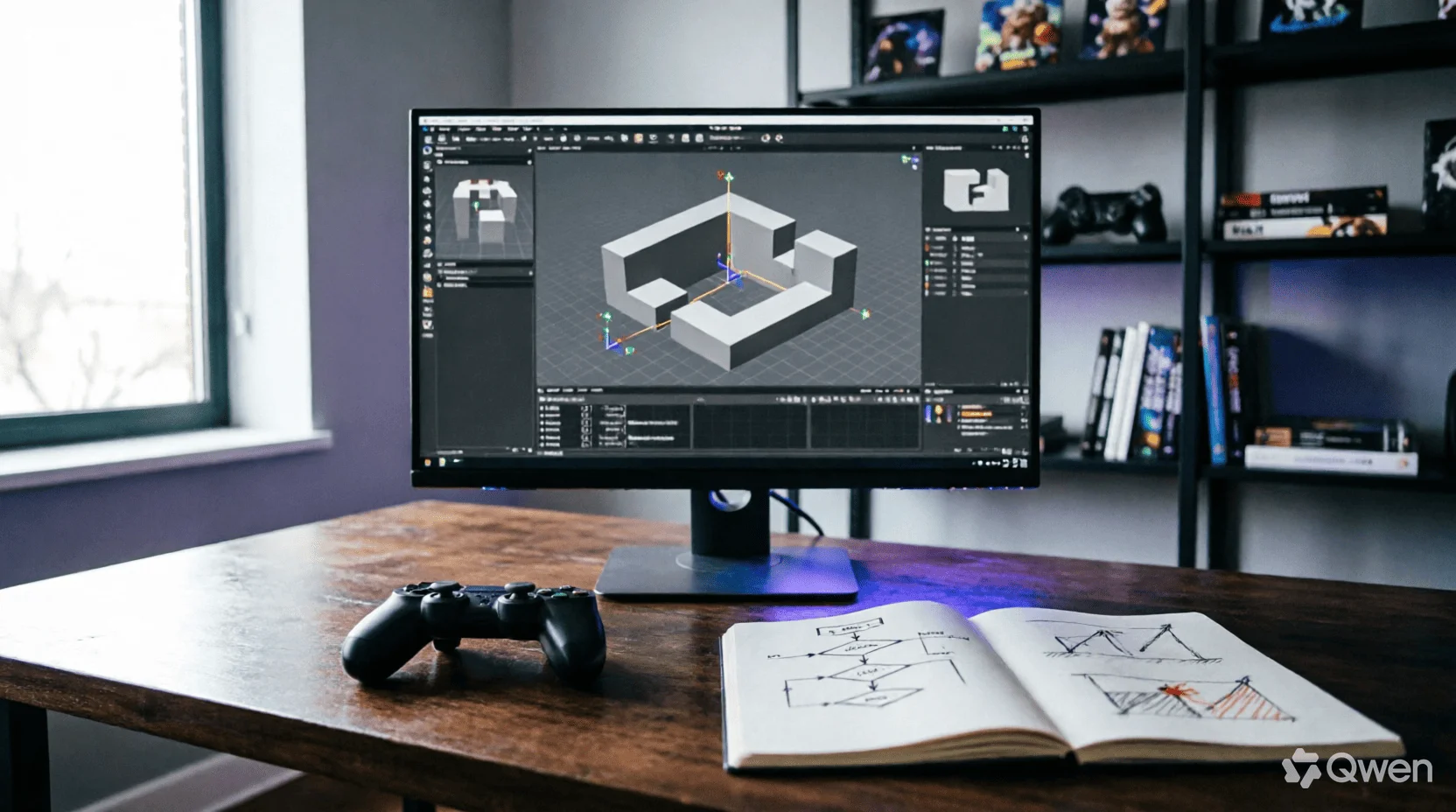
Геймдизайн 2026: как устроена профессия, которая соединяет все искусства - от core-loop до казахского сеттинга: движки, психология игрока, экономика F2P и вход в индустрию без диплома
Игры - единственная среда, где архитектура, музыка, нарратив и психология работают одновременно и подчинены одному решению геймдизайнера: что игрок почувствует в следующую секунду. Команда Lemag.kz разобрала профессию без романтизации: анатомия core-loop, сравнение движков 2026 года, тёмные паттерны монетизации и их этичные альтернативы, казахский сеттинг как конкурентное преимущество и реалистичный план первой игры за 90 дней - без диплома и без иллюзий.
💬 Comments (0)
No comments yet. Be the first!
Leave a comment
Comments are pre-moderated.