
Children's Development Club 2026: How to Open a Studio for Children – From a Home Club to a Network: Formats, Tenge Rate, First Students
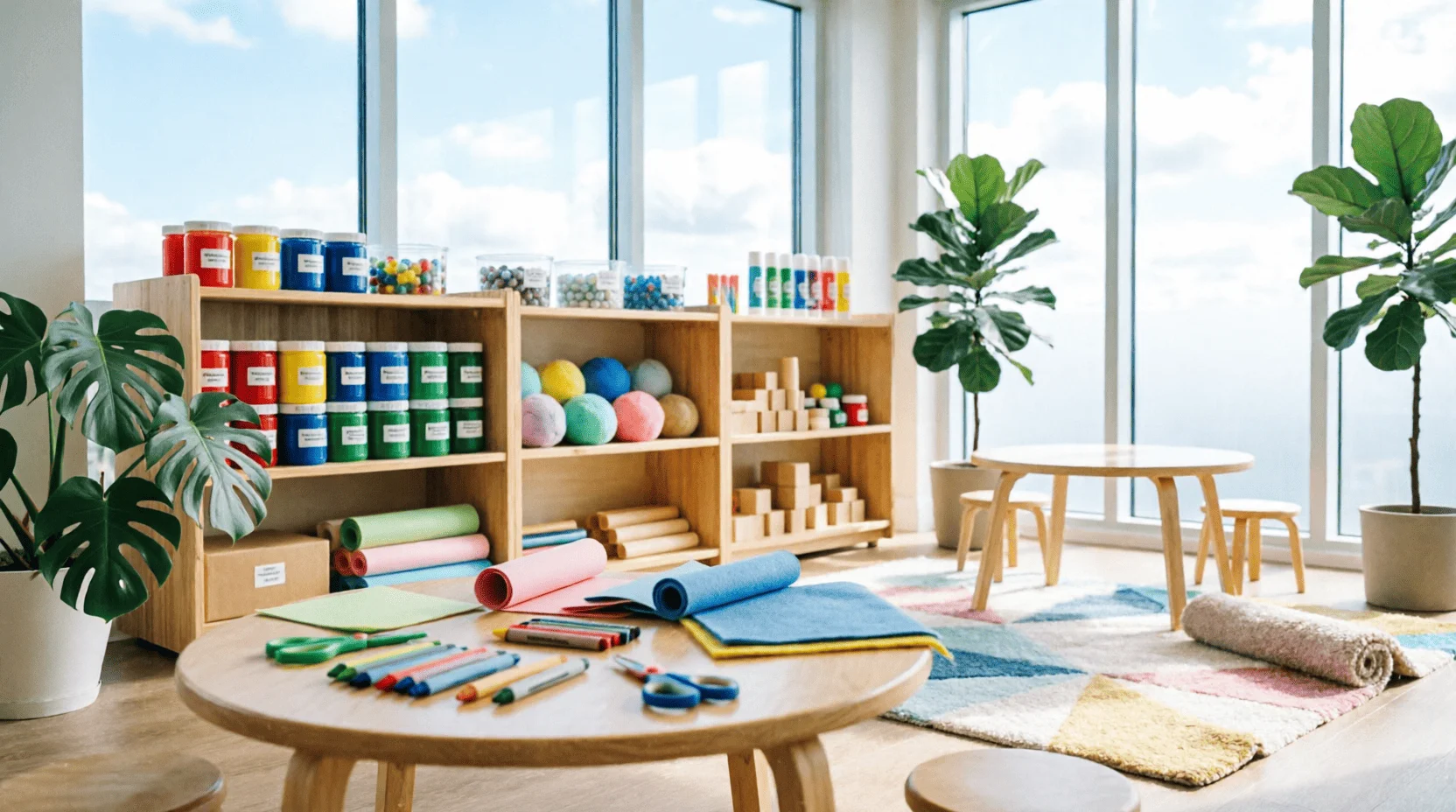
Parents can postpone vacations and new phones, but not their child's development: development studios survive any crisis because they sell not entertainment, but the future. Moreover, the children's club has a membership model that's rare for small businesses: the parent pays a month in advance, and the child returns twice a week for the entire school year.Lemag.kzI calculated the cost of a children's club in tenge—from a home club for six children to a studio with three groups—and put together a plan for the first 90 days without franchise illusions.

1. Why the children's market isn't shrinking
? Conscious spending.Child development is the number one priority in the family budget: cafes and clothing are cut, but not activities.
? Antigadget-demand.Parents are seeking offline alternatives to screens: a live teacher, group, and materials are trumping tablets—a trend we explored in our article on digital detox.
? Subscription model.The child attends for months and years: the cost of attracting a client pays for itself many times over, and the revenue is as predictable as a subscription.
? Shortage of places.Public kindergartens and clubs are overcrowded; private studios are meeting the demand for small groups, convenient hours, and visible results for parents.
A children's club is a business of trust: a parent gives their most precious possessions and pays for peace of mind and visible progress.
2. Map of formats: entry threshold and check
? Preparing for school.A check of 4-7 thousand tenge per lesson; conscious demand from ages 5-6; measurable results (reading, counting) - easier to sell and retain.
? STEM and robotics.Receipt: 5,000–8,000 tenge; construction sets: 30,000–80,000 tenge per group; the "engineering future" segment is the fastest-growing segment among dads.
? Creativity (art, modeling, ceramics for children).The check is 3-5 thousand tenge; a cheap start (materials), beautiful content for Instagram; the result is crafts that people take home and show off.
? Speech therapist and speech.The check is 6-10 thousand tenge for an individual lesson; a shortage of specialists = high margins; requires specialized education for the teacher.
? Soft formats (children's yoga, chess, English).The check is 3-6 thousand tenge; they live well as a second direction in the same premises – the rent is already paid.
Entry rule:One format + one age group (for example, preparing 5-7 year olds in three levels); scattering it across five areas destroys the schedule and quality.
3. Home Circle Economics: Testing Demand for 100,000
? Format.6 children, 2 lessons per week, 60–90 minutes each, at your home or in the residential complex coworking space; check 3,500–4,500 tenge.
? Month:6 children x 8 lessons x 4,000 ₸ =192,000 tenge in revenue; materials and taxes - 20-25%; net140–150 thousand ₸without rent.
? Why is this necessary?A home club isn't a business, but an experiment: over two to three months, you test the format, gather feedback, and determine whether people will come to the studio. The cost of the experiment is materials and time.
⚠️ Border.You can't raise more than 6-8 children at home, and you can't build a brand: as soon as the waiting list exceeds the group, it's time to look for a place.
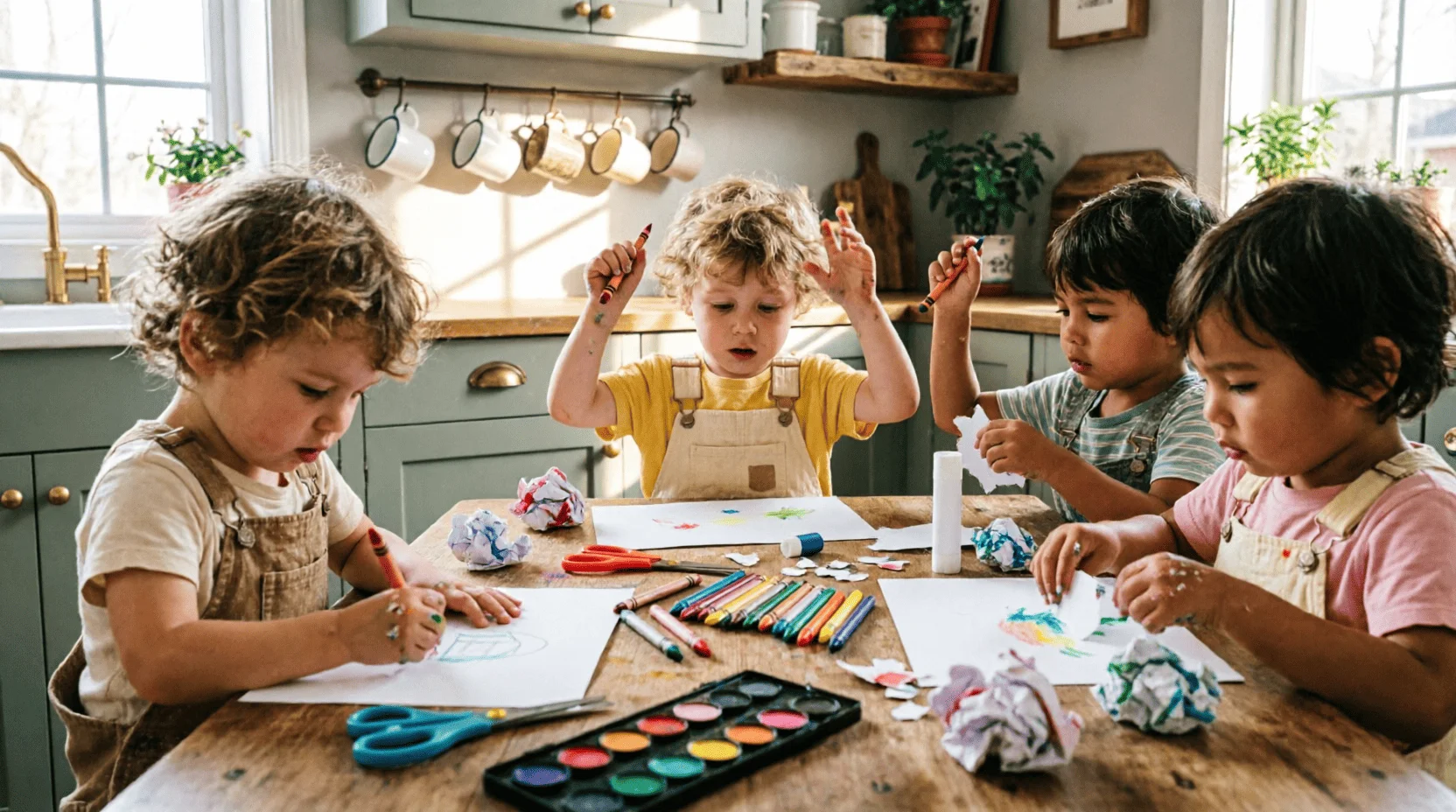
4. Studio: premises, safety, atmosphere
? Footage.40–70 m² for one or two groups: a classroom, a waiting area for parents, a bathroom with a children's sink; a ground floor or separate entrance – a plus for traffic and a minus for complaints from neighbors.
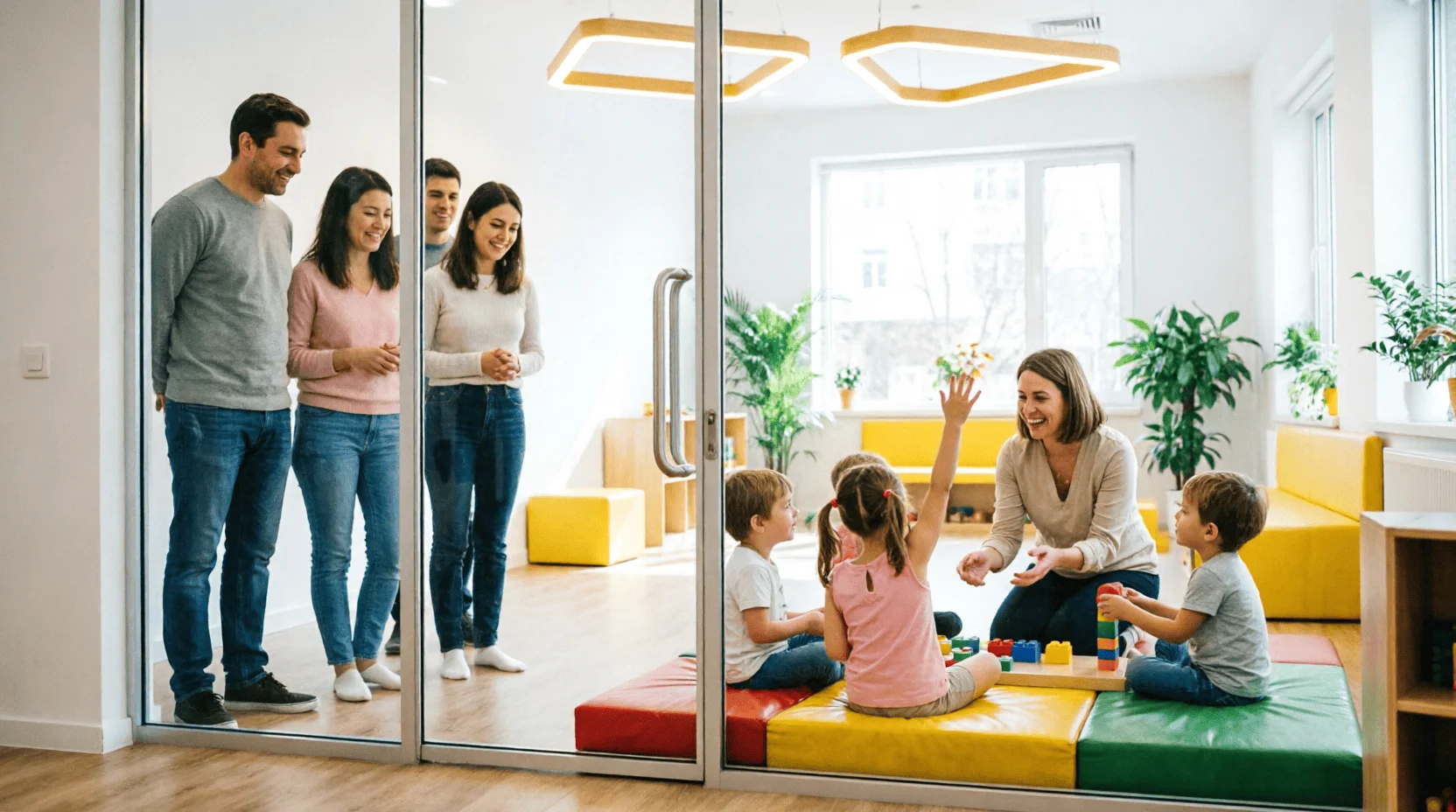
? Safety is a product.Electrical outlets are covered, corners are rounded, materials are certified, and an instruction log is provided. A parent must be able to see safety within the first 30 seconds.
? The atmosphere sells.Light, color, shelves with children's work at eye level: the studio's interior is the main selling point for parents; we discussed the space's design in our article on interiors.
? Rent 2026.Almaty/Astana: 250,000–450,000 tenge/month for 50–60 m² in a residential area; regional centers: 120,000–250,000 tenge; residential areas with new residential complexes are more profitable than the city center in terms of conversion to a season ticket.
5. Methodology: own, franchise or hybrid
? Franchise.Entry fee: 2–5 million tenge + 5–10% royalty: provides methodology, branding, training, and CRM; downside: a ceiling on freedom and lifetime payments from each group.
? Own method.It's made up of open programs, advanced courses, and experience: cheaper and more flexible, but the first six months are spent testing out lesson plans.
? Hybrid recommendation.Start with your own methodology using purchased lesson plans and manuals (30,000–80,000 tenge per set of instructions); consider franchising only for a second city where the brand is needed without your presence.
? Lesson plan as a product.Beginning ritual → warm-up → core with results → reflection → "what to show the parent": the last 5 minutes with a demonstration of the result keep the subscription stronger than any promises.

6. Educators: Hiring, Growing, and Retaining
?? Profile.A pedagogical or specialized education plus a love for children is more important than an honors degree; a trial lesson with other people's children weeds out half the candidates better than an interview.
? Payment.30–40% of the group's gross salary plus a fixed fee for opening/closing the shift; a strong teacher earns 250–450 thousand tenge on the percentage and doesn't leave for competitors for the fixed fee.
? The manual protects business.Lesson plans, client base, and schedule belong to the studio, not the teacher: a staff member's departure does not disrupt the group if the parent pays the studio, not the individual.
? Growth from within.Teaching assistant → teacher → senior teaching methodologist: the internal ladder is cheaper than external hiring and maintains a team.
7. First Students: Channels that work with mothers
Chat of your residential complex.A post in the building's chat room and on the building's bulletin board, "Opening a studio in your yard, free trial lesson," says "I'm going to give you a studio in your yard. The conversion rate of neighborly trust is higher than any advertising."
? Trial lesson.Free entry with mandatory registration and a demonstration of results at the end: 40–60% of trial participants convert into a subscription with a good lesson plan.
? Partnerships.Private kindergartens, schools, children's stores, and cafes: reciprocal certificates and open lessons on their premises; the audience is warm, the budget is zero.
? Instagram showcase.Videos of the process (hands, materials, emotions), children's work, and mothers' voice-overs; three posts a week keep the demand high year-round.
? 2GIS and maps.A card with a studio photo, schedule, and booking button: 15–25% of new parents come from cards.
8. Subscriptions, freezes, and makeup: the financial mechanics of trust
? Subscription for 8 classes.Payment in advance = cash flow and a commitment to attend; one-time visits are 30–40% more expensive to make the membership a competitive price.
❄️ Freezing and processing.A child's illness is no excuse to lose money: two freezes and one work-off per month are included in the subscription; strict rules "burn out" and destroy trust faster than the money is worth.
? Family packages.Second child -20%: the family becomes an anchor client for years.
? Studio metrics.Group occupancy (target 85%+), membership renewal (target 75%+), student acquisition cost, family LTV: four digits instead of feelings.
9. Seasonality: September feeds the year
? Peaks.September (recruitment), January (second wave after the holidays), May (intensive courses before summer).
? Failure.June–August: The season closes with five-day day camps (40,000–70,000 tenge per week), outdoor formats, and the sale of autumn passes in May with an early booking discount.
? Early booking.September seats are on sale in May with a 15% discount: cash in the summer and guaranteed availability in the fall.
10. Documents and Security: The Boring Thing That Saves Business
? Form.Individual entrepreneur with OKED (National Classification of Educational Activities) for additional education; agreement with parent: schedule, payment, payment freezes, and responsibilities of the parties; consent for photos/videos for social media – a separate line.
? Sanitation and firefighters.Requirements for space, ventilation, decoration, and evacuation are mandatory for children's spaces; medical records for staff are the norm, not an option.
⚠️ Boundary of responsibility.Child pickup and drop-off is limited to a parent or authorized person listed; a signed attendance log is a safeguard in any dispute.
Disclaimer.Requirements are changing: before opening, check the current regulations of the Ministry of Education and Science and local authorities for your type of business.
11. Scaling: second group → second point → network
➕ Second group.Added to the same premises at a different time or age: same rent, revenue +60–80%.
? Second point.Opens when the first one maintains 85%+ occupancy for three months and there is a senior teacher-methodologist who will replace you in the hall.
? Online line.Homework and online mini-lessons as a supplement to the subscription (not a replacement): keeps families engaged during holidays and illnesses.
? Franchise in reverse.The packaged manual, brand book, and CRM are sold as a franchise to other cities: royalties of 5–10% per point, without your capital.
12. Mistakes that close children's studios
? Dumping of trial and subscription tickets.A cheap check attracts families who move on to the next discount; trust and results sell for more than the price.
?? Focus on one star teacher.The departure of a star takes away the groups: the methodology and the basis are in the studio, not in the employee’s head.
Schedule without reservation.Zero free slots = zero flexibility in case of teacher illnesses and new requests.
? Savings on safety and materials.One incident or allergy due to uncertified materials can ruin a reputation forever.
? Studio without content.Parents choose with their eyes: a studio without video lessons is invisible, no matter how powerful the methodology.
13. 90-Day Plan: From Idea to First Group
? Twelve weeks
- Weeks 1–2.Selecting the format and age; talking to 15 parents of your residential complex; calculating the group's economics.
- Weeks 3–5.Methodological guidelines and lesson plans; registering as a sole proprietor; searching for premises or deciding to start at home.
- Weeks 6–8.Trial lessons for 10–15 children (at home/at a partner kindergarten); collecting feedback and videos; launching an Instagram account and a 2GIS card.
- Weeks 9–12.First subscription for 6-8 children; contract and online registration; renewal metrics; studio rental decision with a waiting list.
14. Links to other Lemag.kz articles
? Digital Detox- An offline studio as a conscious alternative to screens: the main selling point for parents.
? Financial literacy- season tickets as predictable revenue and a cash reserve for the summer downturn.
? Management- Hiring and retaining teachers: percentage, methodology and internal ladder.
? Interior design- Studio space as the main argument in a parent's tour.
Result:The 2026 children's development club is a trust-based business with subscription-based math: the parent pays upfront, the child returns twice a week, and the studio grows in batches, not in leaps and bounds. Start with a home club as an experiment for 100,000 tenge, develop the lesson plan into a ritual with visible results, maintain security as a showcase, and count renewals instead of revenue—and in a year, you won't have a "club based on mood," but a studio with a waiting list and a September that feeds you all year. ?
❓ FAQ
Do you need a license for a children's development club?
Individual lessons and consultations generally do not require a license; group educational activities are governed by the rules for educational institutions—before starting, check the current requirements of the Ministry of Education and Science and local authorities for your form (individual entrepreneur with OKED for additional education); sanitary and fire safety requirements for the premises are always mandatory.
How much does it cost to open a children's studio?
A home club costs 100,000–300,000 tenge (materials, manuals, advertising); a studio with rent and renovations costs 1.5–4 million tenge; a franchise of a well-known brand costs 2–5 million tenge with a 5–10% royalty.
Which format is the most profitable?
School preparation and STEM/robotics: high fees (5,000–8,000 tenge per lesson) and parents' perceived demand for "pre-school results"; creative formats are cheaper to start with, but the fees are lower.
How much does a kids' club earn?
A group of 8 children x 8 lessons per month x 5,000 tenge = 320,000 tenge in revenue per group; three groups in a studio – about 1 million tenge in revenue; net after rent and teachers – 25–35%.
How to find your first students without a budget?
Free trial classes in your residential complex (home chat, bulletin board), partnerships with private kindergartens and schools, Instagram with videos of classes and mothers' reviews; word of mouth in parent chats is more powerful than any advertising.
Teachers: hire or lead yourself?
For the first 2-3 months, run the group yourself—you'll understand the methodology and audience; then, hire at 30-40% of the group's gross plus a fixed opening/closing fee. The main risk is the loss of a teacher and a group; this can be addressed with the owner's methodology and client base.
What to do in the summer when the groups break up?
Five-day day camps (40,000–70,000 tenge per week), intensive courses, and outdoor formats; summer camps fill the gap and bring in the fall enrollment.
📚 Read also
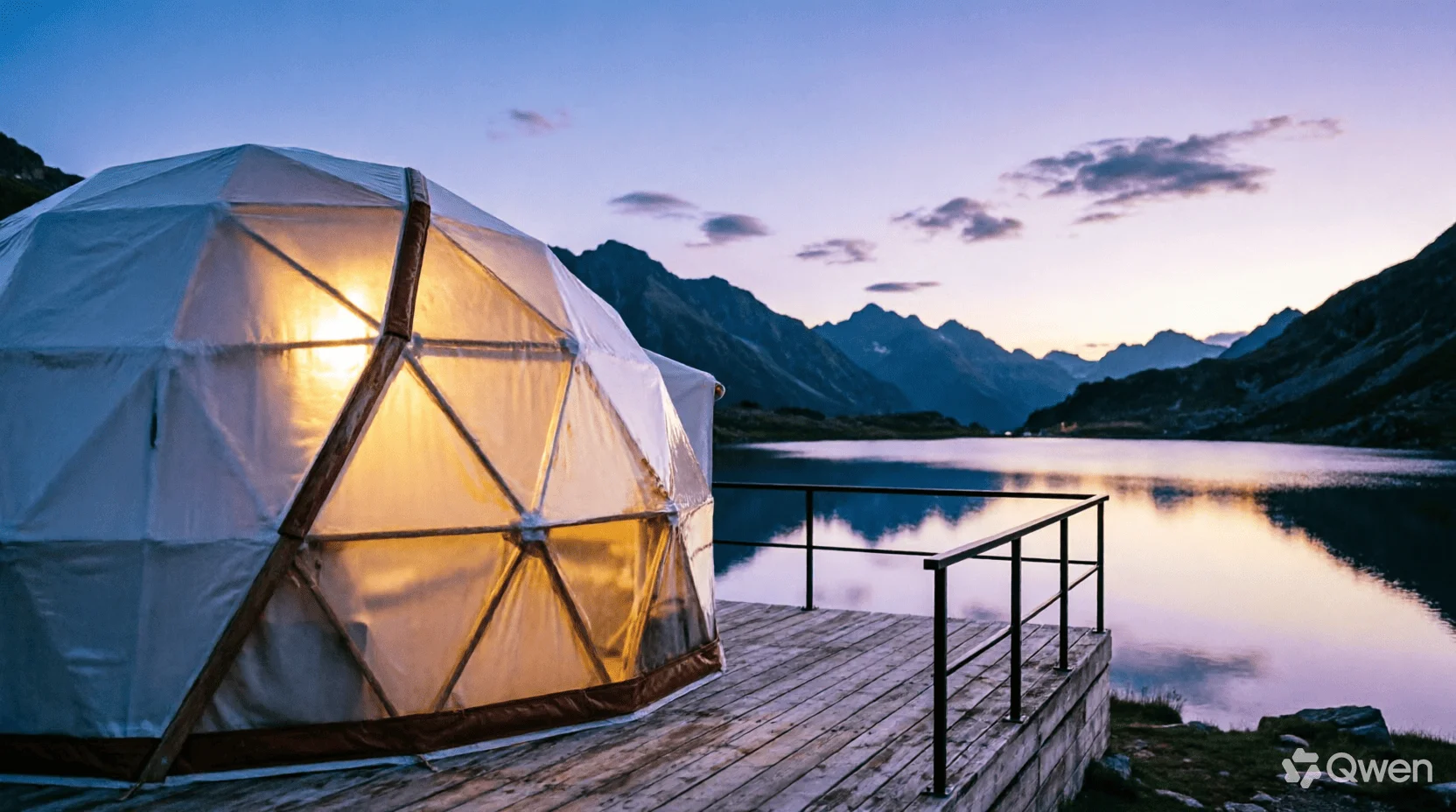
Глэмпинг-бизнес 2026: как построить эко-курорт в Казахстане - от купола до загрузки 80%: экономика ночи, локации, сезонность и господдержка
Внутренний туризм Казахстана растёт двузначными темпами, а гости хотят природу без палаточного аскетизма: кровать, панорамное окно и душ в пяти метрах от озера. Команда Lemag.kz посчитала глэмпинг по-честному: цены модулей и инфраструктуры в тенге, экономика одной ночи, календарь сезонности с зимними сценариями, документы на землю и план первого сезона - от выбора локации до первых отзывов.
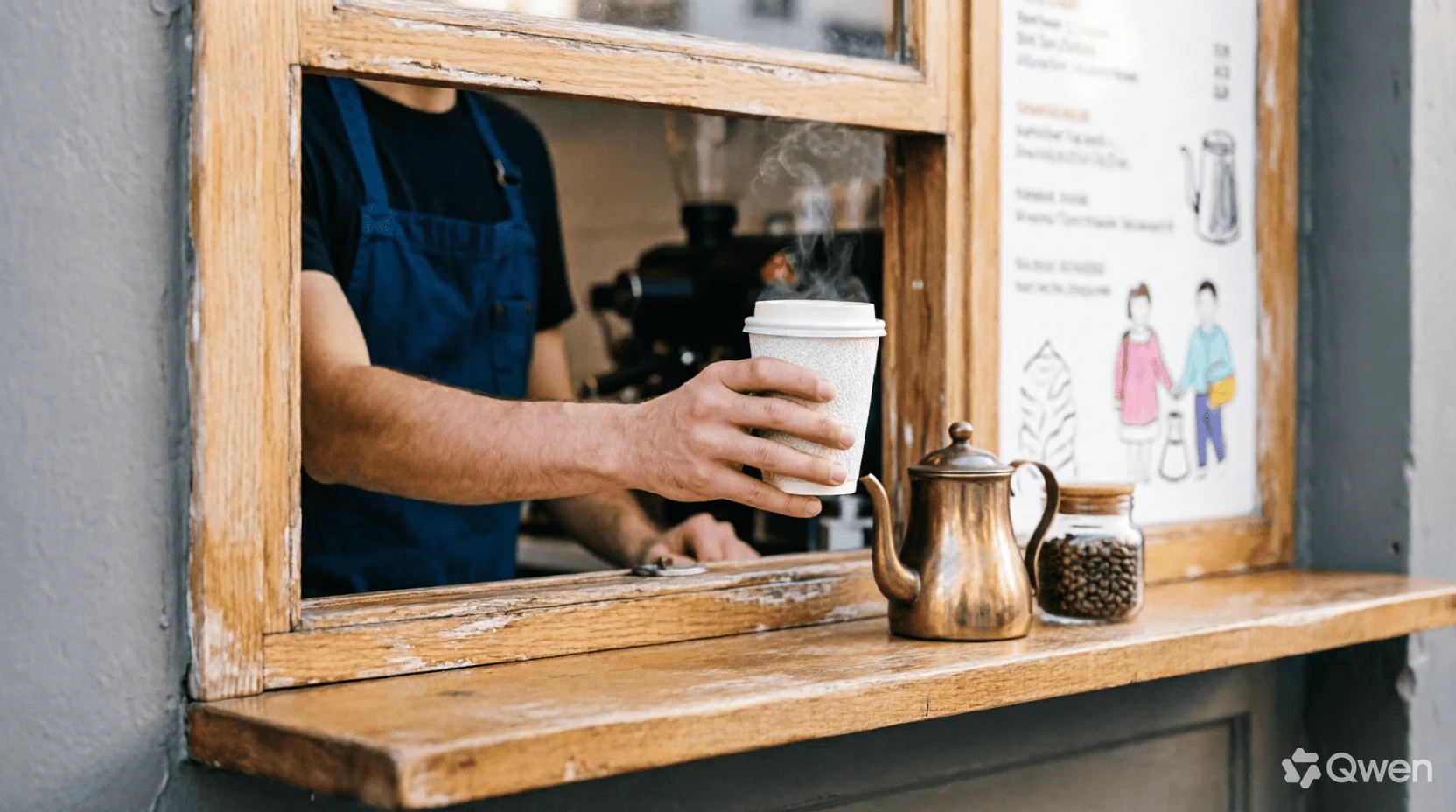
Кофейный бизнес 2026: точка кофе с собой - экономика одной чашки, локация, оборудование и путь от острова до обжарки
Казахстан переживает кофейный бум: стаканчик по пути на работу стал городской привычкой, а точка с собой - самым доступным входом в общепит с маржой выше ресторанной. Команда Lemag.kz разложила бизнес по статьям: себестоимость чашки в тенге, аренда по типам локаций, новое и б/у оборудование, безубыточность в чашках и ловушки, на которых сгорают первые точки.

Куда инвестировать деньги в 2026–2027 году казахстанцам?
Казахстанцы год за годом мечутся между депозитом, долларом, квартирой и биржей — и 2026-й перевернул все привычные ставки на голову. Тенге вместо ожидаемого падения укрепился почти на 14%, индекс KASE обогнал S&P 500, а недвижимость, которую считали вечным активом, забуксовала. Разбираю на цифрах Нацбанка, KASE и рыночных аналитиков, что происходит с депозитами, валютой, акциями и жильём в 2026–2027 году — и почему единственная рабочая стратегия сейчас не ставить всё на одну лошадь.
💬 Comments (0)
No comments yet. Be the first!
Leave a comment
Comments are pre-moderated.