
Meal Prep business in Kazakhstan 2026: from home cooking to own dark kitchen - cost calculation, SanPiN, marketing and payback
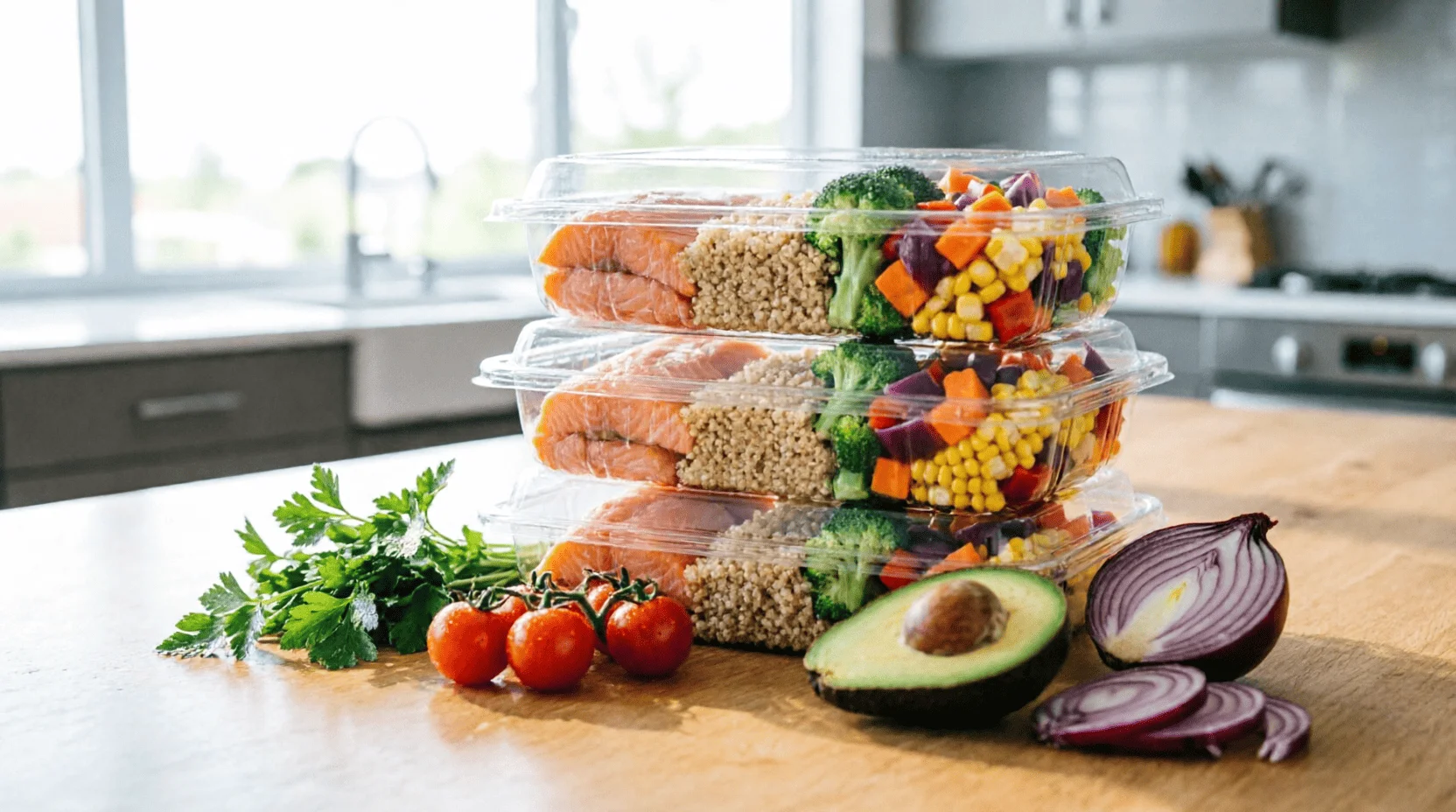
The market for the delivery of ready-made healthy rations (meal prep) in Kazakhstan is growing by 25–30% annually. In Almaty and Astana, people are increasingly willing to pay 60–100 thousand tenge a month for not thinking about cooking and counting calories. However, 70% of culinary startups close in the first year. The reason is not the taste of food, but in mathematics: errors in calculating the cost, chaotic logistics and ignoring SanPiN. TeamLemag.kzdismantled the economy of this business to tenge: from the home test of the niche to the opening of a full-fledged dark kitchen.
1. Why meal prep: four growth drivers in 2026
saves the time. Preparing a balanced meal for a week takes 5–7 hours. The customer does not buy food, but free time.
? Growth of healthy lifestyle culture.Conscious consumption, KBJU counting and weight control have become mainstream rather than a niche trend.
? Corporate demand.Companies order rations for employees as part of the social package (lunches to the office), providing the business with a stable cash flow.
Subscriptions ModulePrepayment for a week or a month in advance gives the business working capital before the purchase of products and projected demand.
Meal prep is not a restaurant. This is a production business with elements of IT (taking orders through a website/bot) and logistics.
2. Launch formats: from hobby to system
? Level 1: Home cooking (Niche test).
- Size:10–20 rations per day.
- Investments:300–500 thousand ₸.
- Advantages:Zero rentals, fast demand check.
- Disadvantages:Legal risks, volume limitation, difficult to scale.
? Level 2: Shop Lease/ Dark Kitchen.
- Size:50–150 rations per day.
- Investments:- $3-5 mln.
- Advantages:Legality, ability to work with legal entities, scalability.
- Disadvantages:Rent, salary fund, strict control of spp.
? Level 3: Deductible.
- Contl'ibution:₸2–4 million + royalties of 5–7%.
- Advantages:Ready-made menu, brand, flow charts.
- Disadvantages:Dependence on the parent company, strict standards.
Rule:Start with Level 1 for 1 month to work out the menu and logistics. If demand is stable, go to Level 2.
3. Legal issues and SanPiN: how not to get a fine
Working "in black" in a home kitchen with a volume of 20+ orders per day is a risk of a fine of up to 100 MCI and closure.
? Stages of legalization:
- Registration of individual entrepreneur statusNACE code: 56290 "Activities of public catering enterprises for delivery". Simplified (3%).
- PremisesSeparate non-residential space (not an apartment!). Requirements: washable walls and floor, supply and exhaust ventilation, separation of zones (raw and finished products), availability of a bathroom for personnel.
- Medical books.Compulsory for everyone who touches the products.
- DeclaringA process flow chart (TTK) and a Declaration of Conformity (can be made through certification centers, ~ ₸30–50 thousand per line) should be developed for each dish.
- Marking.On each container: name, composition, KBZHU, date and time of production, shelf life, contacts.
4. Unit-economy: we calculate the cost of up to a gram
The main mistake of beginners is to count only the cost of products. The real FoodCost must be35–45from Sale price
? Example of a flow chart (Lunch: 500 kcal):
| Ингредиент | Вес (г) | Цена за кг | Себестоимость (₸) |
|---|---|---|---|
| Филе индейки | 120 | 2 200 | 264 |
| Киноа/Рис | 60 | 800 | 48 |
| Овощи (микс) | 100 | 600 | 60 |
| Соус/Масло | 15 | 3 000 | 45 |
| Специи/Упаковка | - | - | 180 |
| Итого фудкост | 597 ₸ |
? Structure of the diet price (when selling for ₸2,500):
- Foodcost (groceries + packaging): ₸600 (24%)
- Work as a cook (piece work): ₸300 (12%)
- Logistics & Shipping: ₸400 (16%)
- Marketing & Advertising: ₸250 (10%)
- Rent and communal: ₸200 (8%)
- Taxes and contingencies: ₸150 (6%)
- Profit margin:600 <ph x="1"/>24
If your foodcost exceeds 45%, you are operating at a loss on any discount or promotion.
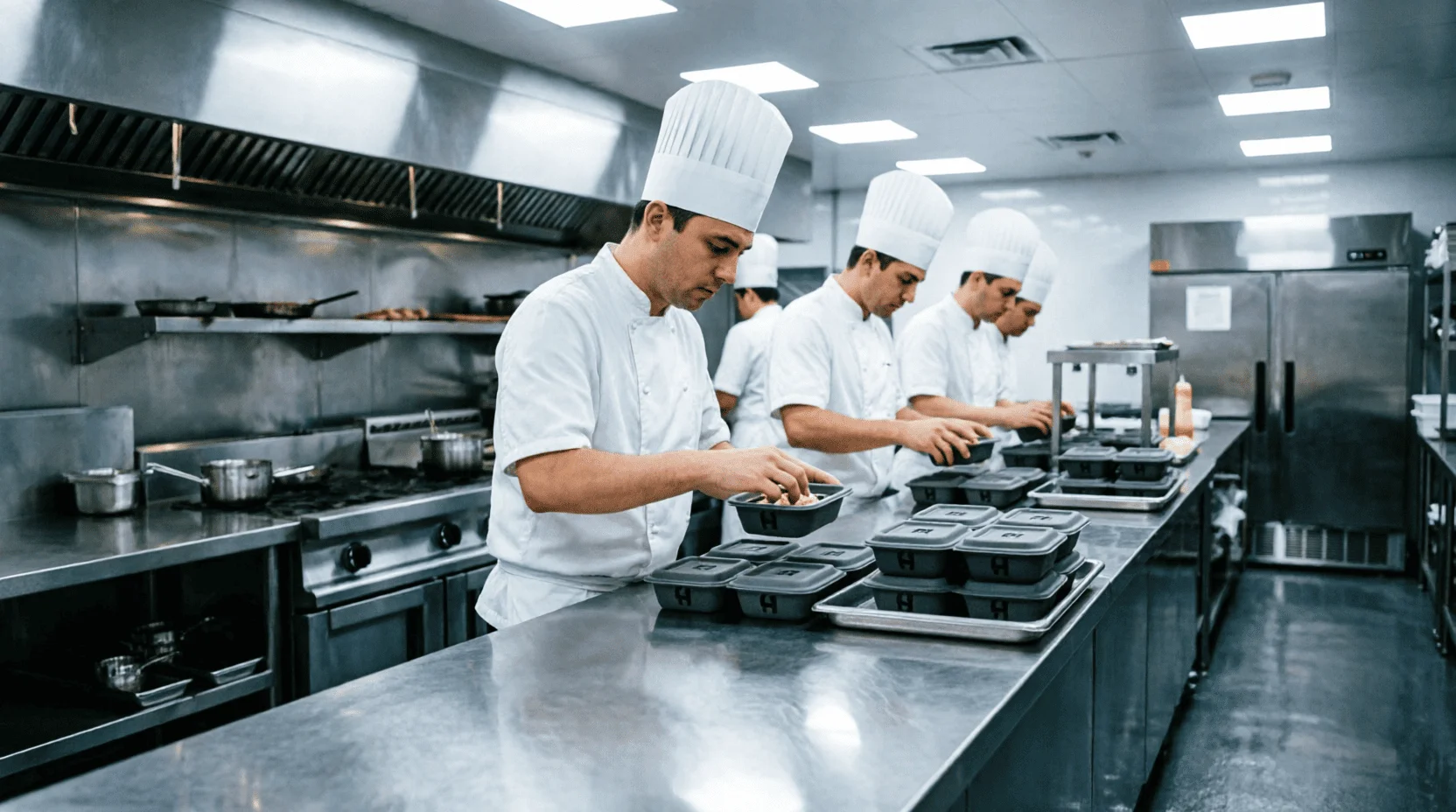
5. Menu and purchases: where to save money without losing quality
Menu ? principles:
- Seasonality.In winter, more root vegetables and stews (cheaper), in summer — more salads.
- Cross-use.The same ingredient (e.g. quinoa or chicken fillet) should be used in 3–4 different dishes to minimize write-offs.
- Freeze. Blanks (broths, sauces, chopped meat) save up to 30% of the cook's time.
? Where to buy in Kazakhstan:
- meat/poultryWholesale bases (for example, Almatykil or direct contracts with poultry farms) with a volume of 50 kg/week.
- Vegetables:Wholesale markets (early morning) or direct contracts with farmers in Almaty/Zhambyl oblasts.
- Package:Order in batches of 1000 pcs. directly from manufacturers or large distributors (this reduces the price of the container from 250 to 150₸).
6. Packaging: this is your main advertisement
The customer evaluates the food according to the packaging. It should be:
- Sealed.No leaked sauces in the courier's bag.
- Microwave.The container must withstand heating without the release of harmful substances (marking PP-5).
- Branded.Craft sleeve, logo, sticker with KBZHU and client's name. This provokes a story on Instagram (free marketing).
Packaging budget:₸150–250 per ration (container, gravy bowl, sticker, bag).
7. Marketing and sales: how to find 50 loyal customers
<g id="1">Targeted ads</g> Instagram/Facebook: Creatives: "Tired of cooking after work?", "Lose weight by summer without hunger." Geo: 3–5 km radius from your kitchen or target business centers.
? Partnership with fitness trainers.Offer the trainer 15–20% of each referred client. It is beneficial for the coach to recommend you, as this helps his clients achieve their goals.
? Corporate Sales (B2B).The most stable channel. Prepare a commercial offer with a tasting set (3–5 rations) and send it to HR managers of companies in business centers. One office for 20 people = 100 rations per week guaranteed.
Content MarketingTikTok and Reels with the process of purchasing fresh food, beautiful container assembly and honest reviews. People buy from people.
8. Logistics: The Biggest Business Bottleneck
Food must be delivered at a strictly stipulated time (for example, from 7:00 to 9:00 in the morning for the whole day, or by 12:00 for lunch). 30 minutes late = bad customer experience.
Delivery options:
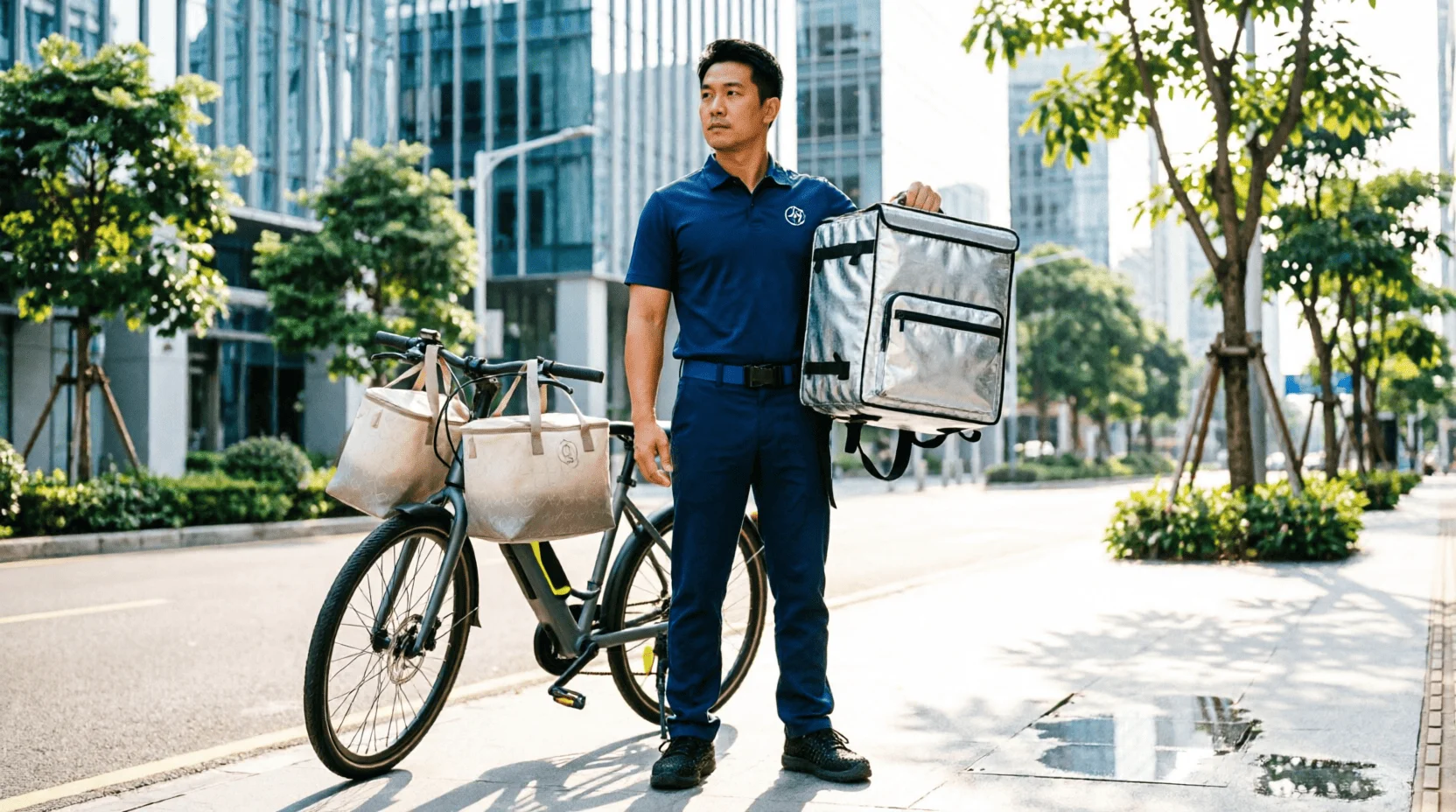
- Your courier.It is advantageous when the density of orders is in the same area. Salary: salary 100 thousand ₸ + 200₸ for delivery. Plus: full control. Minus: downtime.
- Outsourcing (Yandex.Go, inDrive Delivery).Payment for each point. Profitable at the start or for one-time orders. Minus: higher cost, no control over the appearance of the courier.
- Hybrid ModelYour courier for the morning delivery of subscriptions, aggregators for evening or one-time additional orders.
Important:Use quality insulated bags. Keep food warm in summer and cool in winter.
9. Scaling: 20 to 100 rations per day
When you hit the ceiling of the home kitchen, the algorithm for moving to a new level looks like this:
- Data analysisIdentify 3–5 of the most popular and marginal dishes. Remove unpopular items from the menu, even if they are “tasty”.
- Hiring the first cook.Free up your time for management, marketing and quality control.
- Search for premises.Rent of a small workshop (40–60 m²) in the industrial area or on the ground floor (not in the residential fund!) with the possibility of coordination with the SES.
- CRM implementation.Switching from WhatsApp orders to a website or Telegram bot with automatic accounting of balances and the formation of a list of purchases.
10. Mistakes that kill the food business
? Ignoring charges.If you have prepared 50 rations and sold 40, 10 go into minus. Solution: work only on pre-order (until 20:00 of the previous day) or freeze surplus.
? Chaotic logistics.The courier is delivering one order across the city. Solution: clear delivery zoning and a minimum order amount for free delivery.
Unstable qualityToday is delicious, tomorrow is over-salted. Solution: strict TTK with indication of weight up to a gram and control of each batch before packaging.
? Lack of feedback.The client is dissatisfied, but is silent and simply unsubscribes. Solution: Automatic WhatsApp message the next day: “How was lunch? Score from 1 to 5".
11. Launch plan for 90 days
? Weeks 1–2: Preparation.
- Menu development for 2 weeks (5 options for each day).
- Calculation of TTK and foodcost.
- Purchase of the first batch of packaging and trial products.
- Creating Instagram and a simple website/bot for taking orders.
? Weeks 3–4: Test run.
- Preparation of 10–15 rations per day for friends, acquaintances and first clients according to the target.
- Debugging of logistics and packaging.
- Collecting first reviews and adjusting tastes.
? Weeks 5–8: Payback period.
- Increase in volume up to 25–30 rations per day.
- Barter connection with 3–5 fitness trainers.
- Optimization of procurement (transition to wholesale prices).
? Weeks 9–12: Systematization.
- Output for 40–50 stable orders per day.
- Hiring an assistant in the kitchen or a courier.
- Registration of individual entrepreneurs and beginning of work with legal entities (office lunches).
12. Link with other articles of Lemag.kz
? Cleaning business— the principles of checklists and quality control in the kitchen are identical to the cleaning standards. Financial Literacy— cash flow control, calculation of food-cost and break-even points. Personal brand— the founder, who shows his cuisine and philosophy in social networks, sells twice as much as "anonymous delivery". ? AI under repair— using neural networks to create beautiful photo menus and descriptions of dishes.
Summary:The business of delivering healthy food in 2026 is not about "I know how to cook deliciously." This is about the system: strict cost calculation, impeccable logistics, legality and constant contact with the client. Start with 10 rations per day, work out the process to automatism, fix the margin at 25% and scale through corporate contracts — and in a year you will have a stable business with a profit of 1 million tenge per month. ?
🤝 Partner picks
Ad · partner links❓ FAQ
How much money do I need to start delivering rations?
Home start (10–20 rations/day): 300–500 thousand ₸ (food, packaging, advertising). Own dark kitchen (50–100 rations/day): ₸3–5 million (equipment, rent, deposit, certification).
What is the real cost of one ration?
Fodkost (products + packaging) should be 35–45% of the sale price. At a ration price of ₸2,500, the cost price should be ₸875-1,125. If higher, the business is unprofitable.
Do I need a SES permit for home cooking?
Officially, a separate room corresponding to SanPiN (washable surfaces, stream separation, medical books) is required for commercial activities. Working from home is only suitable for niche test or close circle sales.
How to find the first customers without a large budget?
Target on Instagram by geolocation of business centers, barter with fitness trainers (they recommend you to customers for %), tasting sets for offices, high-quality TikTok with the cooking process.
Which is more profitable: your own delivery or aggregators (Wolt/Glovo)?
For start and small volumes — own delivery (courier for 1–2 districts). Aggregators take 25–35% of the commission, which kills the meal prep margin, but gives a large coverage. Optimal: own delivery for subscriptions, aggregators for one-time orders.
How do I keep customers on an extended subscription?
A variety of menus (do not repeat dishes for 2 weeks), impeccable logistics (delivery is strictly before 8:00 or 12:00), a loyalty program and a personal manager in WhatsApp.
What is the payback of dark kitchen?
With an average margin of 25–30% and stable sales of 50+ rations per day, the payback is 8–12 months.
📚 Read also
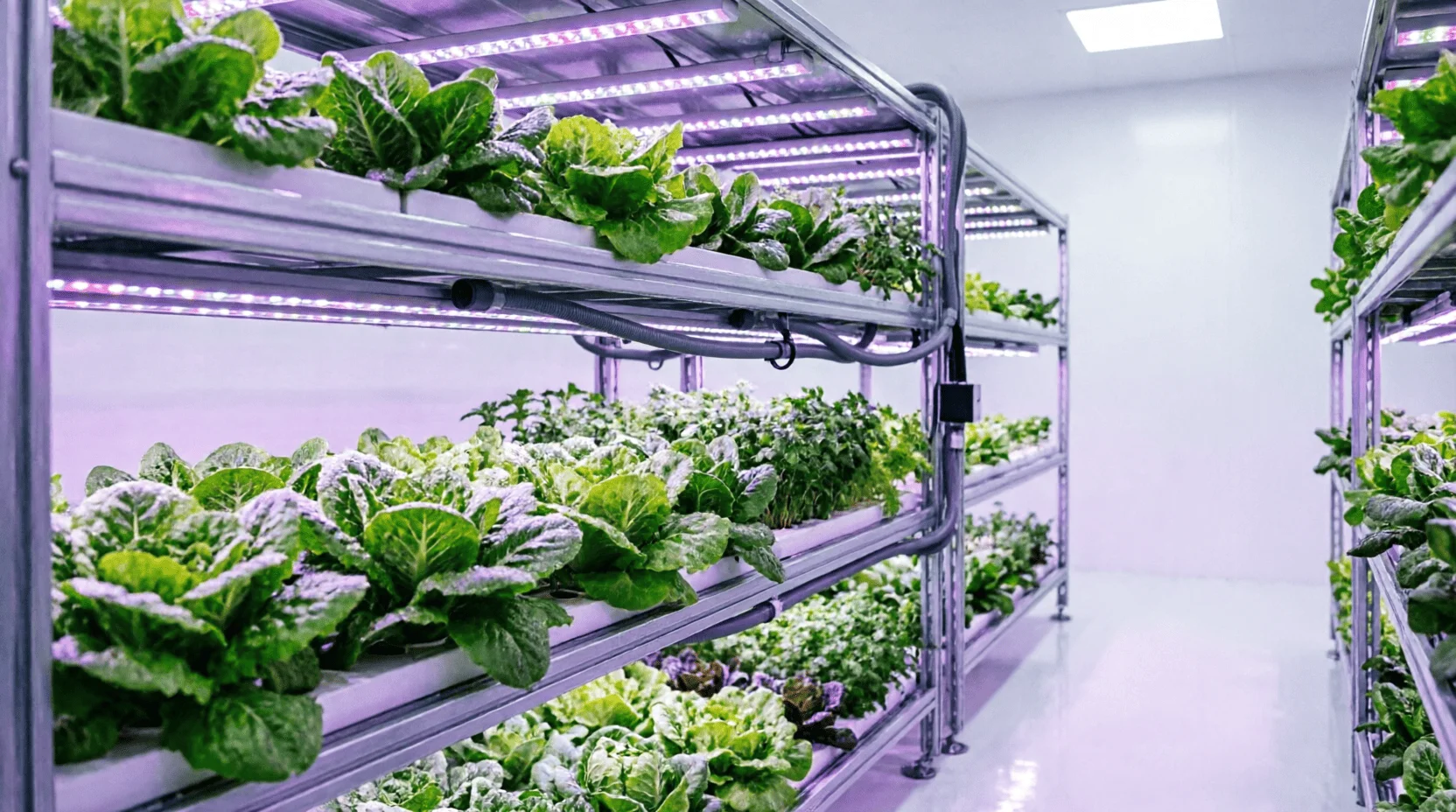
Вертикальное фермерство и гидропоника в Казахстане 2026: от балконной установки до коммерческой фермы - технология, экономика и каналы сбыта: что выращивать, стартовые вложения, автоматизация и прибыль
Вертикальное фермерство - это будущее сельского хозяйства в Казахстане: урожайность в 10 раз выше, расход воды на 90% меньше, и всё это в городской квартире или ангаре. Команда Lemag.kz разобрала технологию гидропоники и аэропоники: от балконной установки за 200 тысяч тенге до коммерческой фермы на 100 м², с реальными цифрами урожайности, экономики и каналов сбыта в 2026 году.
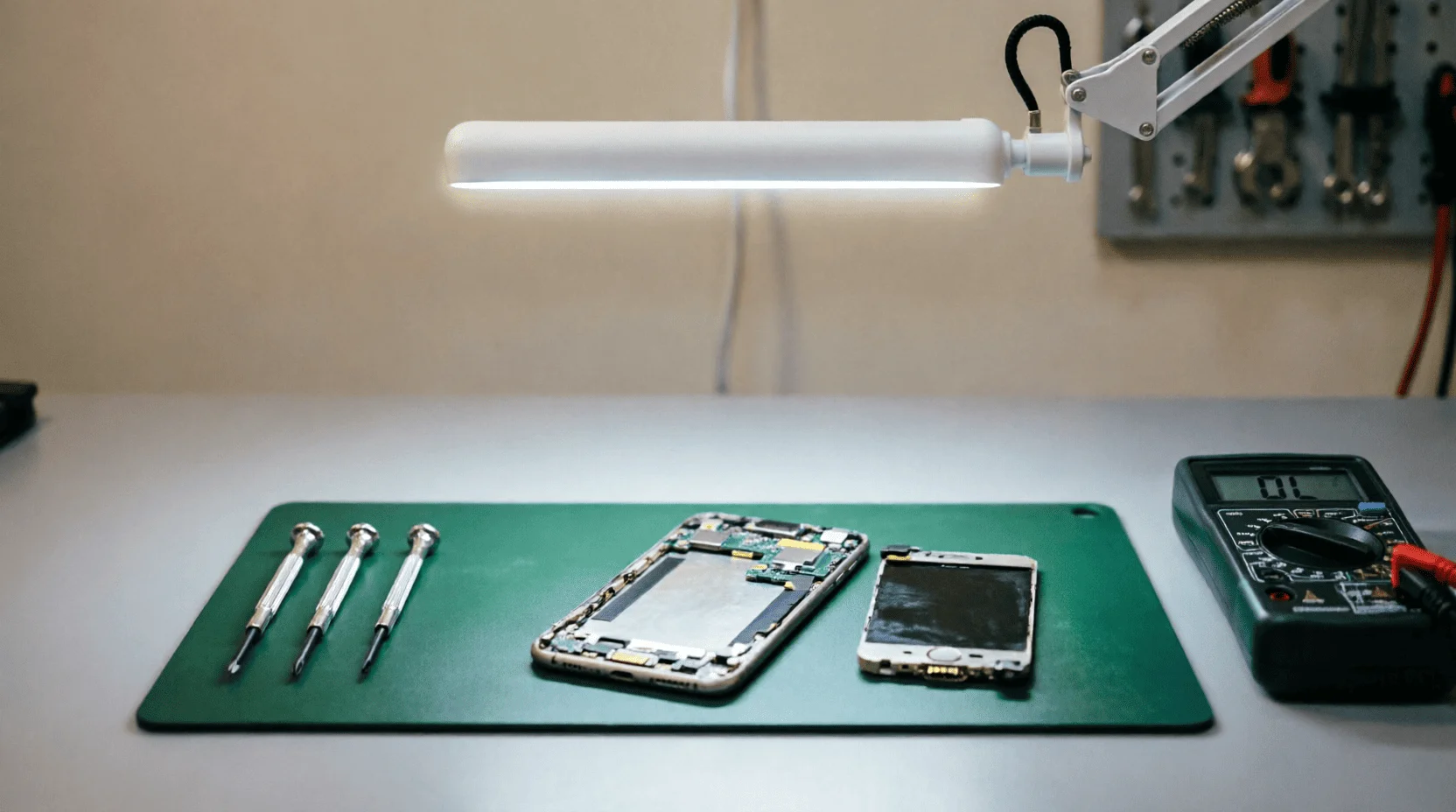
Бизнес на восстановленной электронике (Refurbished) в Казахстане 2026: от перепродажи на OLX до собственного магазина: диагностика, маржа, юридические нюансы и масштабирование
Рынок восстановленной (refurbished) электроники в Казахстане растет на 30% в год: люди хотят качественные гаджеты, но не готовы переплачивать за новые. Команда Lemag.kz разобрала этот бизнес без иллюзий: как находить недооцененные устройства, чек-лист диагностики, реальная юнит-экономика в тенге, юридические нюансы гарантии и план масштабирования от домашней перепродажи до собственного сертифицированного магазина.

Personal brand in social networks 2026: how to monetize expertise in Kazakhstan - from the first post to 100 thousand subscribers: algorithms, content and economy: choosing a niche, platforms, growth and income
100 thousand subscribers in 2026 = 500 thousand – 2 million tenge of monthly income without investments, only time and expertise. The Lemag.kz team analyzed the personal brand by steps: the choice of niche, platform, content plan, Instagram and TikTok algorithms, growth from 0 to 100k and monetization through advertising, products and consultations - with real figures in tenge.
💬 Comments (0)
No comments yet. Be the first!
Leave a comment
Comments are pre-moderated.