
Beauty Business in Kazakhstan 2026: From the Home Chair to Your Own Studio – Nails, Eyelashes, Eyebrows: Economics, Sanitation, Clients
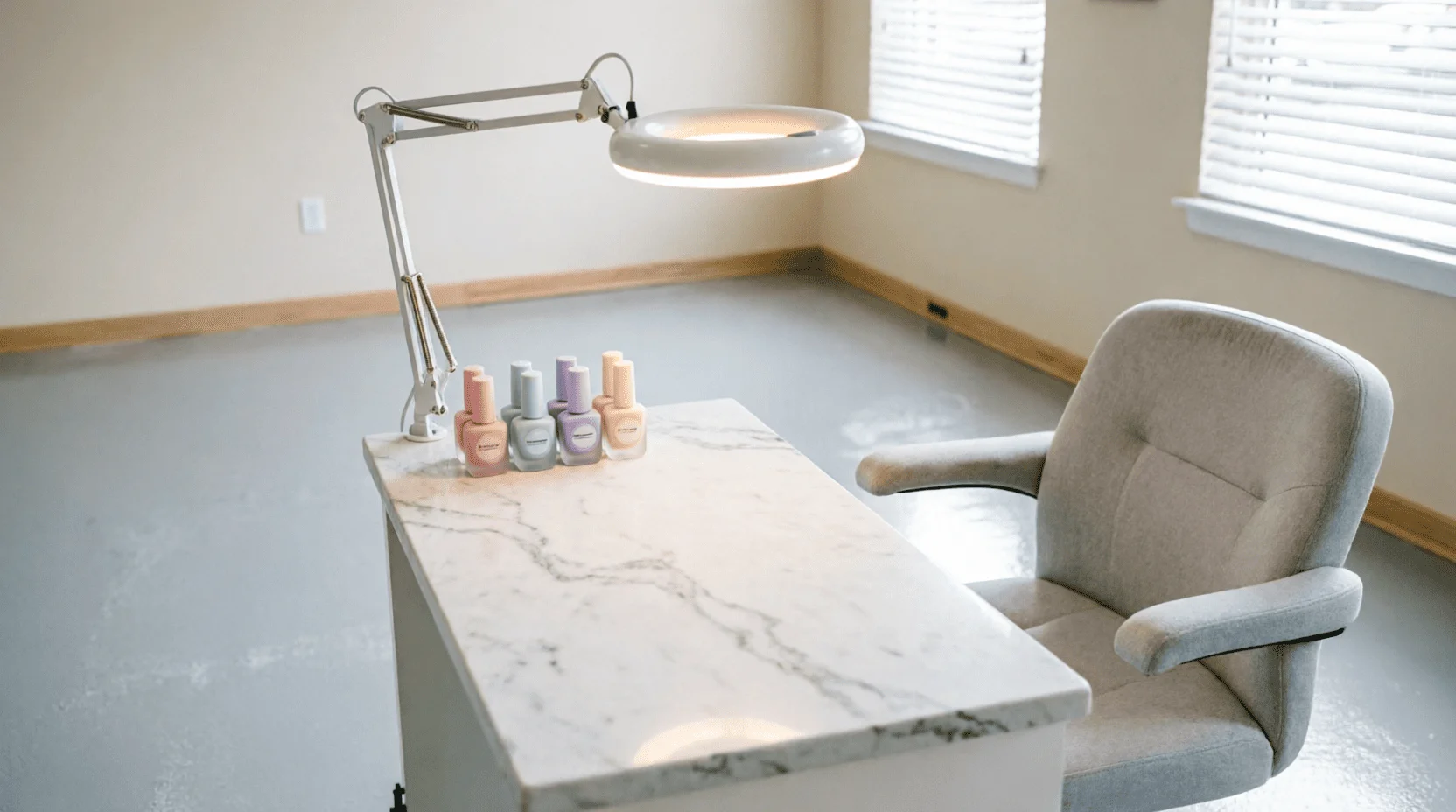
The beauty industry doesn't sag even during a crisis: nails grow every three weeks, eyelashes require touch-ups every month and a half, and eyebrows every four. This is a rare business with a built-in subscription model: clients return on their own, without advertising. The teamLemag.kzI calculated the economics of the beauty business in tenge—from a home chair to a three-person studio—and put together a path to entry without rose-colored glasses: sanitation, no-shows, and hand burnout.
1. Beauty niche map: entry threshold and ceiling
? Nails (manicure, gel, design).The entry level is average, the ceiling is high: the most mass-market and the widest range of receipts; design and French styles offer a 30-50% premium to the base receipt.
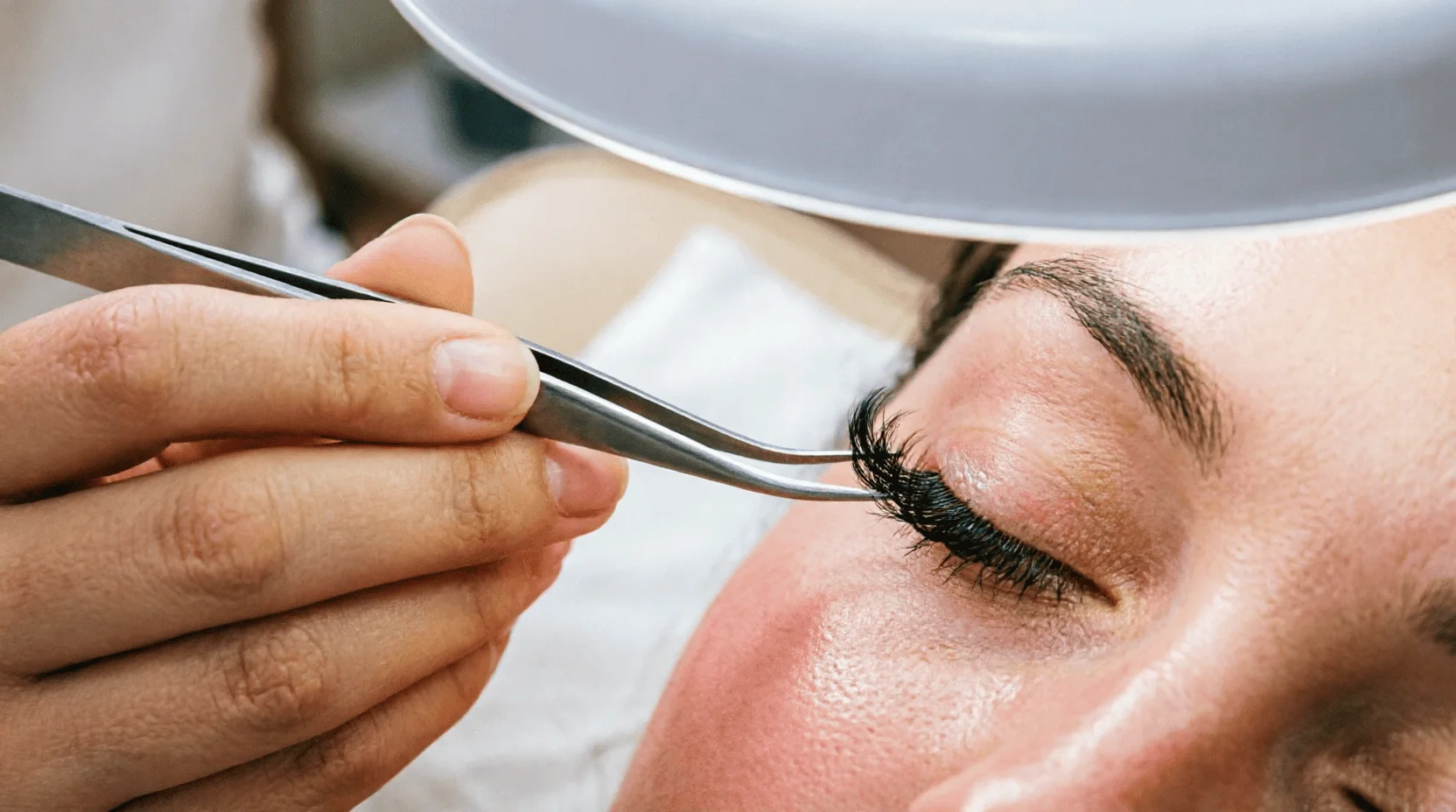
? Eyelashes (extensions, lamination).The entrance is average, the bill is above average, the procedure takes 2-3 hours - fewer clients per day, but a higher margin per hour.
? Eyebrows (correction, tinting, lamination).The cheapest entry fee and quickest procedure (40–60 minutes); ideal as a second nail specialty.
? Hair and makeup.The entrance fee is higher (the training is longer, the instrument is more serious), but the check and event demand (weddings, graduations) compensate for it.
Selection rule:Start with one niche and confidently reach 20 clients per month. Add a second one as an upsell to the same base—cross-selling to your own audience is free.
2. The Couch Economy: Counting Honestly
? Check 2026.Manicure with coating: Almaty/Astana 8-12 thousand tenge, regional centers 6-8 thousand; classic eyelashes: 12-20 thousand; eyebrows: 5-10 thousand.
? Unit-economy of a nail (house, no rent):
- check 9,000 ₸;
- consumables (nail files, bases, tops, disinfection) — 25–30% = 2,500 ₸;
- taxes for self-employed persons/individual entrepreneurs — 3–4%;
- net from the client ≈ 6,000 ₸.
? Month.4 clients x 24 days = 96 procedures: revenue 860 thousand tenge, net520–580 thousand ₸No rent; the ceiling of the house is 5 clients a day and hand fatigue.
️ Comparison with hiring.This is higher than the national median salary, with complete flexibility in schedule and no salary cap.
3. Training: courses, models, portfolio
? Courses.Nails: Basic course (5-10 days) - 150,000-350,000 tenge; Eyelashes: 2-4 days - 200,000-400,000 tenge; Eyebrows: 1-3 days - 100,000-250,000 tenge. Selection criteria: hands-on practice on models in the classroom, not lectures; certificate with hours of practice.
? Models.The first 10–20 works are on models at the cost of consumables: this is not “free”, it is a purchase of a portfolio and hand speed.
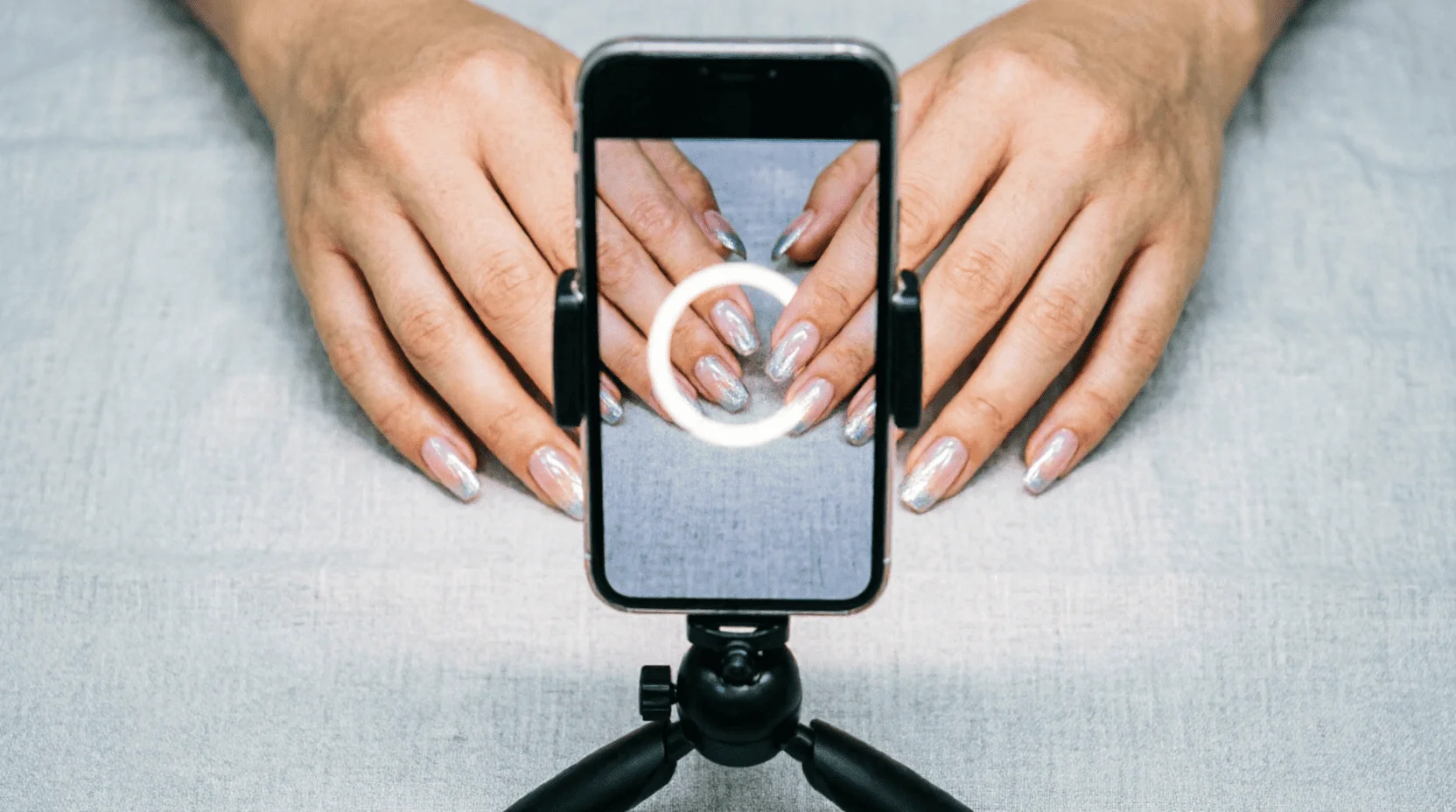
? Portfolio before the first client.10–15 before/after shots in the same light and angle + 3 process videos: the feed should look like a showcase, not a vacation album.
⏱ Hand speed.Beginner: manicure 2.5–3 hours; after 3 months – 1.5 hours; after a year – 1 hour 10 minutes: it’s speed that turns a hobby into a business.
4. Starter Kit: What to Buy and What Can Wait
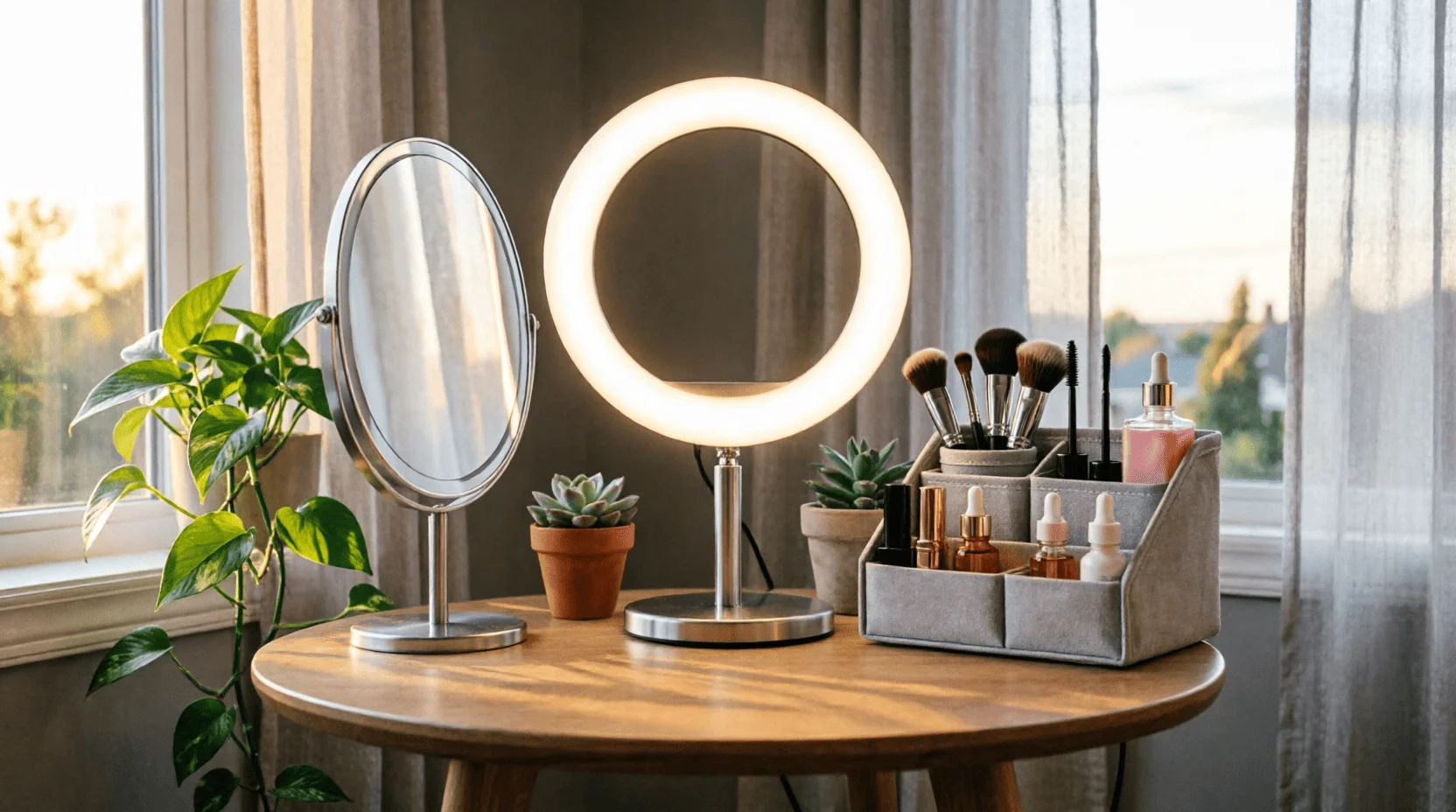
? Nails (250–450 thousand ₸):48W lamp, milling cutter with a set of cutters, extractor hood, brushes and pushers, sterilizer (dry heat!) with kraft paper bags, a palette of base and top coats of 15-20 colors, disinfectants, consumables for 2 months.
? Eyelashes (150–300 thousand ₸):tweezers (straight and curved), magnifying lamps or a pillow, 2 types of glue, eyelashes with 6–12 curls, patches, primer, degreaser.
? What can wait.A second milling machine, expensive furniture, a display case with 50 shades: for the first three months, they buy only what directly converts into a receipt.
✅ What you should never skimp on.Sterilization and disinfection: dry heat sterilization and kraft paper bags are important for your customers' health and your reputation, not a cost-cutting measure.
5. Sanitation: the boundary beyond which medicine begins
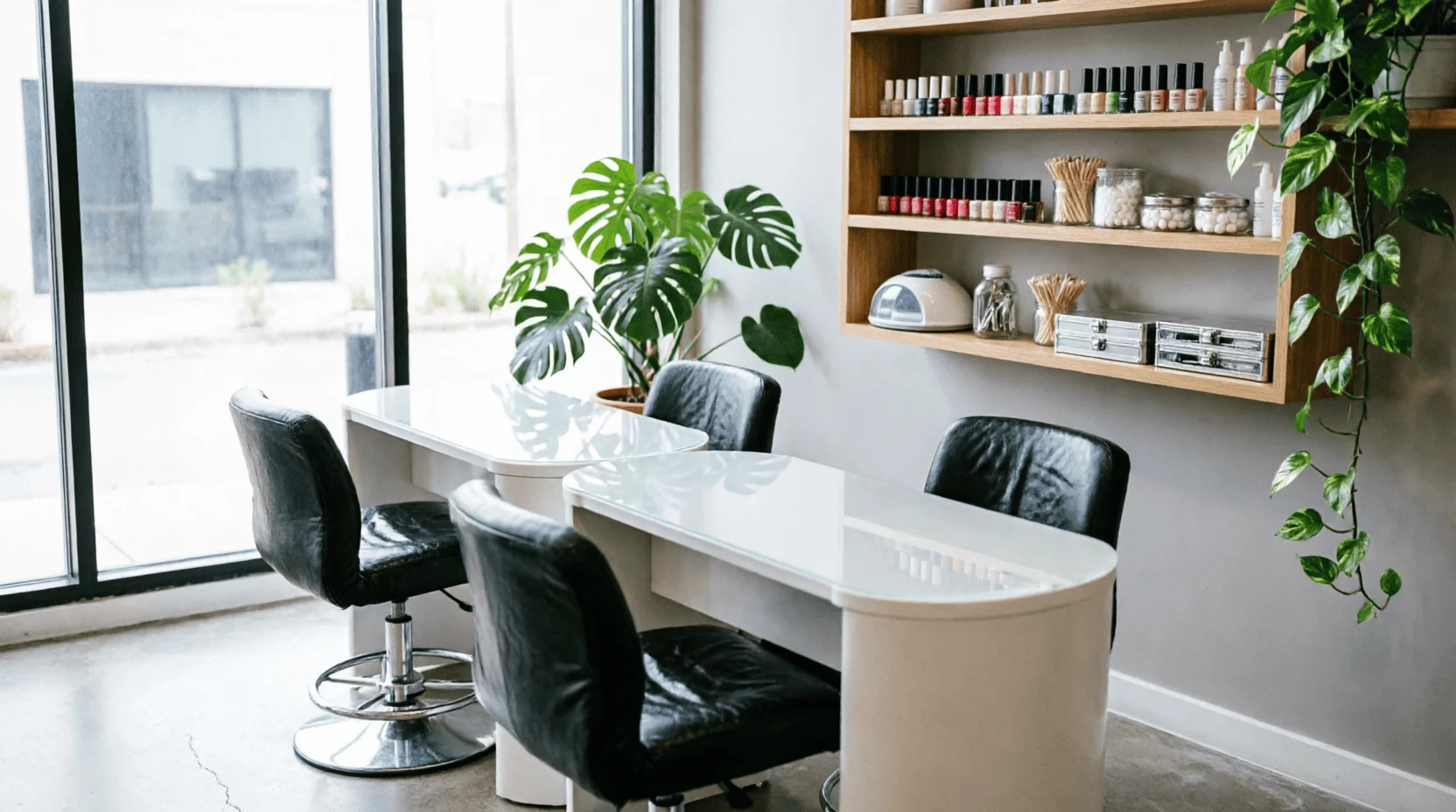
? Household services.Manicures, eyelashes, and eyebrows do not require a medical license: these are household services. However, sanitary regulations are mandatory: disinfection of instruments in a solution, pre-sterilization cleaning, sterilization in a dry-heat sterilizer, and individual kraft bags that are opened in front of the client.
? Red line.Injections, hardware cosmetology, and permanent makeup are all medical: license, education, and a medical office. Crossing the border without a license means fines and closure, not a "price hike."
? Office checklist.A sterilization log, disinfectant solutions with opening dates, a UV storage cabinet, gloves and masks, a household services agreement, or an offer for online booking.
? Sanitation as marketing.An opened kraft paper bag and visible dry heat in front of the customer sells better than any advertising: safety is the main fear of a new client.
6. Pricing: How to Avoid Being Scammed by Discounts
? Receipt formula.Cost of consumables x 3 + your time at the target hourly rate + tax; any lower means you're working at a loss due to your own fatigue.
? Trap discounts."First Customers 50% Off" attracts bargain hunters who will leave for the next promotion; instead of a discount, give something extra: a two-nail design or a free treatment.
? Ladder of promotion.Every 3-4 months, when the bookings are full, you get a 10-15% increase to your check: those who occupied unprofitable slots leave, and those who value quality come in.
? Premium line.Design, French manicure, strengthening, and hand spa treatments—the menu of supplements provides a 30–50% increase to the average bill without increasing the workload.
7. Clients: content that they write themselves
? Before/after and process.Three formats that work: a one-shot result, a process timelapse, and a "client story" (problem → solution); three publications per week keep the queue up.
? 2GIS and maps.A card with photos of your work, prices, and a booking button gives you 20–30% of new clients in your area for free.
? Collaborations.Coffee shops, florists, photographers: mutual certificates and photo shoots; related audiences, zero budget.
? Sarafan mechanics."Bring a friend and you both get a free treatment": referred clients stay for a long time because they come on recommendation, not because of a discount.
8. Recording, database, and retention: a system to replace chaos in Yandex.Direct
? Online registration.Appointment booking services with 24-hour reminders and a 30-50% deposit: no-show rates drop from 15-20% to 3-5%; the deposit isn't a "mistrust," but a reservation of your time.
? Customer base.Name, visit date, preferences (color, curl, allergies), birthday: a reminder "time for a touch-up" on the right day returns 60-70% of the database without advertising.
? Subscriptions."4 manicures for the price of 3.5" prepaid: cash upfront and a habit of returning.
? Master metrics.Slot occupancy (target 80%+), average check, return after 30 days (target 70%+), share of new players: four figures instead of sensations.
9. Leaving the house: armchair → office → studio
? Step 1: Rent a chair.30–60 thousand tenge/month or 20–30% of the check: check your workflow outside your home without the risk of renting an office; plus, you'll have access to nearby professionals and a shared client base.
? Step 2: your account.From 150,000 to 350,000 tenge/month, depending on the city: when the appointment doesn't fit a chair and you need your own branded space; minimal renovations: lighting, exhaust system, sterile area.
? Step 3: Studio for 2-3 chairs.Hiring masters or apprentices at a 30-40% rate: income is no longer your responsibility; your role shifts to quality, recording, and marketing.
? Moment of transition.Home → Chair: Booked 2 weeks in advance; Chair → Office: 3-4 week waitlist and waiting list; Office → Studio: Consistent 80%+ occupancy for three months in a row.
10. Seasonality and Burnout: The Dark Side of Beauty
? Peaks.December (holidays), May and August (weddings, graduations, vacations): book one month in advance, prices +15–20%.
? Failures.January and July: closed with subscriptions, gift certificates and training (slow months are the time for advanced courses).
? Arms and back.Chair ergonomics, 10-minute breaks between clients, wrist exercises: the body is a technician's most important asset, and its repair is worth more than any downtime.
? Burnout from people.4 clients per day = 4 hours of conversation: introduce "quiet slots" without conversation and a day without an appointment once a week - this is hygiene, not laziness.
11. Scaling without a lot of capital
? School and mentoring.Paid courses for beginners: 100–250 thousand tenge per student + a percentage from their first months: a second line of income based on the same expertise.
? Own line.A palette of bases, care oils, and branded merchandise: 60–70% margin and customer loyalty; launching with small batches through local producers.
? Franchise-light.Transferring the system (recording, sanitation, pricing, content) to a specialist in another city for a 5-10% royalty: the method, not the capital, is scaled.
12. Mistakes that ruin your beauty start
? Dumping "on stream".A cheap check attracts customers who argue over 500 tenge, and burns their hands without profit.
? Work without a base.Clients "in my head and in direct messages" get lost when they change their phone number: a database of return dates accounts for half of the revenue.
? Saving on sterilization.One incident can destroy a reputation built over years; a craft bag is worth pennies compared to the price of trust.
? Registration without a deposit.20% no-shows = one working day per week in the trash.
? Work without days off.Burnout within 8-10 months takes over a business entirely; rest is built into the schedule, not "whenever possible."
13. 90-Day Plan: From Courses to Queues
? Twelve weeks
- Weeks 1–3.Course with hands-on training on models; purchase of a starter kit from a list; registration as a self-employed individual/sole proprietor.
- Weeks 4–6.10–15 model portfolio pieces at cost price; Instagram launch with three formats; 2GIS profile.
- Weeks 7–10.First paying clients receive a 15% discount on the price list "for getting to know the specialist"; online booking with reminders; a database from the first client.
- Weeks 11–12.Full price list; memberships and gift certificates; 3-month check increase plan; chair decision with a 2-week waiting list.
14. Links to other Lemag.kz articles
? Part-time job— beauty as a start without quitting: first clients in the evenings and on weekends.
? Packaging design— our own line of skincare products with a label that sells.
? Neural networks for content— before/after processing and reels without a photographer or editor.
? Financial literacy— separating personal and business accounts from the first check and providing a cushion for seasonal downturns.
Result:The beauty business of 2026 is a craft with a subscription model: clients return every three to four weeks, meaning revenue is predictable like nowhere else. Enter through a single niche and a fair price, maintain hygiene as a showcase of trust, focus on occupancy and average billing instead of perception—and in a year, you'll no longer be a "home-based artist," but a studio owner with a waiting list and a second line of income from training. Beauty truly saves—provided its economics are calculated. ?
❓ FAQ
How much does it cost to start a beauty business?
Nails: courses 150,000–350,000 tenge + starter kit 250,000–450,000 tenge; eyelashes: courses 200,000–400,000 tenge + kit 150,000–300,000 tenge; eyebrows are the cheapest entry: courses 100,000–250,000 tenge and minimal tools.
Do manicurists and lash artists need a medical license?
No: manicures, eyelash extensions, and eyebrow shaping are household services, not medicine; a license is only required for injection and hardware cosmetology—don't cross that line without education and a license.
How much does a manicurist earn in Kazakhstan?
A check of 7–12 thousand tenge (in the regions 5–8): with 4 clients per day and 24 working days, revenue is 670 thousand – 1.15 million tenge; net after expenses, rent, and taxes – 45–60% of revenue.
How to find your first clients without a budget?
Three channels: 10–20 portfolio works on models at cost price, Instagram with before/after videos and process, word of mouth through friends and local chats; the first 30 clients come from content, not advertising.
When to leave home for the studio?
When appointments are booked 2-3 weeks in advance and home boundaries are broken: the first step is renting a chair for 30-60 thousand tenge per month, the second is your own office from 150 thousand, when the chair can no longer accommodate the flow.
What to do with no-show clients?
A 30–50% advance payment or deposit is required when booking online; an automatic 24-hour reminder is sent; one-forgiveness policy: a second no-show without an advance payment will not be recorded.
Is it possible to scale without a lot of capital?
Yes: the "master + apprentice" model: renting a room with 2-3 chairs, a 30-40% commission on apprentices, and paid training; the second line of income is mentoring and courses for beginners.
📚 Read also
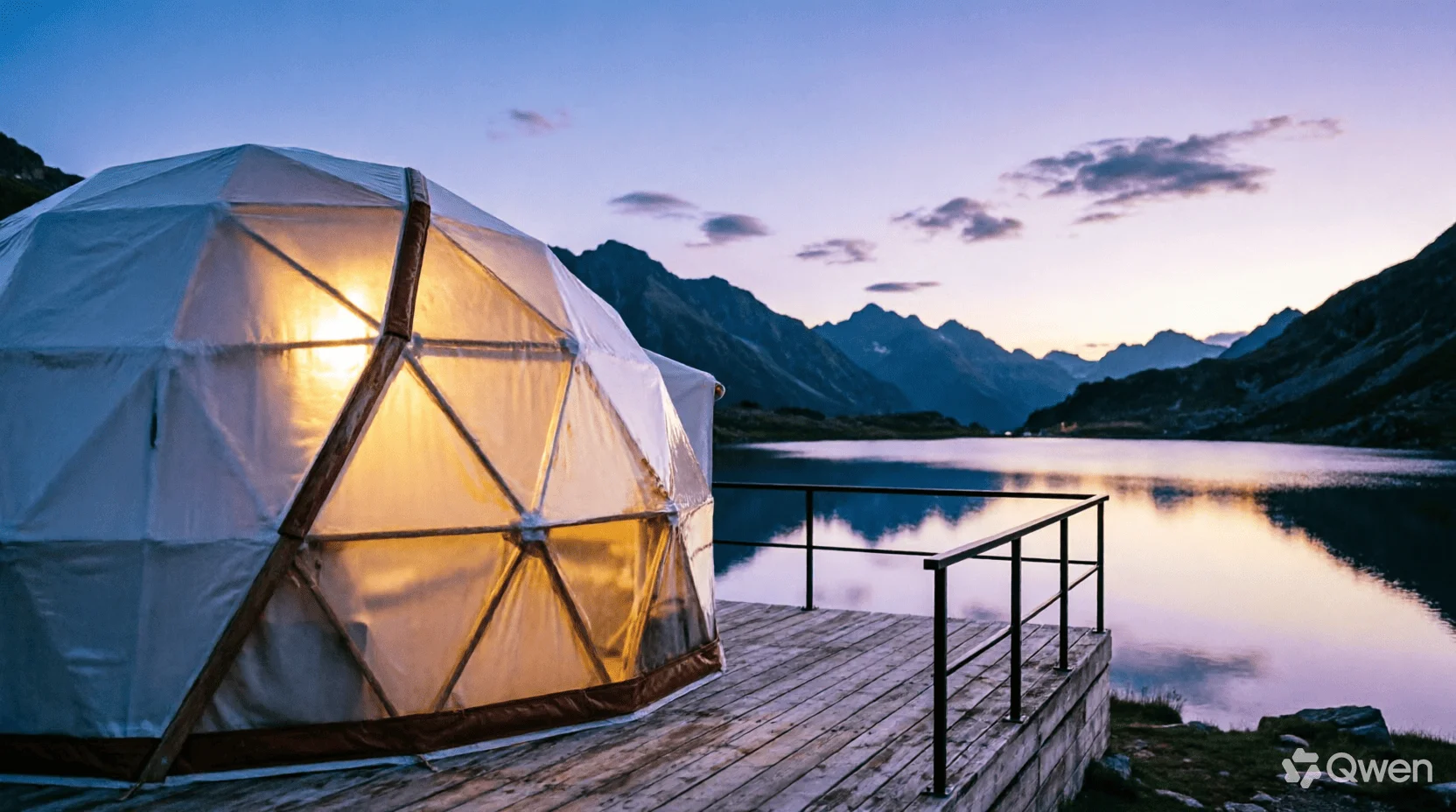
Глэмпинг-бизнес 2026: как построить эко-курорт в Казахстане - от купола до загрузки 80%: экономика ночи, локации, сезонность и господдержка
Внутренний туризм Казахстана растёт двузначными темпами, а гости хотят природу без палаточного аскетизма: кровать, панорамное окно и душ в пяти метрах от озера. Команда Lemag.kz посчитала глэмпинг по-честному: цены модулей и инфраструктуры в тенге, экономика одной ночи, календарь сезонности с зимними сценариями, документы на землю и план первого сезона - от выбора локации до первых отзывов.
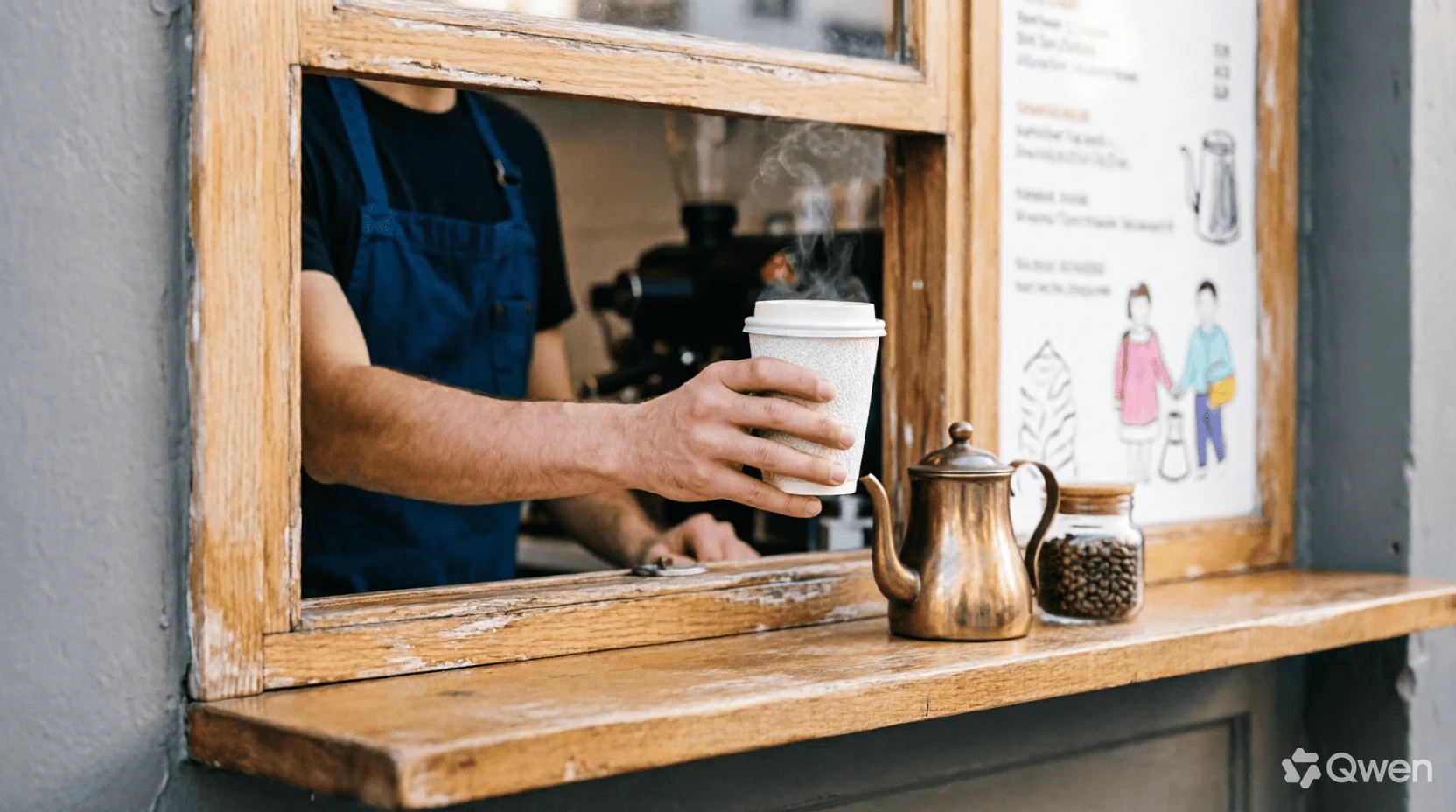
Кофейный бизнес 2026: точка кофе с собой - экономика одной чашки, локация, оборудование и путь от острова до обжарки
Казахстан переживает кофейный бум: стаканчик по пути на работу стал городской привычкой, а точка с собой - самым доступным входом в общепит с маржой выше ресторанной. Команда Lemag.kz разложила бизнес по статьям: себестоимость чашки в тенге, аренда по типам локаций, новое и б/у оборудование, безубыточность в чашках и ловушки, на которых сгорают первые точки.

Куда инвестировать деньги в 2026–2027 году казахстанцам?
Казахстанцы год за годом мечутся между депозитом, долларом, квартирой и биржей — и 2026-й перевернул все привычные ставки на голову. Тенге вместо ожидаемого падения укрепился почти на 14%, индекс KASE обогнал S&P 500, а недвижимость, которую считали вечным активом, забуксовала. Разбираю на цифрах Нацбанка, KASE и рыночных аналитиков, что происходит с депозитами, валютой, акциями и жильём в 2026–2027 году — и почему единственная рабочая стратегия сейчас не ставить всё на одну лошадь.
💬 Comments (0)
No comments yet. Be the first!
Leave a comment
Comments are pre-moderated.