
I tested five part-time jobs over six months: honest figures in tenge, two failures, and a format that stayed with me.

Six months ago, I caught myself reading other people's guides about side hustles, but I didn't know the most important thing—what it felt like from the inside: how many hours were actually spent, where were the expenses hidden, and what was left after commissions. So I started a journal and set a rule: at least three weeks for each format, all income and expenses in a spreadsheet, and all hours in a tracker. Below is six months of the experiment, unedited.
1. Experiment rules
? Magazine.Table: format, hours per week, income, expenses, net, mood on a scale of 1-10. Without honest accounting, any experience turns into a joke.
⏱ Limit.10-15 hours a week on top of my main job; any more means the experiment isn't testing the format, but my burnout.
The criterion "it went".Net from 80 thousand tenge per month with no more than 12 hours per week and the desire to continue after a month.
2. Experiment 1. Resale on the marketplace: courier work for 20,000 rubles
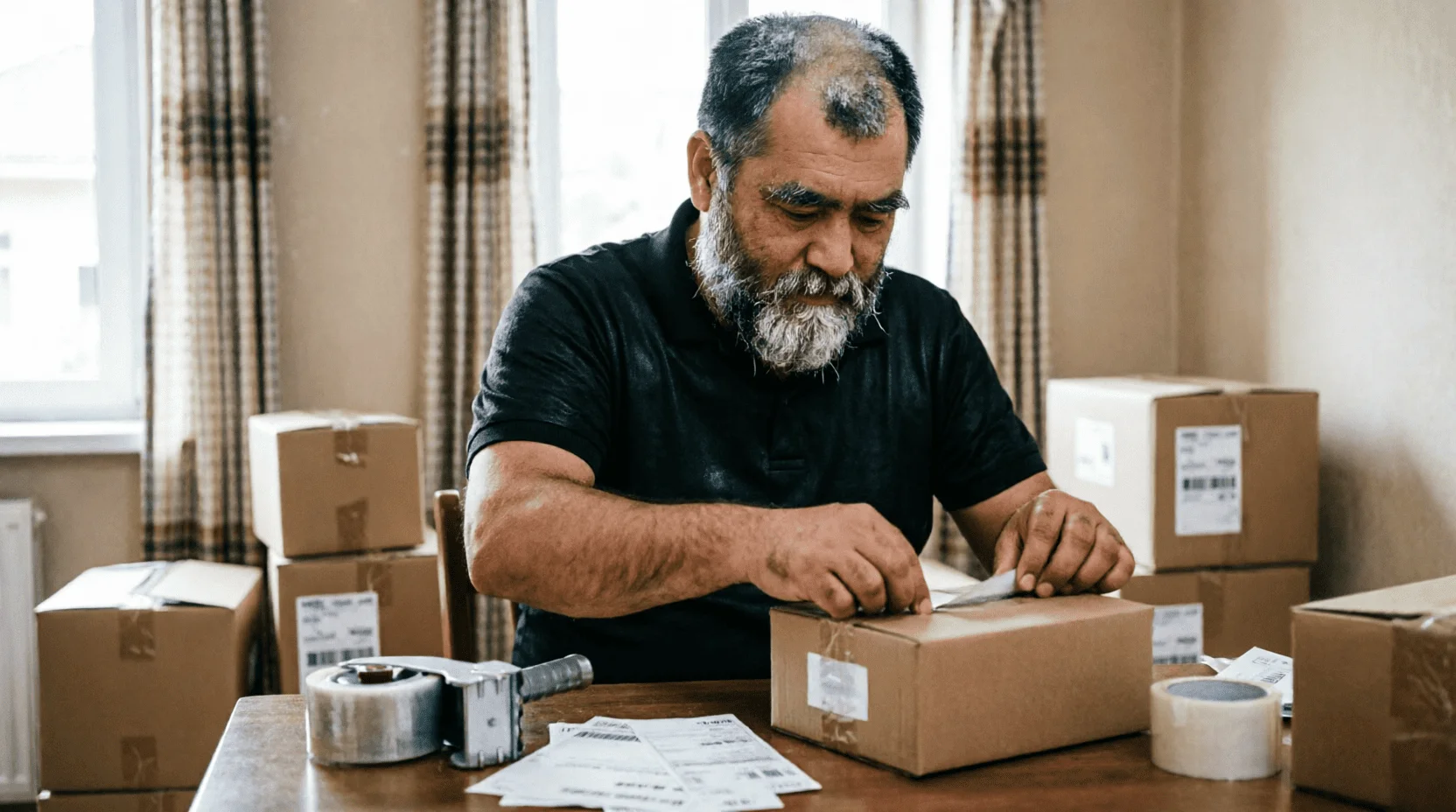
? What did you do?I bought a batch of fast-moving goods (kitchen accessories) for 150,000 tenge, listed them on the marketplace, packaged them, and delivered the orders.
? Figures for 2 months:Revenue 190,000 ₸; commission and logistics −38,000 ₸; defective goods and returns −12,000 ₸; packaging −9,000 ₸. Net:~40,000 tenge for two months, that is 20,000 ₸/month.
⏱ Hours:8-10 per week - mainly packaging, labeling, travel.
? Conclusion.Resale is an operational activity with a margin that's eaten up by commissions; it can be scaled, but it's a business with capital, not a part-time job. It was the first format I closed without regret.
3. Experiment 2. Copywriting: Slowly, but with increasing rates
✍️ What did you do?Texts for product cards and posts on exchanges and in specialized chats; I took my first orders cheaply for the sake of reviews.
? Figures by month:1st — 45,000 ₸ (12 texts of 3–4 thousand); 2nd — 80,000 ₸; 3rd — 120,000 ₸ at a rate of 2,500 ₸ per 1,000 characters against the starting 800.
⏱ Hours:8–12 per week; by the third month the speed had doubled – my hand had become skilled.
? Conclusion.Copywriting is an honest side hustle with a clear pay ladder; the ceiling is time, because you're selling watches. It remains in my toolbox as a "backup tap."
4. Experiment 3. Subject photography: there is a margin, but also a ceiling
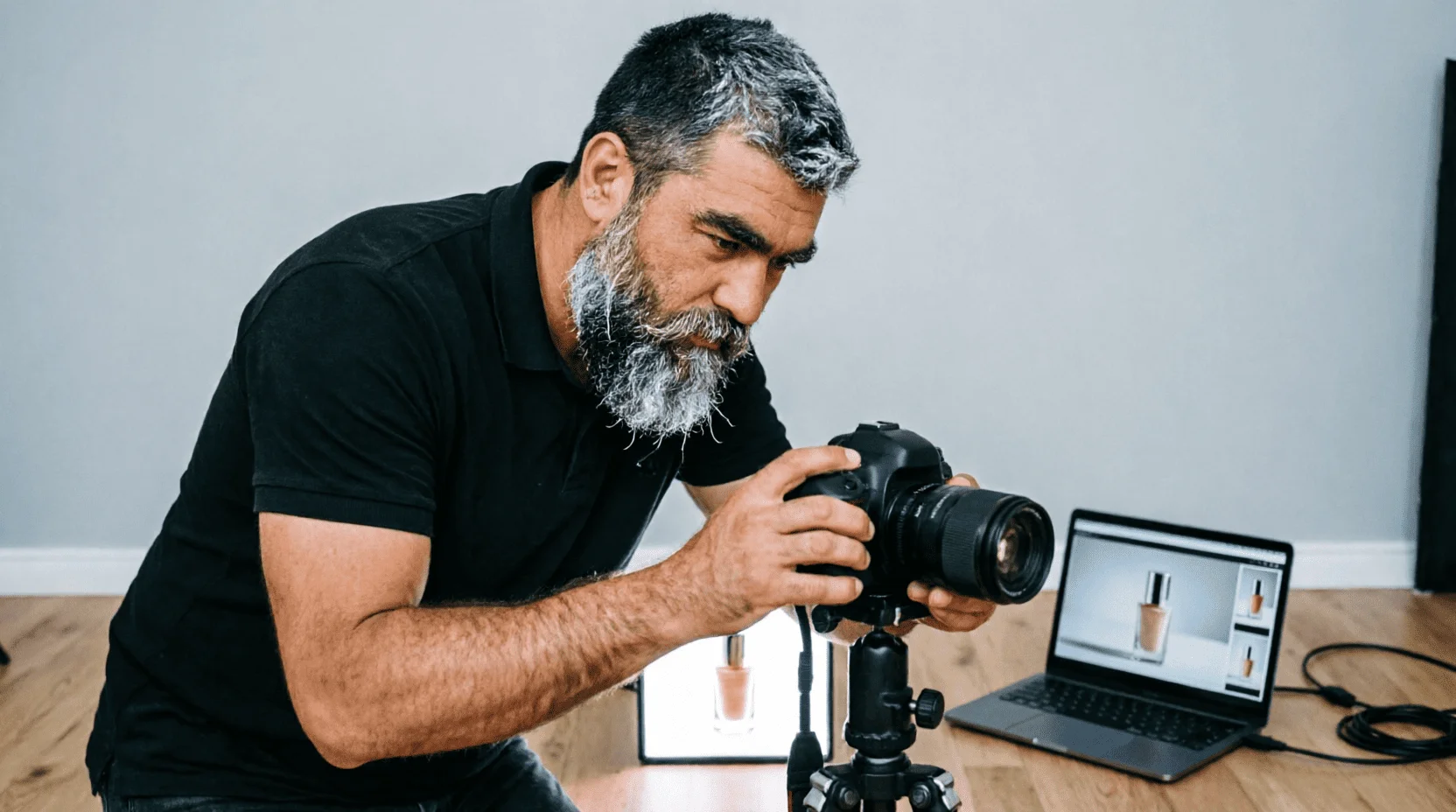
? What did you do?Cards for marketplace sellers: bought a used light cube, reflectors, and holders for 60,000 tenge; removed and retracted at home.
? Numbers:3,000–5,000 tenge per photo shoot; the best month is 90,000 tenge at 10 hours per week; the neural networks from our AI content analysis reduced retouching by a third—this has truly changed the economy.
⏱ Hours:8–10 per week.
? Conclusion.Good margins and a pleasant process, but the ceiling is equipment and hand speed; the format survives until it hits 100,000, after which you need an assistant or a studio.
5. Experiment 4. Homemade Desserts: A Failure That Taught a Lot
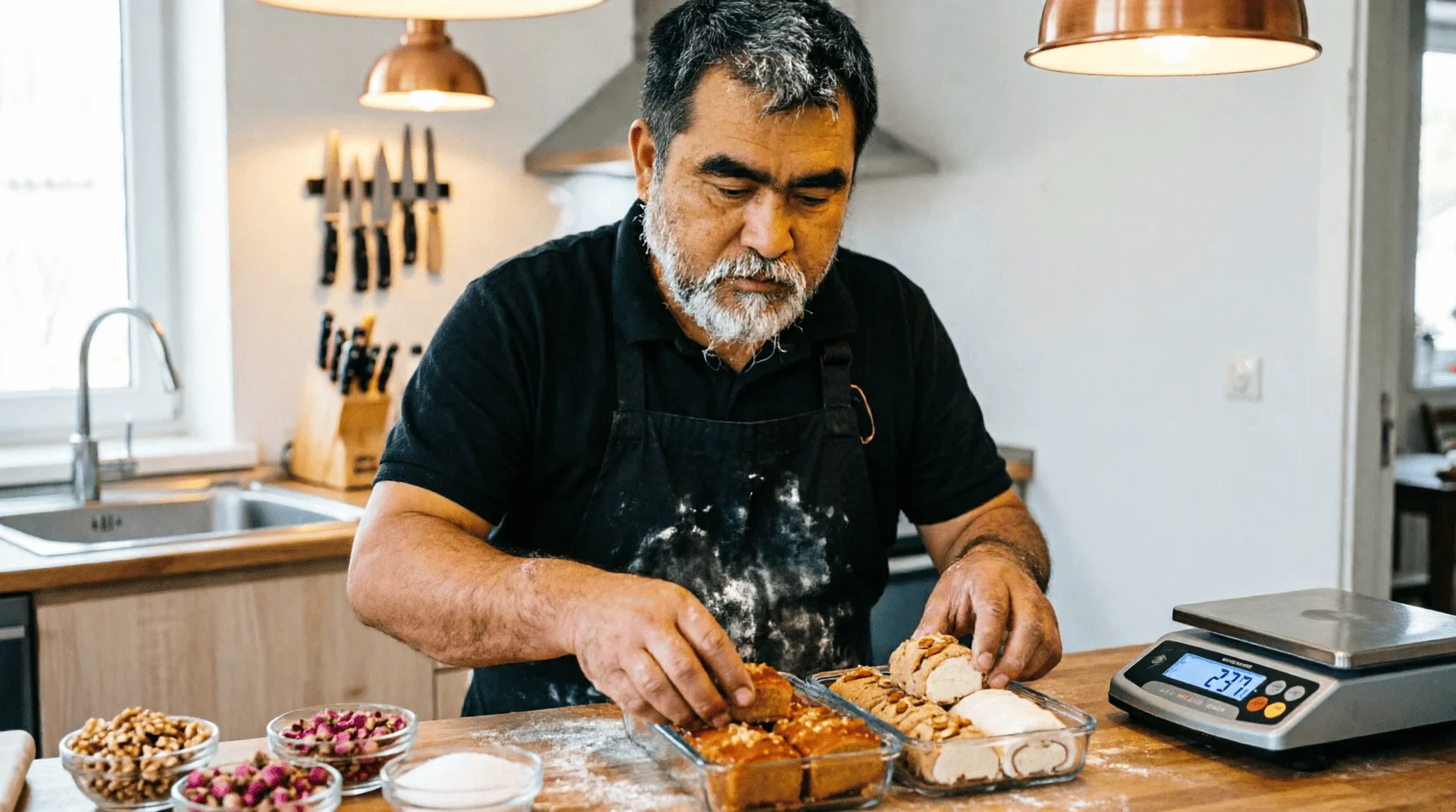
? What did you do?Cheesecakes and bento cakes made to order: inventory and product investment — 80,000 tenge; orders were placed via direct messaging and word of mouth.
? Figures for 2 months:Revenue 55,000 tenge; products and packaging −35,000 tenge. Net:20,000 ₸, that is, minus 25,000 ₸ to investments.
? Where did it break?It wasn't demand—it was there. Legalization failed: cafes refused to take "homemade" products without a workshop or documentation, and sanitary requirements for home pastry chefs meant they were already a mini-business requiring investments of over a million.
? Conclusion.The most painful and most rewarding failure: I realized that in food, the entry barrier is not a recipe, but documents; and that "there is demand" does not equal "there is business."
6. Experiment 5. Local Business Social Media: The Format That Remains
? What did you do?Managed the Instagram accounts of two businesses: a coffee shop and a beauty salon; developed a content plan, filmed on a phone, created reels, created stories, and responded to direct messages.
? How did you find it?I visited 10 establishments in my area with a printed audit of "5 things to fix in a week"; two agreed to 50,000 tenge/month; two months later, a third client for 60,000 tenge, and the first ones' bills increased.
? Numbers at the end of the experiment:3 clients x 50-60 thousand =150–180 thousand tenge/monthat 10-12 hours a week.
⏱ Hours:3-4 hours per client per week after developing templates and shooting days.
? Conclusion.The format met all three criteria: money, time, and the desire to continue. Asynchronicity allows for combinations; skills are cumulative (photography from Experiment 3, texts from Experiment 2); word of mouth works better than stock exchanges.

7. Consolidated balance sheet for six months
? Journal results:
| Формат | Чистыми за время теста | Часов в неделю | Вердикт |
|---|---|---|---|
| Ресейл | ~40 000 ₸ / 2 мес | 8–10 | закрыт |
| Копирайтинг | ~245 000 ₸ / 3 мес | 8–12 | резерв |
| Предметная съёмка | ~170 000 ₸ / 2 мес | 8–10 | инструмент |
| Десерты | −25 000 ₸ / 2 мес | 10–12 | закрыт |
| Соцсети бизнесов | ~330 000 ₸ / 3 мес | 10–12 | основной |
? Total:Earned ~760,000 ₸, spent ~330,000 ₸ (goods, inventory, products), net ~430,000 ₸ and - most importantly - understanding where mine is.
? Now:Three clients' social media accounts + product photography for their profiles—these formats came together in the same way I described in the part-time job guide, but now with real-life figures.
8. What I realized about myself and the market
? Failure is data.Minus 25 thousand on desserts bought an understanding of the entry threshold into the food niche cheaper than any course.
⏱ A watch is more honest than money.You should compare formats by the tenge per hour rate, not by revenue; resale at 20,000 tenge/month and 40 hours is 500 tenge/hour, worse than the minimum courier rate.
? Word of mouth is stronger than stock exchanges.All paying clients came from direct referrals and recommendations; exchanges provided only initial feedback and confidence.
? Skills add up.Filming reinforced social media, writing reinforced filming; individual "side jobs" turned out to be parts of a single profession—content specialist for local businesses.
9. How to Choose Your Format: My Three Filters
? Filters I would use again
- Asynchrony.The format must live outside of office hours, otherwise it will die of fatigue.
- The hourly rate is over 3,000 ₸.Below is a job replacement, not a part-time job.
- Foldability.The skill should be strengthened by the next experiment, not reset.
And one more thing:Three weeks per format is the minimum; the first weeks are always the worst (the stakes are low, your hand is inexperienced), and making decisions based on them is a mistake.
10. Links to other Lemag.kz articles
? Part-time job 2026— a guide to the formats I tested: rates, platforms, first orders.
? Neural networks for content— An AI pipeline that cut my retouching and editing time by a third.
? Bank cards— where to accept payments so that commissions don't eat into your margins, as in resale.
Financial literacy— the experiment log is essentially the “count everything” rule taken to the point of absurdity.
Result:Six months and five formats earned me 430,000 tenge net and an answer you can't find in guides: my specialty is content for local businesses, where photography, writing, and production all come together as one profession. Two failures were worth every tenge: they showed me where the entry barrier is—paperwork—and where commissions are. If you're choosing a part-time job, start not with "what's trendy," but with a magazine: three weeks, hours, tenge, mood—and the numbers will show you what's right for you. ✍️
This article reflects the author's personal experience; the figures reflect a specific experiment in 2025–2026 and do not guarantee results.
❓ FAQ
Are these real numbers or “market average”?
Real, from my experiment journal: I recorded hours and money for each format weekly; your results may vary—that's the point of personal experience.
How long did the experiment take?
10–15 hours a week on top of my main job; more than that, and the quality of my main work and sleep began to suffer.
Which format turned out to be the most profitable?
Local business social media management: 150,000–180,000 tenge per month, 10–12 hours per week; product photography is the second-highest margin, but it's limited by equipment.
Why did the desserts fail?
It's not taste or demand—it's certification and sanitary requirements for legal deliveries to cafes; the home-based format, without a production facility, proved a dead end, costing 25,000 tenge and two months.
How to find your first clients for your services?
Three channels that worked: a direct visit to 10 establishments with a "what to fix" audit, two free portfolio cases, and word of mouth after the first paying client.
Is it possible to combine it with your main job?
Yes, if the format is asynchronous (texts, filming, content) and doesn't require office hours; resale, with its packaging and shipping, was the hardest to juggle.
📚 Read also

Вертикальное фермерство и гидропоника в Казахстане 2026: от балконной установки до коммерческой фермы - технология, экономика и каналы сбыта: что выращивать, стартовые вложения, автоматизация и прибыль
Вертикальное фермерство - это будущее сельского хозяйства в Казахстане: урожайность в 10 раз выше, расход воды на 90% меньше, и всё это в городской квартире или ангаре. Команда Lemag.kz разобрала технологию гидропоники и аэропоники: от балконной установки за 200 тысяч тенге до коммерческой фермы на 100 м², с реальными цифрами урожайности, экономики и каналов сбыта в 2026 году.
Бизнес на восстановленной электронике (Refurbished) в Казахстане 2026: от перепродажи на OLX до собственного магазина: диагностика, маржа, юридические нюансы и масштабирование
Рынок восстановленной (refurbished) электроники в Казахстане растет на 30% в год: люди хотят качественные гаджеты, но не готовы переплачивать за новые. Команда Lemag.kz разобрала этот бизнес без иллюзий: как находить недооцененные устройства, чек-лист диагностики, реальная юнит-экономика в тенге, юридические нюансы гарантии и план масштабирования от домашней перепродажи до собственного сертифицированного магазина.
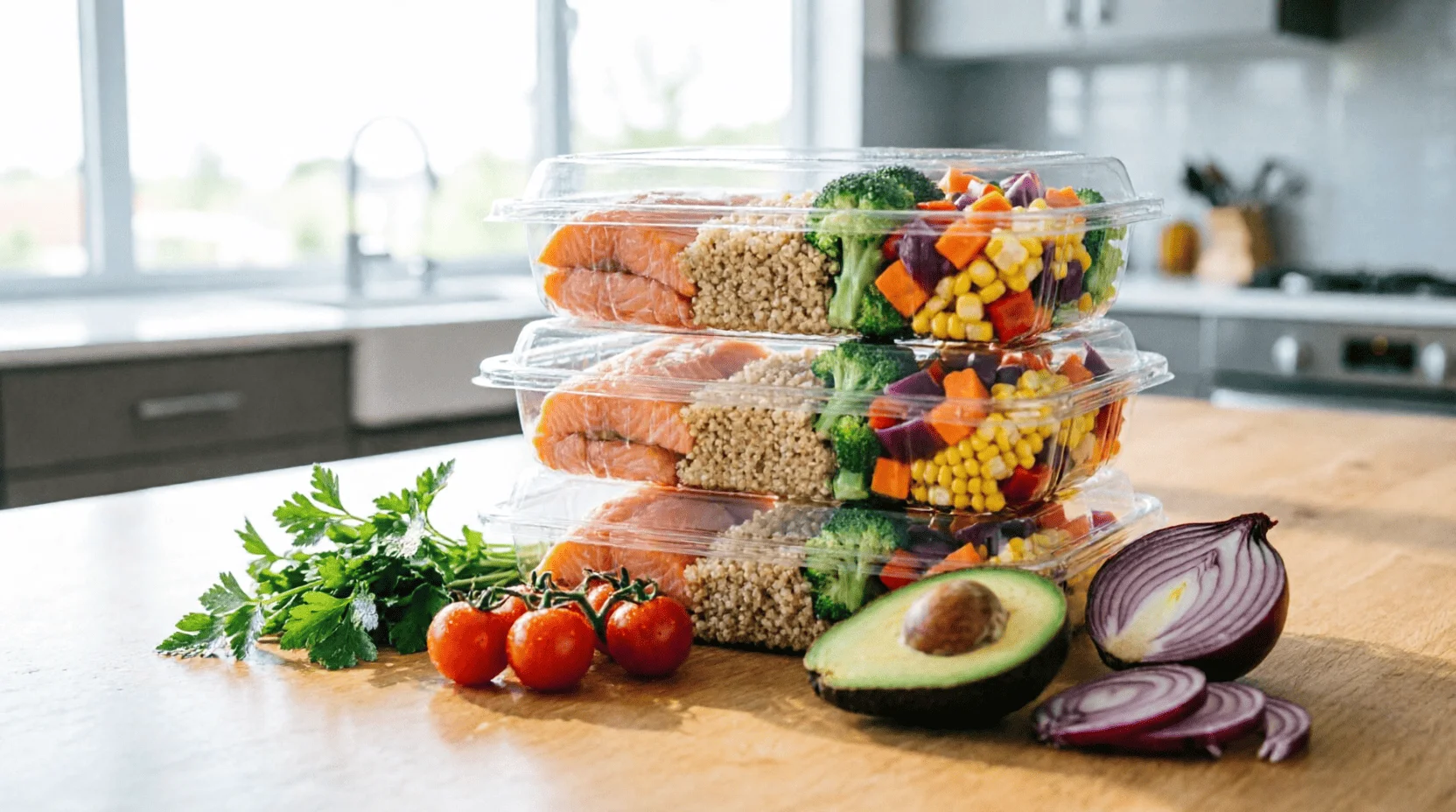
Бизнес на доставке здорового питания (Meal Prep) в Казахстане 2026: от домашней кухни до собственной dark kitchen - расчет себестоимости, СанПиН, маркетинг и окупаемость
Рынок доставки готовых рационов в Казахстане растет на 25% в год. Люди готовы платить за экономию времени и здоровье, но 70% стартапов закрываются в первый год из-за ошибок в себестоимости и логистике. Команда Lemag.kz разобрала экономику meal prep бизнеса: от домашней кухни до dark kitchen, с реальными технологическими картами в тенге, требованиями СЭС и планом выхода на 100 заказов в день.
💬 Comments (0)
No comments yet. Be the first!
Leave a comment
Comments are pre-moderated.