
Smartphone vs. Cradle: How Mobile Phones and Social Media Have Changed Birth Rates—Globally and in Kazakhstan

Just twenty years ago, the decline in birth rates was attributed to economic factors: expensive housing, maternity leave, the cost of raising a child. These factors haven't gone away. But in recent years, demographers have noticed a more surprising coincidence: in almost every country, the sharp acceleration in the decline in birth rates didn't begin simultaneously, but precisely at the same time as smartphones and social media were becoming widespread. In the US and UK, it began in 2007; in France and Poland, in 2009; in Mexico, Morocco, and Indonesia, around 2012; and in several African countries, from 2013 to 2015. Below, we explore what the data reveals, what mechanisms researchers suggest, and what this picture looks like in Kazakhstan.
- Before the Smartphone Age: Birth Rates Declined Slowly and for Understandable Reasons
Until the mid-2000s, the decline in fertility in developed countries had been ongoing for a long time, but gradually—a result of urbanization, increased female education, the widespread use of contraception, and later marriage. It was a long, decades-long process that demographers were able to explain and predict: it was linked to changes in family economics, not sudden shifts in behavior. In the 2000s, birth rates among teenagers and young adults in the United States, Britain, and Australia remained relatively stable, with small fluctuations within the normal trend.
- Turning point: 2007–2012, the arrival of the smartphone
The rift in the charts began almost simultaneously with the release of the iPhone in 2007 and the subsequent explosion of smartphones with mobile internet. A study by the US National Bureau of Economic Research (NBER), titled "Is the iPhone Birth Control?", found that the US birth rate has fallen by 22% since 2007, and attributed part of this decline to the spread of smartphones, not just the 2008 financial crisis: when the economy recovered, the birth rate never rebounded. Early iPhone diffusion explains between a third and half of the overall decline in US birth rates from 2007 to 2011, according to researchers cited by CNN. According to this group's calculations, access to an iPhone was associated with a 4.5–8.0% reduction in birth rates among women aged 15–19 and a 3.2–6.6% reduction among women aged 20–24; the effect was also observed in older age groups, but was smaller. A separate study by Nathan Hudson and Hernan Moscoso Boedo from the University of Cincinnati found a similar pattern: every 10% increase in broadband and 4G internet coverage was accompanied by an additional 10–19 percentage point decline in the teen birth rate.
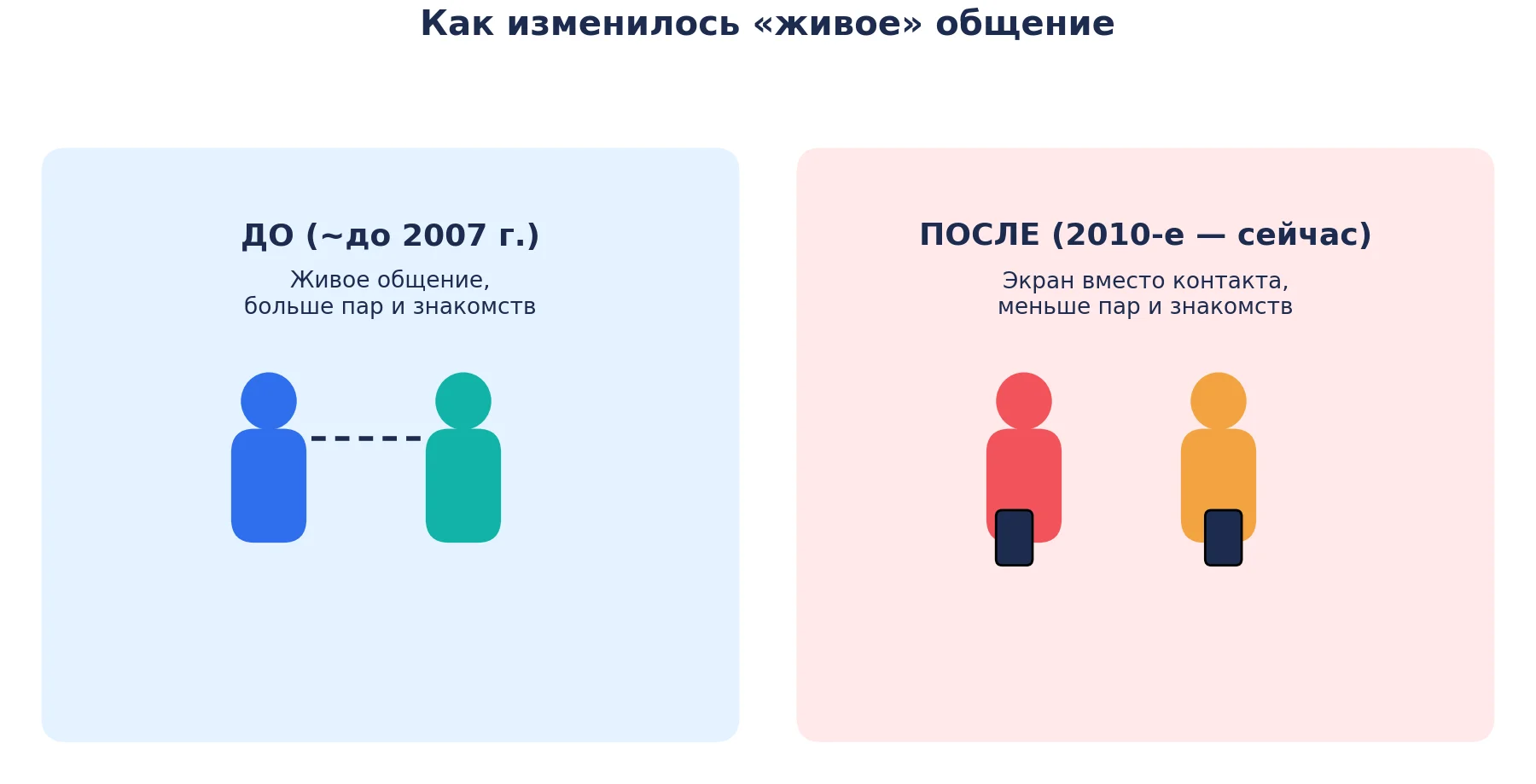 Fig. 1. Changing communication models: live meetings vs. screens.
- Post-2010–2012: The Social Media Era Accelerates the Trend
While the first phase (2007–2012) largely coincides with the rise of the smartphone as a device, the second wave is associated with social media in its current form—feeds, endless scrolling, and algorithmic content personalization—which took shape around 2010–2012 (Instagram launched in 2010, Facebook acquired it in 2012, and the explosive growth of its audience worldwide occurred in the first half of the 2010s). Financial Times journalist John Burn-Murdoch demonstrated that if you plot birth rate graphs for different countries not by calendar year, but by the number of years since the mass adoption of smartphones in each specific country, the decline curves look almost identical—regardless of healthcare system, religion, abortion laws, or the phase of the economic cycle. A new study (June 2026), also published as an NBER working paper, expanded the sample and clarified that part of the smartphone's effect on fertility is due not only to fewer in-person encounters, but also to the rise in pornography consumption as a substitute for partnered sex, as well as an overall reduction in the time young people spend together offline. Commenting on these results, demographer Kaitlin Gemmill points out an important nuance: early studies from 2007–2011 captured only the first phase of smartphoneization—long before phones adopted algorithmic feeds, infinite scrolling, and other features specifically designed to retain attention. In other words, the social media impact of the second half of the 2010s could have overlapped with and amplified an already established trend.
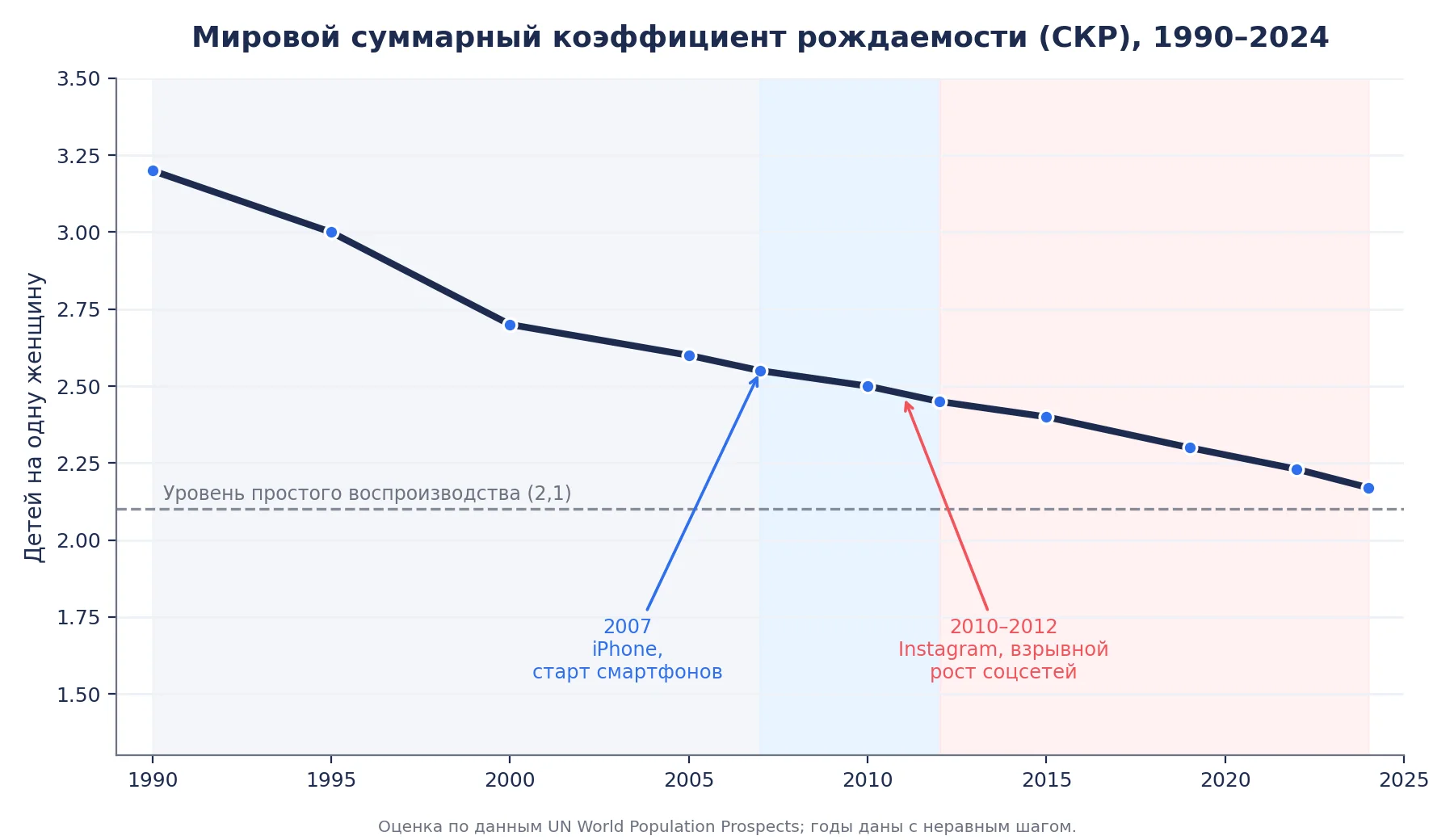 Figure 1. Global total fertility rate, 1990–2024, with key technological milestones.
- What mechanism do researchers suggest?
Direct causal proof is difficult to obtain here—demographers rely on correlations and natural experiments (for example, comparing counties with different levels of 3G/4G network coverage during the same period). However, several converging hypotheses have emerged in the literature: ● Less unstructured personal communication - it was this that used to most often lead to unplanned teenage and young pregnancies, but now it has been partially replaced by correspondence and feeds. ● Replacing offline dating - dating apps allow you to “scroll through” hundreds of profiles in an evening, but, according to researchers, the selection is becoming more superficial and picky, which reduces the proportion of people who actually find a partner. ● Increased anxiety and social comparison through social networks, postponing “adult” decisions – marriage, having a child – to a later age. ● Increased consumption of digital content (including pornography) as a partial substitute for real relationships. Importantly, most authors emphasize that the smartphone is not the only or fully proven reason, but only one factor among others (housing costs, the education gap, government family support measures), which, however, coincides almost perfectly in time in a wide variety of countries.
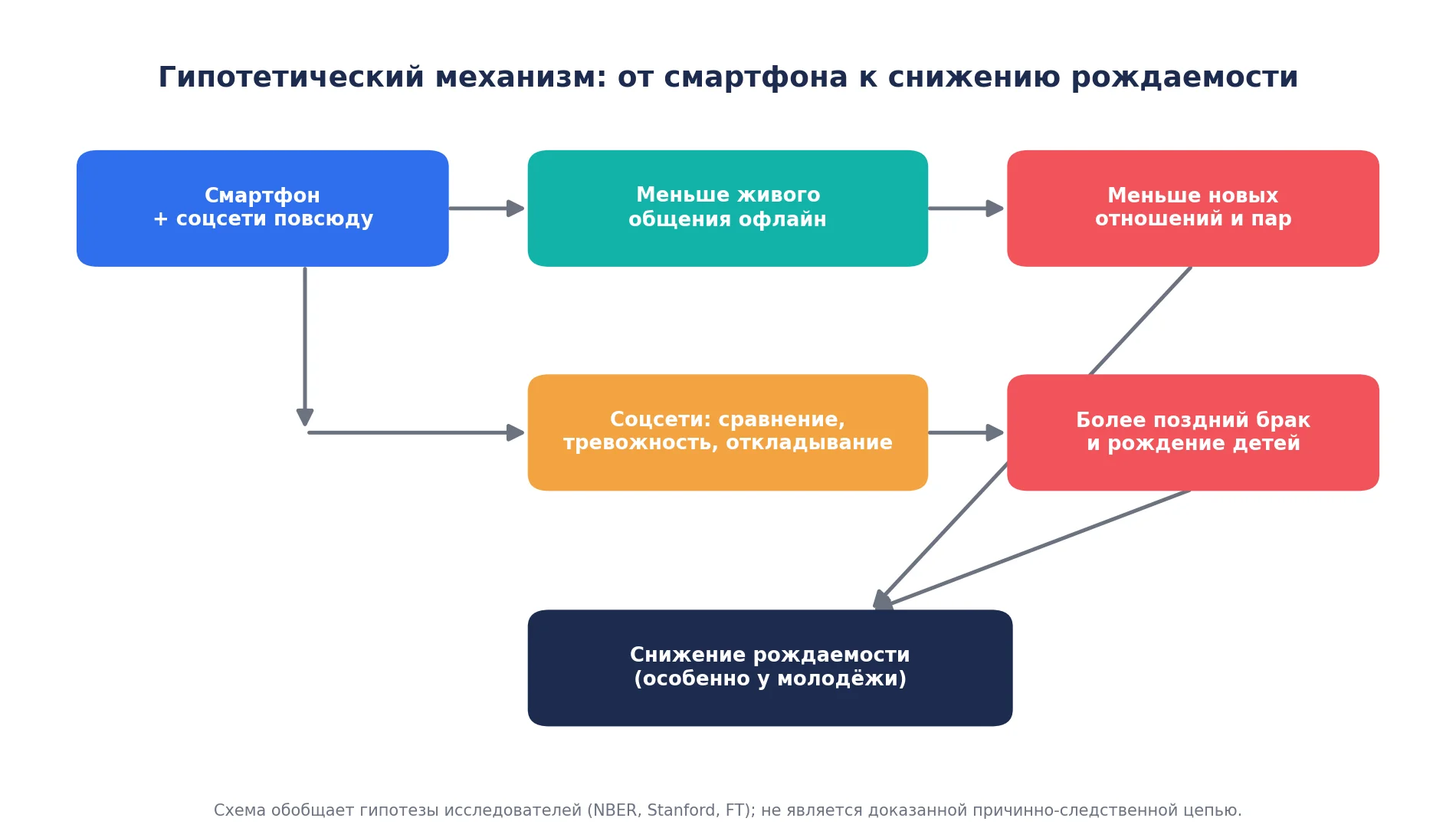 Fig. 2. Hypothetical chain of influence - a generalization of approaches from the cited studies, causality not proven.
- Kazakhstan: Its own trajectory with a similar late reversal
In Kazakhstan, the picture differs from the West and from the global picture in terms of timing, but not in essence. In the 1990s, the total fertility rate (TFR) in the republic fell sharply—from 2.67 in 1991 to 1.79 in 1999, significantly below the replacement level (2.1). This was a consequence of the economic crisis following the collapse of the USSR, not technology. In the 2000s and most of the 2010s, the birth rate in Kazakhstan, on the contrary, was rising, driven by economic recovery, family support programs, and the echo of the demographic wave. According to the Bureau of National Statistics, the TFR increased almost annually: 2.62 in 2012, 2.64 in 2013, 2.73 in 2014, 2.74 in 2015, 2.77 in 2016, and by 2020, it had reached 3.13—one of the highest rates in the post-Soviet space. A turning point occurred in the second half of the 2010s and early 2020s: by early 2024, 18.9 million people (92.3% of the population) used the internet in Kazakhstan, and approximately 14 million were active social media users—almost 3.7 million more than the previous year. According to GSMA Intelligence, mobile connections in the country now reach 133% of the population. WhatsApp, YouTube, and Instagram consistently rank among the top three most widely used apps in the country. It was precisely against this backdrop of saturation that the TFR in Kazakhstan began to decline: 3.05 in 2022, 2.96 in 2023. The crude birth rate (births per 1,000 population) was 19.52% in 2023, and 18.15% in 2024; the number of births in 2024 decreased to 365,900 from 388,400 the previous year. The Bureau of National Statistics has recorded that the birth rate in the country has been declining for several years in a row. 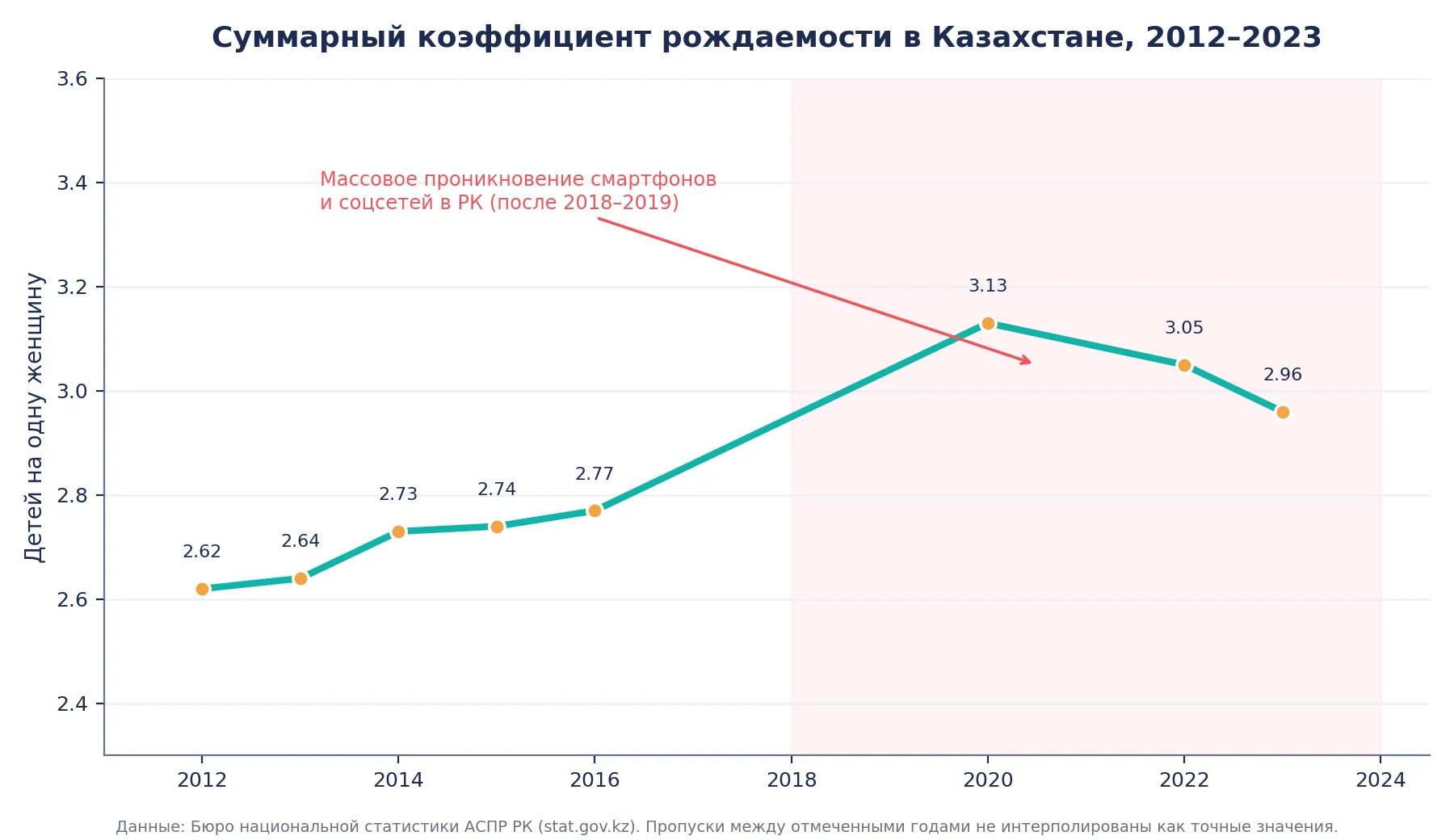 Figure 2. TFR in Kazakhstan, 2012–2023 (Bureau of National Statistics of the ASPR RK). What could this mean for Kazakhstan? ● The peak birth rate (2019–2020) in Kazakhstan occurred around the time when smartphones and mobile internet became truly widespread and cheap, and not just available in large cities. ● The decline after 2020 coincides not only with the consequences of the COVID-19 pandemic, but also with the period when the social media audience in the country grew especially sharply - that is, the effect of technology and the effect of the pandemic overlapped, and it is not yet possible to separate their contributions using open data. ● In Kazakhstan, unlike Western Europe and the USA, the birth rate remains high by historical standards (TFR is around 2.9–3.0 versus 1.2–1.6 in many EU countries), so the effect of “smartphoneization” is currently slowing down growth rather than bringing the indicator down below the replacement level – but the direction of the trend coincides with the global one. ● The highest birth rate in the country remains in regions with a more traditional way of life (Turkestan, Mangistau regions), while in large cities and northern regions with higher internet penetration, the figures are noticeably lower than the national level - which is also consistent with the global hypothesis.
- Not just a smartphone
It's worth being careful with causality. The authors of all the cited studies acknowledge that rising housing costs, longer education periods, the spread of contraception, and changing attitudes toward marriage and women's careers all explain a significant portion of the global birth rate decline and were already in effect before smartphones. Smartphones and social media are likely not the sole cause, but rather an accelerator of an existing trend, adding to the synchronicity: different countries with different cultures and policies began declining birth rates almost simultaneously with the advent of technology, and not solely due to local factors.
Sources ● National Bureau of Economic Research (NBER) - “Is the iPhone Birth Control?”, 2026. ● CNN, “Smartphones arrived just before the US fertility rate plunged. One study says it's a direct cause", June 2026. ● Financial Times, John Burn-Murdoch - “Why Birth Rates Are Falling Everywhere All At Once.” ● University of Cincinnati (N. Hudson, H. Moscoso Boedo) - study on broadband/4G coverage and teen birth rates. ● Bureau of National Statistics of the Agency for Strategic Planning and Reforms of the Republic of Kazakhstan (stat.gov.kz) — birth rate data for 2022–2024. ● DataReportal / GSMA Intelligence - digital statistics of Kazakhstan, beginning of 2024. ● Women and men of Kazakhstan (gender statistics stat.gov.kz) — table of the TFR 2012–2016.
❓ FAQ
In what year did the iPhone come out and mark the turning point in birth rates in the US and UK?
The iPhone came out in 2007, and that's when the birth rates in the US, UK, and Australia began to show a sharp divergence.
By how much has the US birth rate fallen since 2007, according to the NBER?
The NBER study, "Is the iPhone Birth Control?", finds that the US birth rate has fallen by 22% since 2007.
What year do researchers cite as the start of the explosive growth of social media (the launch of Instagram)?
Instagram launched in 2010, and by 2012 (following its acquisition by Facebook), the social media platform began to experience explosive growth in audiences around the world.
What level of the TFR did Kazakhstan reach in the peak year of 2020?
In 2020, the total fertility rate in Kazakhstan reached 3.13—one of the highest in the post-Soviet space—after which it began to decline.
What level of the TFR is considered "simple population replacement" (excluding migration)?
The TFR is about 2.1 children per woman—the threshold at which each generation, on average, replaces itself without taking migration into account.
📚 Read also

Инновации в медицине: действительно ли мы нашли «лекарство от рака»?
Существует ли универсальная таблетка от рака? Вместо поисков «волшебной пилюли» наука совершила революцию в персонализированном лечении. Узнайте, как иммунотерапия, таргетные препараты, мРНК-вакцины и жидкая биопсия уже сегодня превращают смертельный приговор в излечимую или управляемую хроническую болезнь, спасая миллионы жизней.

Biohacking for Beginners in Kazakhstan 2026: How to Hack Your Body to Live Longer, Sleep Better, and Have More Energy - Gadgets, Supplements, and Protocols with Prices in Tenge
Biohacking is not about million-dollar investments in stem cells, but about a systematic approach to sleep, nutrition, and movement. The Lemag.kz team has compiled a practical guide to optimizing the body in the realities of Kazakhstan: which gadgets really work, which supplements to buy in local pharmacies, how to adapt intermittent fasting, and how to start 'hacking' your body with a budget from 0 to 50,000 tenge per month.

Дети на заказ: Как редактирование ДНК стирает грань между медициной и евгеникой
Мечта о «идеальном ребенке» перестала быть фантастикой. Технология CRISPR позволяет редактировать ДНК эмбрионов, но готова ли человечество к эре «детей на заказ»? Разбираем научные факты, этические бездны и реальные исследования генной инженерии.
💬 Comments (0)
No comments yet. Be the first!
Leave a comment
Comments are pre-moderated.