
Gadgets in August 2026: Folding iPhones, glasses instead of phones, and suddenly expensive memory

August 2026 was a month of technological advancements: Apple finally unveiled the first foldable iPhone, AR glasses became lighter than regular glasses, and RAM prices soared to a five-year high. TeamLemag.kzI've broken down each trend with prices in tenge, availability in Kazakhstan, and answers to the main question: buy now or wait.
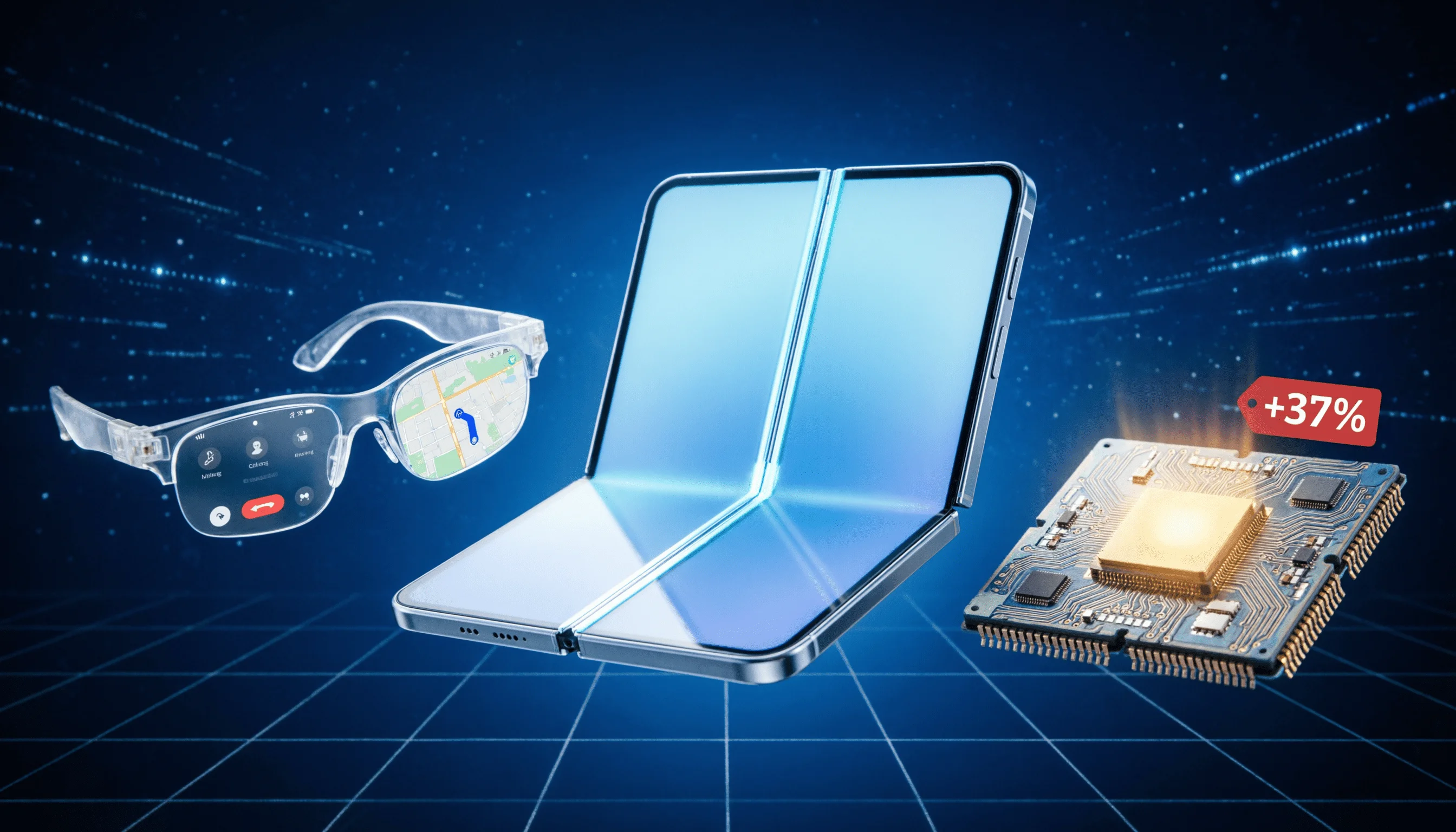
1. Three Key Trends for August 2026
? Foldable smartphones are becoming the norm.While in 2024 this was an exotic $2,000 device, now every major brand has at least one model. Apple, the last of the "big three," has finally entered the market.
? AR glasses are moving out of the niche.Devices weighing 40-50 grams (the same as regular glasses) with a full-fledged operating system and 8 hours of battery life are now a reality. Not an experiment, but a product.
? Memory is getting more expensive.DDR5 RAM and SSD prices have doubled to tripled in the past six months. This is due to a chip shortage and a shift in production toward AI accelerators.
August 2026 isn't just about "new gadgets," it's about a paradigm shift: the phone as a device is giving way to an ecosystem of wearables.
2. Folding iPhone: What's known as of August 25
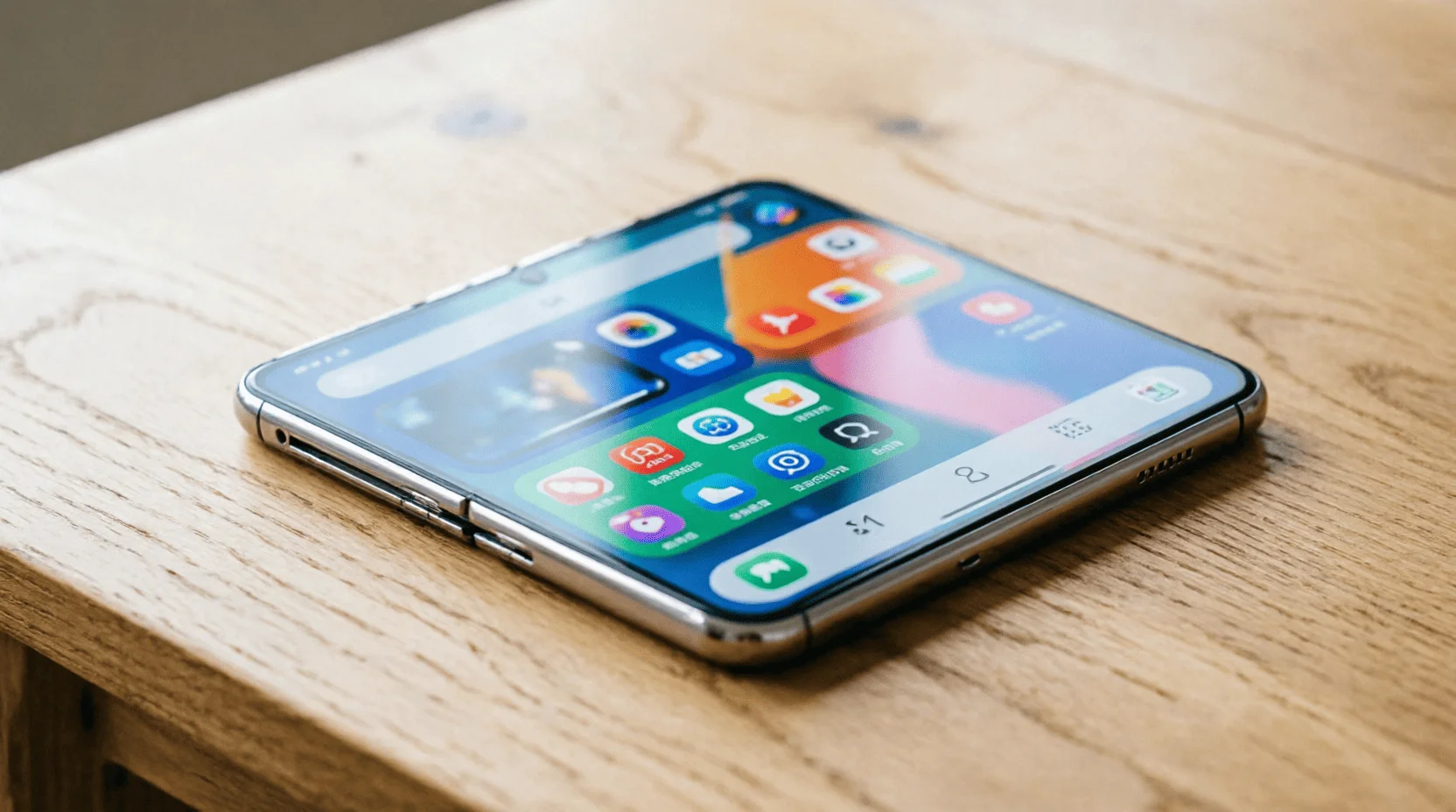
Apple presentediPhone Fold(preliminary title) at a closed developer presentation. Specifications leaked online:
? Screen.The internal display is 7.8 inches (folding), the external one is 5.4 inches. OLED technology is LTPO, 120 Hz, brightness up to 2000 nits.
⚙️ Processor.A20 Bionic (3 nm), 12 GB of RAM. This is the first iPhone with this amount of memory—the foldable form factor requires more resources for multitasking.
? Cameras.Three modules: a 48 MP main camera, a 12 MP ultra-wide camera, and a 12 MP telephoto camera. The front camera is built into the frame (not into the screen, so as not to interfere with the folding mechanism).
? Battery.4500 mAh, 45W fast charging, 15W wireless charging. Apple promises "a day of active use."
? Price.The official starting price is $1,799 in the US. For Kazakhstan, this means1,200,000-1,600,000 tengedepending on the store and the dollar exchange rate.
? Availability in KZ.Official sales will begin in October; the first batches will arrive in Kazakhstan via parallel imports in September at inflated prices (up to 1,800,000 tenge).
We covered the evolution of foldable devices in detail in our article on AI assistants, including a comparison with the Samsung Galaxy Z Fold 6.
3. AR Glasses: When "Glasses Instead of a Phone" Became a Reality
Three manufacturers released consumer AR glasses in August:
Meta Ray-Ban Smart Glasses (2nd generation)
? Weight:45 grams (like regular sunglasses).
? Battery:8 hours of active use, charging case.
? Camera:12 MP, 1080p video recording.
? Controls:voice + gestures + button on the headband.
? Price:$399 → in Kazakhstan ~250,000 tenge.
?? Availability:Not officially sold; parallel import via Dubai - 280,000-320,000 tenge.
Apple Vision Pro Lite (rumors)
According to insiders, Apple is preparing a lighter version of the Vision Pro, weighing 250 grams (down from 650) and priced at $1,500. The announcement is expected in September.
XREAL Air 2 Ultra
? Weight:75 grams.
? Display:Two micro-OLED screens, equivalent to a 130-inch screen at a distance of 3 meters.
? Connection:USB-C to a smartphone or laptop.
? Price:$599 → in Kazakhstan ~380,000 tenge.
?? Availability:available in Technodom and Sulpak since August.

4. Why has memory become three times more expensive?
? Numbers:DDR5 32 GB (two 16 GB modules) cost 45,000 tenge in January 2026 - now120,000-140,000 tenge. SSD NVMe 1 TB: 35,000 →85,000 tenge.
? Reasons:
- Chip shortage.Manufacturers (Samsung, SK Hynix, Micron) have reoriented 40% of their capacity to HBM (High Bandwidth Memory) – memory for NVIDIA H100 AI accelerators.
- Demand for AI.Data centers are buying up memory faster than it can be produced; the consumer segment has become secondary.
- Geopolitics.Restrictions on equipment exports to China have slowed capacity expansion.
? When will it become cheaper?Analysts predict stabilization by November 2026, when new factories in the US and Japan reach full capacity. Until then, shortages and high prices will prevail.
5. Foldable vs. Regular Smartphones: Which to Choose in 2026?
✅ Buy a folding one if:
- work with documents and spreadsheets on the go (a large screen is more convenient);
- watch a lot of videos outside the home;
- want a 2-in-1 device (phone + tablet);
- budget allows (from 800,000 tenge).
❌ Stay on regular if:
- a phone is needed for calls and instant messaging;
- reliability is important (folding mechanisms break more often);
- the budget is limited (a typical flagship costs 400,000-600,000 tenge).
? Price comparison in Kazakhstan (August 2026):
| Устройство | Цена |
|---|---|
| iPhone 16 Pro (обычный) | 580 000 ₸ |
| iPhone Fold (складной) | 1 400 000 ₸ |
| Samsung Galaxy Z Fold 6 | 950 000 ₸ |
| Samsung Galaxy S25 Ultra | 620 000 ₸ |
6. AR glasses: who really needs them?
?? Professionals.Engineers, architects, doctors – overlaying diagrams and data onto the real world saves hours.
? Travelers.Translation of signs, navigation with arrows on the sidewalk, information about landmarks - without taking out your phone.
? Athletes.Pace, heart rate, route right in your field of view - safer than looking at your watch.
❌ It's too early if:
- use your phone only for calls and social networks;
- wear glasses with diopters (not all AR glasses are compatible);
- budget less than 200,000 tenge.
We discussed wearable device use cases in our article on smart homes, which also included a link between AR glasses and home automation.
7. How to save on gadgets in 2026
? Past generation.The iPhone 15 Pro has dropped in price by 30% since the 16th's announcement: 420,000 tenge instead of 580,000. The difference in performance is 10%, and in price - 28%.
? Refurbished.Officially refurbished devices (Apple Certified Refurbished, Samsung Certified Re-Newed) are 20-25% cheaper with a full warranty.
⏰ Wait for the sale.Black Friday (November) and pre-New Year sales (December) are the best times for shopping.
? Parallel import.Via Dubai and China, it's 15-20% cheaper, but without an official guarantee; suitable if you're willing to take the risk.
? Memory.If it's not urgent, wait until November; prices will stabilize after the new factories launch.
8. Ecosystem 2026: Devices work together
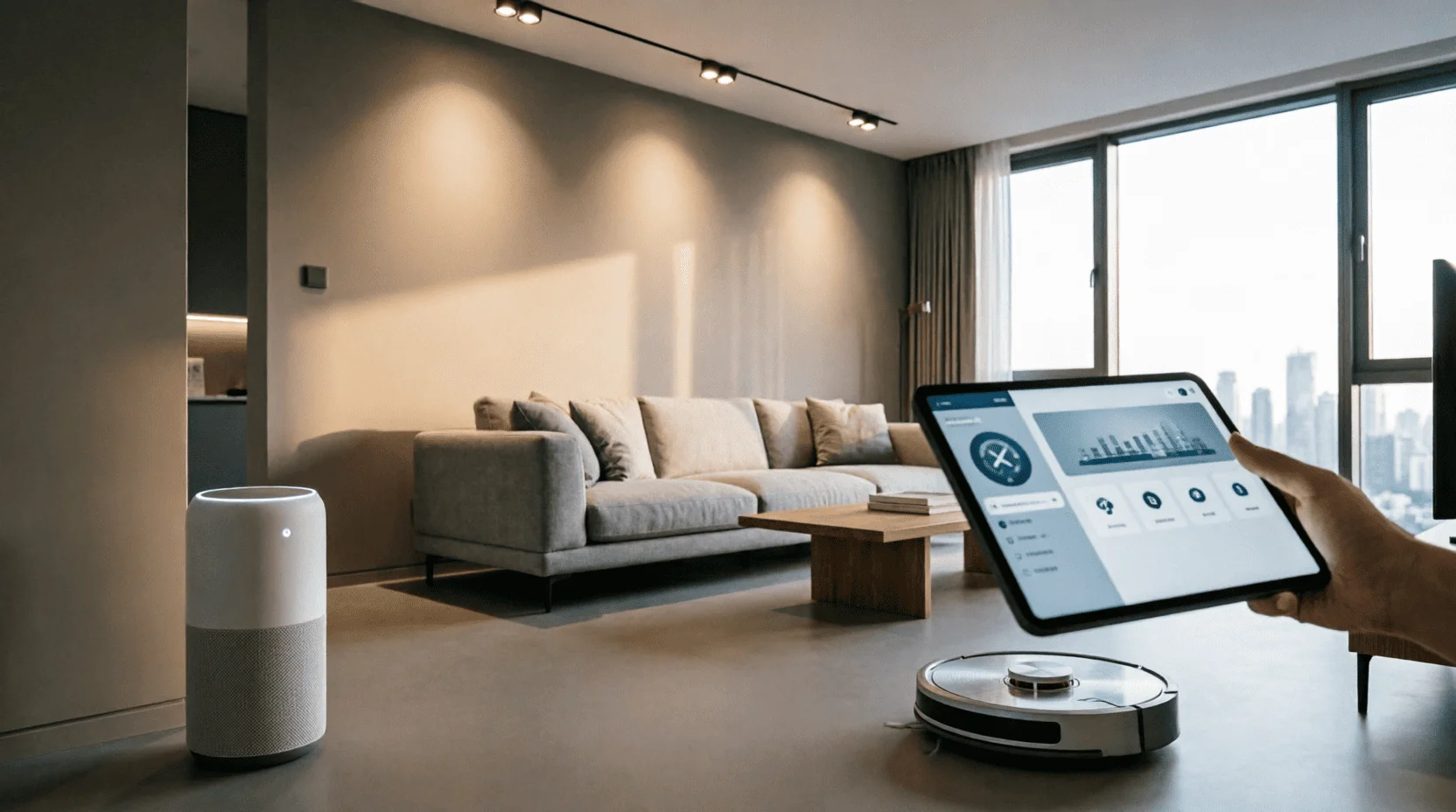
? Phone + AR glasses.Calls, notifications, navigation - everything is in the glasses, the phone is in your pocket.
? Laptop + foldable smartphone.Continuity (Apple) and DeX (Samsung): Start working on your phone and continue on your laptop without losing context.
? Smart home.Voice control via glasses: “turn on the light in the bedroom”, “put the kettle on” – without an app.
⌚ Hours.Health monitoring + notifications; AR glasses show details (e.g. running route).
We covered setting up a smart home in detail in our article on AI assistants, which also includes ready-made automation scenarios.
9. What not to buy in August 2026
❌ Last year's flagships without discounts.The iPhone 15 Pro Max at the old price of 680,000 ₸ is a bad deal when the 16th costs 620,000.
❌ First revisions of folding ones.In 6 months, updated versions with improved hinges will be released; the first batches often have defects.
❌ AR glasses without an ecosystem.If a manufacturer hasn't released 50+ apps, points are useless; Meta and XREAL have an ecosystem, while no-name apps don't.
❌ Memory "in reserve".Prices are high; buy only what you need now, the rest in November.
10. Forecast for the end of 2026
? Folding smartphones.Prices will drop by 15-20% after the release of the Samsung Galaxy Z Fold 7 (October) and Huawei Mate X6 (November). Competition will drive prices down.
? AR glasses.They will remain expensive until mass production in 2027; the price will decrease by 10-15% by December due to volumes.
? Memory.Stabilization by November; return to January 2026 prices (DDR5 32 GB - 50,000 ₸, SSD 1 TB - 40,000 ₸).
? AI gadgets.Smart speakers with local (non-cloud) models will be released in November - privacy is becoming a trend.
11. Practical plan: what to buy now
? August-September 2026
- If you need a phone urgently.A regular flagship from the previous generation at a discount: iPhone 15 Pro, Samsung S24 Ultra - the best value for money.
- If you want a folding one.Wait until October (the official iPhone Fold) or get the Samsung Z Fold 6 now - it's 450,000 ₸ cheaper.
- AR glasses.Buy only if you have a specific use case; otherwise, wait until 2027.
- Memory.Wait until November; if it's urgent, take the bare minimum.
? October-December 2026
- Folding smartphones are getting cheaper - time to buy.
- Memory is stabilizing - PC upgrade.
- Black Friday - discounts on everything, including AR glasses.
Result:August 2026 isn't about "buy everything new," it's about "choosing wisely." Folding smartphones have become the norm but remain expensive; AR glasses are for professionals; memory has temporarily gone up in price. The main rule for 2026: don't chase the latest gadgets; choose according to your needs and budget. In a year, these gadgets will be 20-30% cheaper, but your needs will remain the same. ?
❓ FAQ
How much does a foldable iPhone cost in Kazakhstan?
The official price starts at 1,200,000 tenge for the base version; after taxes and logistics, the actual price in Almaty stores is 1,400,000-1,600,000 tenge. This is two to three times more expensive than a standard iPhone.
Are AR glasses worth buying in 2026?
If you work with information, travel, or are often on the go, yes, they save time. For basic use (calls, messaging), it's too early: a phone is more convenient.
Why has memory become so expensive?
A chip shortage and growing demand for AI accelerators, which require fast memory, have led to a shortage of consumer modules. Manufacturers have shifted their capacity to server chips.
Is it possible to save on gadgets in 2026?
Yes: buy the previous generation (discounts up to 30%), buy refurbished from authorized dealers, wait for the November-December sales. New memory – no, better to wait for the market to stabilize.
What gadgets are definitely not worth buying right now?
Last year's expensive flagships without discounts, the first revisions of foldable devices (revised versions will be released in 6 months), AR glasses without an app ecosystem.
What will happen to prices by the end of 2026?
Memory will stabilize by November; foldable smartphones will become 15-20% cheaper after Samsung's competitors launch; AR glasses will remain expensive until mass production in 2027.
📚 Read also
Такси без водителя: Waymo, Cybercab, Yandex и перспективы в Казахстане
Waymo (Google) ездит по США с 2020 года: десятки городов, 4 пассажира, лидар + камеры, уже выезжает на трассы. Цена примерно как у Uber. Tesla Cybercab только стартовал в сентябре 2026 в Остине: 2 места, без руля и педалей, только камеры. Обещают сильно дешевле — до $0,20–0,40 за милю. В Казахстане Yandex уже тестирует роботакси в Алматы. Пилот в трёх городах, коммерческий запуск — 2027. Будущее ближе, чем кажется. Кто быстрее сделает поездки дешевле и безопаснее?

Why AI Creators Ask to Slow AI Down: Anatomy of the Great Deceleration - From the 2023 Letter to Compute Thresholds: The Alignment Problem, Race Game Theory, Lessons of History, and Scenarios for Humanity Through 2040
In spring 2023, a letter calling for a six-month pause on training systems more powerful than GPT-4 was signed by the very people who built those systems. Since then, 'slowing AI' has grown from a marginal idea into an engineering discipline: compute thresholds, eval gates, hardware attestation of chips. The Lemag.kz team unpacks the paradox of the great deceleration: what insiders see when they press the brake, why a unilateral pause loses in game theory, what Asilomar and the nuclear treaties teach, and which four scenarios await humanity through 2040.
Эпоха кибер-атлетов: безграничные возможности гуманоидов и рекорды Всемирных игр роботов в Китае 2026
В конце 2026 года Пекин принял первые полноценные Всемирные игры гуманоидных роботов, которые окончательно доказали, что физические и когнитивные возможности кибер-атлетов выходят за рамки человеческих ограничений. Мероприятие стало триумфом воплощенного ИИ (Embodied AI). Главными сенсациями стали: динамическое прохождение 100-метровой полосы препятствий от Unitree (14,2 секунды), «слепая» тактильная микро-сборка от Fourier (500 деталей за 3 минуты) и 24-часовая логистическая эстафета без остановок. Эти рекорды ознаменовали переход гуманоидов из разряда «интересных демо» в категорию сверхэффективных физических исполнителей, чьи возможности в стандартизированных средах стали безграничны.
💬 Comments (0)
No comments yet. Be the first!
Leave a comment
Comments are pre-moderated.