
Drone delivery in Kazakhstan: how it works and when a robot courier will ring your doorbell
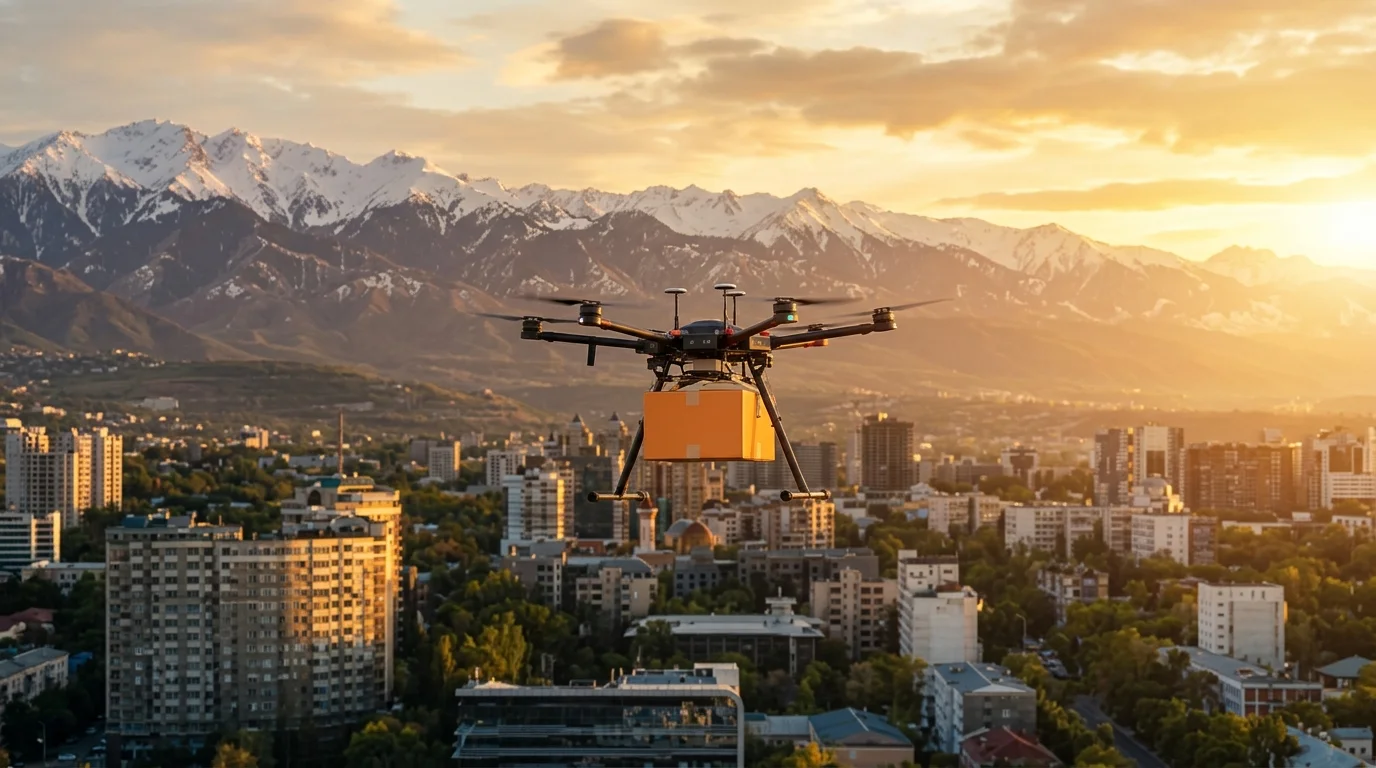
Imagine: you ordered coffee capsules and a charger at 6:40 PM, and at 6:55 PM, a drone gently descends into your yard and delivers the box to your balcony on a tether. It sounds like a science fiction trailer, but this is how residents of certain regions of the US, Rwanda, and Finland are already receiving their orders. Kazakhstan is taking notice: pilot flights are underway, regulations are being drafted, and retailers are calculating the economics. The teamLemag.kzI figured out how air delivery works, what hinders it in our steppe, and when to look to the sky for your order.
1. How Drone Delivery Works: Five Steps in the Chain
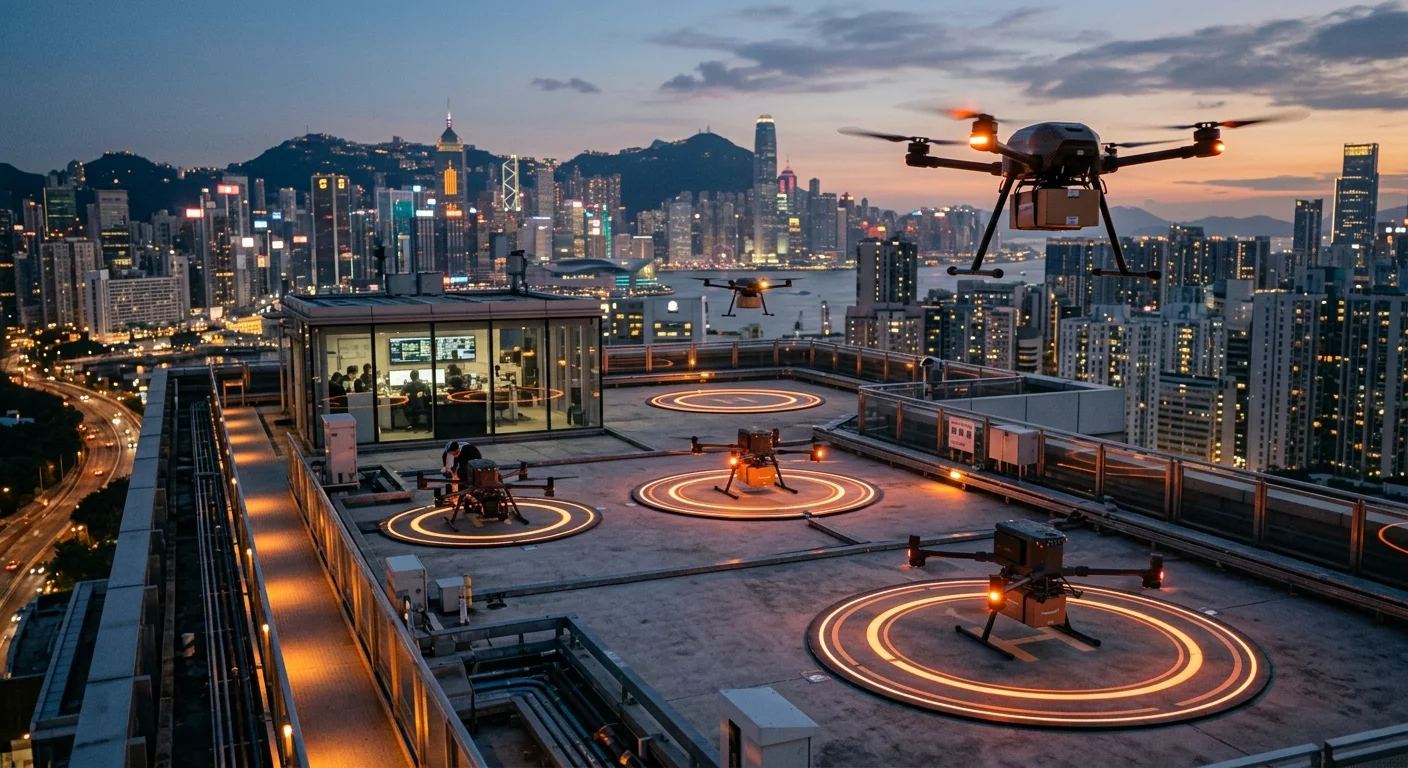
? Step 1. Dark store.The order is not picked in a display case, but in a compact warehouse hub on the roof or in a block - a "dark store" without customers, only shelves and a picking robot.
? Step 2. Slot and battery.The system assigns the drone a flight slot, checks the battery and weather conditions along the route – wind, precipitation, temperature.
? Step 3. Corridor.The flight takes place along a digital corridor above the sky reserved for drones: away from schools, markets, and power lines, at an altitude of 60–120 meters.
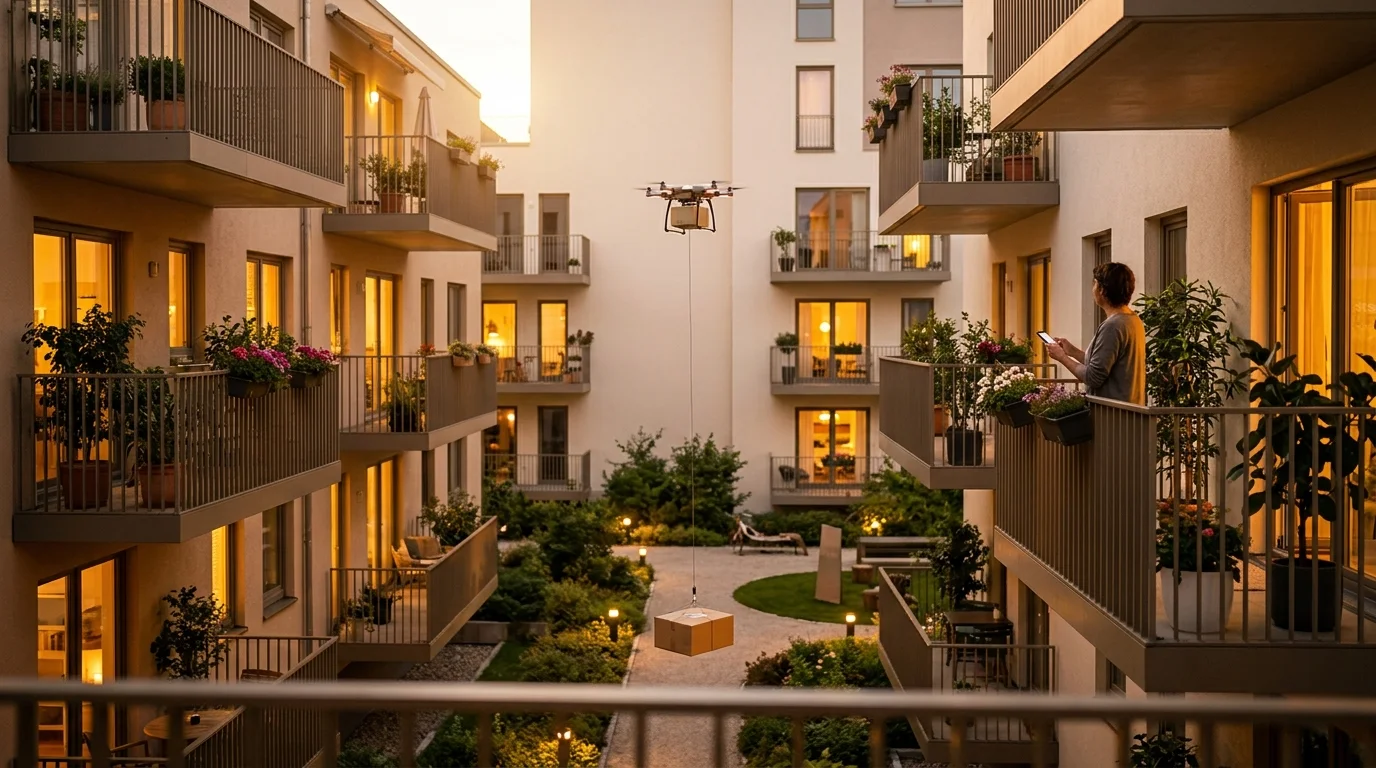
Step 4. Reset point.The camera and lidar search for a clear spot in the yard or a marker on the balcony; the box is lowered on a cable—the drone doesn't land and doesn't stir up dust or children.
? Step 5. Return and charge.The device goes to a pad where a machine changes the battery in 90 seconds – a conveyor belt, like at a Formula 1 pit stop.
The entire journey from the shelf to the courtyard takes 12-18 minutes. A courier in Almaty's traffic jams never dreamed of such a journey.
2. Worldwide route: who's already flying and in what numbers
? Zipline (Rwanda, Ghana, USA)- An industry veteran: over a million deliveries, mostly blood, vaccines, and prescriptions, to villages that take an hour to reach by road and 12 minutes by drone.
? Amazon Prime Air and Wing (USA)- Commercial deliveries from stores: batteries, salads, coffee. The goal is a 30-minute click-to-door delivery time and a cost of about $1-2 per parcel for large volumes.
Northern Europe- Delivery between islands and through bays: where a ferry takes an hour, a drone flies for six minutes.
What they all have in common is that drones win wheretime and traffic jamsmore expensive than the parcel itself.
3. Kazakhstan: What's Flying Today
Kazakhstan is not a spectator: the country is among the first to legalize experiments with unmanned delivery.
? Off-road medicine.Pilot routes transport tests and vaccines between district centers and regional hospitals: in winter, when the steppe roads are snowed in, this isn't a service, but a lifesaver.
? Postal tests.National operators have been working on delivering mail and small parcels to villages where a daily truck trip is not economically viable.
? City demos.Closed demonstration flights for food delivery and retail were held in Almaty and Astana in partnership with technology companies – testing grounds for future regulations.
4. Heaven by the Rules: What the Law Permits
The air is not a wild territory: every flight lives by rules.
- Registration and certificationapparatus and operator;
- geofences- automatic bans on airports, markets, schools;
- heights and corridors- drone echelons separated from manned aircraft;
- liability insurance- like MTPL, only for the sky.
Kazakhstan's regulations for drones are among the most progressive in the region: the regulator is taking a "conditional permit" approach, rather than a "permanent ban." This is the key foundation for future urban delivery.
5. Economy: Why the sky is cheaper than asphalt
? Courier by car - $5-10 per delivery.Salary, gasoline, depreciation, downtime in traffic jams and elevators.
? Drone - $1-2 at scale.Electricity is cheap, one operator-dispatcher manages dozens of devices, and traffic jams in the sky do not form: corridors are distributed according to altitude.
? Infrastructure pays for itself with flow.The rooftop hub and charging pads are one-time investments; after that, each delivery is almost marginal. Therefore, marketplaces and grocery chains will be the first to take to the skies: they have the order density that feeds the conveyor belt.
6. Steppe, heat and -30: the Kazakh character
Our geography has its own test for drones.
? Wind.Steppe and mountain currents are eroding lightweight aircraft; the solution is wind-resistant "helicopter + wing" configurations and wind forecasts accurate to the quarter.
? Frost.The battery at -25°C is only half-capacity; engineers are installing heating, warm covers, and winter hubs where the drone can warm up between flights.
? Heat and dust.+40°C and fine dust are the enemy of engines; filters and heat-resistant materials have already become standard equipment for "steppe" vehicles.
The irony is that a harsh climate is the best exercise machine: a machine that survives February and July in Almaty will survive almost any market in the world.
7. Delivery Robots on the Ground: Quiet Sidewalk Neighbors
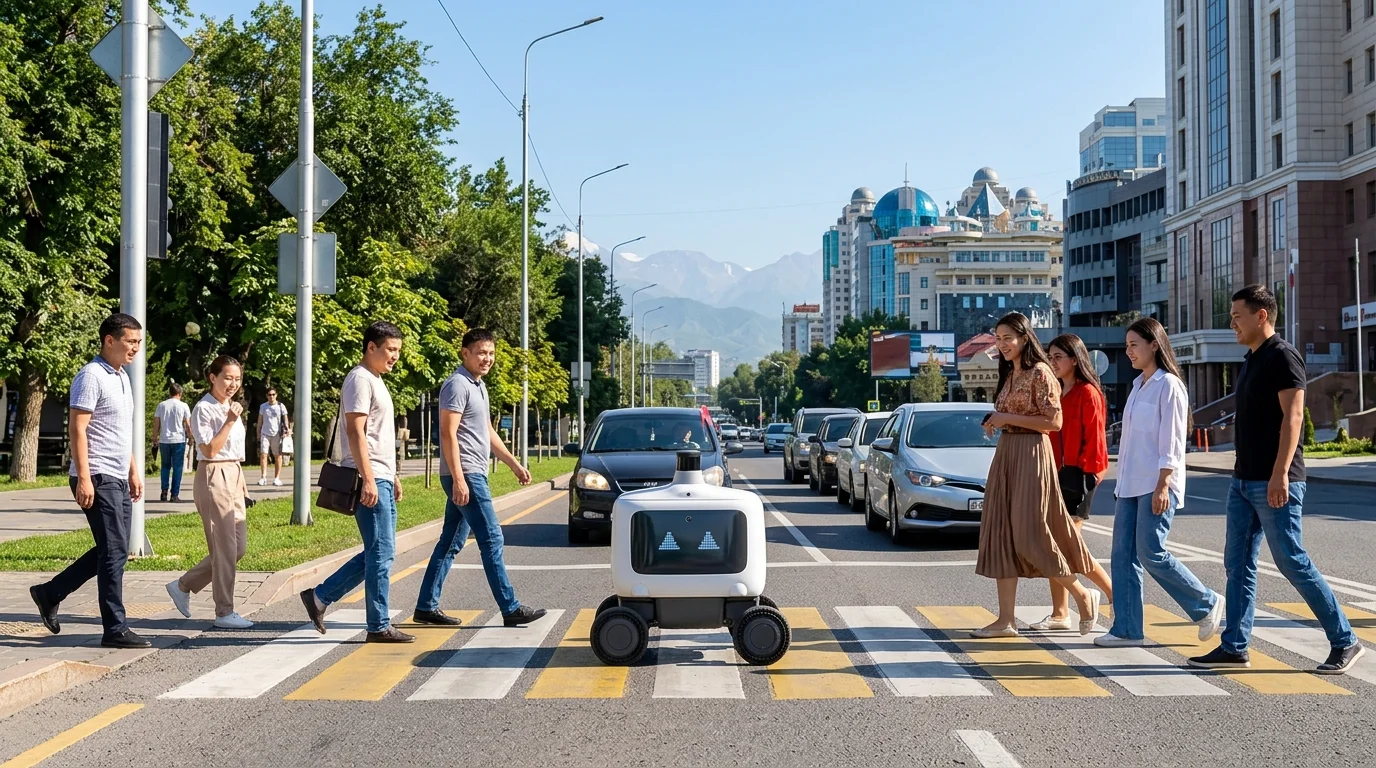
While drones are conquering the skies, ground-based delivery robots are already rolling along sidewalks: six wheels, a camera, and a compartment with a code from an app. Around the world, they deliver food and groceries "last mile"—the 3-5 km radius of a factory kitchen.
? Pros:They don't get stuck in traffic jams, they don't take up parking spaces, they run on electricity.
? Cons:Curbs, snow, and a "people's path" across the sidewalk—the urban environment isn't ready yet, and robots are teaching it politeness, while the city is teaching it tolerance.
A drone-rover hybrid will cover both scenarios: the sky for urgent tasks, the sidewalk for heavy ones.
8. Safety: What happens if things go wrong?
The engineers covered the main fear of "what if it falls" with layers of protection:
- duplication of motors- the device holds even at half thrust;
- parachute- deploys in case of loss of control, dampening the fall to a safe speed;
- geofences and altitude- the route is not built over people in principle;
- rope instead of landing- The drone does not touch the ground in yards where there are children and dogs.
Pilot program statistics are stubborn: incidents with damage are few and far between for hundreds of thousands of flights, and each one is handled as an aviation event—with a report and firmware updates for the entire fleet overnight.
9. How the Sky Will Change E-Commerce
When delivery becomes 15 minutes and almost free, the very logic of shopping changes.
? Disappears "in reserve".People stop saving: cereals and capsules arrive in an evening, as if from a pantry.
⚡ Impulse becomes a service."Forgot my charger before a business trip" - can be solved in 20 minutes, not a trip to the mall.
? Shops go to the sky.A storefront is an annex, a warehouse is a roof; renting storefront space is becoming pointless, and hubs in residential areas are winning.
For Kazakhstani e-commerce, this is a chance to leapfrog the "three-day courier" era: building a network of hubs right away, just as they once jumped from landline to mobile phones.
10. People and the sky: who will work in the new logistics system?
Drones don't replace people - they change professions.
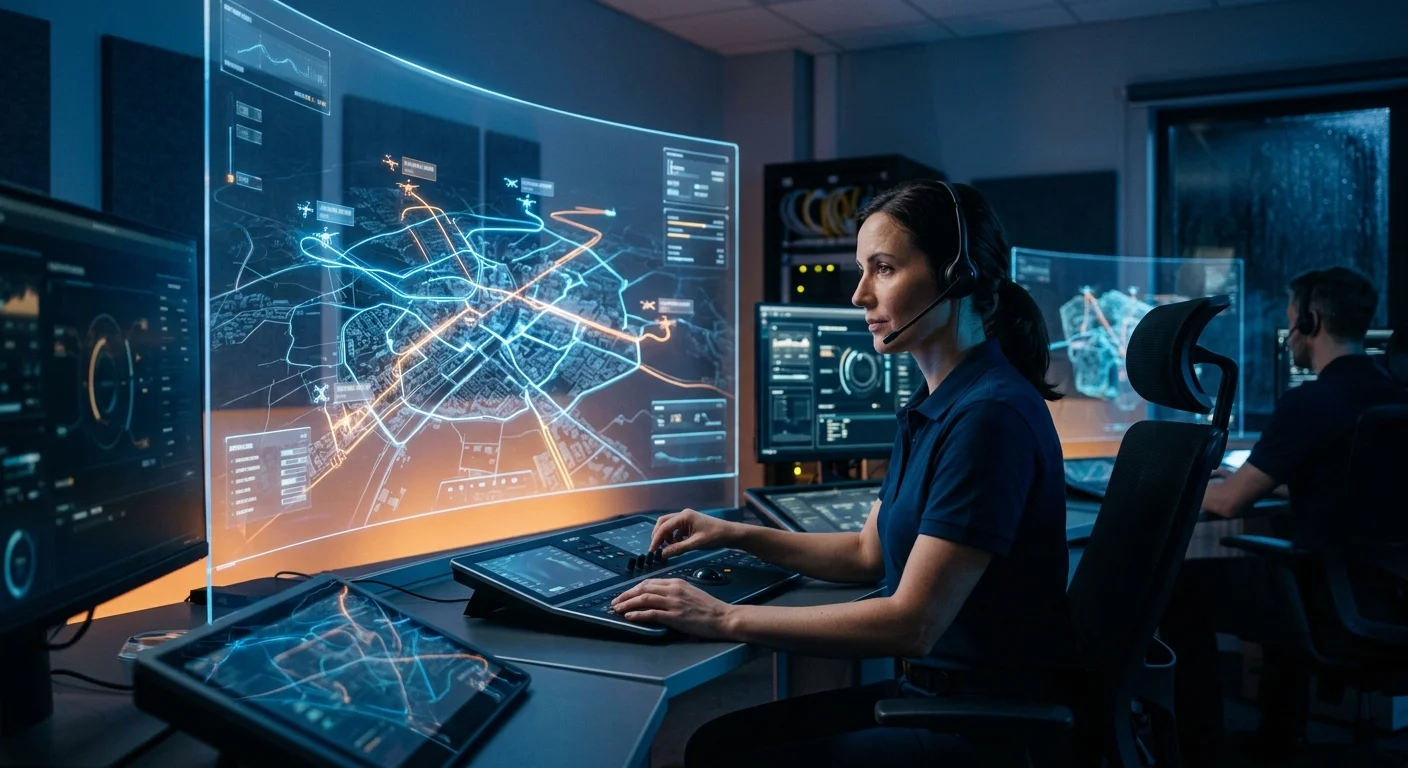
Operators and dispatchers- One person controls 30–50 devices at the same time: these are new “drivers” with a remote control and a map.
? Hub Engineers- Batteries, motors, pads: a fleet of hundreds of drones is a small squadron with maintenance regulations.
? Dark Store Collectors- Assembly speed becomes a bottleneck: the drone waits 90 seconds, no more.
Couriers will remain where human flexibility is needed: oversized deliveries, floors without elevators, "wait, I'll be down." The sky will take away the routine, the earth will leave behind the complex.
11. One Day in 2030: A Chronicle of the Sky Over Almaty
07:10 - A delivery drone delivers samples from a village to a regional laboratory: the road is snowed in, but the sky is not.
12:40 PM - A student orders headphones for her classes; at 12:58 PM, the box is dropped off in the university courtyard at the tag in the app.
6:20 PM - The family is expecting guests: capsules, lemonade, and ice arrive on two flights while the table is being set.
10:00 PM – Hubs enter night mode: charging, maintenance, wind map updates. The city sleeps, the sky prepares for the morning.
Result:Drone delivery isn't a tech giant's amusement park, but the next chapter in logistics: faster, cheaper, cleaner. Kazakhstan has almost everything it needs—progressive regulations, strong mathematicians, and the wind that trains the world's best drones. All that's left is rooftop hubs, sky corridors, and a couple of years of patience. And then we'll just get used to looking up when the notification rings, "Your order has arrived." ?
❓ FAQ
Are delivery drones already flying in Kazakhstan?
Yes, at the pilot and test level: medical and postal routes outside cities, and targeted demo flights in metropolitan areas. Mass urban delivery requires regulations and infrastructure—that's what's needed in the next two to four years.
How much does drone delivery cost compared to courier delivery?
Globally, drone delivery costs have already dropped to $1-2 per parcel, compared to $5-10 for courier vehicles. In Kazakhstan, the initial cost will be higher, but it will become cheaper once volumes are reached.
What happens if the drone crashes?
The drones are equipped with parachutes, backup motors, and geofences: flights over people and schools are automatically prohibited. The drop site is selected using a camera and lidar—the box is lowered by a cable, and the drone does not land.
What weight and size of package can a drone carry?
The industry standard is up to 2-3 kg, the size of a shoebox: this accounts for 85% of e-commerce parcels. Larger shipments are reserved for traditional logistics.
Will the drone freeze in the Kazakhstan winter?
This is the main engineering challenge: batteries lose capacity in the cold, and the steppe wind blows away lightweight devices. Solutions include battery heaters, wind-resistant housings, and winter charging hubs.
Will drones replace couriers completely?
No: drones will handle urgent, lightweight orders and the "last kilometers" of traffic-free deliveries, while couriers will remain for larger items and difficult addresses. A hybrid system is the norm in the 2030s.
📚 Read also

Эволюция искусственного интеллекта от диалоговых ботов к автономным исполнителям
ИИ-агенты знаменуют эволюционный переход от традиционных чат-ботов к автономным цифровым исполнителям, способным самостоятельно планировать действия, управлять интерфейсами компьютеров и выполнять сложные многошаговые задачи в фоновом режиме без постоянного контроля человека. В отличие от простых систем формата «вопрос-ответ», ключевые решения от ведущих техногигантов — включая OpenAI (Operator/Dots), Anthropic (Claude Computer Use), xAI (Grok), Microsoft, Google и Salesforce — нацелены на достижение конкретного результата: от написания кода и работы в CRM до управления личными сервисами и приложениями. Развитие этой технологии кардинально меняет подход к автоматизации, смещая фокус с обычной генерации текста на решение реальных прикладных задач и оценку эффективности по конечному результату.
Развитие искусственного интеллекта: мультимодальность Astra и аналитическая мощь Claude Opus 5.5
Сравнительный анализ двух концептуальных векторов развития искусственного интеллекта — визуально-пространственного (Google Astra) и аналитико-агентного (Claude Opus 5.5). Современный ИИ развивает две разные компетенции: Astra становится «глазами и ушами» человека в физическом мире, а Claude Opus 5.5 взяла на себя роль автономного эксперта в цифровой среде и инженерии.
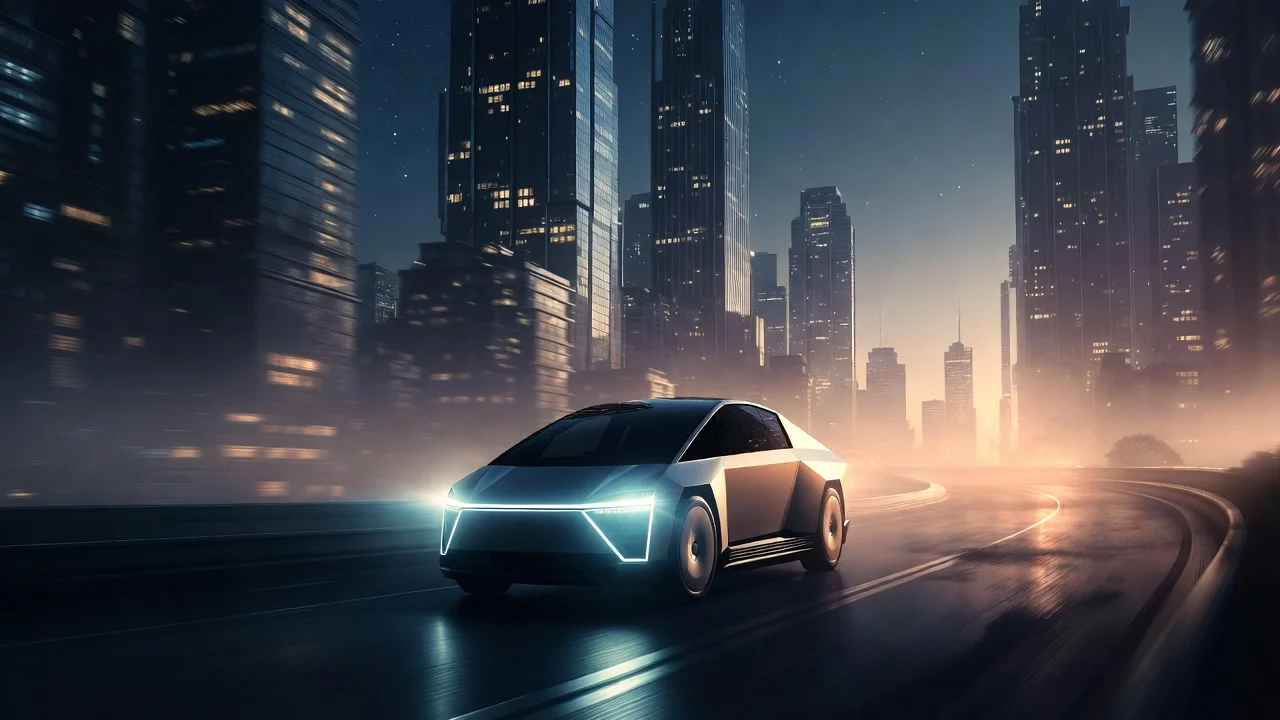
Такси без водителя: Waymo, Cybercab, Yandex и перспективы в Казахстане
Waymo (Google) ездит по США с 2020 года: десятки городов, 4 пассажира, лидар + камеры, уже выезжает на трассы. Цена примерно как у Uber. Tesla Cybercab только стартовал в сентябре 2026 в Остине: 2 места, без руля и педалей, только камеры. Обещают сильно дешевле — до $0,20–0,40 за милю. В Казахстане Yandex уже тестирует роботакси в Алматы. Пилот в трёх городах, коммерческий запуск — 2027. Будущее ближе, чем кажется. Кто быстрее сделает поездки дешевле и безопаснее?
💬 Comments (0)
No comments yet. Be the first!
Leave a comment
Comments are pre-moderated.