
Business in a village or rural area in Kazakhstan 2026: 14 low-investment ideas – from glamping to a home cheese factory
In 2026, the village ceased to be a "point of churn": the internet and marketplaces have eliminated the main historical problem—sales, government support has lowered the barrier to entry, and urban demand for eco-products and rural experiences is growing faster than supply. TeamLemag.kzI collected 14 viable rural ideas with investments starting from 300,000 tenge, calculated the economics of three flagship formats, and laid out a 90-day launch plan—without rose-colored glasses or "millions in a month."
1. Why the village is a new entry point for business
? The Internet has closed the question of distance.Orders, payments, promotions, and logistics aggregators operate from the village, just as they do from Almaty.
? Government support.Grants for start-ups, preferential loans, and employment programs are biased toward rural projects: the state is interested in keeping the economy local.
? Urban demand.Eco-products, "real kurt," farm cheese, rural relaxation—the city pays a premium for the origin and history of the product.
? Cheap base.A house, land, and farmstead are assets that a rural resident already owns; an urban startup pays rent for them.
2. Three rules of rural business
? Sales before volume.First, two or three points of sale or a queue for direct mail—then investments in expansion; the opposite order buries rural projects.
? Logistics are calculated immediately.The cost and time of delivery to the regional center change the unit economics; the product must survive the journey.
? Seasonality is factored into the plan.The summer peak feeds the winter: preservation, processing, and "winter" formats (greenhouse, online sales) are planned in advance.
Rural businesses win not by scale, but by origin: the "made in our village" story sells for more than glossy magazines.
3. Ideas for up to 500,000 tenge: entry without a loan
? Collection and fermentation of steppe herbs.Thyme, oregano, St. John's wort, fireweed: harvested, dried, blended, craft-packaged; a pack costs hundreds of tenge, retails for 5-8 times that amount. Channels: marketplaces, tea shops, and our own Instagram account.
? Homemade kurtas and milk.What half the villages can do; the winner's distinguishing features are sanitation, a stable recipe, and packaging with a history. Starting price: 150,000–300,000 rubles for equipment and packaging.
? Homemade baked goods to order.Tandoor flatbreads and bauyrsaks for events: pre-ordering eliminates the risk of unsold items; delivery to the regional center once a week.
? Beekeeping for 5-10 hives.Honey, wax, propolis; first season – experience, second – profit; starting price ~400,000.
? SMM for rural producers.A paradoxical niche: you live in a village and manage social networks for neighboring farms for a monthly subscription fee of 30-60 thousand rubles per client—without any investment.
4. Ideas 0.5–3 million tenge: the first real business
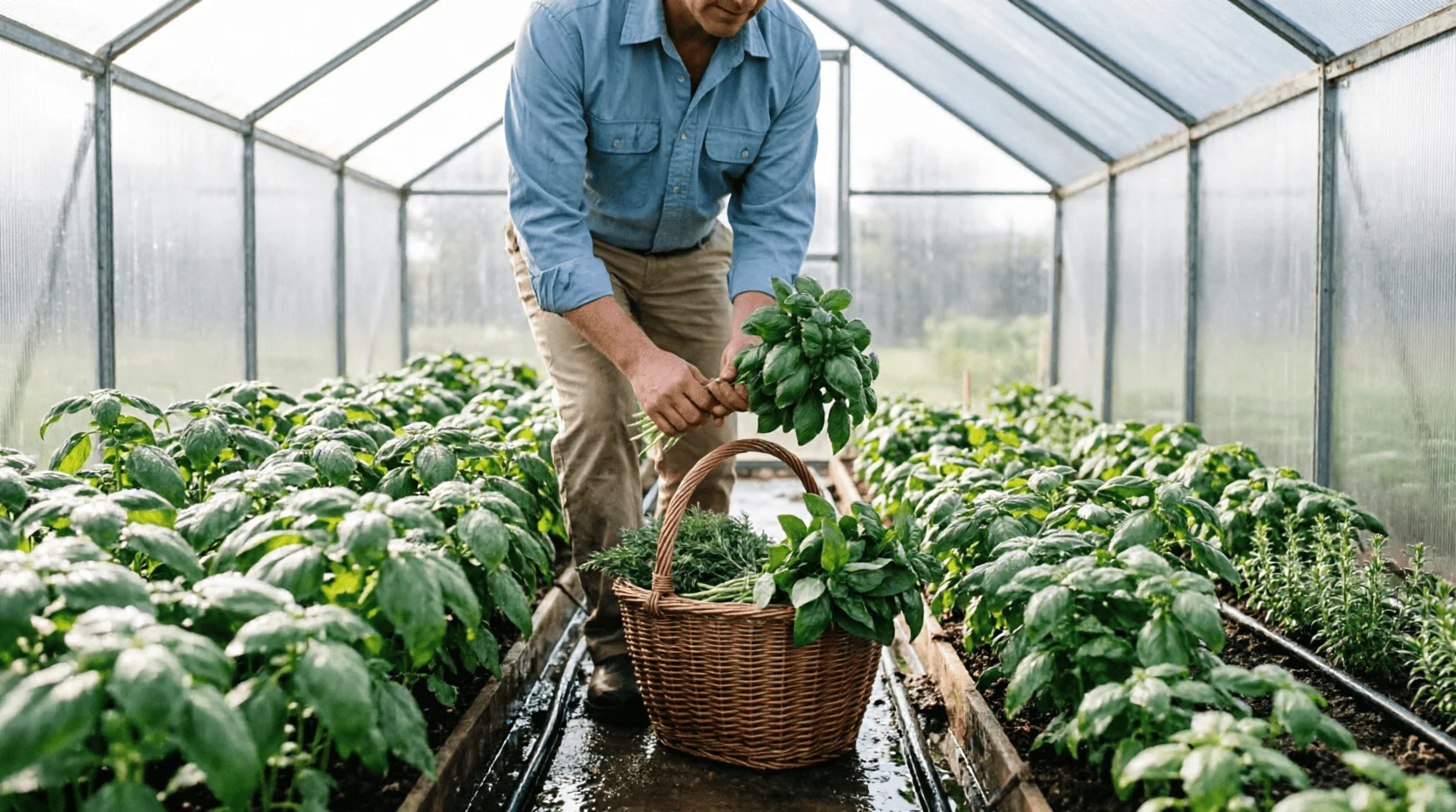
? Greenhouse of greenery all year round.100–150 m² of polycarbonate: basil, arugula, and microgreens for a regional center cafe. Cost: 1.5–2.5 million rubles per launch (frame, polycarbonate, drip irrigation, lighting); revenue 150,000–300,000 rubles per month with established supplies; payback period 8–14 months. Irrigation and climate control automation—like in our smart home analysis, only on a smaller scale.
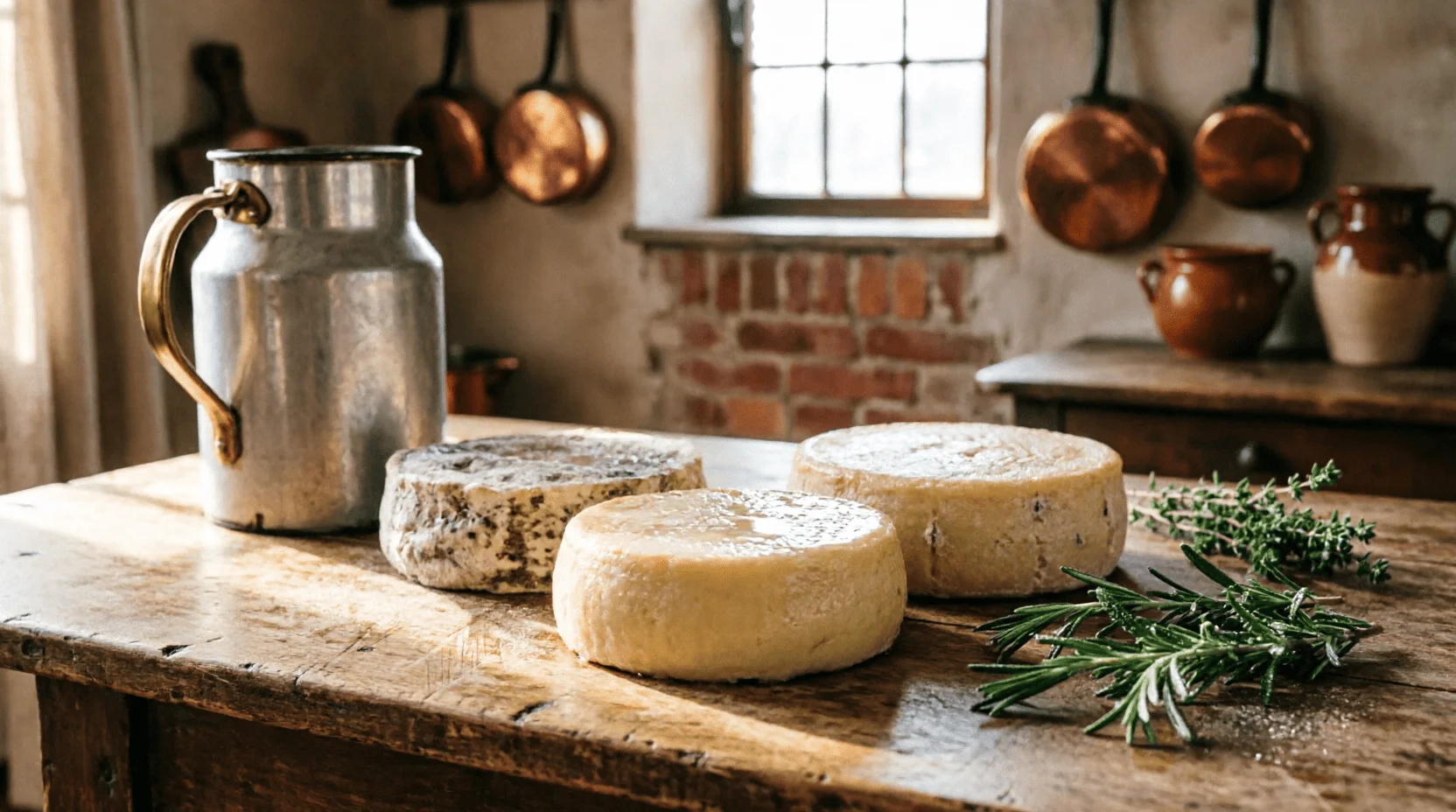
? Home cheese dairy.Milk: home-grown or from a neighbor; product line: young cheese, caciotta, aged varieties for restaurants. Starting price: 1.5–2.5 million rubles (cheese factory, refrigerators, certification); margin: 50–70%; payback period: 12–18 months; main assets: recipe and sanitary certificate.
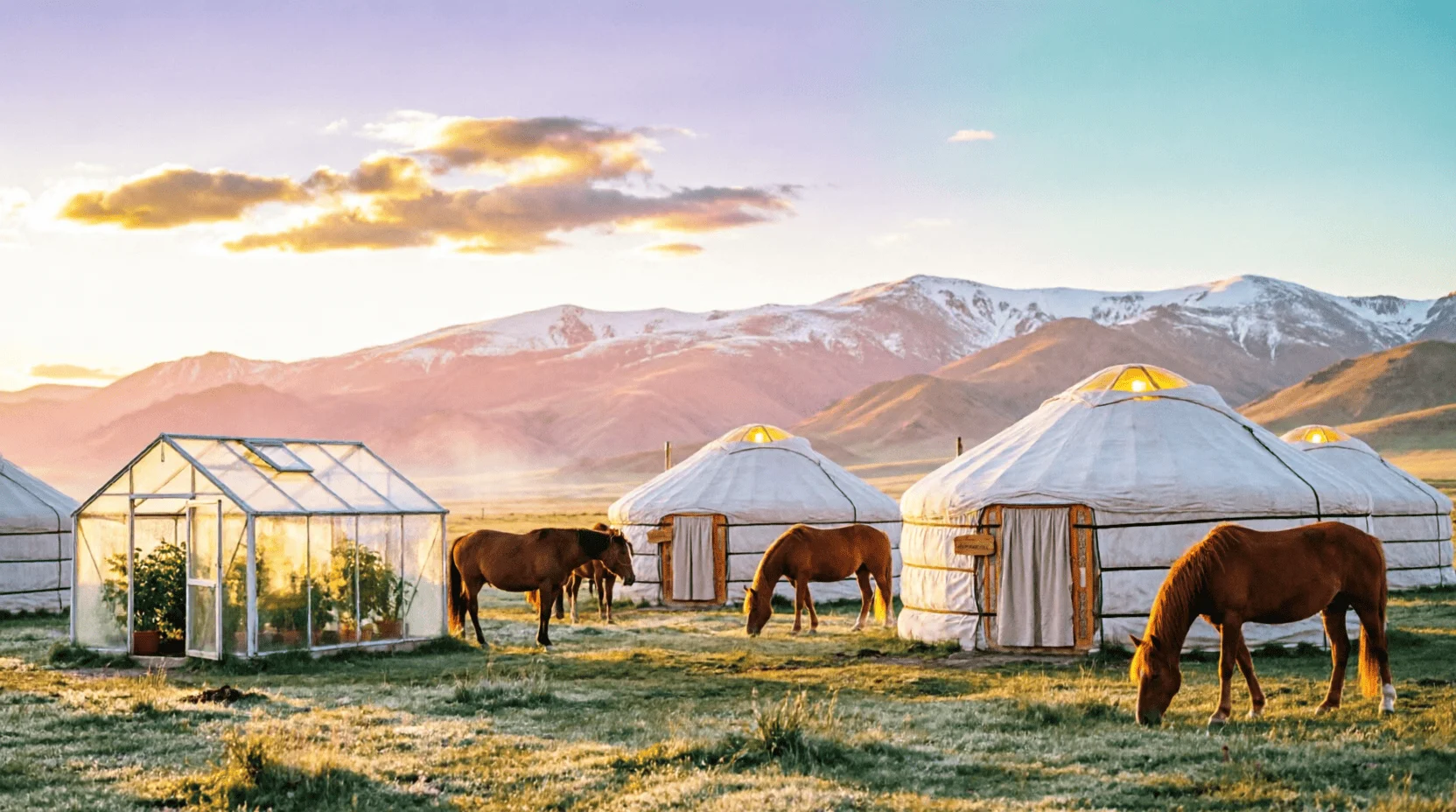
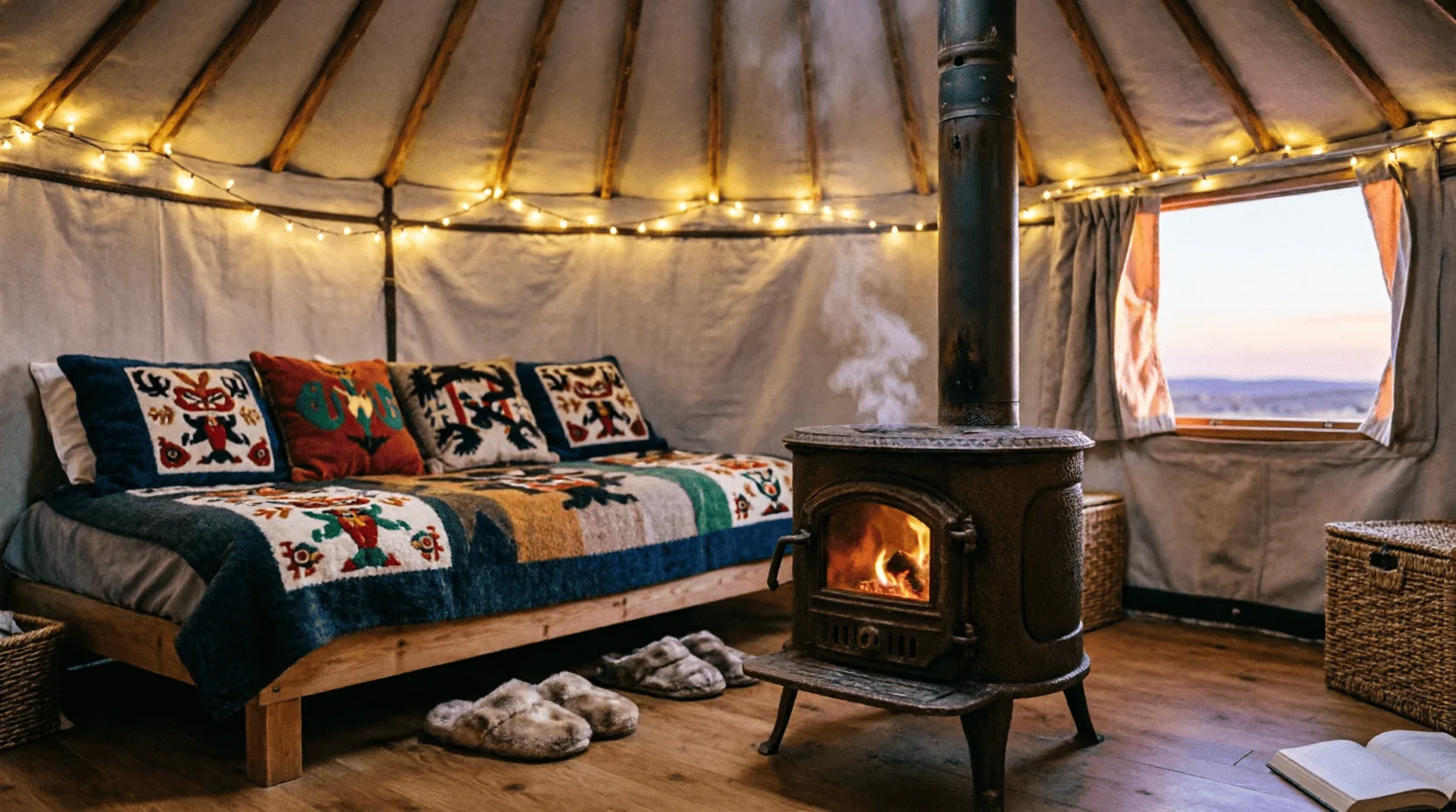
⛺ Glamping at a beautiful spot.2-3 yurts or safari tents near a river, mountain, or highway along a tourist route: 15-35,000 rubles per night with breakfast; the May-October season feeds the entire year. We showed the flow of tourists along the routes in the article about tourism—please add points where this flow already exists.
? Bird and egg with free range."Happy Chickens"—the city pays for an egg with a story; starting price: 600,000–900,000 rubles; distribution: weekly basket subscription in the regional center.
? Sewing workshop of the national code.Vests, hats, and textiles with patterns are featured at events and tourist shops; the neo-nomad visual code from our article is a direct demand trend.
5. Ideas from 3 million: new type of farms
? Agritourism farmstead.Glamping + master classes (cheese, flatbreads, horseback riding) + selling your products to guests: each guest leaves with a basket – LTV is several times higher than the night before.
Mini-fish farming (RAS).Trout and sturgeon in closed-loop aquaculture systems: starting price: 5–8 million, high margin, but requires engineering discipline and stable electricity.
? Garden and berry patch with drip irrigation.It's a long game: 3-4 years until harvest, but it's an entry into the B2B juice and dried fruit segment; subsidies for seedlings and irrigation reduce investment.
? Processing: jerky, kazy, canned goods.Recycling provides a margin that raw materials don't; start-up costs are 3–5 million (workshop, packaging, certification); channels include marketplaces and city eco-shops.
6. Distribution channels: where does agricultural produce go?
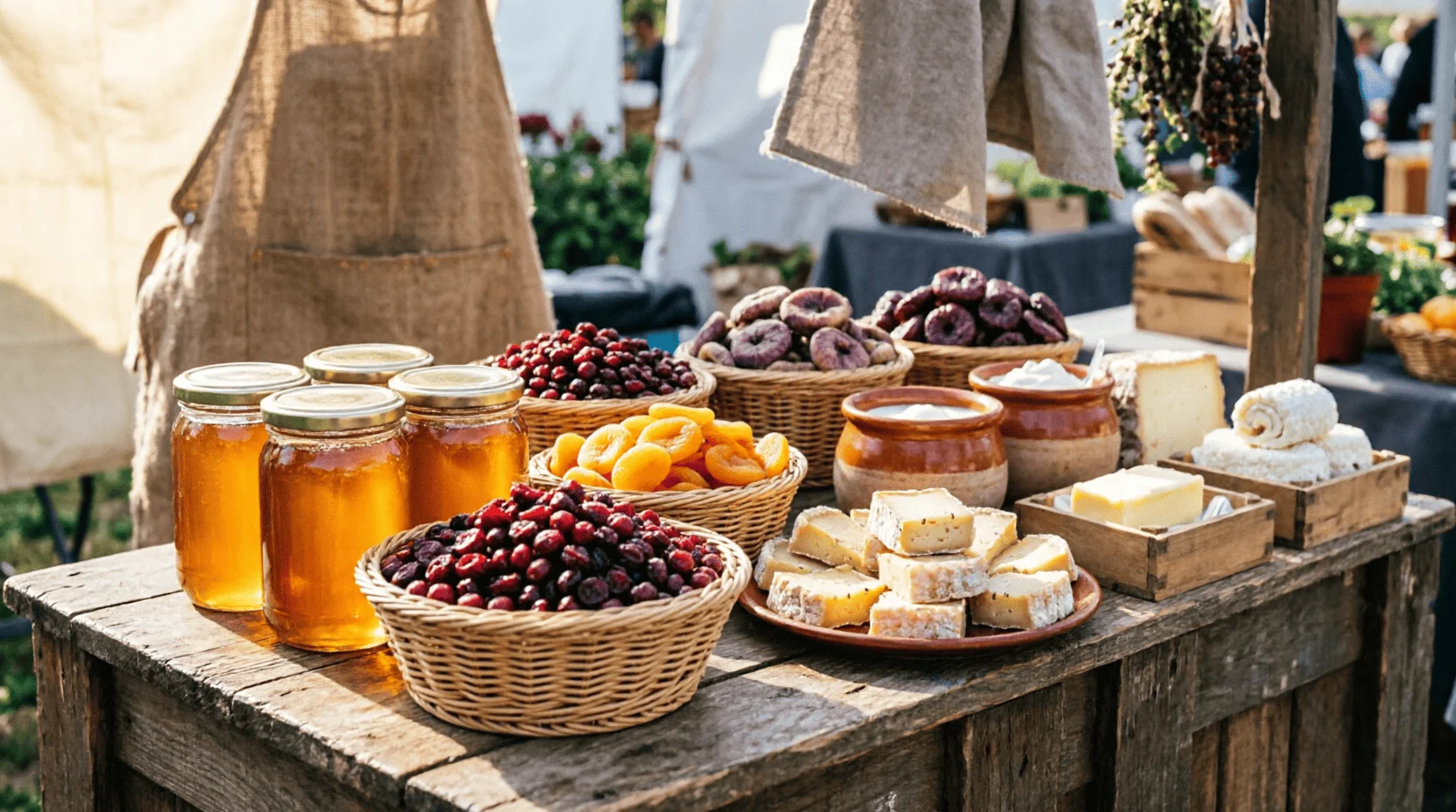
? Marketplaces and your own website.Kurtas, honey, herbs, and textiles travel across the country via mail and aggregators; a photo postcard with a "home-grown" photo converts better than a studio one.
? Farmers' markets.Weekend in the regional center: live contact, pre-orders, Instagram followers—the fair is both sales and advertising.
? B2B: cafes and restaurants.Chefs seek out local cheeses, herbs, and meats; one restaurant contract is equivalent to a hundred retail orders.
? Instagram with the farm's history.People buy "from a family in a village," not "from a limited liability company": show the inside story—this is a content model we discussed in the article about neural networks for content (phone shooting + AI processing of cards).
7. State support 2026: what to take and how
? Grants for beginners.Free start-up funds for aspiring entrepreneurs; business plan competition – get the numbers from this article ready.
? Preferential loans.Rural and regional business support programs: rates are several times lower than market rates; borrow based on cash flow, not a "dream."
?? Subsidies for equipment and livestock.Partial compensation of costs for equipment, seedlings, and irrigation reduces capital investments by 20–40%.
? Free training.Regional entrepreneurship programs provide knowledge, networking, and often priority for grants.
Rule:State support is an accelerator, not a foundation: first a model with a single distribution channel, then documents for support.
8. Legal framework: painless registration
? Start.Self-employed / private household farm for first sales to neighbors and at small fairs.
? Growth.Individual entrepreneurs benefit from a special tax regime when entering marketplaces and B2B; a bank account with a favorable commission rate—we compared the cards in our fintech analysis.
? Product documents.Sanitary passports and declarations of conformity for dairy, meat, and canned goods—without them, B2B and marketplaces are closed; please allow a month for processing.
9. Mistakes of rural startups
? Build before sell.First, a queue of 20 buyers in Direct - then the second module of the greenhouse.
? Underestimate logistics."We'll get there somehow" eats into your margins; calculate the cost per kilometer right away.
? Sell without history.A rural product without a face or a farmstead is simply a commodity at a commodity price; history = a premium to the price.
? Ignore winter.A summer business without a winter plan dies in November.
10. 90-Day Launch Plan
? Twelve weeks from idea to first money
- Weeks 1–2:Selecting an idea based on three filters (nearby sales, logistics, seasonality) and talking to 5 potential buyers.
- Weeks 3–4:Minimum order quantity or prototype of the service; photos and packaging with a story.
- Weeks 5–8:Initial sales via direct mail and at the fair; collecting reviews and pre-orders.
- Weeks 9–10:registration (self-employed/sole proprietor), bank account, health documents if necessary.
- Weeks 11–12:Contract with the first B2B point or entry into the marketplace; winter plan; grant application for the next cycle.
11. Links to other Lemag.kz articles
? Tourism— the flow of travelers suggests where to set up glamping and agritourism.
? Business ideas 2026— urban formats for comparing marginality.
? Neural networks for content— shooting and product cards without a photographer.
? Bank cards— where to accept payments and how to avoid losing out on commissions.
Result:The village of 2026 is an undervalued asset with a cheap base, government support, and growing urban demand for the origin of the product. The winner isn't the one who built the most, but the one who sold first: 20 buyers in Direct and one contract with a cafe are worth more than a grant spent on a module that has no one to sell. Start with an idea and reach 500,000 rubles, reach your first profit in 90 days—and the village will no longer be a "point of churn": it will become your growth hub. ?
❓ FAQ
What grants for rural businesses are available in 2026?
State grants for young and aspiring entrepreneurs (up to 5–6 million tenge), low-interest loans through rural support programs and regional employment centers; terms and conditions are subject to change—check with your local akimat for current competitions.
What can be launched in a village with 300-500 thousand tenge?
Collecting and fermenting steppe herbs, homemade baked goods to order, kurts and dairy products, managing social media for rural producers, and beekeeping with 5–10 hives.
How to sell products from the village?
Four channels: marketplaces and a website with delivery, farmers' markets in the regional center, B2B deliveries to cafes and organic food stores, and an Instagram account with the farm's history.
Do I need to register to start?
For your first sales, self-employed status or private farming is sufficient; when entering trade fairs and B2B, register as an individual entrepreneur and choose a special tax regime—we covered accounting in our articles on part-time work and bank cards.
What is the return on investment for rural ideas?
Greenhouse greenery - 8-14 months, cheese factory - 12-18, glamping - 2-3 seasons, processing (kurts, jerky) - 6-10 months with established sales.
What is more important: the idea or the sales?
Sales. Half of rural failures are "made and have nowhere to put it"; first, agreements with two or three retail outlets, then investments in volume.
📚 Read also
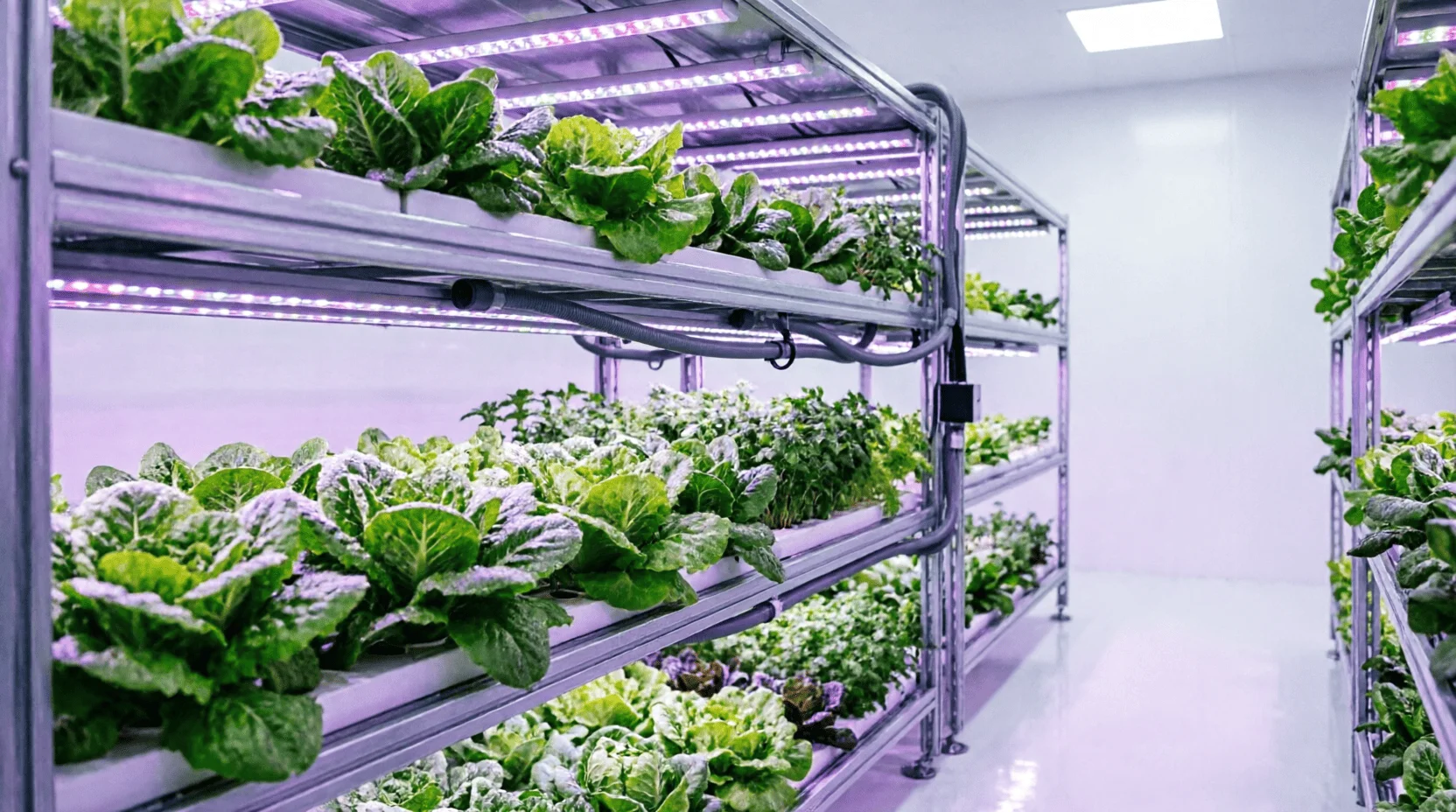
Вертикальное фермерство и гидропоника в Казахстане 2026: от балконной установки до коммерческой фермы - технология, экономика и каналы сбыта: что выращивать, стартовые вложения, автоматизация и прибыль
Вертикальное фермерство - это будущее сельского хозяйства в Казахстане: урожайность в 10 раз выше, расход воды на 90% меньше, и всё это в городской квартире или ангаре. Команда Lemag.kz разобрала технологию гидропоники и аэропоники: от балконной установки за 200 тысяч тенге до коммерческой фермы на 100 м², с реальными цифрами урожайности, экономики и каналов сбыта в 2026 году.
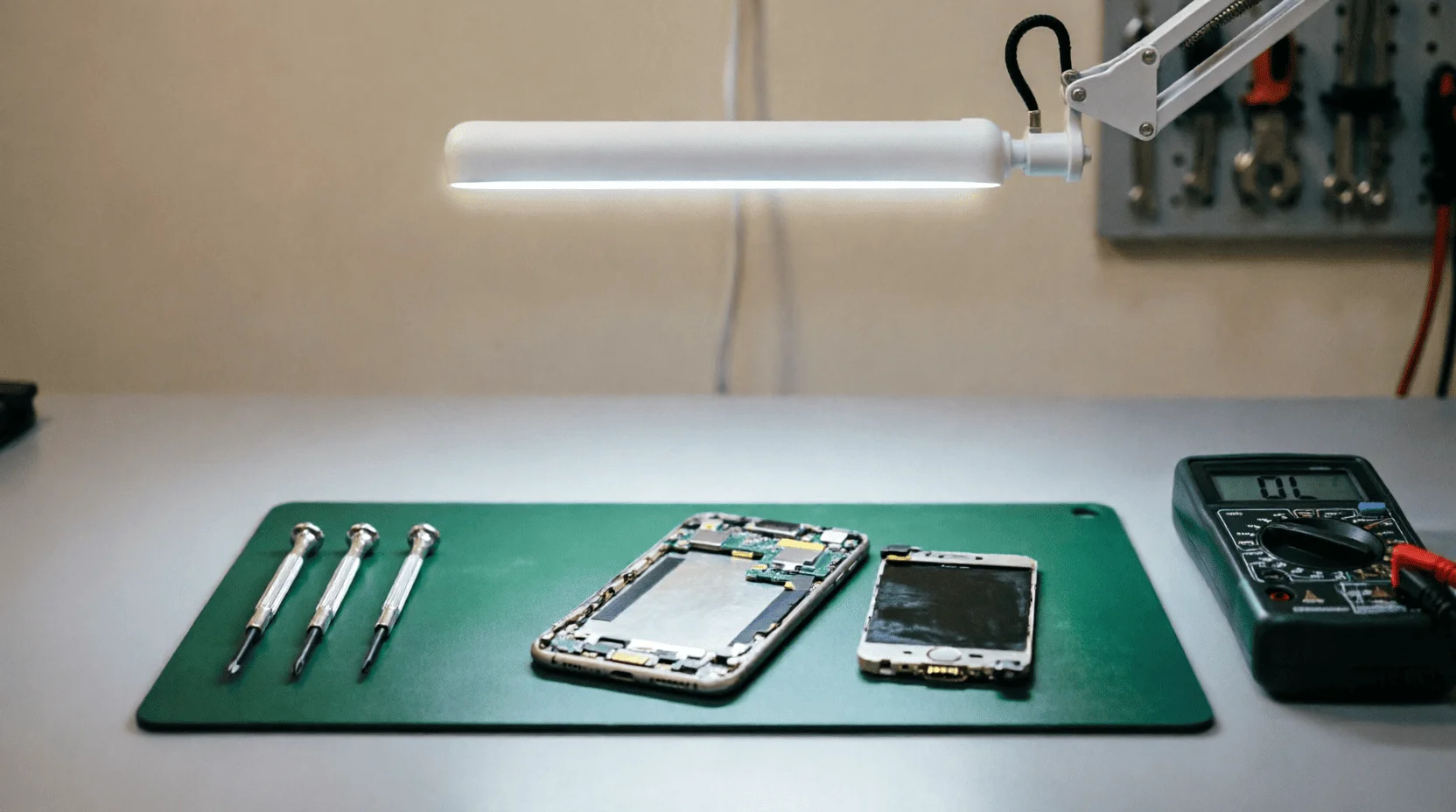
Бизнес на восстановленной электронике (Refurbished) в Казахстане 2026: от перепродажи на OLX до собственного магазина: диагностика, маржа, юридические нюансы и масштабирование
Рынок восстановленной (refurbished) электроники в Казахстане растет на 30% в год: люди хотят качественные гаджеты, но не готовы переплачивать за новые. Команда Lemag.kz разобрала этот бизнес без иллюзий: как находить недооцененные устройства, чек-лист диагностики, реальная юнит-экономика в тенге, юридические нюансы гарантии и план масштабирования от домашней перепродажи до собственного сертифицированного магазина.
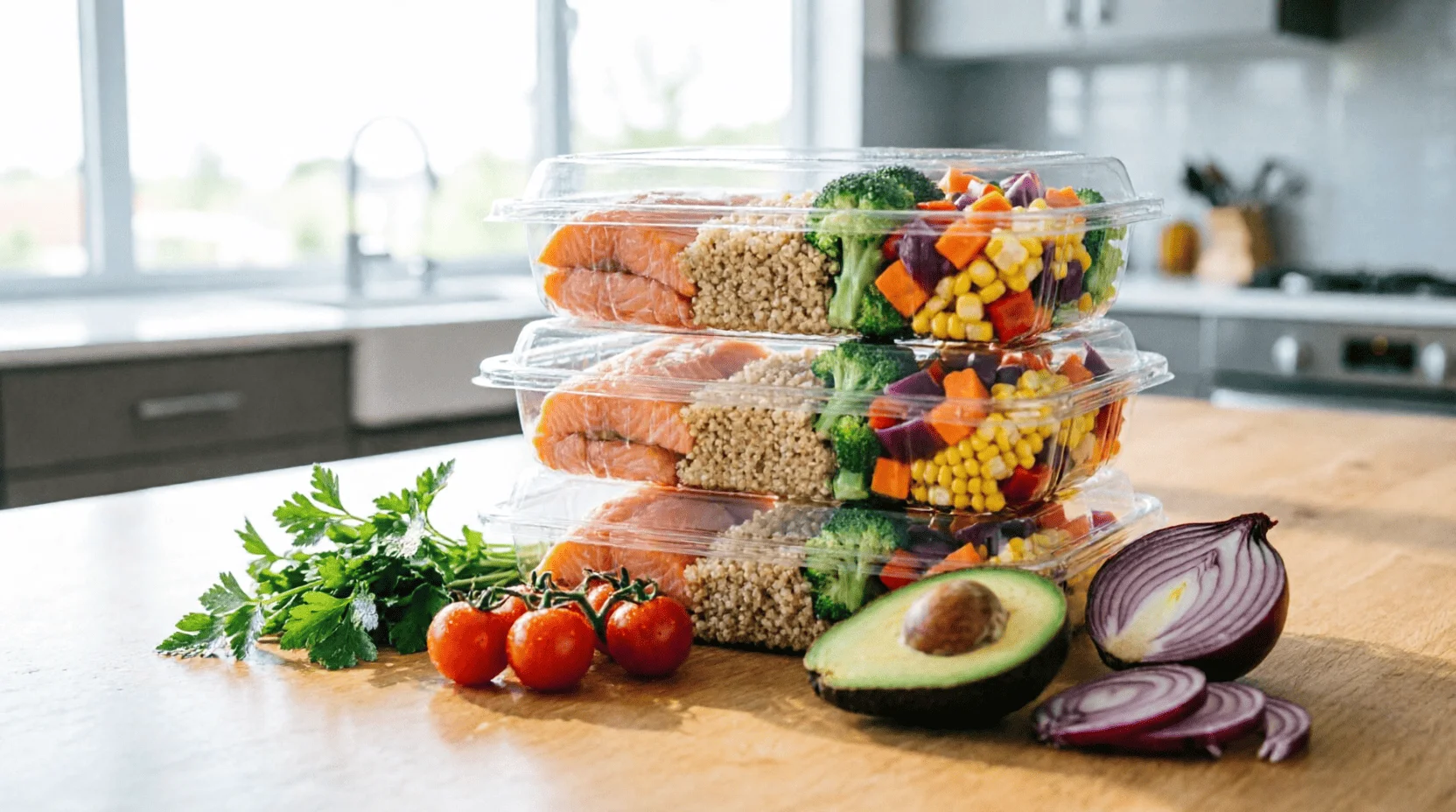
Бизнес на доставке здорового питания (Meal Prep) в Казахстане 2026: от домашней кухни до собственной dark kitchen - расчет себестоимости, СанПиН, маркетинг и окупаемость
Рынок доставки готовых рационов в Казахстане растет на 25% в год. Люди готовы платить за экономию времени и здоровье, но 70% стартапов закрываются в первый год из-за ошибок в себестоимости и логистике. Команда Lemag.kz разобрала экономику meal prep бизнеса: от домашней кухни до dark kitchen, с реальными технологическими картами в тенге, требованиями СЭС и планом выхода на 100 заказов в день.
💬 Comments (0)
No comments yet. Be the first!
Leave a comment
Comments are pre-moderated.