
Pet Business in Kazakhstan 2026: 12 Ideas from Grooming to Pet Hotels – Market, Economy, and Launch in 90 Days
In just five years, pets in Kazakhstan have gone from being "backyard pets" to family members: according to various estimates, there are over 4 million cats and dogs living in the country, and owner expenses for care, food, and services are growing by 15-20% annually, even during economic downturns. This is a market where customers pay with their hearts, not their wallets, and return for months. The teamLemag.kzI analyzed 12 pet industry ideas with entry barriers starting from 300,000 tenge, calculated the economics of flagship formats in tenge, and put together a 90-day launch plan.
1. Why the pet industry is growing even during a crisis
❤️ Humanization of pets.A dog and cat are "family members": they are not skimped on as much as entertainment; grooming and boarding are perceived as a necessity, not a luxury.
? Urbanization.You can't leave a dog in an apartment for 12 hours: dog walking, daycare, and boarding have become urban infrastructure, like food delivery.
? Instagram effect.A haircut, photo shoot, and custom collar are all content for the owner; pet services sell themselves through clients' stories.
? Low competition outside the capital cities.In Almaty and Astana, grooming salons are lined up, while in regional centers, the first high-quality salon takes over the entire market.
The pet business is an economy of trust: the client gives you a family member and pays more for peace of mind than for the service.
2. Niche Map: Three Entry Levels
? Up to 500 thousand tenge — services without premises.Dog walking and sitting, pet sitter at the client's home, homemade treats, handmade accessories, pet photography.
? 0.5–3 million ₸ — office and team.Home grooming office, mobile grooming (van), training and puppy boarding, aquarium service, pet photo studio.
? From 3 million ₸ - infrastructure.A pet hotel and daycare, a salon with 2-3 stalls, a pet store with premium pet food, and small-batch production of treats and pet food.
3. Ideas up to 500,000: Entry in a week
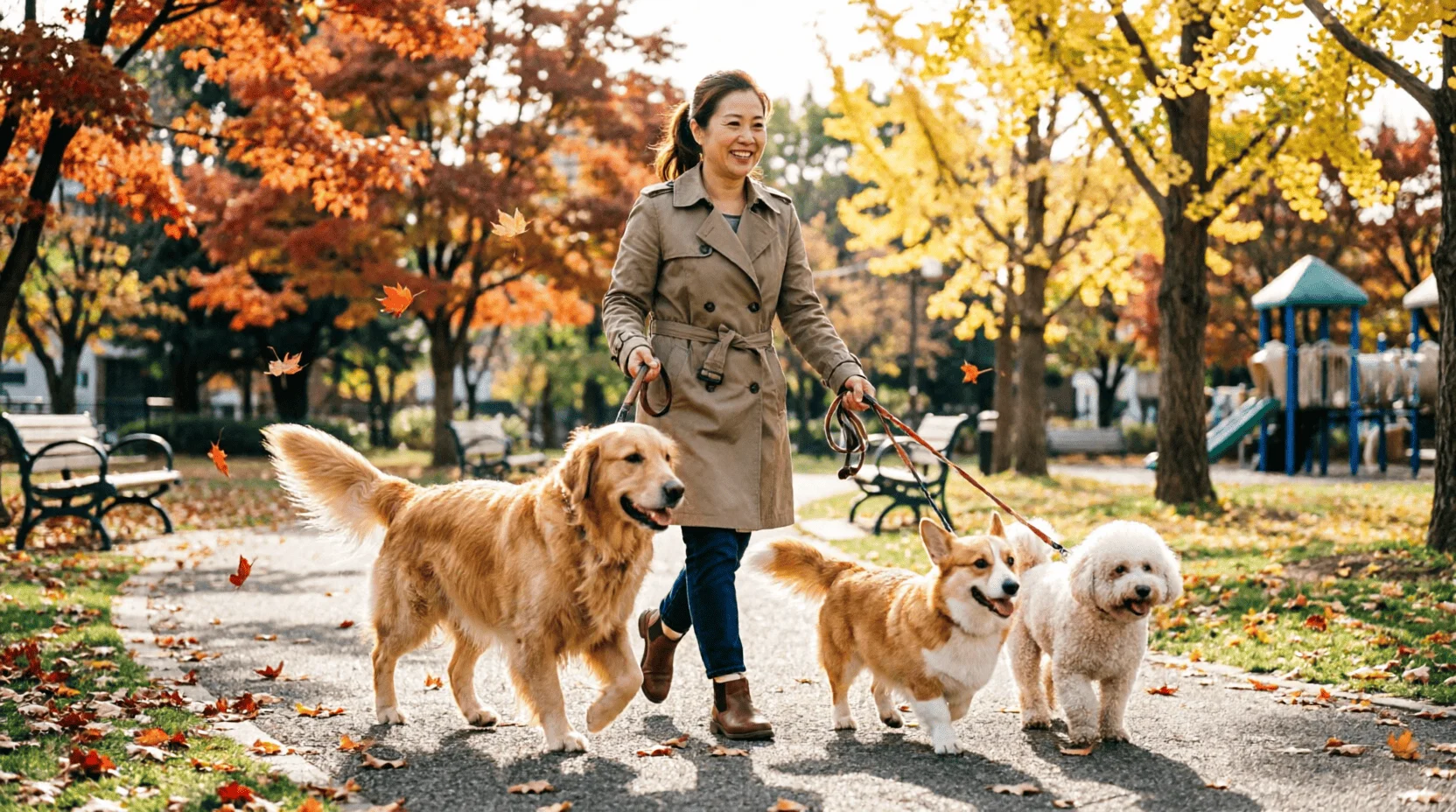
? Walking and dog sitting.The walk fee is 2,000–4,000 tenge; a 20-walk pass requires 50,000–70,000 tenge in advance; starting out requires no investment other than insurance and equipment.
? Pet sitter and home boarding.3,000–6,000 ₸/day for a cat, 5,000–8,000 ₸ for a dog; 2–3 guests = 100,000–150,000 ₸/month without rent.
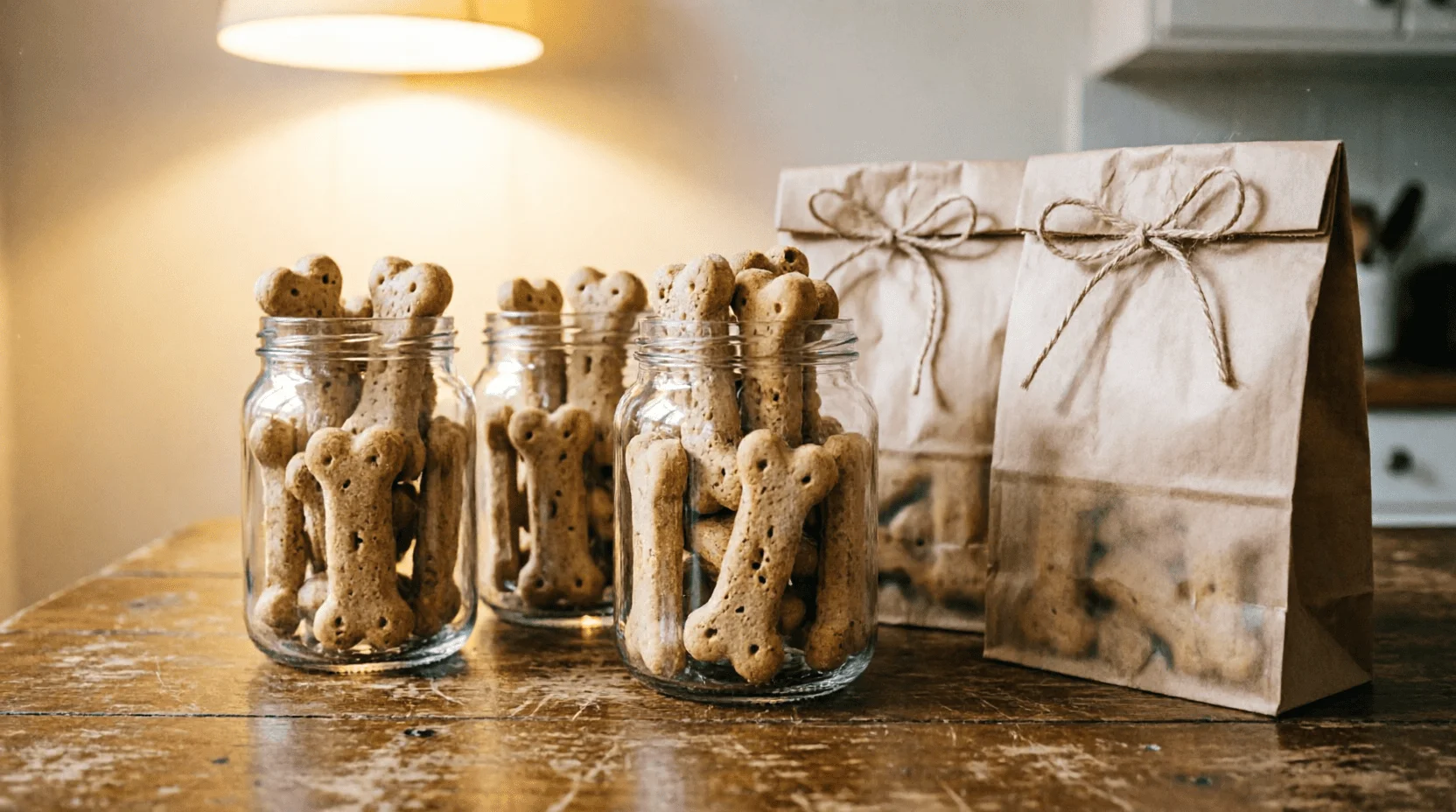
? Homemade treats.The cost of a pack of dried meat or bone-shaped cookies is 400–700 tenge, and they sell for 2,000–3,000 tenge; channels: Instagram, pet stores for sale, fairs.
? Handmade accessories.Bandanas, leashes, and engraved address tags: 60–70% margin, sold through marketplaces and your own website.
4. Grooming: The Flagship Economy of a Niche
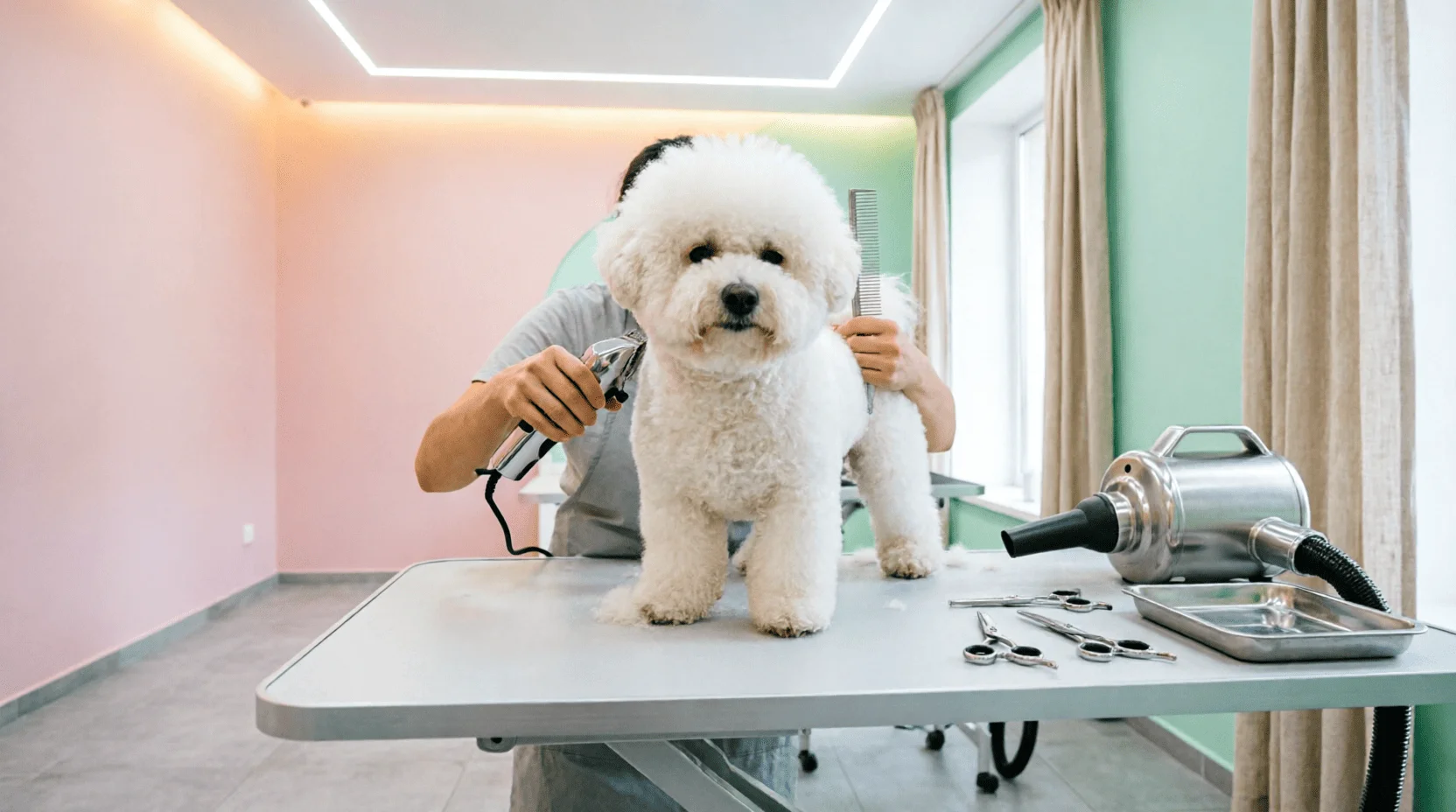
? Check.A medium-sized dog grooming costs 10,000–16,000 tenge, a complete grooming package with washing and claw trimming costs up to 20,000 tenge; a cat costs 8,000–14,000 tenge; and an express shedding service costs 6,000–9,000 tenge.
? Home Office Unit Economics:
- Start: training 150-400 thousand + table, hair dryer-compressor, tools 300-500 thousand =450–900 thousand ₸;
- revenue with 3 clients per day x 22 days x 12,000 ₸ =790 thousand tenge/month;
- Consumables, utilities, taxes - 15-20%; net550–650 thousand tenge/month;
- payback -6–10 months.
? Ceiling and height.A home office is limited to four clients per day; after that, there's a second station, a hired groomer (40% of the bill), or a mobile grooming van with a 20-30% higher bill for the convenience of being "at your door."
5. Pet Hotel and Daycare: A Business Using Owners' Vacations
? Check.Cat — 4,000–7,000 ₸/day, dog — 6,000–12,000 ₸ depending on size and enclosure; daycare — 4,000–6,000 ₸/day with a group of up to 8 dogs.
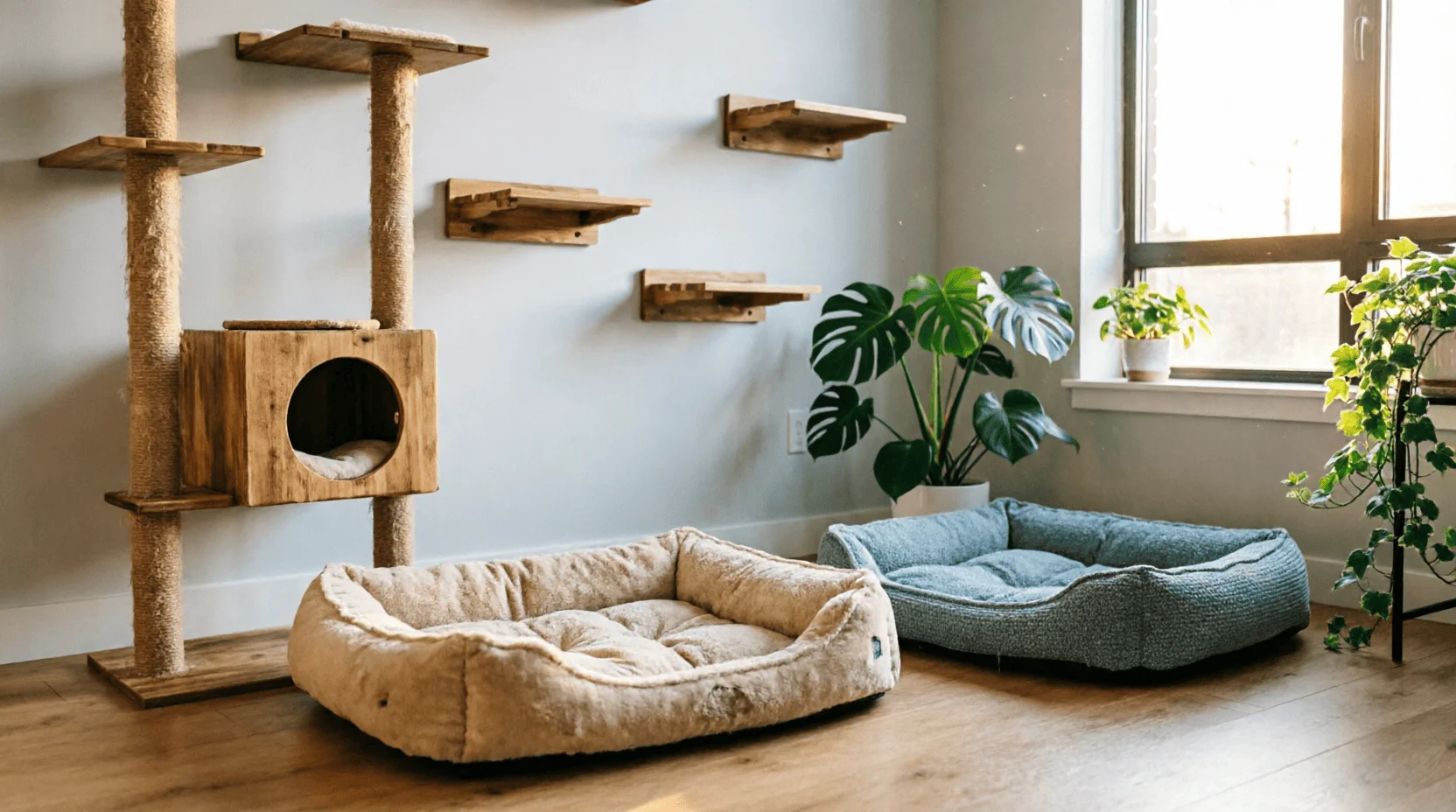
? Economy of a 12-bed mini-hotel:
- start: rent and renovation of premises 80–120 m², enclosures, ventilation, chambers —2.5–5 million ₸;
- 60% average annual occupancy (peaks May–August and New Year – 90–100%): revenue1.2–2 million ₸/monthin season, 600–900 thousand off-season;
- staff: 2 shifts + administrator — 40–45% of revenue;
- payback -18–30 months.
? Cameras for owners.Online access to the enclosure from the app is the main selling point and a 15–20% bonus on the bill.
6. Training and Puppy Daycare: Expertise as a Product
? Check.Group lessons — 5,000–8,000 ₸, individual course “obedient city dog” of 8 lessons — 60,000–90,000 ₸; puppy kindergarten (socialization up to 6 months) — subscription 80,000–120,000 ₸/month.
? Login.Canine training courses start at 100,000 tenge plus internship; but the main asset is the before-and-after case studies in videos: one viral video earns a month's worth of recording.
? Partnerships.Breeders and veterinary clinics bring in clients for a 10-15% commission—cheaper than any advertising.
7. A new type of pet store: food and consultation
? Difference from the market.Premium pet food, veterinary-grade diets, and diets tailored to the breed and laboratory tests; owners come to us for advice, not a package.
? Economy of a 40–60 m² point:Starting cost: 3–6 million tenge (inventory, equipment, signage); feed margin: 20–30%, accessories and treats: 50–70%; the outlet breaks even with revenue of 1.5–2 million tenge/month.
? Subscribe to feed.Auto-delivery once a month with a 5% discount retains customers forever and provides predictable revenue.
8. Pet photoshoots and content for brands
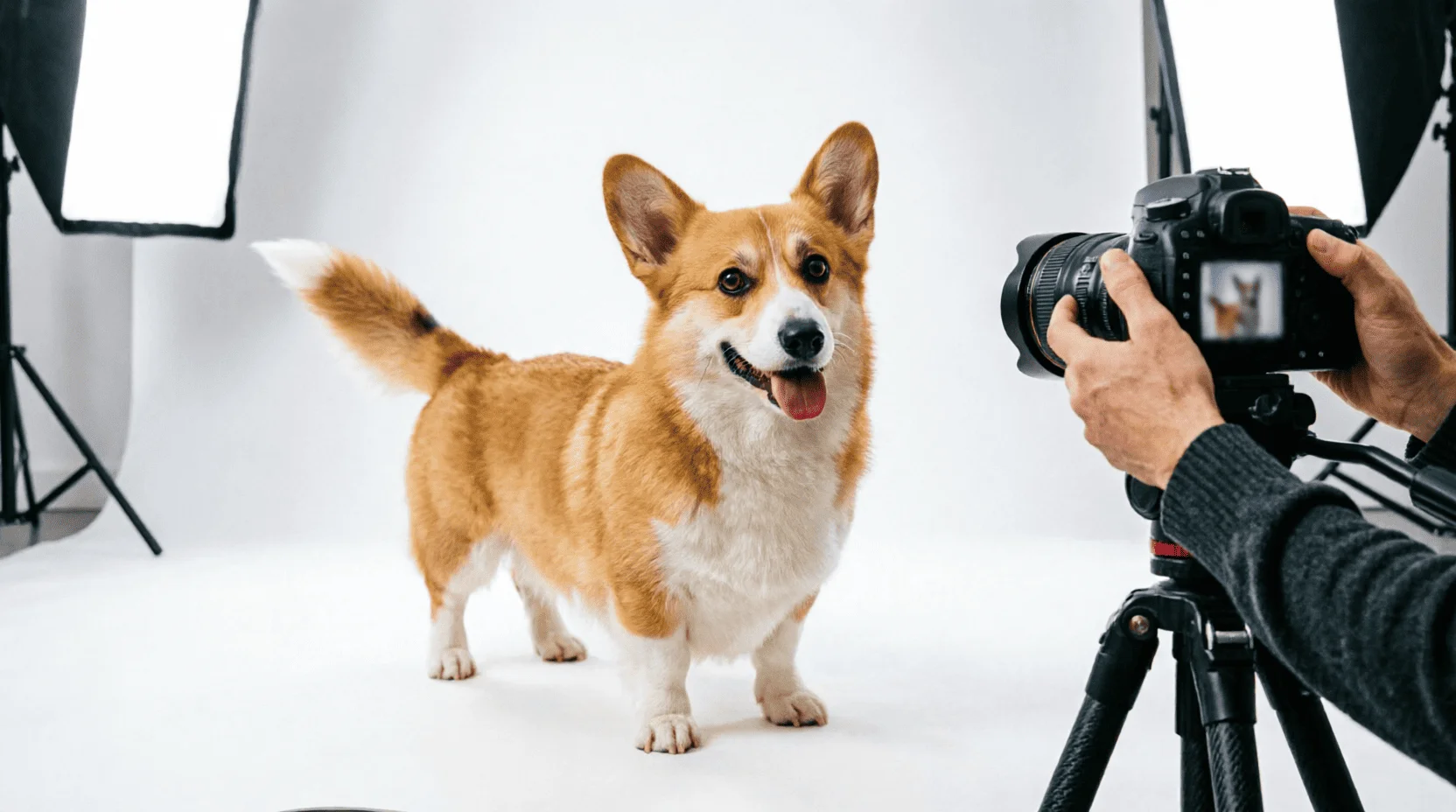
? Check.An hour-long studio photo shoot for a pet costs 25,000–50,000 tenge; a "10 cards for a pet store" package costs 80,000–150,000 tenge; photo shoots for food and accessory brands start at 200,000 tenge per day.
? AI connection.The neural networks from our AI content analysis accelerate retouching and backgrounds by three times—the cost per frame drops, and margins increase.
? A niche within a niche:Photoshoots for shelters and breeders are a great way to build word of mouth and reputation, which translates into commercial orders.
9. Documentation, Risks, and Responsibilities: The Boring Part That Saves Business
? Form.Individual entrepreneurs on a special tax regime; OKED codes for animal care services; online cash register or cash register app for accepting payments.
Client's veterinary passport.We accept pets only with current vaccinations: you will keep a copy of the passport - this protects you from illnesses at the hotel and from claims.
? Agreement with the owner.Health questionnaire, consent to procedures, communication procedures in force majeure situations, responsibilities of the parties; photographic documentation of the patient's condition upon appointment – 2 minutes, which resolves 90% of disputes.
? Liability insurance.Business liability insurance costs 30,000–60,000 tenge per year; hundreds of times cheaper than a single lawsuit.
? The frontier of medicine.Any medical procedures must be performed only with a licensed veterinarian and a doctor on staff; groomers and hoteliers do not diagnose or administer medications—that's a red line.
10. Where to find clients: channels that work in the niche
? 2GIS and maps."Grooming nearby" is the highest-converting search query; a card with photos, prices, and reviews generates 30–40% of first-time customers.
? Instagram and TikTok.Before/after haircuts, a day at the pet hotel, funny clients—pet content is watched and shared better than any other; 3 videos a week = a waiting list in 2 months.
? Affiliate network.Veterinary clinics, breeders, shelters, dog-friendly cafes: mutual recommendations and business card stands.
? Kaspi and marketplaces.Treats and Accessories — a marketplace shelf with cards from our article on neural networks for content.
? Subscriptions and prepayment.Walking, haircut and gardening packages: cash upfront + client habit of returning.
11. Seasonality: How Not to Die in February
? Peaks.May–August — boarding and walking (vacations); December — grooming and photo sessions; March–April — shedding and express shedding.
? Failures.February and the end of January are closed by subscriptions, gift certificates (sold in December, activated in winter), and B2B shoots for brands.
Rule:Plan your year around the vacation and moult calendar, not the holiday calendar.
12. Mistakes That Kill the Pet Business
? Adopt an animal without a questionnaire or passport.One unvaccinated guest infects a hotel, and the business and its reputation are ruined.
? Dumping "for the flow".Cheap grooming attracts clients who argue over 500 tenge; quality and the owner's peace of mind are more valuable than the discount.
? Work without a contract "in a friendly manner".Friendship ends at the moment of incident; the contract protects both parties.
? Do not maintain content.The pet niche thrives on visuals; a salon without Instagram is invisible, even if it cuts the best hair in town.
? Ignore burnout.Working with animals and their anxious owners is exhausting; shifts, weekends, and a second handler are part of the business model, not a luxury.
13. 90-Day Launch Plan
? Twelve weeks until the first client
- Weeks 1–2.Select a niche using three filters (demand in your city, entry barrier, your skills); interview 10 pet owners and two veterinary clinics.
- Weeks 3–5.Training (grooming/canine training) or hiring a specialist; registering as an individual entrepreneur and opening an account.
- Weeks 6–8.Equipment purchase, contract template and health questionnaire, insurance; 2GIS cards and an Instagram profile with the first nine frames.
- Weeks 9–11.Soft launch: 10 clients receive a 30% discount for reviews and photos; collection of before/after case studies.
- Week 12.Public launch with a "bring a friend, get a discount for both" promotion; memberships and pre-registration available a month in advance.
14. Links to other Lemag.kz articles
? Part-time job— dog walking and pet sitter as a start-up without investment and a test of the niche before opening a salon.
? Rural business— breeding and maintenance as a related economy; keeping rural dogs in winter.
? Neural networks for content— cards of treats and reels of haircuts without a photographer or designer.
? Financial literacy— unit economics, cushion and subscription prepayment as a cash reserve.
Result:Kazakhstan's pet industry is a market where clients pay with their hearts and return for years: grooming pays for itself in 6-10 months, pet hotels provide food during peak holiday seasons, and walks and treats start at 300,000 tenge and a single Instagram profile. Choose a niche using three filters, eliminate the tedious parts—contracts, application forms, and insurance—and launch within 90 days according to plan: in a trust economy, the winner isn't the one who offers the cheapest grooming, but the one to whom owners feel comfortable handing over the keys to the family's heart. ?
❓ FAQ
How much does it cost to open a grooming salon in Kazakhstan?
A home groomer's office costs 400,000–800,000 tenge (table, blow dryer, tools, training); a two-bay salon with rent costs 2.5–4 million tenge; the payback period for a home-based salon is 6–10 months.
Do you need a license for a pet hotel or dog walking area?
A veterinary license is required only for medical services; boarding, walking, and grooming services do not require one, but require a sole proprietorship, a contract with the owner, and the client's veterinary passport with vaccination records.
How much does a groomer earn?
The session bill is 8,000–20,000 tenge; with four clients per day and 22 working days, the revenue is 700,000–1.5 million tenge; net after consumables and rent, 40–60%.
Where can I study to become a groomer or dog trainer?
Grooming courses in Almaty and Astana cost 150,000–400,000 tenge for 1–2 months with practical training; dog training schools start at 100,000 tenge for a basic course; an internship at an existing salon provides more than just a certificate.
Is the pet business profitable in the regions rather than in the capitals?
Yes, adjusted for the bill: in regional centers the bill is 30-40% lower, but rent is 2-3 times cheaper, and competition is almost zero - the first groomer in the city takes over the entire market.
What is the seasonality of the pet industry?
Peak periods: May–August (vacations, pet hotels, and boarding), December (grooming and holiday photo sessions), March–April (molting, grooming); low period: February, covered by a cushion of subscriptions.
What is the riskiest thing about the animal business?
Responsibility for the pet's health: a contract with the owner, a health questionnaire, photographic documentation upon admission, and liability insurance are required—without this, one incident can ruin your business and your reputation.
📚 Read also
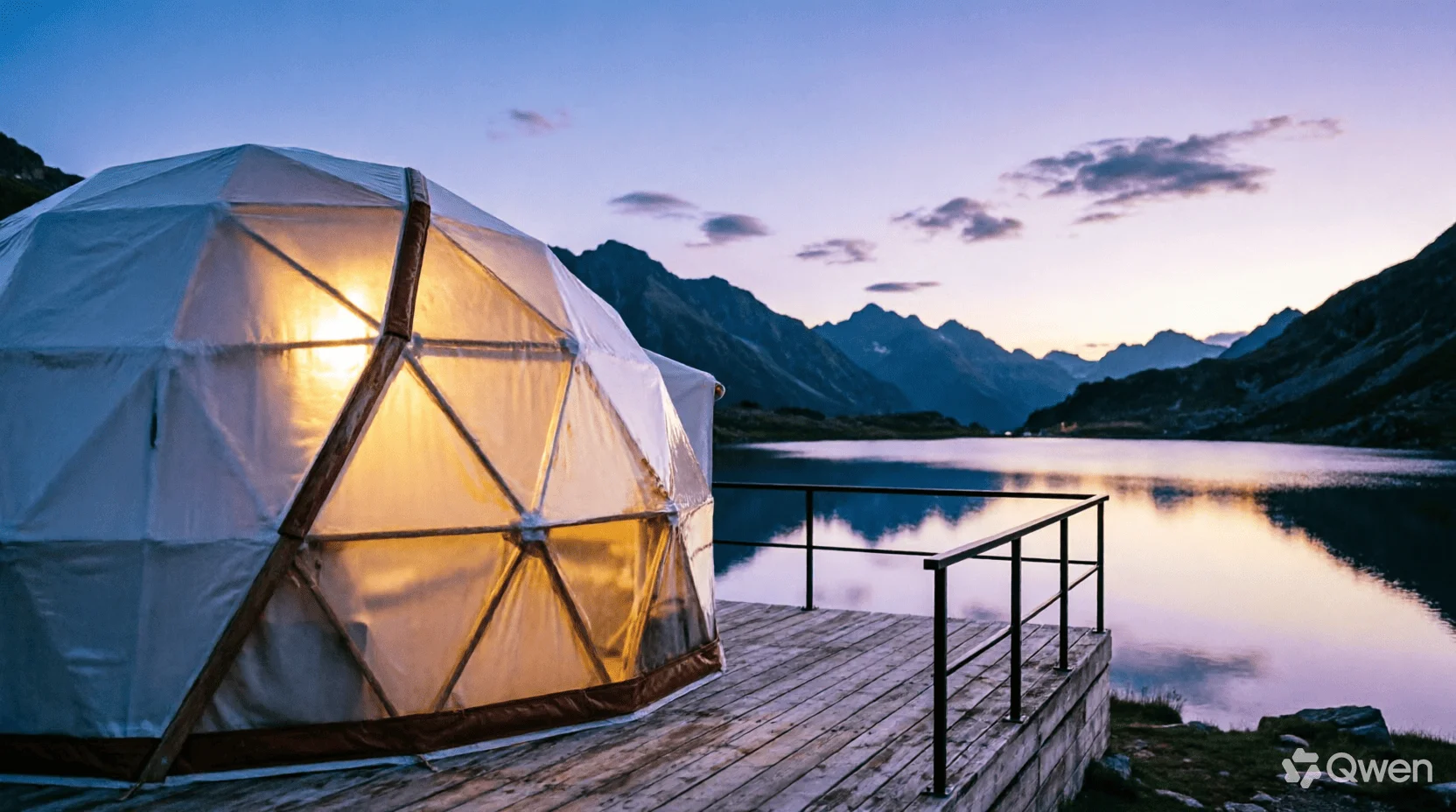
Глэмпинг-бизнес 2026: как построить эко-курорт в Казахстане - от купола до загрузки 80%: экономика ночи, локации, сезонность и господдержка
Внутренний туризм Казахстана растёт двузначными темпами, а гости хотят природу без палаточного аскетизма: кровать, панорамное окно и душ в пяти метрах от озера. Команда Lemag.kz посчитала глэмпинг по-честному: цены модулей и инфраструктуры в тенге, экономика одной ночи, календарь сезонности с зимними сценариями, документы на землю и план первого сезона - от выбора локации до первых отзывов.
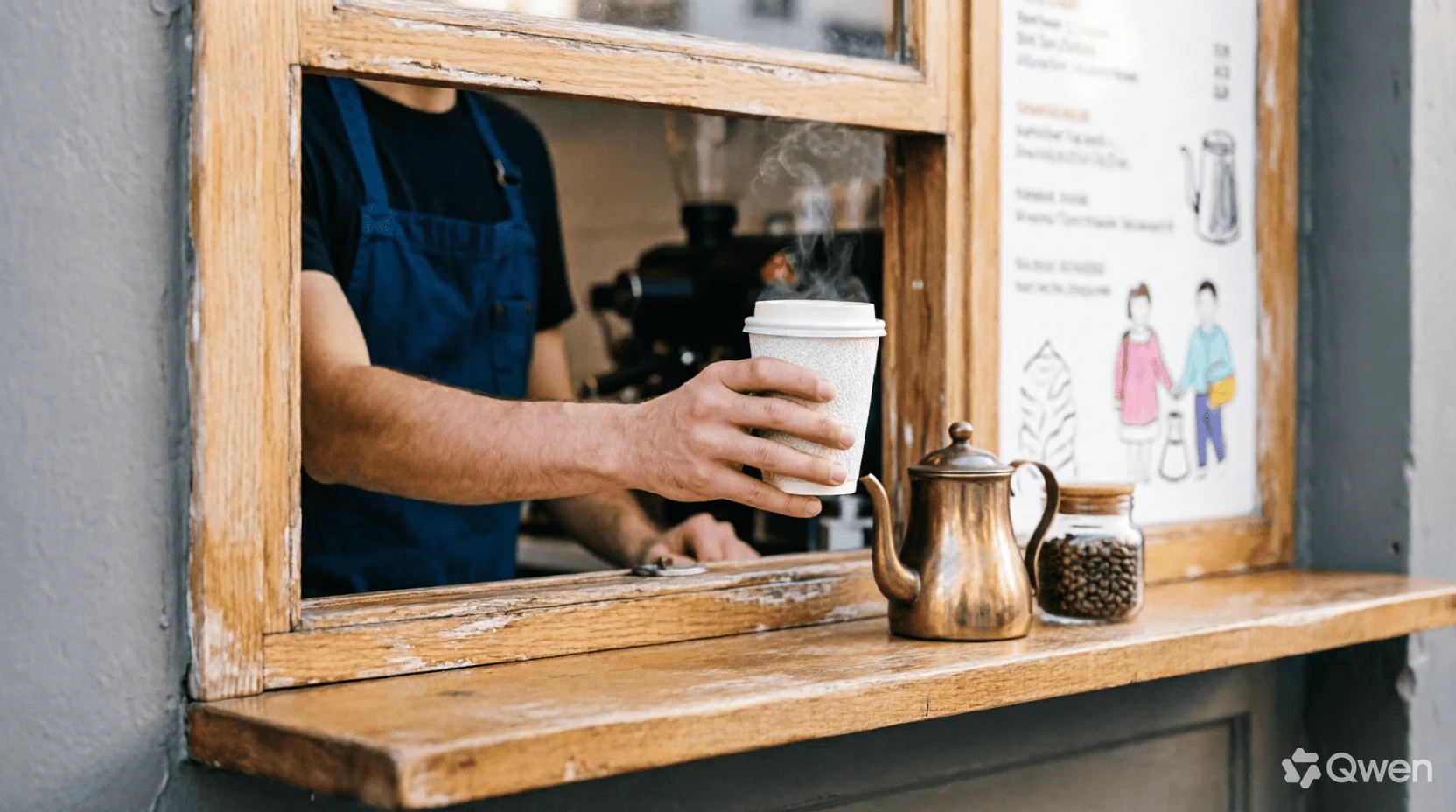
Кофейный бизнес 2026: точка кофе с собой - экономика одной чашки, локация, оборудование и путь от острова до обжарки
Казахстан переживает кофейный бум: стаканчик по пути на работу стал городской привычкой, а точка с собой - самым доступным входом в общепит с маржой выше ресторанной. Команда Lemag.kz разложила бизнес по статьям: себестоимость чашки в тенге, аренда по типам локаций, новое и б/у оборудование, безубыточность в чашках и ловушки, на которых сгорают первые точки.

Куда инвестировать деньги в 2026–2027 году казахстанцам?
Казахстанцы год за годом мечутся между депозитом, долларом, квартирой и биржей — и 2026-й перевернул все привычные ставки на голову. Тенге вместо ожидаемого падения укрепился почти на 14%, индекс KASE обогнал S&P 500, а недвижимость, которую считали вечным активом, забуксовала. Разбираю на цифрах Нацбанка, KASE и рыночных аналитиков, что происходит с депозитами, валютой, акциями и жильём в 2026–2027 году — и почему единственная рабочая стратегия сейчас не ставить всё на одну лошадь.
💬 Comments (0)
No comments yet. Be the first!
Leave a comment
Comments are pre-moderated.