
Smart Home in 2026: A Step-by-Step Guide for a Budget Starting from ₸25,000
In 2026, a smart home is no longer a "geek's toy," but a way to save on electricity, feel safer, and live more comfortably. The good news: the entry ticket costs less than a mid-range smartphone. This guide includes 5 steps, 3 ready-made kits for your budget, and an honest analysis of common mistakes.

Why a smart home pays for itself
A typical apartment in Almaty or Astana uses 15–20% less electricity after implementing smart lighting and climate control systems.
- Saving: Smart lamps and sockets reduce consumption by up to 30%.
- Safety: sensors and camera send notifications in seconds.
- Comfort: The "Movie" and "Good Morning" scripts are launched with one phrase.
Step-by-step plan: 5 steps to a smart home
Don't start with devices—start with habits. Write down 3–5 situations: "the light goes out when I leave," "the kettle turns on at 7:00," "a notification when someone rings the doorbell."
In Kazakhstan, the most accessible ecosystems in 2026 are Yandex (Alice), Xiaomi (Mi Home), and Apple Home. If you already have multiple gadgets from the same brand, stick with it: mixing them complicates setup.

A smart light bulb and socket is the cheapest entry point. Set up a schedule, sunset mode, and brightness control from your phone or voice.
A door sensor, motion sensor, and compact camera cover 90% of your security needs. All are sent via push notifications to your phone.

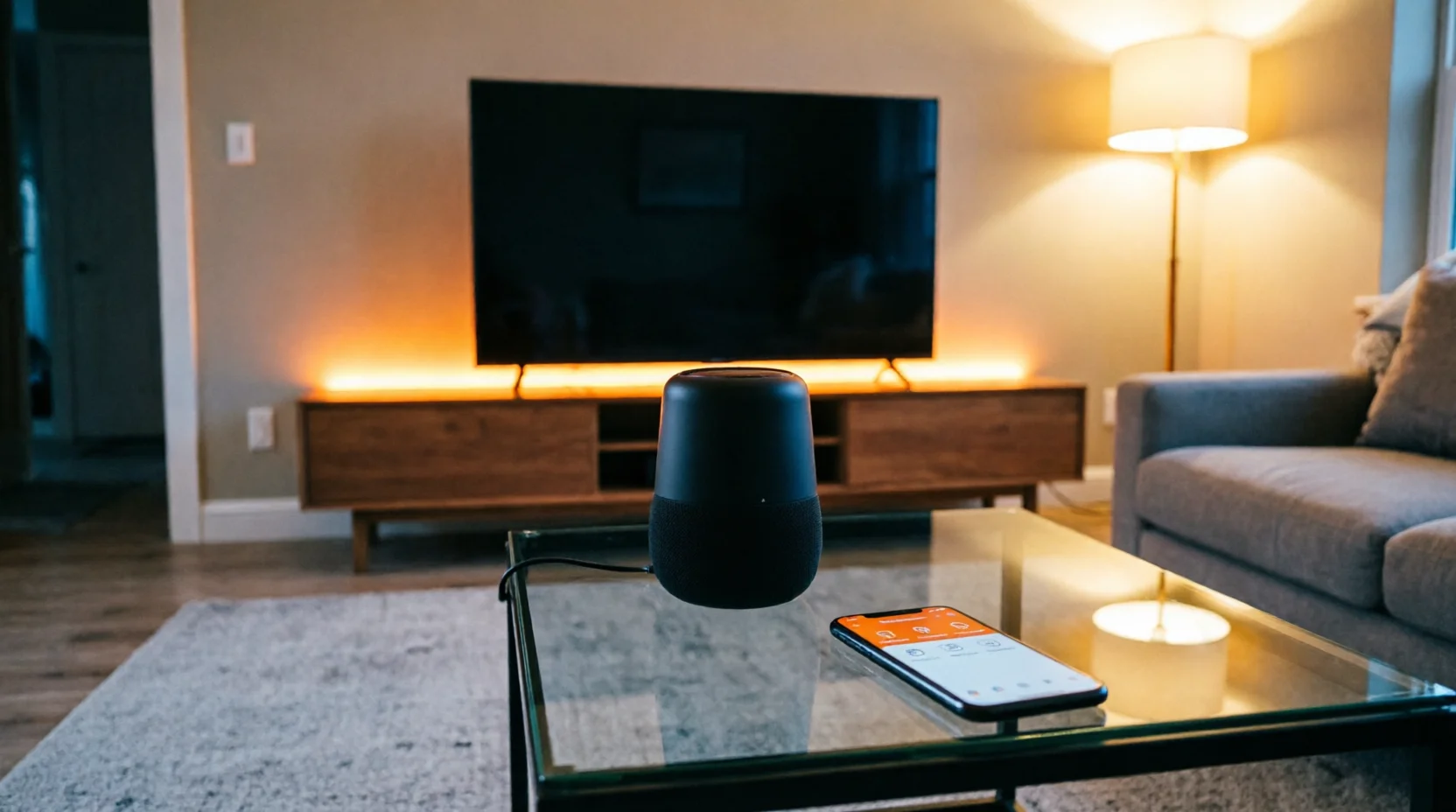
A smart speaker ties your home together: lighting, music, weather, and scenes are controlled by voice. It's the heart of the system.

How much does it cost: 3 ready-made sets
| Набор | Состав | Бюджет |
|---|---|---|
| «Старт» | 2 умные лампы + умная розетка | ~25 000 ₸ |
| «Комфорт» | Старт + колонка + датчик движения | ~55 000 ₸ |
| «Безопасность» | Комфорт + камера + датчик двери | ~85 000 ₸ |
Buy devices in sets: this will save you 10-15% and guarantee compatibility.
Check your Wi-Fi before purchasing: a router older than 5 years may not be able to handle 10+ devices. A dual-band router (2.4 + 5 GHz) is the foundation of a stable smart home.
Three most common mistakes
- Purchasing devices from different ecosystemsWithout checking compatibility, half of the gadgets “don’t see” each other.
- Saving on a router— devices fail, scenarios fail.
- Lack of a backup plan— the light should work without the Internet: choose lamps with a physical switch mode.
Result
A smart home isn't about buying everything at once, but rather about building sequential scenarios. Start with lights and a speaker, and after a month, you'll know which devices to add next. If you have any questions, let us know via WhatsApp or in the comments: we'll help you put together a system that fits your budget.
Did you like this article? Share it with your friends and follow us on social media—we publish one practical guide every week.
📚 Read also
Эволюция искусственного интеллекта от диалоговых ботов к автономным исполнителям
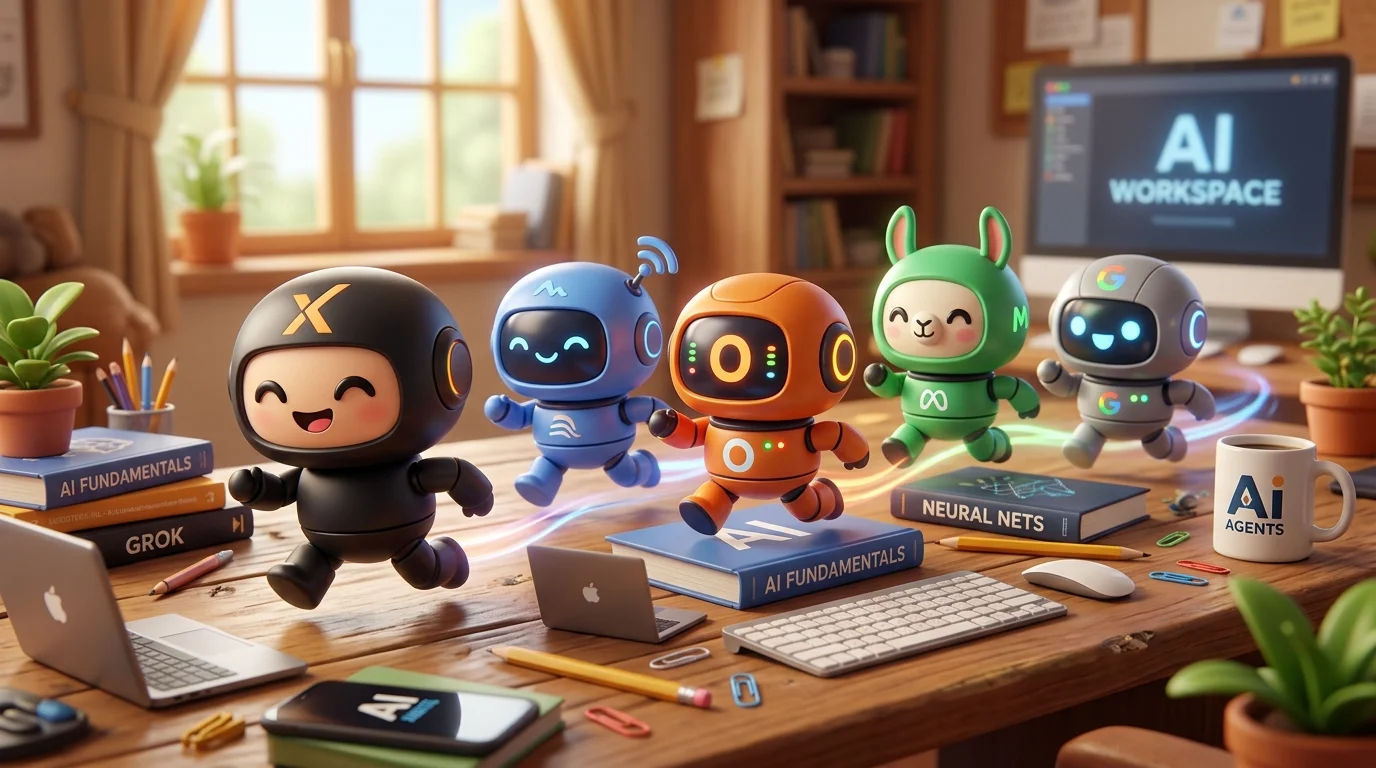
ИИ-агенты знаменуют эволюционный переход от традиционных чат-ботов к автономным цифровым исполнителям, способным самостоятельно планировать действия, управлять интерфейсами компьютеров и выполнять сложные многошаговые задачи в фоновом режиме без постоянного контроля человека. В отличие от простых систем формата «вопрос-ответ», ключевые решения от ведущих техногигантов — включая OpenAI (Operator/Dots), Anthropic (Claude Computer Use), xAI (Grok), Microsoft, Google и Salesforce — нацелены на достижение конкретного результата: от написания кода и работы в CRM до управления личными сервисами и приложениями. Развитие этой технологии кардинально меняет подход к автоматизации, смещая фокус с обычной генерации текста на решение реальных прикладных задач и оценку эффективности по конечному результату.
Развитие искусственного интеллекта: мультимодальность Astra и аналитическая мощь Claude Opus 5.5
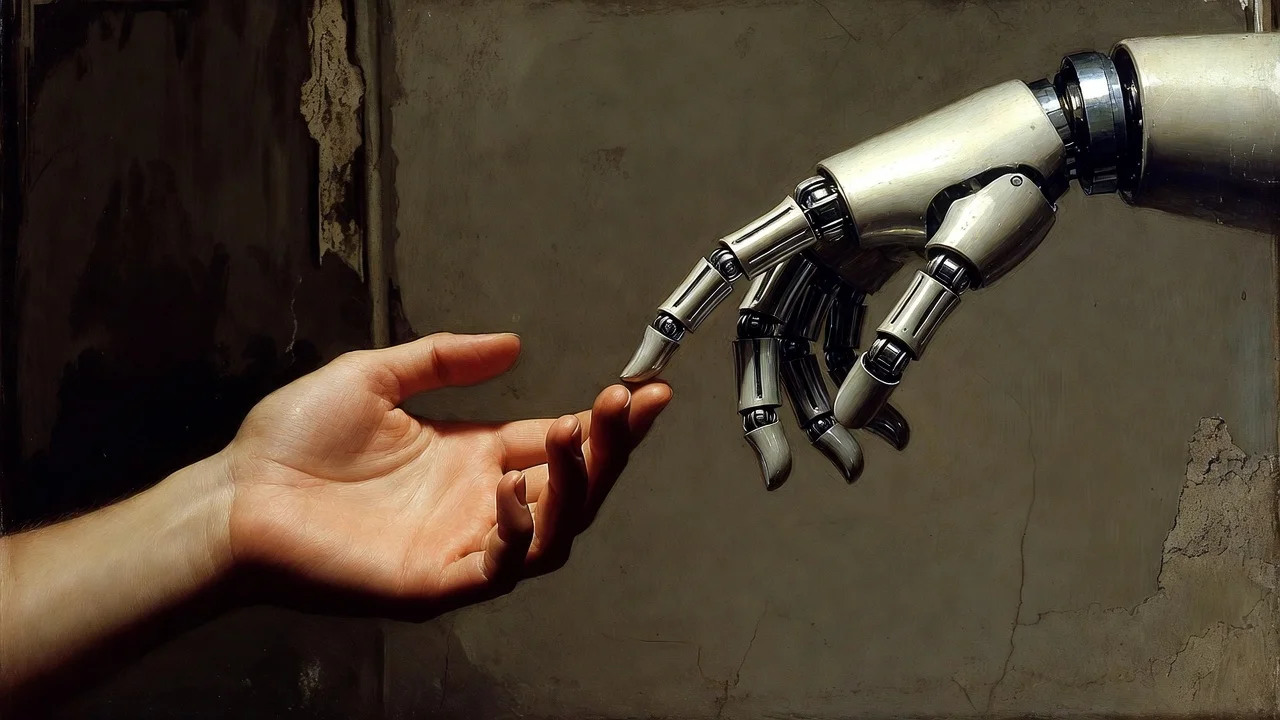
Сравнительный анализ двух концептуальных векторов развития искусственного интеллекта — визуально-пространственного (Google Astra) и аналитико-агентного (Claude Opus 5.5). Современный ИИ развивает две разные компетенции: Astra становится «глазами и ушами» человека в физическом мире, а Claude Opus 5.5 взяла на себя роль автономного эксперта в цифровой среде и инженерии.
Такси без водителя: Waymo, Cybercab, Yandex и перспективы в Казахстане
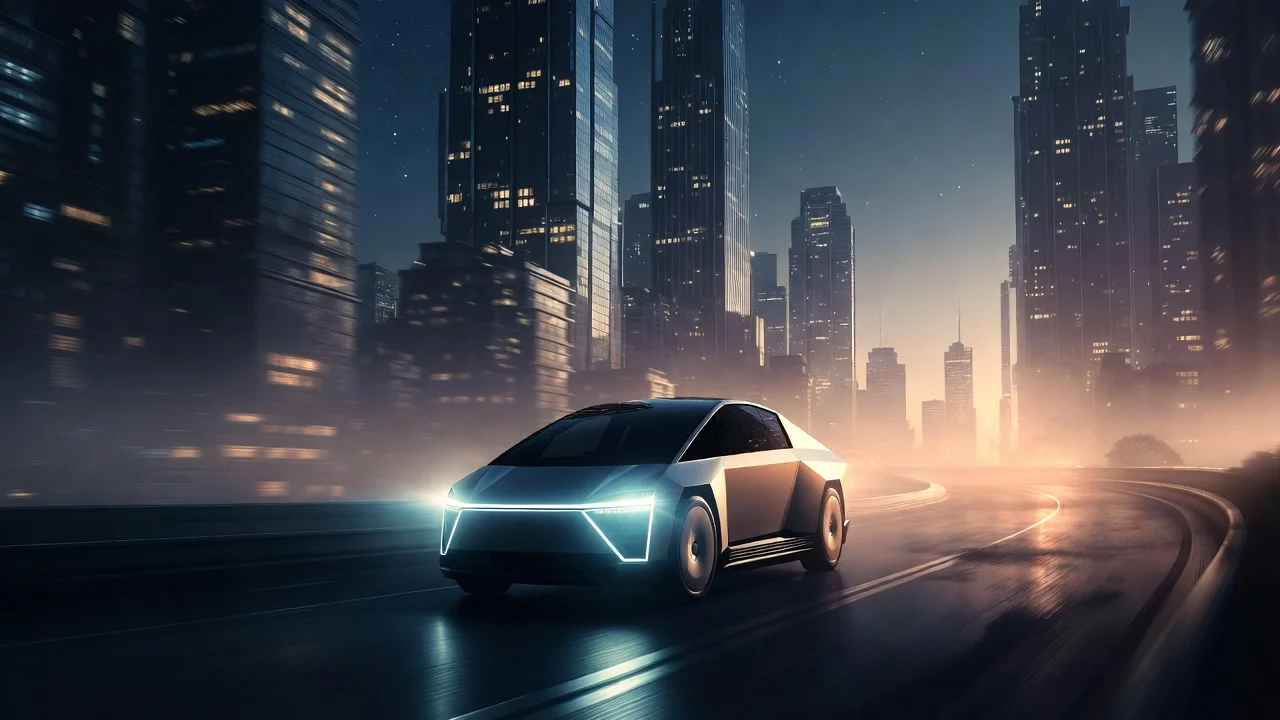
Waymo (Google) ездит по США с 2020 года: десятки городов, 4 пассажира, лидар + камеры, уже выезжает на трассы. Цена примерно как у Uber. Tesla Cybercab только стартовал в сентябре 2026 в Остине: 2 места, без руля и педалей, только камеры. Обещают сильно дешевле — до $0,20–0,40 за милю. В Казахстане Yandex уже тестирует роботакси в Алматы. Пилот в трёх городах, коммерческий запуск — 2027. Будущее ближе, чем кажется. Кто быстрее сделает поездки дешевле и безопаснее?
💬 Comments (1)
Leave a comment
Comments are pre-moderated.