
Startup World Cup Kazakhstan through the eyes of the Lemag.kz team: seven lessons we're taking back into our work
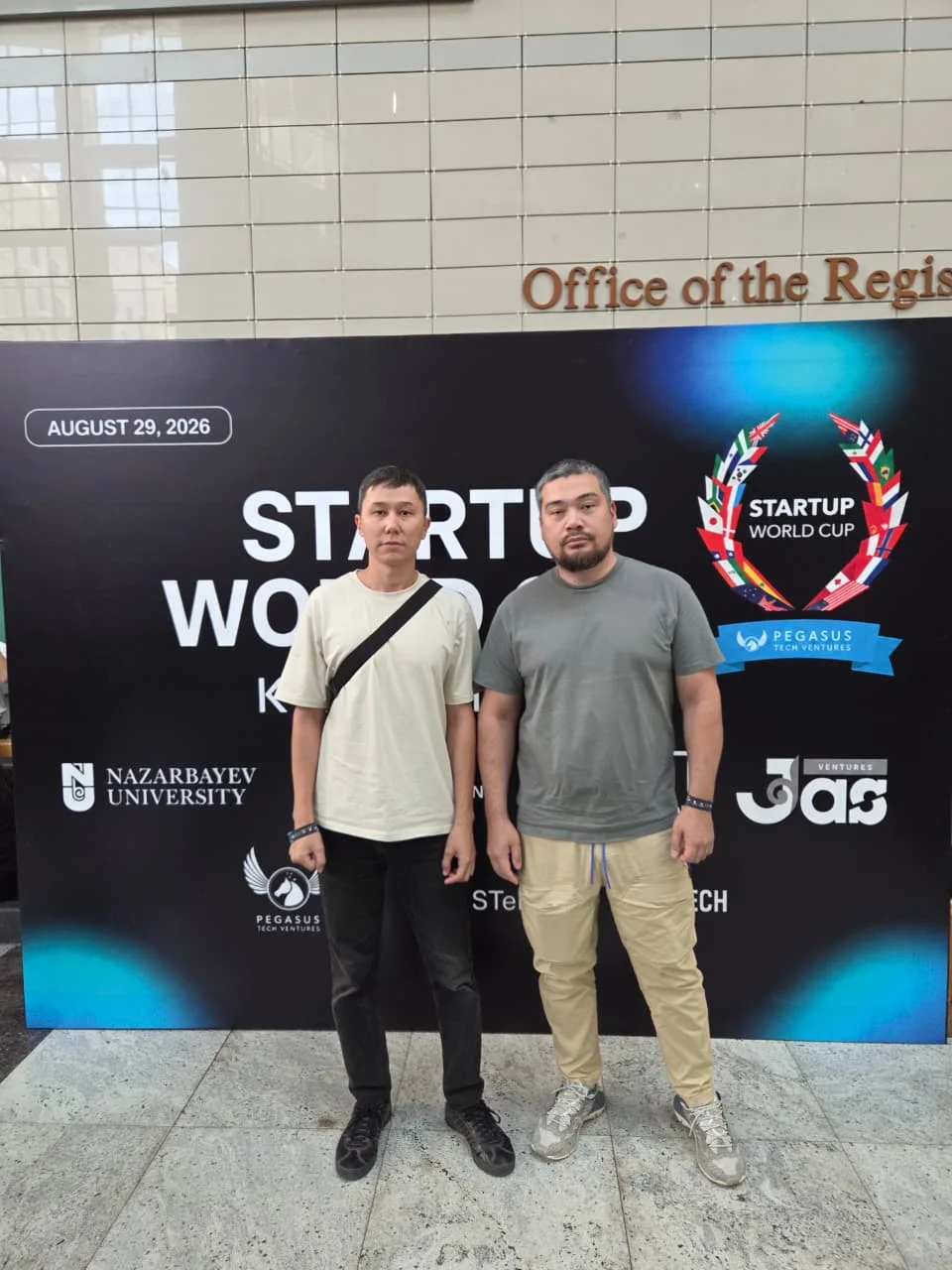
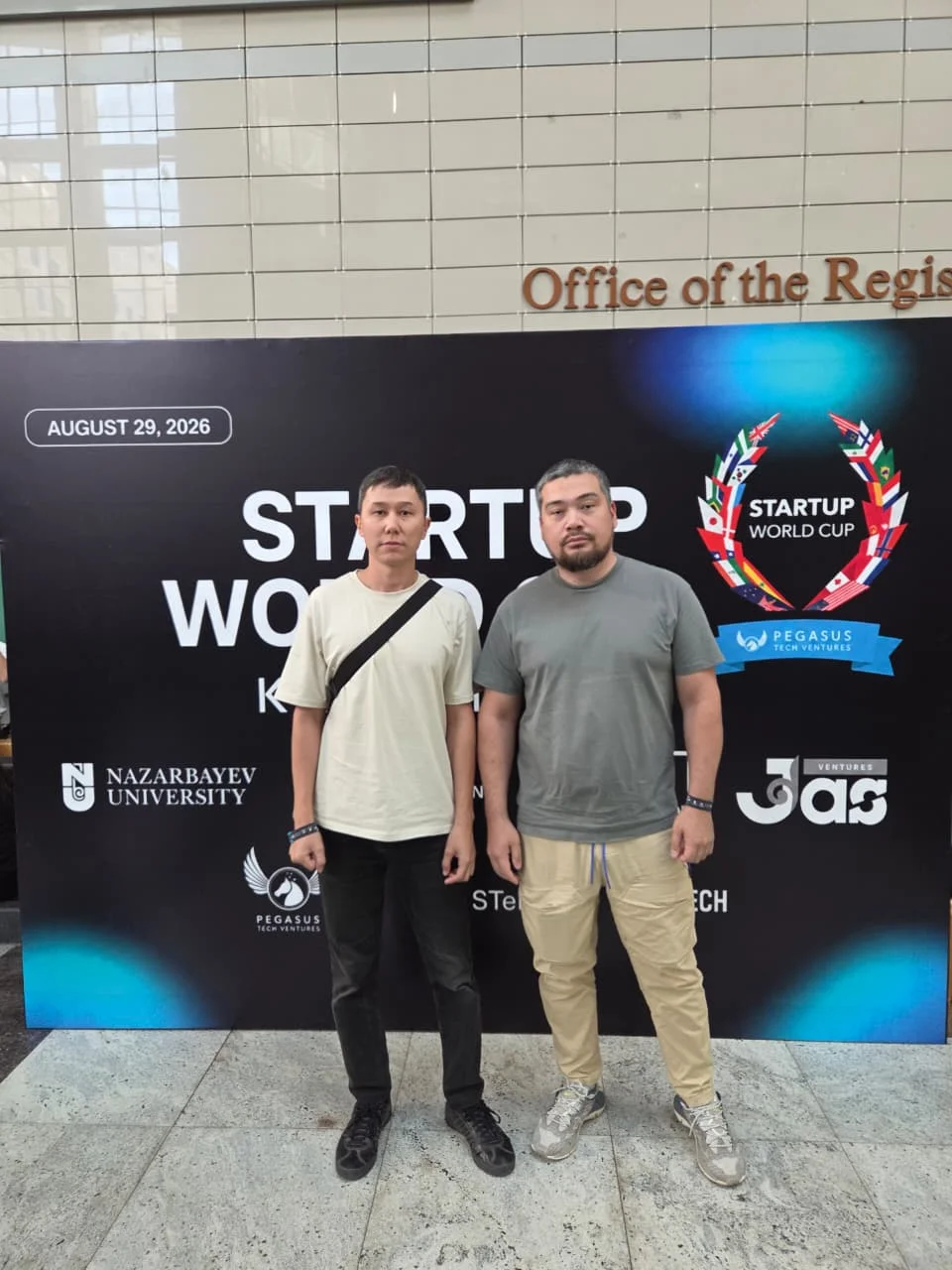
At the end of summer, we at Lemag.kz did what we advise everyone building their own business: we left our laptops and went to watch those pitching their dreams to investors. The Startup World Cup national selection at Nazarbayev University wasn't just a "box-ticking event" for us, but a three-hour consultation with others on their experiences. Below is a summary of our observations: seven lessons we're taking back into our own work.
1. Why should a blog and store attend a pitch tournament?
Lemag.kz has a dual nature—a media outlet and an online store—and the main risk of this model is called "tunnel vision": when you're lost in your own articles and product listings, you lose sight of the market. A pitch tournament is a cross-section of the market in a single evening: a dozen teams, each explaining in three minutes what pain point they solve and why their solution will grow. Better than any conference, it's a great way to boost your visibility.
2. What is the Startup World Cup? (In one paragraph)
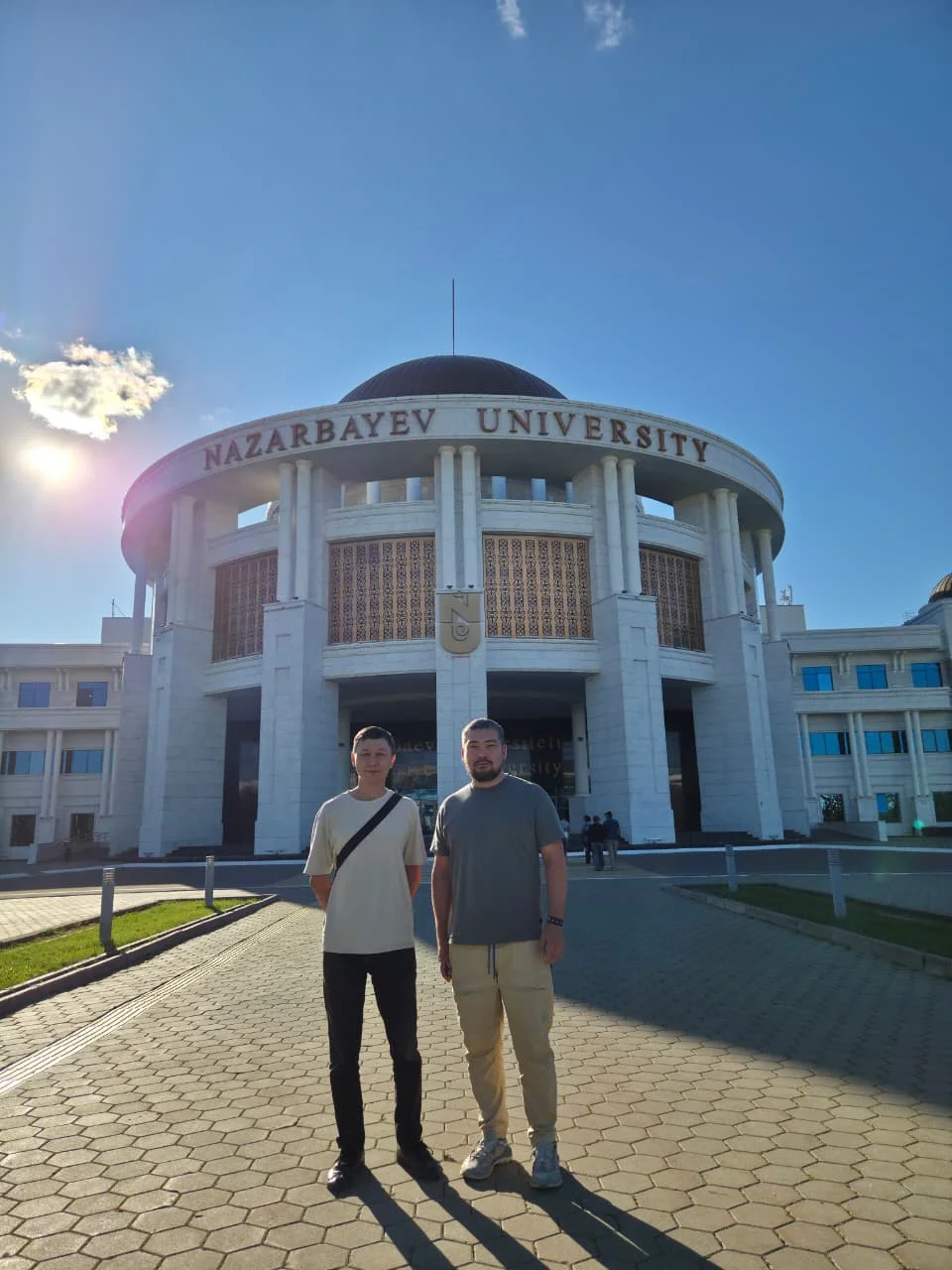
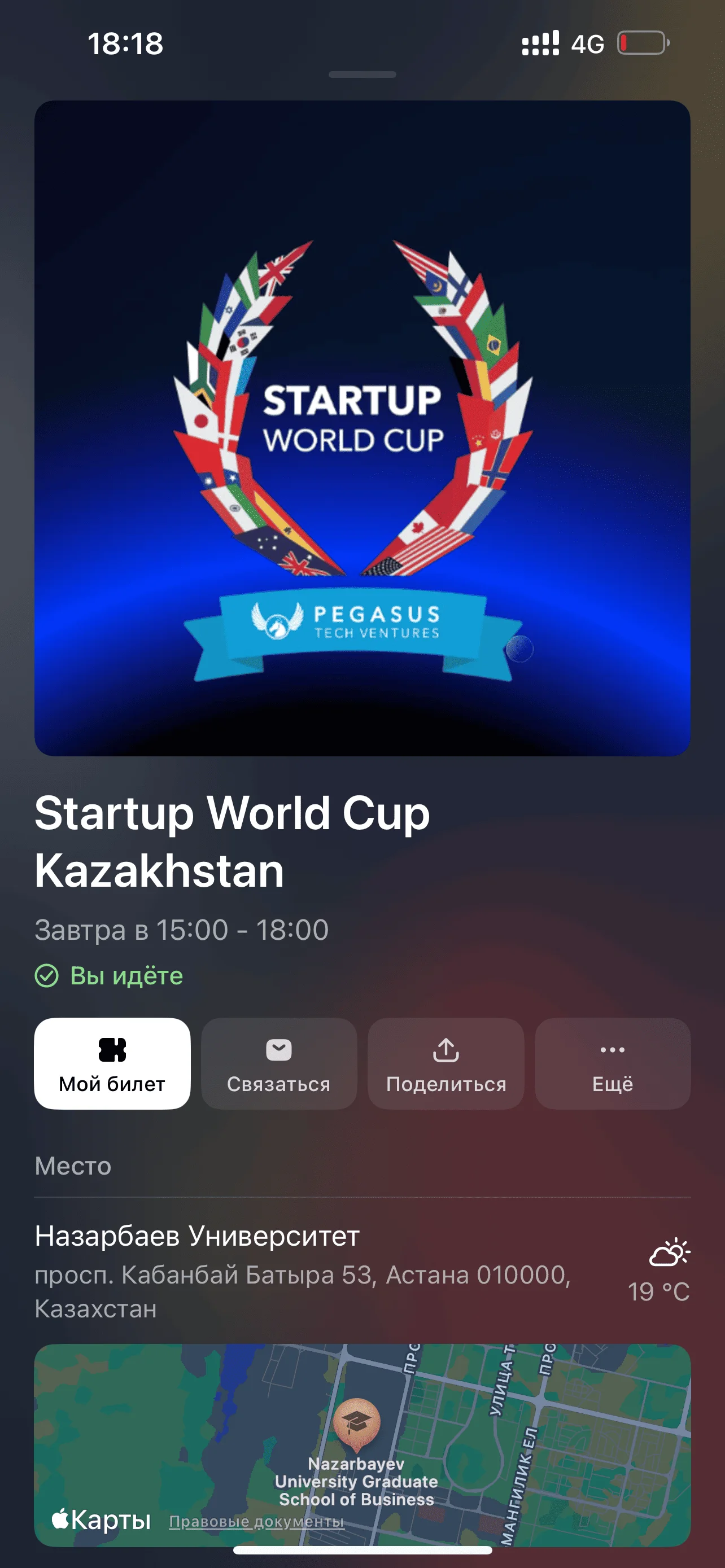
This is a global pitch competition series hosted by Pegasus Tech Ventures: national competitions take place around the world, and the winners of the national finals meet on the global stage. The Kazakhstan competition brings together startups, investors, and partners. This year, the campus of Nazarbayev University served as the venue, and the local atmosphere added academic gravitas to the event.
3. Lesson 1: A pitch is a story about pain, not about features.
Strong pitches didn't start with "we have an AI app," but with a vivid depiction of pain: how much the problem costs, who suffers from it every day, and what happens if it's not solved. Weak pitches began with a list of features that investors had to invent themselves.
? Conclusion for yourself:In Lemag.kz articles and cards, we also first describe the reader's or buyer's pain point and only then the product's capabilities. The pitch stage confirmed that this works not only in text but also in investments.
4. Lesson 2: Investors ask for numbers, not dreams
The jury's questions almost always revolved around unit economics: customer acquisition cost, retention, margins, and growth rates. Teams with beautiful slides but fuzzy numbers lost the audience on the second question; teams with modest designs but honest math held the audience's attention until the end.
? Conclusion for yourself:Calculating content and store economics—cost per click, card conversion, and reader retention—isn't just a "boring routine," but a survival system. We've enhanced our dashboards.
5. Lesson 3: Networking is more powerful than the stage
The most valuable conversations happened not in the room, but during breaks: over coffee, the founders showed off prototypes, investors shared their criteria, and students asked casual questions. We gained more insights in one break than in an hour of pitches.
? Conclusion for yourself:Go to any event with the "three encounters" rule: have at least three meaningful conversations with strangers - otherwise the trip is considered a waste of time.

6. Lesson 4. Students in the hall are the main signal
Half the audience were students: they filmed the pitches on their phones and asked questions about the founder's journey and internships. They weren't just spectators, but the next wave of founders and employees; the ecosystem grows from the bottom up, and the university platform is acutely aware of this.
? Conclusion for yourself:It's easier and more practical to write—some of our readers are those same students who will become entrepreneurs in a couple of years and come looking for case studies.
7. Lesson 5: An ecosystem is about people, not grants
The series' international brand, local venture partners, and the university as a platform—the event relies on a network of people who have come to an agreement. Grants and prizes are just window dressing; the real value lies in the fact that the ecosystem has learned to reconcile itself regularly.
? Conclusion for yourself:Partnerships are crucial. Small projects find it more profitable to integrate into other ecosystems (communities, platforms, collaborations) than to build everything on their own.
8. Lesson 6. Deadline is the best product manager
The teams that took the stage privately admitted that half of the product was completed in the last two weeks before the selection. The public deadline forces decisions that had been put off for months.
? Conclusion for yourself:Set yourself public deadlines - announce the launch of a section or feature in advance so there is no room for retreat.
9. Lesson 7: History sells better than technology
The winning emotions of the room were evoked not by the most technologically advanced pitches, but by the most human ones: a founder who solved a problem he himself faced. Technology changes, but the "I lived through this pain" story is an eternal credibility hook.
? Conclusion for yourself:In Lemag.kz content, more often show the inside story of our own work—how we build the website, store, and processes; the team's honest story is stronger than glossy promises.
10. What we change at Lemag.kz after a trip
? Five decisions made on the way back
- Pain at first.Rewrite the key store cards: first the pain and scenario, then the characteristics.
- Numbers on the wall.A weekly dashboard of content and store unit economics – just like those of mature startups.
- The rule of three acquaintances.For each offline event - at least three meaningful contacts.
- Public deadlines.Announce section launches in advance – in stories and digests.
- The inside out in content.New case study series: How we're building Lemag.kz – from SEO to greenhouse fields.
11. Checklist: How to Get the Most Out of a Startup Event
? Before, during and after
- To:Study the list of participants, write down five teams and two names you want to talk to.
- To:Prepare a 20-second self-presentation: who you are, what you build, how you can help.
- During:sit closer to the aisles and coffee area - that's where the real networking happens.
- During:Write down not pitch notes, but questions from the jury - this is a map of what is important to investors.
- After:Write to all new contacts within 48 hours; otherwise, the acquaintance will disappear.
- After:Choose three solutions for your project and assign dates to them - otherwise the trip was a joke.
Result:Startup World Cup Kazakhstan didn't just inspire us, it gave us homework: calculating unit economics, starting with pain points, working with the ecosystem, and setting public deadlines. Such trips are the best way to break the tunnel vision of a small project: three hours of listening to other people's pitches saves months of trial and error. Let's get back to work and continue sharing the dark side of our journey through our case studies. ?
❓ FAQ
What is Startup World Cup?
Pegasus Tech Ventures' global pitch competition series features national rounds around the world, with winners advancing to the global finals. The Kazakhstan round is held in Astana with the support of local venture partners.
Is it possible to come without your own startup?
Yes: registration is open to spectators, students, and curious entrepreneurs; the "watch and learn" format offers just as much benefit as participating in the project.
What does the jury evaluate in a pitch?
Pain and the market, trajectory and unit economics, team and unfair advantage; slides and effects are in third place.
How should a viewer prepare for a pitch event?
Study the list of participants in advance, write down 5 teams you want to meet, prepare a 20-second self-introduction and questions - the backstage matters more than the stage.
What other similar events are there in Kazakhstan?
Hackathons, accelerator demo days, university startup days, and industry conferences are all on the calendar, and venture capital funds and universities are worth checking.
Why does a small team need such events?
Eliminate tunnel vision: Over three hours, see a dozen other people's growth models, get feedback through networking, and come back with specific changes to your project.
📚 Read also

Вайбкодинг для начинающих: какие ИИ-сайты и приложения нужны
Какие ИИ-инструменты нужны начинающему вайбкодеру. Новичку достаточно браузерной платформы вроде Lovable, Replit, v0 или Bolt.new для быстрого прототипа, затем ИИ-редактора Cursor или Windsurf для доработки. Отдельно упомянуты GitHub Copilot, Claude Code, Google Stitch, Thunkable AI и локальная связка Ollama с Qwen3-coder. Рекомендованный маршрут: собрать MVP в браузере, экспортировать на GitHub и доработать в Cursor.

Как работает GPS и почему врёт в городе: четыре атомные часы на орбите, трилатерация, поправки Эйнштейна внутри вашего телефона, городской каньон, A-GPS и будущее квантовой навигации
Каждую секунду над вашей головой проносятся десятки спутников с атомными часами, передающие одну и ту же метку времени. Ваш телефон не «видит» их - он слушает их часы и вычисляет позицию по разнице задержек сигнала. Команда Lemag.kz продолжает серию о невидимых инфраструктурах разбором GPS: почему без релятивистских поправок Эйнштейна навигатор уезжал бы на 10 км в день, что такое городской каньон и мультипуть, чем отличаются GPS, ГЛОНАСС, Galileo и BeiDou, и где будущее - у квантовых часов и низкоорбитальных созвездий.
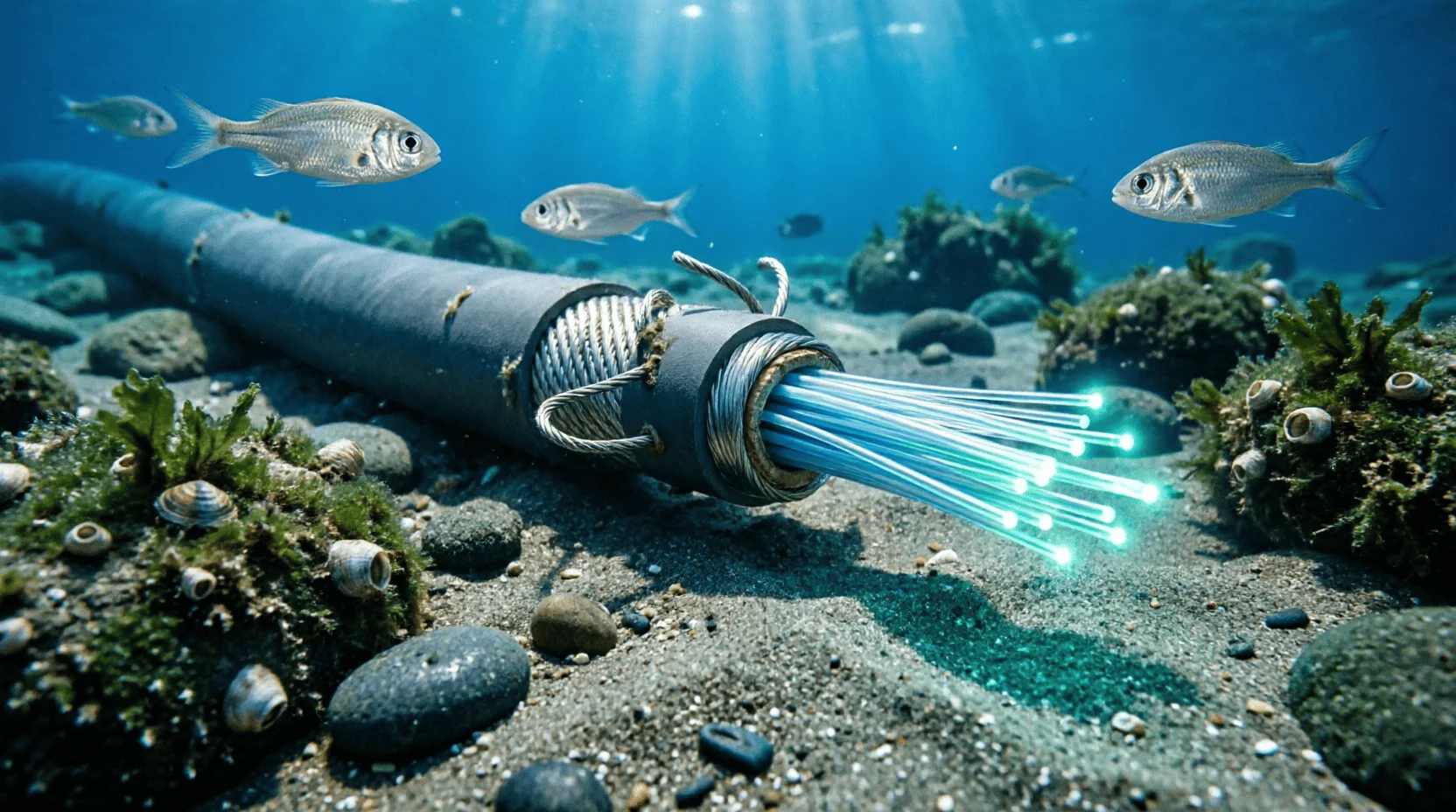
Как интернет доходит до вашего роутера: 40 000 км подводных кабелей, точки обмена трафиком, DNS как телефонная книга сети, BGP и последние сто метров - анатомия пути, который сообщение проходит за 200 миллисекунд
Интернет называют «облаком», но облако - это метафора для стекла на дне океана: около 99% межконтинентального трафика идёт по подводным кабелям, а не через спутники. Команда Lemag.kz проходит весь путь данных по слоям: от фотонов в оптоволокне и кабелеукладчиков до DNS, BGP, последней мили и вашего роутера, - и объясняет, почему сообщение через полпланеты прилетает за 200 миллисекунд, а видео из соседнего дома иногда грузится дольше.
💬 Comments (0)
No comments yet. Be the first!
Leave a comment
Comments are pre-moderated.