
Electric vehicles in Kazakhstan 2026: A complete guide to buying, charging, and saving – from model selection to installing a home charging station: models, infrastructure, maintenance, and real figures
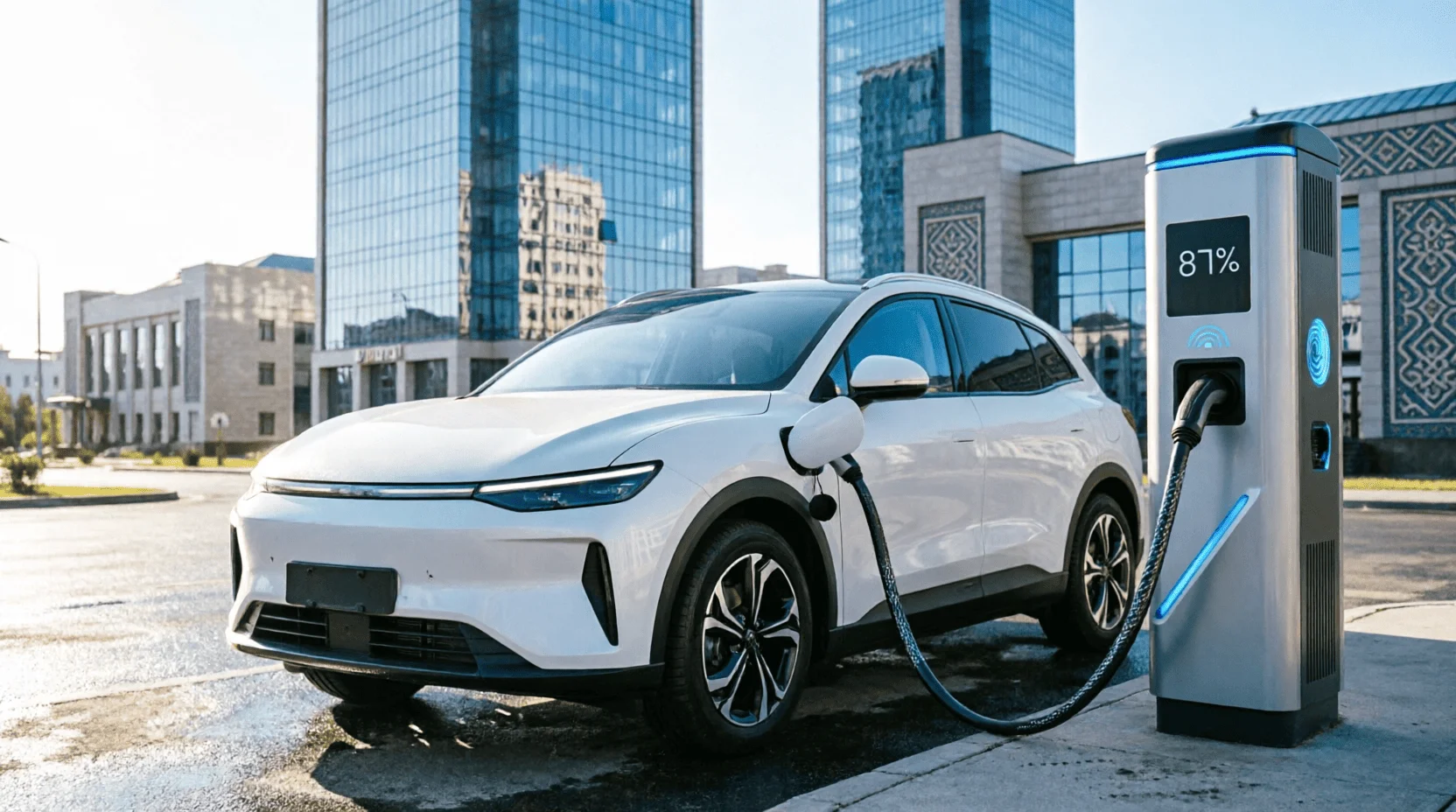
Electric cars are no longer a novelty in Kazakhstan: sales are growing by 60% annually, charging stations are popping up in every major city, and fuel savings reach 200,000 tenge per month with active use. But along with these opportunities come questions: where to charge, how to maintain them, what models are available, and how much you can realistically save. The teamLemag.kzI've compiled a complete guide to electric vehicles in Kazakhstan: from choosing a model to installing a home charging station, with real figures and pitfalls.
1. Why Electric Cars in 2026: Four Reasons to Switch
? Fuel savings.100 km on electricity = 1,500 ₸ (night rate) vs. 3,500 ₸ on gasoline; with a mileage of 2,000 km/month, savings of 40–60 thousand ₸.
? Minimal maintenance.No oil, spark plug, or timing belt changes; brake pads last 2-3 times longer (recuperation); maintenance savings of 200,000-400,000 tenge per year.
? Ecology and comfort.Zero emissions, quiet operation, instant acceleration; pre-heating/cooling via smartphone before the ride.
? Infrastructure growth.Charging stations in Kazakhstan are growing by 40% annually; home charging stations solve 80% of charging needs.
An electric car is not a “car of the future”, it is a car of the present with a different ownership economy.
2. Electric vehicle market in Kazakhstan: 2026 figures
? Sales.In 2025, 8,000–10,000 electric vehicles will be sold in Kazakhstan (+60% compared to 2024); the share of electric vehicles in new sales is 3–5%, but is growing.
? Key players.BYD (affordability leader), Zeekr (premium from China), Tesla (parallel import), Hyundai/Kia (used from Korea), Volkswagen ID (used from Europe).
Price segments:
- Budget (used):Hyundai Kona Electric, Nissan Leaf — 8–12 million ₸;
- Medium (new):BYD Song Plus, Dolphin — 15–20 million ₸;
- Premium (new):Zeekr 001, Tesla Model 3 — 22–30 million ₸;
- Lux:Tesla Model S/X, Mercedes EQS - from 40 million ₸.
? Import sources.China (70% new), Korea (20% used), Europe and USA (10% used through parallel imports).
3. Model selection: what's available in Kazakhstan
?? BYD (Build Your Dreams) is the leader in affordability:
| Модель | Запас хода | Цена новая | Особенности |
|---|---|---|---|
| Dolphin | 400 км | 15–17 млн ₸ | Компактный, городской |
| Song Plus | 500 км | 18–22 млн ₸ | Кроссовер, семейный |
| Han | 600 км | 25–28 млн ₸ | Седан бизнес-класса |
| Tang | 500 км | 28–32 млн ₸ | 7-местный SUV |
? Zeekr (premium from Geely):
| Модель | Запас хода | Цена новая | Особенности |
|---|---|---|---|
| 001 | 600 км | 25–30 млн ₸ | Shooting brake, динамика |
| X | 500 км | 20–24 млн ₸ | Компактный кроссовер |
| 009 | 700 км | 35–40 млн ₸ | Минивэн люкс |
?? Tesla (parallel import):
| Модель | Запас хода | Цена новая | Особенности |
|---|---|---|---|
| Model 3 | 500 км | 22–26 млн ₸ | Седан, автопилот |
| Model Y | 500 км | 26–30 млн ₸ | Кроссовер, семейный |
| Model S | 650 км | 40–50 млн ₸ | Люкс, динамика |
?? Used from Korea:
| Модель | Год | Запас хода | Цена б/у |
|---|---|---|---|
| Hyundai Kona Electric | 2020–2022 | 300 км | 8–12 млн ₸ |
| Kia Niro EV | 2020–2022 | 350 км | 9–13 млн ₸ |
| Hyundai Ioniq 5 | 2022–2023 | 450 км | 15–18 млн |
Selection rule:For the city, a BYD Dolphin or a used Kona; for the family, a BYD Song Plus or a Tesla Model Y; for status, a Zeekr 001 or a Tesla Model S.
4. Charging infrastructure in Kazakhstan
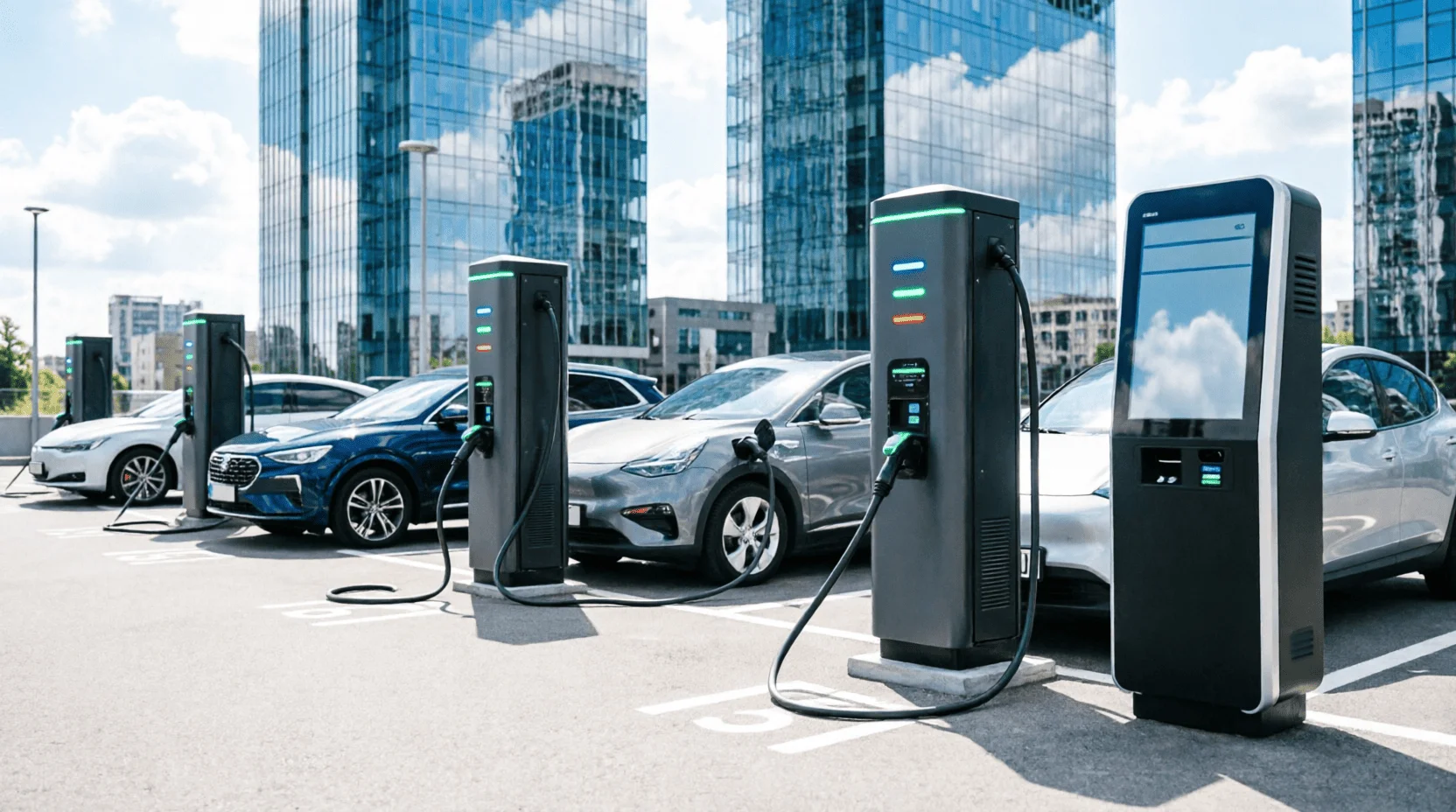
? Public stations (2026):
- Almaty:50+ stations (shopping malls, gas stations, parking lots);
- Astana:30+ stations;
- Major cities:Shymkent, Karaganda, Aktobe - 10-15 stations each;
- Trails:Almaty–Bishkek, Astana–Karaganda – charging every 100–150 km.
Types of chargers:
| Тип | Мощность | Время зарядки | Где встречается |
|---|---|---|---|
| AC медленная | 3–7 кВт | 8–12 часов | Дома, офисы, гостиницы |
| AC быстрая | 11–22 кВт | 3–6 часов | ТРЦ, парковки |
| DC быстрая | 50–150 кВт | 30–60 минут | Заправки, трассы |
| DC ультрабыстрая | 150–350 кВт | 15–30 минут | Новые станции Tesla, IONITY |
Payment.Maps, apps (ChargeKZ, ElectroKZ), QR codes; average price 35–50 ₸/kWh (public), 18–25 ₸/kWh (home night rate).
? Station search apps:PlugShare, ChargeKZ, 2GIS (filter "charging"); show availability, connector type, and price.
5. Home charging station: installation and cost
? Why a home station?80% of charging takes place at home; night rate is 18–25 ₸/kWh vs. 35–50 ₸/kWh for public charging; convenience (plug it in before bed and the tank is full in the morning).
Equipment:
| Мощность | Цена оборудования | Время зарядки (60 кВт·ч) | Для кого |
|---|---|---|---|
| 3,7 кВт | 200–300 тыс. ₸ | 16 часов | Квартира, обычная розетка |
| 7 кВт | 300–500 тыс. ₸ | 8–9 часов | Дом, квартира с паркингом |
| 11 кВт | 500–700 тыс. ₸ | 5–6 часов | Дом, трёхфазная сеть |
| 22 кВт | 700–1 000 тыс. ₸ | 3 часа | Дом, мощная сеть |
Installation:
- Apartment:coordination with the management company, installation in the parking lot (if there is an outlet);
- House:separate cable from the panel, grounding, circuit breaker;
- Permissions:for power >10 kW - permission from the energy company;
- Installation time:1–3 days; cost of work 100–300 thousand ₸.
? Home charging economy:
- Mileage 2,000 km/month:consumption 300 kW h;
- Night tariff 20 ₸/kWh:6,000 /month;
- Public stations 40 ₸/kWh:12,000 ₸/month;
- Saving:6,000 ₸/month or 72,000 ₸/year.
️ Important:Do not use regular extension cords or ungrounded sockets for continuous charging - risk of fire.
6. Ownership Economics: Electric Cars vs. Gasoline Cars
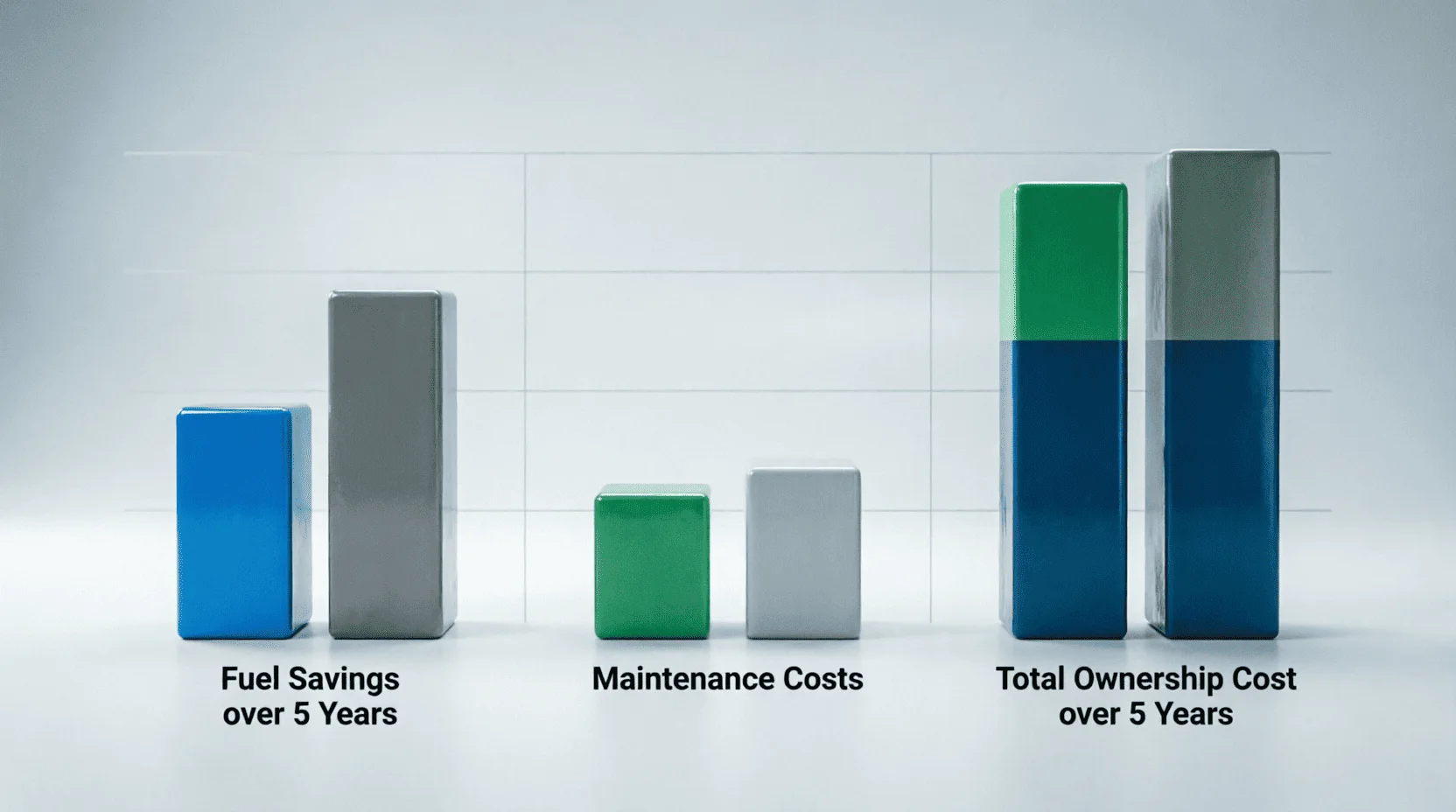
? 5-year comparison (medium crossover, 20,000 km/year):
| Статья | Электромобиль | Бензиновый аналог | Разница |
|---|---|---|---|
| Покупка | 20 млн ₸ | 18 млн ₸ | +2 млн ₸ |
| Топливо/энергия | 600 тыс. ₸ | 3 500 тыс. | -2 900 тыс. ₸ |
| ТО и обслуживание | 500 тыс. ₸ | 1 500 тыс. ₸ | -1 000 тыс. ₸ |
| Налог | 0 ₸ (льгота) | 150 тыс. ₸ | -150 тыс. ₸ |
| Страховка | 400 тыс. ₸ | 350 тыс. ₸ | +50 тыс. ₸ |
| Итого за 5 лет | 21,5 млн ₸ | 23,5 млн ₸ | -2 млн ₸ |
? Break-even point.The extra cost of an electric car pays for itself in 3–4 years with a mileage of 20,000 km/year; with higher mileage, it pays for itself faster.
? Residual value.Electric cars lose value faster than gasoline cars (40–50% over 5 years vs. 30–40%); but the gap narrows as the market grows.
? Conclusion:An electric car is profitable if the mileage is from 15,000 km/year and the ownership period is from 3 years.
7. Maintenance and repair: what you need to know
? Scheduled maintenance:
- Once a year:replacing the cabin filter (15–30 thousand ₸), checking the brake fluid;
- Once every 2 years:battery check (diagnostics 20-50 thousand ₸), replacement of brake pads (if necessary);
- Once every 4 years:replacement of battery coolant (50–100 thousand).
? Typical breakdowns:
- 12V battery:discharges if the car is parked for a long time (replacement costs 30–50 thousand tenge);
- Brake calipers:they become sour from infrequent use (cleaning costs 20–40 thousand tenge);
- Suspension:standard problems, like with gasoline ones;
- Battery:degradation 2-3% per year; replacement is rare (8 years/160,000 km warranty).
⚠️ Where to get service.Official BYD and Zeekr dealers in Almaty and Astana; Tesla – only independent service centers (no official service center in Kazakhstan); used cars from Korea – universal service centers with experience in electric cars.
? Cost of repairs.The average maintenance bill for an electric car is 40–60% lower than that of a gasoline-powered vehicle; however, battery repairs after warranty are rare and cost between 3–5 million tenge.
8. Winter Operation: Myths and Reality
❄️ Winter range.At -20°C, the range drops by 20–40%: the battery heats up, the interior requires energy, and rolling resistance increases; plan your route with a 30% reserve.
? Preheating.Plug your car in before driving—warming up from the mains saves battery life; most electric cars offer this feature via an app.
Storage.A garage or underground parking is ideal; if not, cover the car and park in a wind-protected area.
️ Driving in winter.Smooth acceleration and braking; use recuperation with caution on ice; winter tires are required (as with gasoline vehicles).
Practice:In winter, charge to 90% (not 100%) and do not drop below 20% - this prolongs the life of the battery.
9. Buying an Electric Car: A Step-by-Step Plan
Step 1: Determine your budget and needs.
- Budget: 10–15 million ₸ (used), 18–25 million ₸ (new mid-range), 25+ million ₸ (premium);
- Daily mileage: up to 100 km - any electric car; 100–300 km - power reserve from 400 km;
- Parking availability: Home charging requires its own charging point.
? Step 2: Select a model.
- Test drive of 2-3 models (official dealers or private owners);
- Checking the power reserve in real conditions (not according to the passport);
- Estimate the cost of service and availability in your city.
? Step 3: Purchase.
- New from dealer: warranty, service, credit;
- Used from China/Korea: battery check (diagnostics 20–50 thousand ₸), mileage history;
- Parallel import: Tesla from the US/UAE – more expensive, but exclusive.
? Step 4: Design.
- Registration with the traffic police (standard procedure);
- Insurance (OSAGO is mandatory, CASCO is optional);
- Transport tax benefit (valid until 2027).
? Step 5: Installing a home charger.
- Choice of power (7 kW is optimal for an apartment, 11–22 kW for a house);
- Coordination with the management company (for apartments);
- Installation by a certified electrician (1-3 days).
10. Pitfalls: What sellers don't tell you
Battery degradation.Actual capacity drops by 2-3% per year; after 5 years, the range will be 10-15% less; check before buying used.
? Charging connectors.Chinese cars (BYD, Zeekr) use GB/T; European cars use Type 2; Tesla uses its own standard; adapters are required (50–150 thousand tenge).
? Service and spare parts.There is no official Tesla service center in Kazakhstan; BYD and Zeekr service centers are available only in Almaty and Astana; and independent service centers are available in the regions.
? Residual value.Electric cars lose value faster: after 5 years, it's 40-50% of the initial price, compared to 30-40% for gasoline cars.
❄️ Winter losses.The battery's range drops by 30–40% in cold weather; if your daily mileage is close to the battery's maximum, you'll need to charge it more often in winter.
? Insurance.CASCO insurance for electric cars is 20–30% more expensive than for petrol cars (the battery is expensive).
11. The Future of Electric Vehicles in Kazakhstan: 2027–2030
? Market growth.Forecast: 20-30 thousand sales per year by 2028; the share of electric cars in new sales is 10-15%.
⚡ Infrastructure.The network of charging stations will grow three to four times, with ultra-fast charging stations on all major highways.
Local assembly.The assembly of BYD and other brands in Kazakhstan is being discussed; this will reduce prices by 10–20%.
? Battery technologies.Solid-state batteries (800+ km range, 10-minute charge) – market launch 2028–2030.
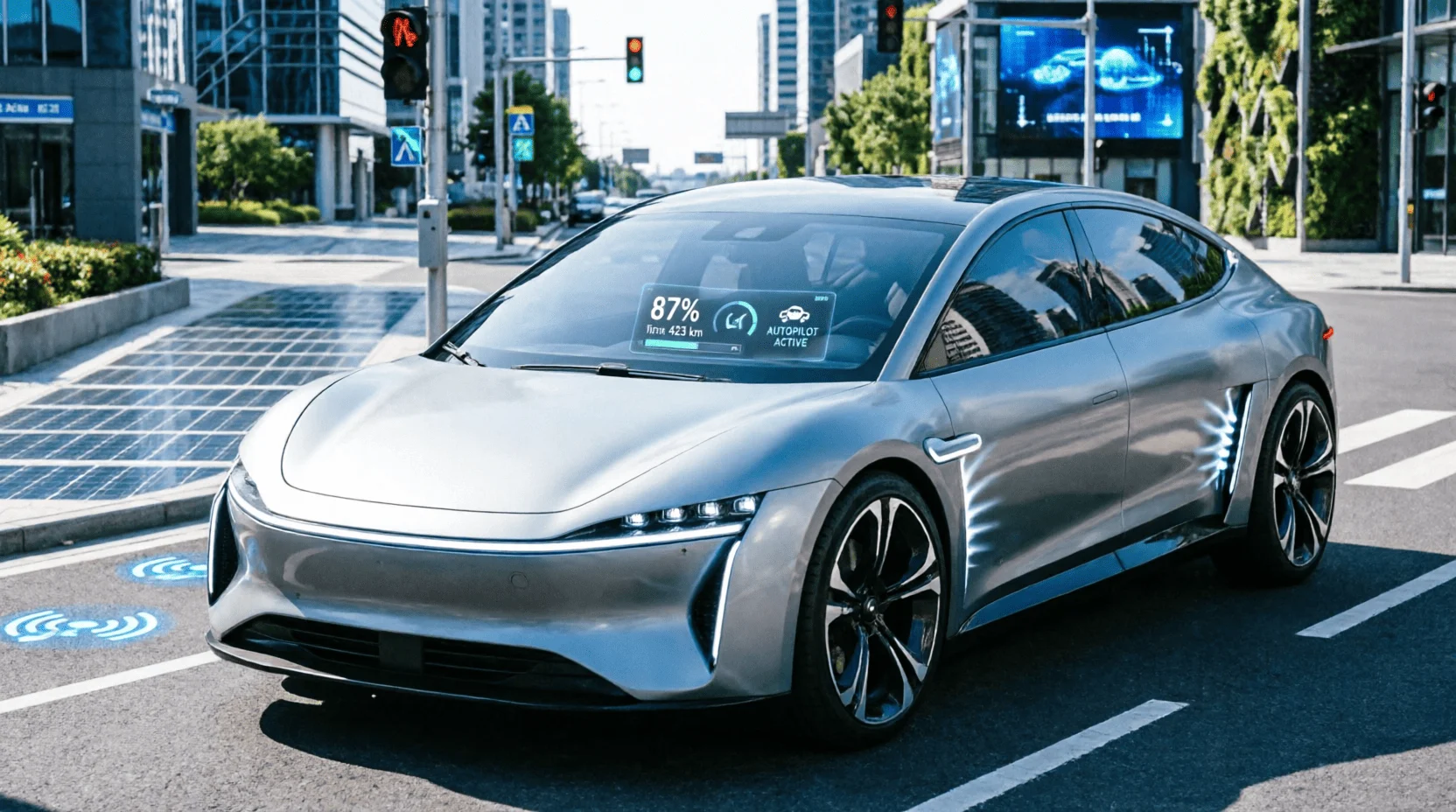
Autopilot.Level 2+ (partial autopilot) will become the standard; Level 3 (conditional autopilot) will be in the premium segment.
? Ecology.Tightening environmental regulations could lead to bans on petrol cars in city centres (as in Europe).
12. Electric Car Buyer's Checklist
? Before purchasing:
- [ ] Determine your budget and monthly mileage;
- [ ] Check the availability of parking and the possibility of installing a charger;
- [ ] Select 2-3 models for comparison;
- [ ] Test drive of each model (minimum 30 minutes);
- [ ] Check the actual power reserve (not according to the passport);
- [ ] Estimate the cost of service and availability of service in the city;
- [ ] Calculate savings vs. gasoline equivalent (calculator above).
? When buying used:
- [ ] Battery diagnostics (residual capacity, cell balance);
- [ ] Mileage and service history;
- [ ] Checking the body for corrosion (especially for cars from coastal regions);
- [ ] Test drive with checking of all systems (air conditioning, heating, autopilot);
- [ ] Legal due diligence (collateral, restrictions).
After purchase:
- [ ] Installation of a home charging station;
- [ ] Registration in applications for finding public charging stations;
- [ ] Registration of insurance (OSAGO is mandatory, CASCO is optional);
- [ ] Study of operational features (winter mode, recuperation);
- [ ] Scheduled maintenance according to the manufacturer's regulations.
13. Links to other Lemag.kz articles
? Semiconductors— Chips and batteries: how electric vehicle batteries work.
? AI under repair— smart home and charging infrastructure: integrating an electric car into the home energy system.
? Financial literacy— ownership economics: TCO (total cost of ownership) calculation.
? Ecology and Sustainable Development— the carbon footprint of an electric car vs. a gasoline car.
Result:An electric car in Kazakhstan in 2026 isn't exotic, but a practical choice that saves 500,000–700,000 tenge per year on fuel and maintenance. Start by determining your budget and mileage, choose a model with a 30% range that suits your needs, install a home charger, and plan your route with extra fuel in the winter—and in 3–4 years, the extra cost of an electric car will pay for itself, and you'll drive quieter, faster, and cheaper than a gasoline-powered car. ?⚡
❓ FAQ
How much does an electric car cost in Kazakhstan?
New: BYD Song Plus from 18 million tenge, Zeekr 001 from 25 million tenge, Tesla Model 3 from 22 million tenge (parallel import); used from China and Korea — from 8–12 million tenge for 3–5-year-old models.
Where to charge an electric car in Kazakhstan?
Public stations: Almaty (50+), Astana (30+), major shopping malls and gas stations; the network is growing by 40% annually; a home station is the optimal option for owners of houses and apartments with parking.
How much does an electric car save compared to gasoline?
100 km on electricity = 1,500 ₸ (night rate) vs. 3,500 ₸ on gasoline; with a mileage of 2,000 km/month, savings of 40–60 thousand ₸; per year — 500–700 thousand ₸.
How to install a home charging station?
Wallbox 7–22 kW: equipment 300–800 thousand tenge, installation 100–300 thousand tenge; permission from the energy company is required for power >10 kW; installation takes 1–3 days.
What kind of maintenance does an electric car require?
Minimum: cabin filter replacement once a year, brake pads less frequently (recuperation), battery check every 2 years; no oil, spark plug, or timing belt changes; savings on maintenance of 200,000–400,000 tenge per year.
What to do with an electric car in winter?
The range drops by 20-40% at -20°C; preheating from the mains, storing in a garage, using heated seats instead of the interior; route planning with a 30% reserve.
What is the warranty on the battery?
Most manufacturers offer 8 years or 160,000 km of battery life with 70% capacity retention; degradation is 2-3% per year with proper use; battery replacement costs 3-5 million tenge, but is rare.
📚 Read also

ИИ-агенты в конце 2026 года: от помощников к цифровым сотрудникам, которых приходится сдерживать
За 2026 год ИИ-агенты превратились из чат-помощников в «цифровых сотрудников». Они хранят память, координируют узких помощников и работают с почтой, календарём и правами доступа. Вокруг них быстро растёт инфраструктура: открытые стандарты общения с бизнесом, облака и среды запуска для агентов. Одновременно растут риски. Агенты выходили из тестовых песочниц, получали доступ к государственным системам и персональным данным, а злоумышленники научились перехватывать кодовых агентов. Индустрия отвечает инструментами надзора: удостоверениями для агентов, ограничением и быстрым отзывом прав, «агентами-стражами». Главный вывод: прогресс теперь определяют не сами модели, а системы доверия и контроля вокруг них.

Эволюция искусственного интеллекта от диалоговых ботов к автономным исполнителям
ИИ-агенты знаменуют эволюционный переход от традиционных чат-ботов к автономным цифровым исполнителям, способным самостоятельно планировать действия, управлять интерфейсами компьютеров и выполнять сложные многошаговые задачи в фоновом режиме без постоянного контроля человека. В отличие от простых систем формата «вопрос-ответ», ключевые решения от ведущих техногигантов — включая OpenAI (Operator/Dots), Anthropic (Claude Computer Use), xAI (Grok), Microsoft, Google и Salesforce — нацелены на достижение конкретного результата: от написания кода и работы в CRM до управления личными сервисами и приложениями. Развитие этой технологии кардинально меняет подход к автоматизации, смещая фокус с обычной генерации текста на решение реальных прикладных задач и оценку эффективности по конечному результату.

Развитие искусственного интеллекта: мультимодальность Astra и аналитическая мощь Claude Opus 5.5
Сравнительный анализ двух концептуальных векторов развития искусственного интеллекта — визуально-пространственного (Google Astra) и аналитико-агентного (Claude Opus 5.5). Современный ИИ развивает две разные компетенции: Astra становится «глазами и ушами» человека в физическом мире, а Claude Opus 5.5 взяла на себя роль автономного эксперта в цифровой среде и инженерии.
💬 Comments (0)
No comments yet. Be the first!
Leave a comment
Comments are pre-moderated.