
Electric cars in Kazakhstan 2026: Which model to choose, where to charge, and how much you'll actually save
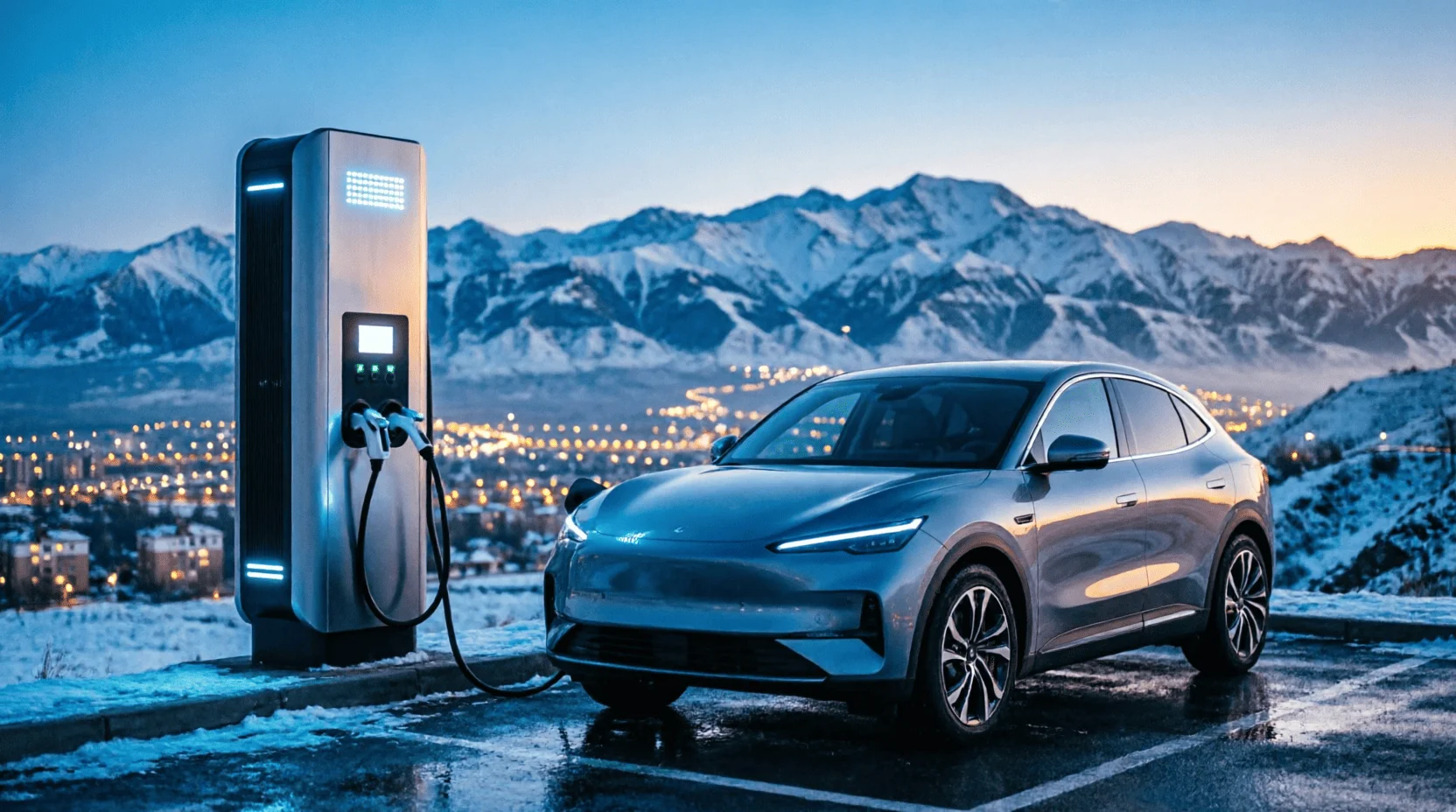
An electric car in Kazakhstan in 2026 is no longer an enthusiast's experiment, but a pragmatic calculation: the charging station network has closed major highways, there's no transport tax, and the cost of fuel is 3-4 times lower than gasoline. But the local context presents its own challenges: winters down to -30°C, customs clearance for independent import, and a fair driving range. The teamLemag.kzI've put together a complete guide—with figures in tenge, winter truths, and a shopping checklist.
1. Market 2026: Who's Driving Electric Vehicles in Kazakhstan?
? Chinese mainstream.BYD, Zeekr, Li Auto, Avatr — 70% new electric vehicles: rich equipment, fresh batteries, warranty through dealers.
?? Used Tesla.Model 3/Y from the US and Korea – 2–4 years old, lower price than a new Chinese model with comparable range; supercharger cult following and strong secondary market.
?? Japanese secondary market.Nissan Leaf and Toyota bZ4X – budget entry and predictable service.
? Dynamics:By 2025, the electric vehicle fleet in Kazakhstan has grown exponentially; charging hubs have opened at every second major shopping center in Almaty and Astana.
2. How to choose an electric car for Kazakhstan: four filters
❄️ Winter power reserve.Don't look at the data sheet, but at the "winter test": minus 30% of the stated value. For the city, 300+ km of actual driving is sufficient, for highways, 450+.
? Clearance and suspension.160+ mm and energy-armed suspension: snow ruts in the courtyards and speed bumps are still there.
? Charging speed.DC support 90+ kW: 20-80% in 30-40 minutes on the highway instead of two hours.
? Battery.LFP chemistry is forgiving of frost and thousands of cycles with a slightly lower density; NMC offers a longer range but is gentler on operation.
Selection formula: actual winter range = passport × 0.7. If this number covers your day with double the range, the model is for you.
3. Top 5 2026 Models by Budget
? Up to 10 million ₸ — city.BYD Seagull / Dolphin: 300–400 km range, compact, LFP. The ideal second family car and first electric vehicle.
? 10–14 million ₸ — station wagon.BYD Song Plus EV / Yuan Plus: 420–500 km passport, ground clearance 160–170 mm, warm options for winter.
⚡ 14–18 million ₸ – highway.Tesla Model Y (2–3 years) / Zeekr X: fast DC charging, autopilot assistants, strong secondary market liquidity.
? 16–20+ million ₸ - family and long-distance travel.Zeekr 001 / Li Auto L6 (EREV): 550–650 km, spacious, air suspension in higher trim levels.
? Off the asphalt.BYD Song L and all-wheel drive crossovers: stress-free winter and gravel roads to the dacha.
4. Winter Without Myths: What Happens at -20°C
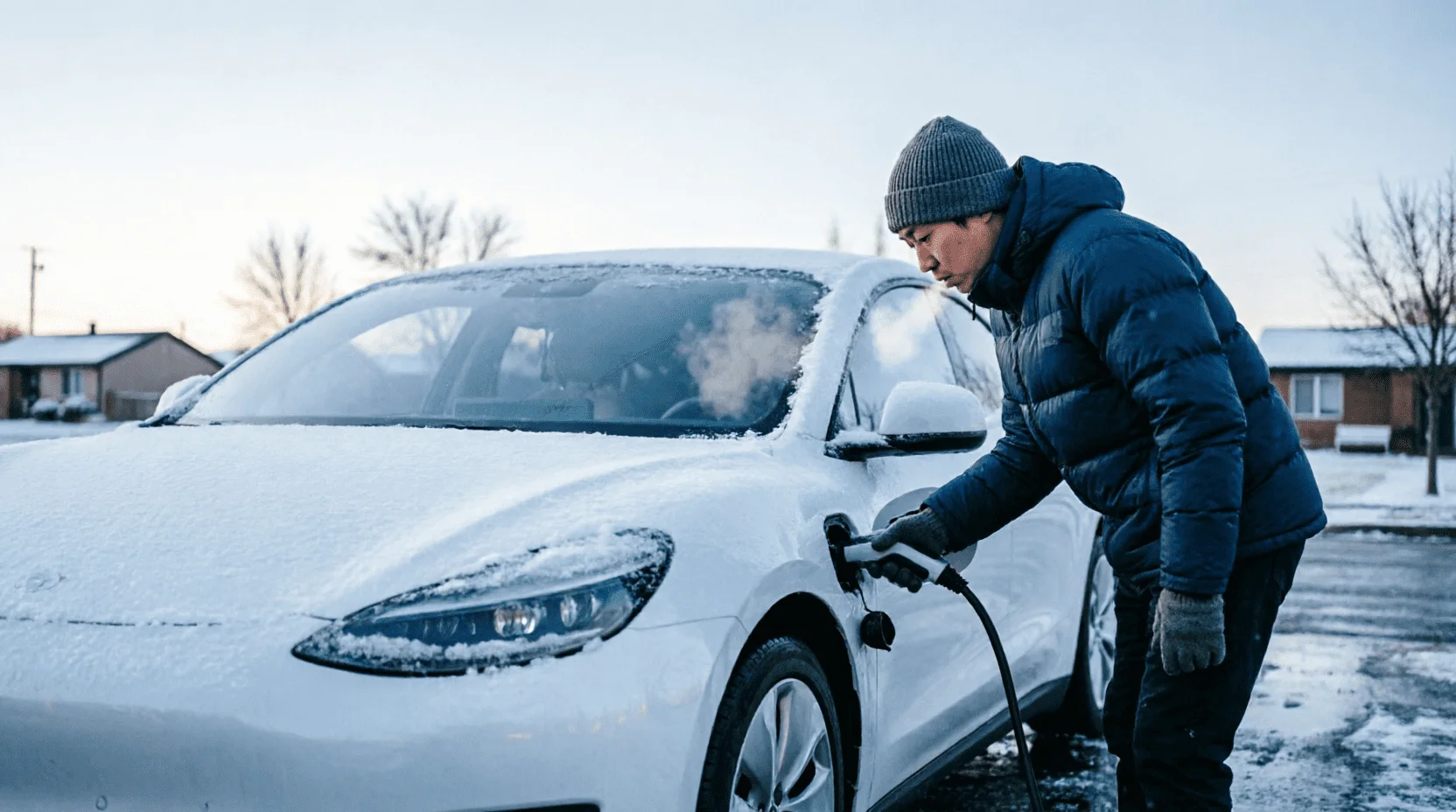
? Minus 25–35% of stock.Battery chemistry and cabin heating: 500 passport km → 330–370 real.
? Pre-heating from a power outlet.The timer for warming up the interior and battery from the network saves 10–15% of the charge for the trip.
? Tires and style.Winter tires with low rolling resistance and smooth acceleration return another 5-8%.
?️ Heated parking.Spending the night in a parking lot instead of outside in the morning gives +8–10%: the battery doesn’t cool down to rock-solid levels.
Winter rule:Plan your charging for "night at home + day at work/shopping center" - then your battery life won't be a topic of conversation at all.
5. Charging infrastructure: home, city, highway
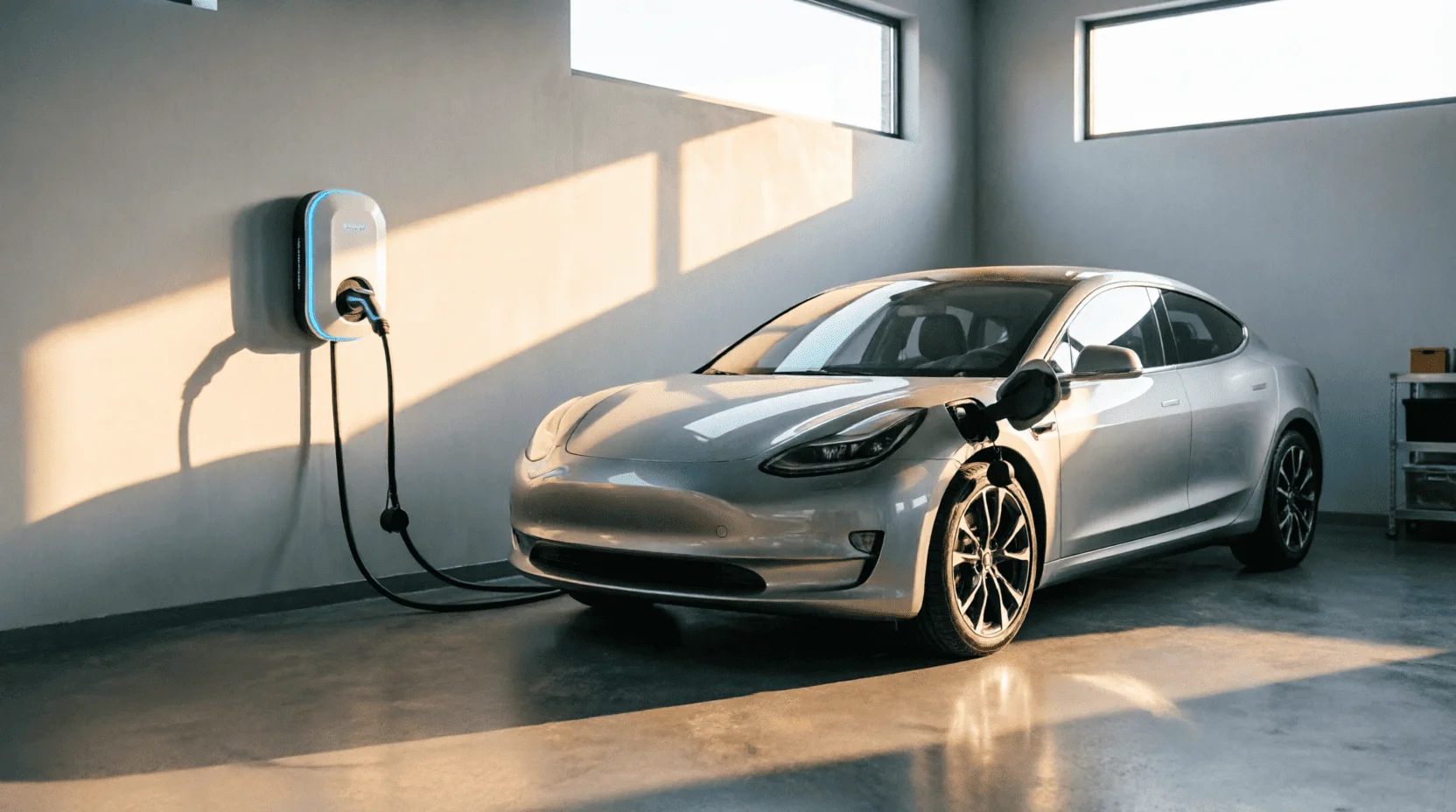
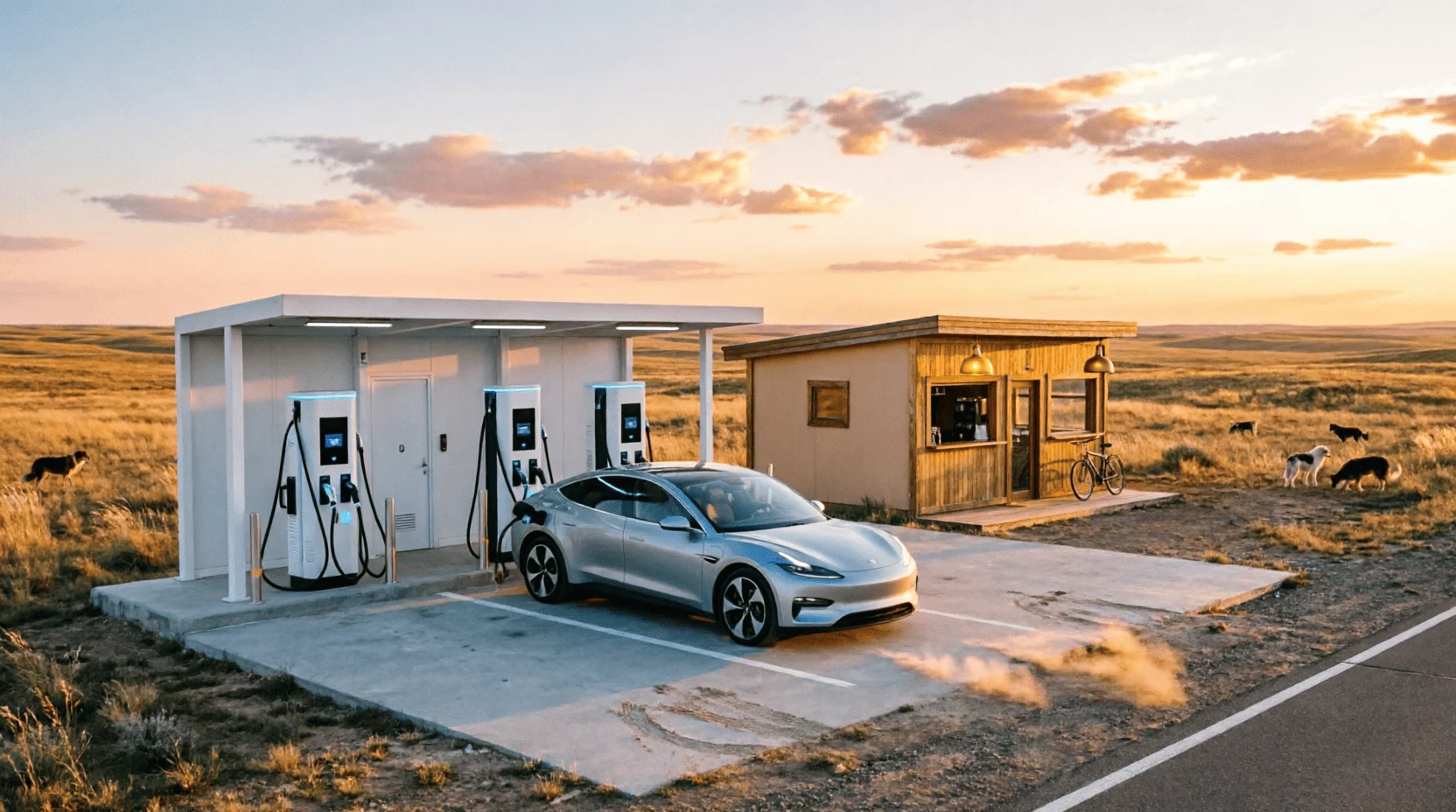
? Home is the base.Wallbox 7 kW: installation 150-250 thousand tenge (electrician + circuit breaker + cable); full charge overnight; night rate makes per kilometer a mere pittance.
? City.AC 22 kW near shopping malls and business centers: 1–2 hours of shopping = +100–150 km; DC 60–120 kW at hubs: 30–40 minutes to 80%.
? Trails.Central routes are closed with stations every 100–150 km: Almaty–Kapchagay and Konayev, Almaty–Shymkent (Taraz, Shymkent), Astana–Burabay, and Astana–Karaganda. For the Mangystau and East Kazakhstan region, plan using apps with a 30% safety margin.
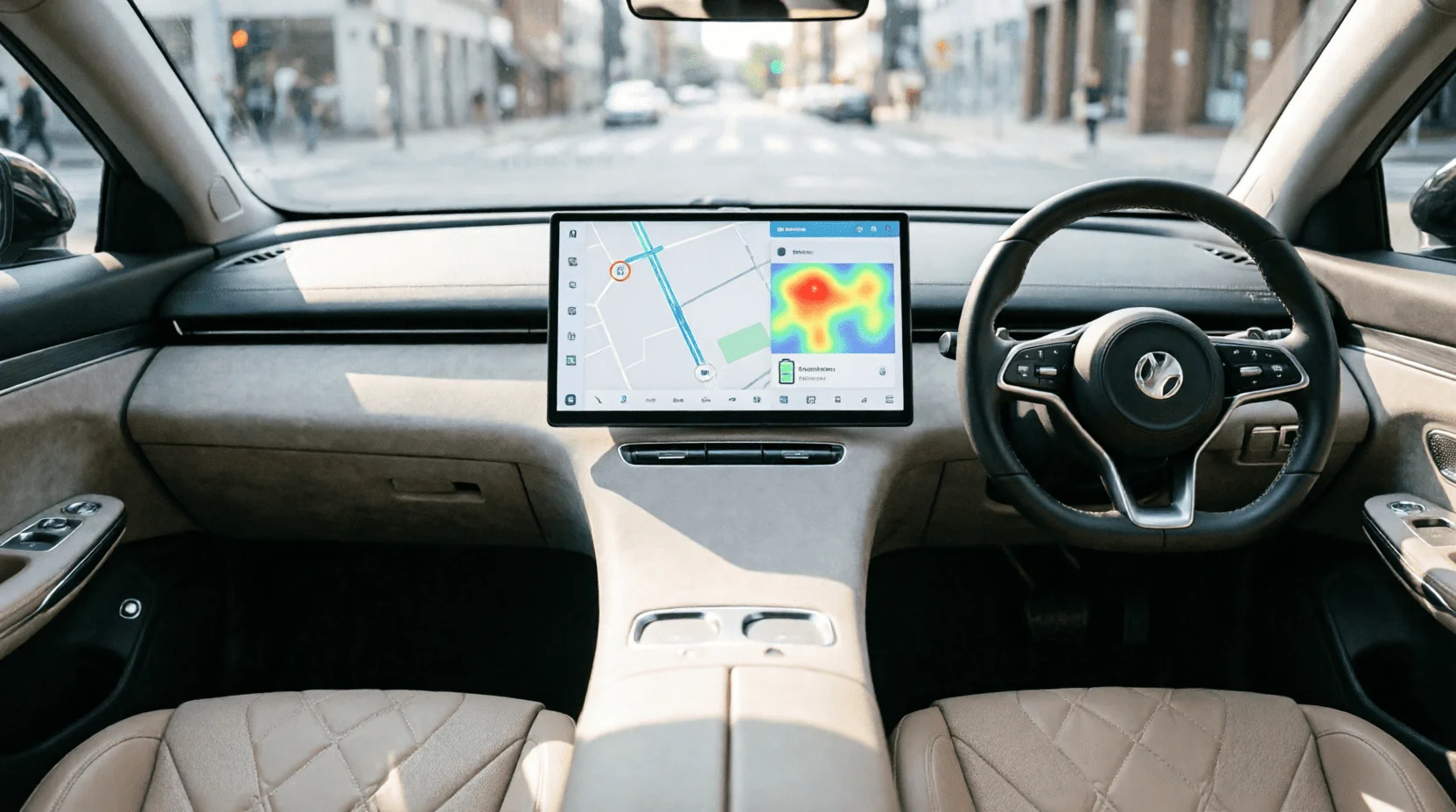
? Applications:Charging aggregators display power, occupancy, and price—keep both on your phone, just as we recommend keeping offline maps in the article about tourism.
6. Economy: Calculating kilometers in tenge
⚡ At home (night rate ~30–45 ₸/kWh):consumption 16 kW⋅h/100 km →~600–700 ₸/100 km.
? City DC (~100–120 ₸/kWh):→~1,800–2,000 ₸/100 km.
⛕ Gasoline (AI-95 ~250 ₸/l, consumption 8 l):→~2,000 ₸/100 km...but only if you drive exclusively expensive DCs. A realistic mix of "80% house + 20% DC" →~900–1,000 ₸/100 km.
? Year at 20,000 km:Electric car costs ~180–200 thousand tenge versus 400–450 thousand for gasoline → savings200–250 thousand tenge per yearon fuel only.
? Plus:No transport tax, no oil or filter maintenance, brake pads last 2-3 times longer due to recuperation.
7. Customs clearance, taxes, and documents: what to consider when importing
? Payments for self-import:Customs duties, VAT, and recycling fees can add 15–35% to the "China-like" price; calculate these before the contract, not after.
? Tax:Electric vehicles are exempt from transport tax in the Republic of Kazakhstan. Please check the current version of the Tax Code before making a purchase.
? Registration:Standard registration at a specialized TsON; for the "correct" electric vehicle, make sure the VIN and certificate of conformity are clear.
? Rule:Buy a car from a supplier who provides a written payment estimate—verbal "we'll clear it cheaply" is worth months of waiting.
8. Hybrid vs. Electric Car: A Honest Comparison
? An electric car wins if:Mileage 15,000+ km/year, has a home outlet, trips are mainly in the city and up to 300 km.
⛽ Hybrid (PHEV/EREV) wins if:Regular 700+ km drives without overnight stops, no private parking, winters mostly at -30°C on the highway.
? Mathematics:An electric car saves 200,000–700,000 tenge per year compared to the additional cost of a hybrid's complexity; in urban driving, a hybrid wastes its battery and gasoline engine.
9. Maintenance and service life: what breaks and how much it costs
? Good news:No oil, belts, spark plugs, or exhaust; maintenance once a year: brake fluid, cabin filter, diagnostics.
? Battery:Degradation of 1–2% per year; 8-year manufacturer's warranty / 160,000–200,000 km; module replacement (not package) — 1.5–3 million tenge at specialized service centers.
❄️ Winter's weaknesses:The charging port seals and 12-volt battery are cheap consumables that can be replaced in an hour.
Pads and tires:Recuperation saves brake pads; however, tires wear out faster due to torque—plan for a set of replacements for 40,000–50,000 km.
10. Liquidity: What will happen to the price in 3–5 years?
? They are holding the price:Tesla (brand and used), new BYD with warranty, Zeekr top-of-the-line trim levels.
? Sag:first generations with a short range (Leaf 30–40 kW⋅h) — the market votes for 60+ kW⋅h.
? Sales Rule:Service records for charging and degradation (diagnostic screenshots) add 5–8% to the price—electric vehicle buyers read the documentation.
11. Myths that need to be busted
? "It doesn't drive in winter."Driving at -30% is predictable and planned by the outlet; thousands of cars in northern China and Scandinavia are proof.
? "Charging is dangerous / battery is catching fire."Insurance statistics: electric vehicles have no higher fire rates than internal combustion engines; the BMS disconnects the battery in the event of anomalies.
? "Charging is like hours."At home – at night while you sleep; on DC – 30–40 minutes with coffee; “refueling” time ceases to be an event.
? "The battery will die in 3 years."Real-life mileage in the 2020s shows 85–90% of capacity after 200,000 km.
12. Traveling by electric car in Kazakhstan
? Ready-made routes:Almaty-Kapshagay (stations on the entire shoulder), Almaty-Taraz-Shymkent, Astana-Burabay, Astana-Karaganda-Zhezkazgan partially.
⏱ Ride rhythm:250–300 km of walking → 30–40 minutes of coffee and DC → more; family and children perceive these as normal rest stops.
? Planning:An app with a station map + a 30% reserve for wind and mountainous terrain; consumption increases in mountainous areas, while recuperation on downhill sections returns up to 10–15%.
We compiled a road safety checklist in our article about tourism—for electric vehicles, it adds one more item: "charge level upon exiting the last station is above 50%."
13. Buying Checklist: 10 Steps to the Keys
? From selection to first charge
- We count our day: average mileage x 2 is the minimum real range.
- We choose the chemistry: LFP for frost and calm, NMC for maximum kilometers.
- We check the ground clearance and heating options (battery, steering wheel, seats).
- We calculate customs clearance in writing before the contract.
- Test drive in winter or in a cold storage garage: check the warm-up and sound insulation.
- Battery diagnostics before purchasing a used one: a degradation report is mandatory.
- House: wiring audit by an electrician → wallbox 7 kW.
- Charging apps: two aggregators + offline station map.
- Insurance and service: find out the waiting list for diagnostics in your city.
- First week: track your expenses in the app—this will be your basis for planning.
14. What will happen to the infrastructure by 2027–2028?
? Trails:Closing the "gaps" on the Aktobe and East Kazakhstan routes; hubs with 8–12 posts instead of single stations.
⚡ Power:180–250 kW will become the norm on highways – 15–20 minutes at 80%.
? Yards and residential complexes:Developers are incorporating charging parking as an optional extra in their housing packages—an outlet near your home is no longer the exclusive preserve of the private sector.
Result:An electric car in Kazakhstan in 2026 is a calculated benefit, not a fantasy: 200,000–700,000 tenge in savings per year, zero transport tax, and a network that already covers major routes. Choose a realistic winter range, install a wallbox, and count kilometers as a nighttime rate—and in a year, you'll look at gas stations like they're museum exhibits.
❓ FAQ
How much power does an electric car lose in winter at -20°C?
On average, the range is 25-35%: the 500 km stated in the specifications turns into 330-370 km. Pre-start warming from a power outlet and low-resistance tires restore 10-15%.
Can I charge it at home from a regular outlet?
Yes, but slowly: 2–3 kW provides 10–15 km of range in an hour. A 7 kW wallbox (installation costs 150–250 thousand tenge) is optimal – a full charge is achieved overnight.
Are electric vehicles exempt from transport tax?
Yes, according to the current Tax Code of the Republic of Kazakhstan, electric vehicles are exempt from transport tax. Before purchasing, please check the latest version of the code—the rules are subject to change.
Which electric car should I choose for under 10 million tenge?
BYD Seagull / Dolphin (new) and Nissan Leaf (2-3 years) are city models with a range of 300-400 km; for highway driving, look at the 12 million+ segment.
How long does a battery last and how much does a replacement cost?
Modern LFP batteries degrade at a rate of 1–2% per year; after 8–10 years, 85–90% of their capacity remains. Replacing the modules, rather than the entire battery, costs 1.5–3 million tenge for repair services.
Is it possible to travel around Kazakhstan by electric car?
Yes, along the axial routes: Almaty - Kapchagay, Almaty - Shymkent, Astana - Burabay, Astana - Karaganda - stations every 100-150 km. For trips towards Mangystau and Altai, plan accordingly and add a 30% reserve.
Which is more profitable: a hybrid or an electric car?
With a mileage of 15,000 km/year and a home power outlet, an electric car saves 400,000–700,000 tenge per year; a hybrid only wins if you drive 700+ km frequently without overnight stops.
📚 Read also

Эволюция искусственного интеллекта от диалоговых ботов к автономным исполнителям
ИИ-агенты знаменуют эволюционный переход от традиционных чат-ботов к автономным цифровым исполнителям, способным самостоятельно планировать действия, управлять интерфейсами компьютеров и выполнять сложные многошаговые задачи в фоновом режиме без постоянного контроля человека. В отличие от простых систем формата «вопрос-ответ», ключевые решения от ведущих техногигантов — включая OpenAI (Operator/Dots), Anthropic (Claude Computer Use), xAI (Grok), Microsoft, Google и Salesforce — нацелены на достижение конкретного результата: от написания кода и работы в CRM до управления личными сервисами и приложениями. Развитие этой технологии кардинально меняет подход к автоматизации, смещая фокус с обычной генерации текста на решение реальных прикладных задач и оценку эффективности по конечному результату.

Развитие искусственного интеллекта: мультимодальность Astra и аналитическая мощь Claude Opus 5.5
Сравнительный анализ двух концептуальных векторов развития искусственного интеллекта — визуально-пространственного (Google Astra) и аналитико-агентного (Claude Opus 5.5). Современный ИИ развивает две разные компетенции: Astra становится «глазами и ушами» человека в физическом мире, а Claude Opus 5.5 взяла на себя роль автономного эксперта в цифровой среде и инженерии.
Такси без водителя: Waymo, Cybercab, Yandex и перспективы в Казахстане
Waymo (Google) ездит по США с 2020 года: десятки городов, 4 пассажира, лидар + камеры, уже выезжает на трассы. Цена примерно как у Uber. Tesla Cybercab только стартовал в сентябре 2026 в Остине: 2 места, без руля и педалей, только камеры. Обещают сильно дешевле — до $0,20–0,40 за милю. В Казахстане Yandex уже тестирует роботакси в Алматы. Пилот в трёх городах, коммерческий запуск — 2027. Будущее ближе, чем кажется. Кто быстрее сделает поездки дешевле и безопаснее?
💬 Comments (0)
No comments yet. Be the first!
Leave a comment
Comments are pre-moderated.