
A House That Thinks for Itself: Edge AI and the End of the Cloud Smart Home Era
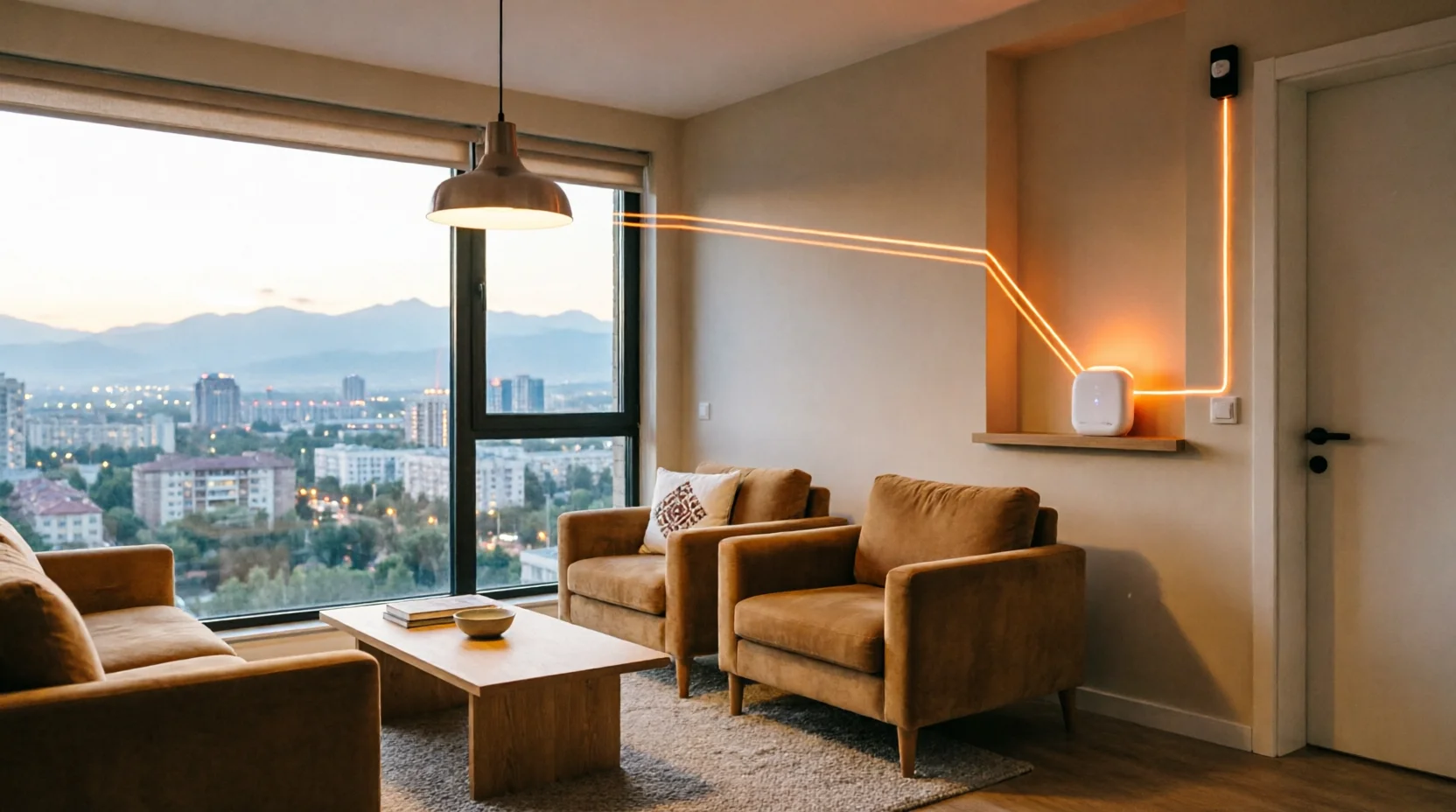
Have you noticed? The smart home of 2026 no longer calls the cloud for every little detail. Lights turn on instantly even when your internet provider is down, cameras recognize your home without sending video to a third-party server, and your evening routine starts even before you reach the door. This is Edge AI—a quiet revolution that brings intelligence back to your home. The teamLemag.kzI figured out how it works, why it's safer, and how to set up local automation in Kazakhstan without overpaying.
1. What is Edge AI in simple terms?
Edge AI is when data is processed not on a remote server, but directly on the device or home hub. The camera analyzes the frame itself, the hub decides which scenario to run, and the voice assistant recognizes commands locally.
- Edge- "edge" of the network, that is, the device in your home;
- AI- compact neural networks trained for one task, but solving it instantly;
- Result- The house thinks in milliseconds, not seconds.
The cloud is a great accountant, but a poor dispatcher. The home needs an on-site dispatcher.
2. Three Reasons Why the Cloud Is Losing to Home
Privacy.Living room videos and "when you're home" statistics are data people no longer want to share. Local processing means they don't leave the apartment.
Speed.A local scenario takes 50-200 ms to complete. A cloud scenario takes 0.5-2 seconds, taking network connectivity into account. The difference is physically noticeable: the light turns on "on step" rather than "after step."
Reliability.The internet went down, and the cloud home became a set of dumb switches. The local hub continues to run its own scenarios: lights, security, and heating operate autonomously.
3. Matter and local ecosystems
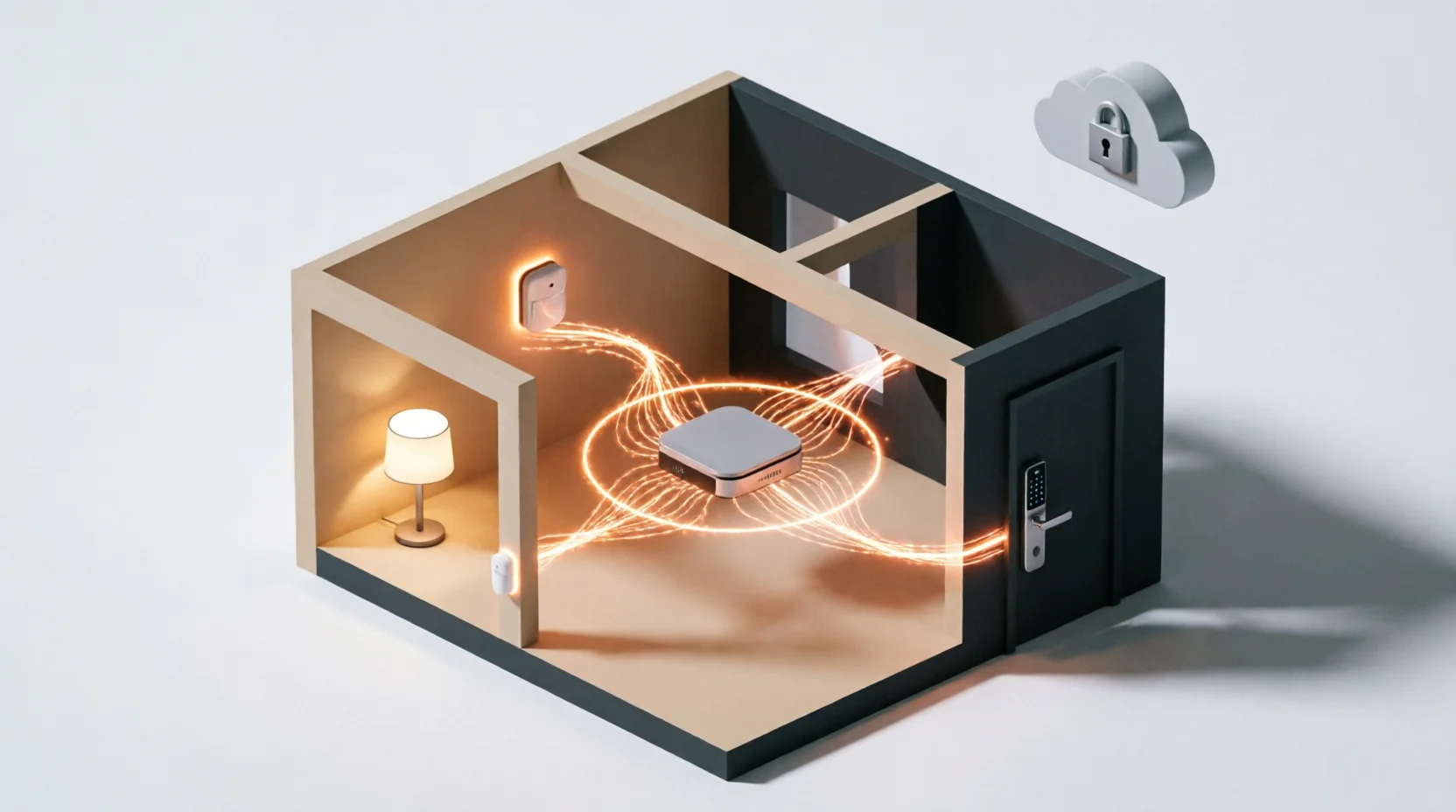
The Matter standard has made locality the norm: devices communicate directly within the home network, and hubs from different brands synchronize scenarios without the cloud. In 2026, a "pure local" setup looks like this:Matter Hub + Zigbee Sensors + Smart Lights and SocketsEverything else is just a superstructure.
4. What does this change in interface design?
Edge AI is the technological foundation of calm tech: interfaces become quieter because the home no longer requires confirmation. Three implications for designers:
- Less UI, more physics:gestures, presence and light scenarios instead of buttons.
- Status with light, not notification:The hub, softly glowing amber, is more honest than any push.
- Offline as a feature:The honest "works locally" indicator is a new marker of an expensive product.
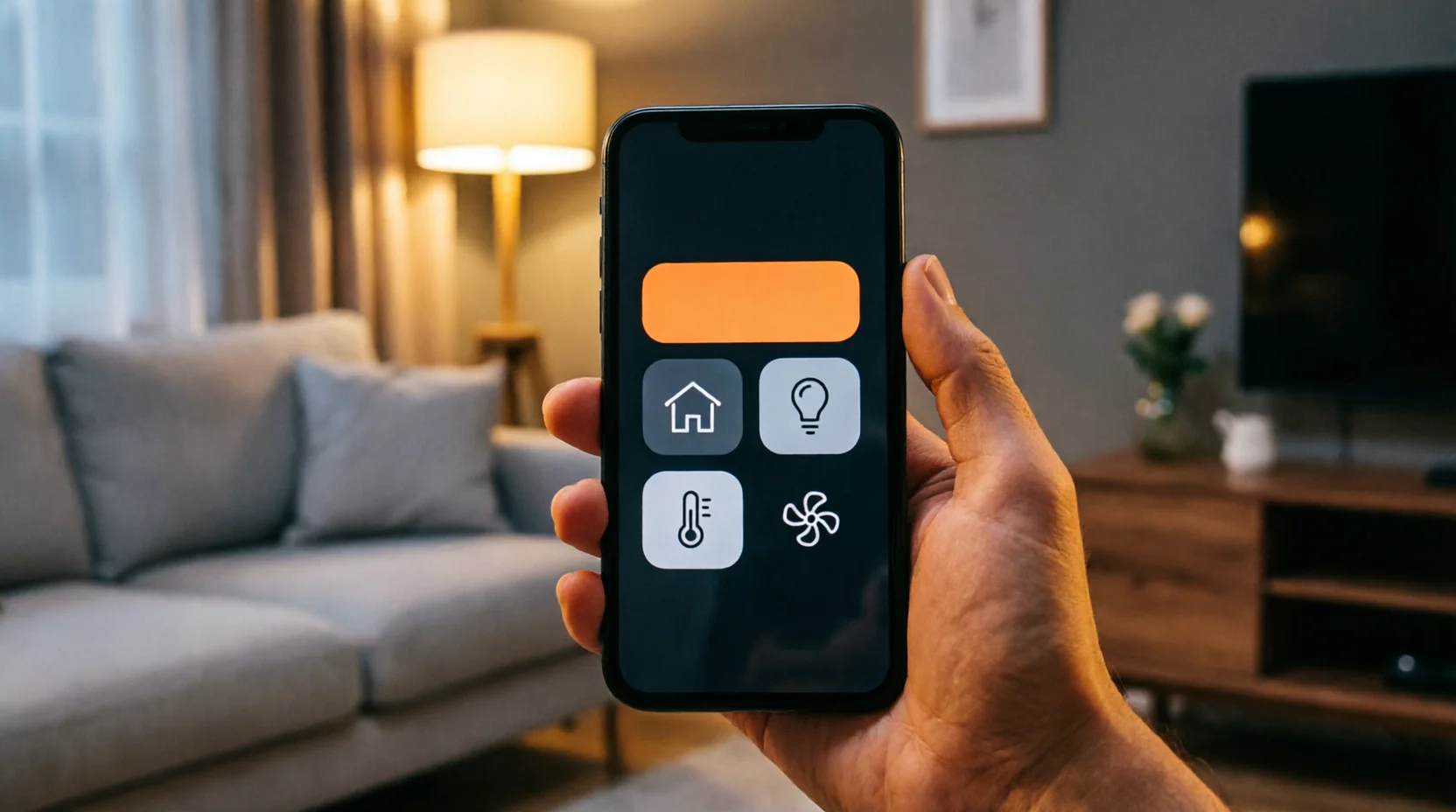
Add a local mode indicator to the smart home interface: the user can see that the home is functioning even without internet access. Trust in the product increases exponentially.
5. Practice: Assembling a Local Kit in 7 Steps
- The Matter hub with local automation support is the "brain" of the home.
- 3–5 Zigbee sensors: motion, door, light, temperature.
- Smart lamps and sockets - the executive layer.
- Local scenarios: “morning”, “nobody is there”, “night”, “cinema”.
- Presence recognition instead of geolocation.
- Offline test: turn off the router - the scripts should work.
- Zoom: Camera with local recognition and voice input.
:::
- The Matter hub with local automation support is the "brain" of the home.
- 3–5 Zigbee sensors: motion, door, light, temperature.
- Smart lamps and sockets - the executive layer.
- Local scenarios: “morning”, “nobody is there”, “night”, “cinema”.
- Presence recognition instead of geolocation.
- Offline test: turn off the router - the scripts should work.
- Zoom: Camera with local recognition and voice input.
The budget for the basic package in Kazakhstan for 2026 is45–90 thousand ₸Depending on the room. This is cheaper than a year's subscription to branded ecosystem cloud plans.
6. Myths and Limitations
- "Edge devices are expensive"- The hub costs as much as two pizzas, and the savings on subscriptions start right away.
- "Local means stupid"- Modern edge networks recognize presence, voice, and anomalies; they just don't send them out.
- "There's no way without a cloud"- The cloud remains for remote access and updates, but is no longer essential for "thinking."
| Критерий | Облачная схема | Локальная (Edge AI) |
|---|---|---|
| Скорость сценария | 0,5–2 с | 0,05–0,2 с |
| Работа без интернета | ❌ | ✅ |
| Приватность видео и сценариев | на сервере вендора | внутри дома |
| Подписки | часто | не нужны |
| Надёжность | зависит от провайдера | автономно |
Don't start with cameras. Start with lights and presence sensors: this is the cheapest and fastest way to see the difference in local automation, and add video and voice control later.
Result:Edge AI gives your home back what the cloud took: speed, privacy, and independence. The smart home of 2026 isn't the one that talks loudest to the server, but the one that quietly thinks for itself. Build a local core, and your home will start responding before you've finished your sentence.
❓ FAQ
What is Edge AI in simple terms?
This is when smart devices and the home hub process data themselves, without sending it to the cloud: scenarios, recognition, and decisions occur within the home in milliseconds.
Does a local smart home work without the Internet?
Yes. Local scenarios, lighting, sensors, and security operate autonomously. Internet access is only required for remote access, updates, and cloud-based voice assistants.
Is Edge AI safer than the cloud?
Yes, by default: video and presence data do not leave the home. It's also important to update the hub's firmware and block external access to its admin panel.
Which devices support local scripting in 2026?
Matter hubs, Zigbee sensors and lamps, cameras with on-device recognition, assistants with a local command base. Look for the "local automation" and "works offline" labels.
How much does a basic local package cost in Kazakhstan?
Hub + 4 sensors + 2 smart lamps/sockets — 45–90 thousand tenge one-time purchase, without the monthly subscriptions that are typical for cloud ecosystems.
📚 Read also
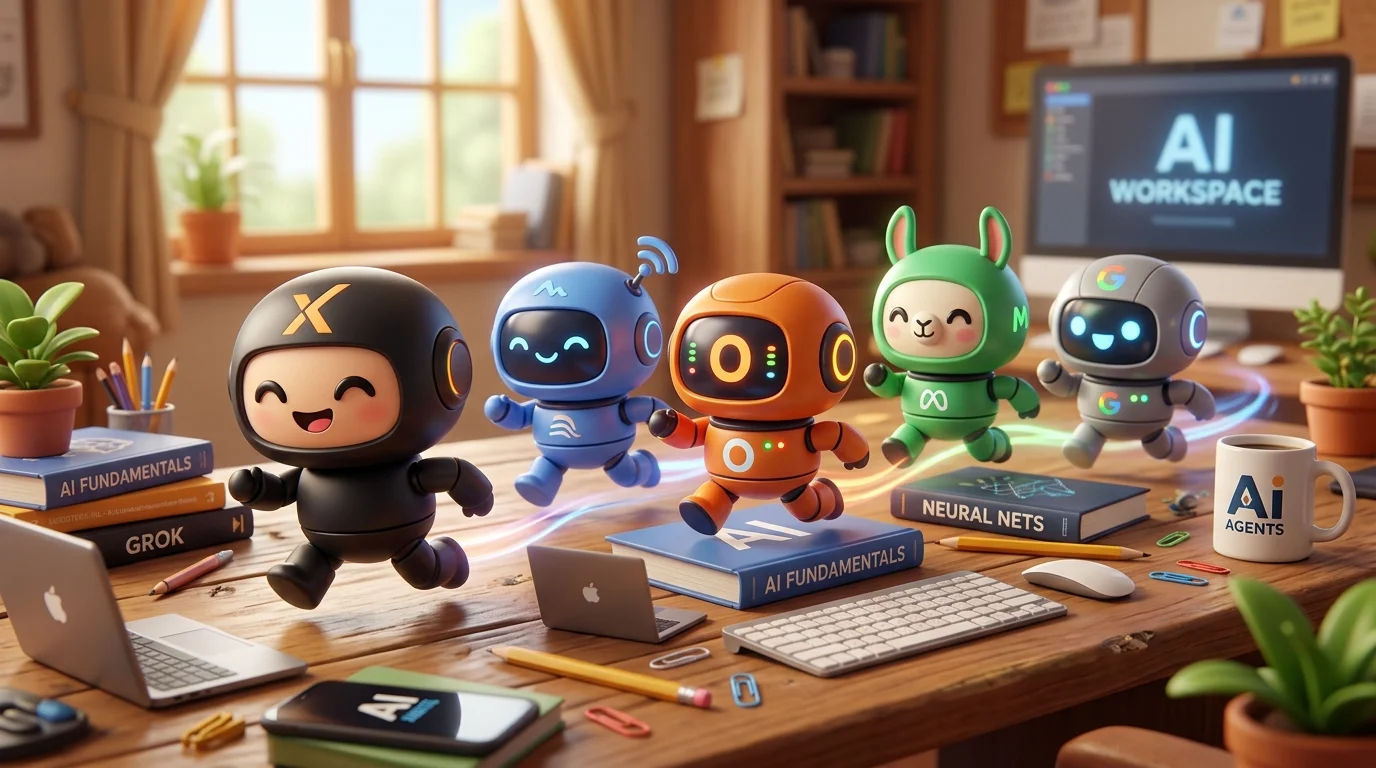
Эволюция искусственного интеллекта от диалоговых ботов к автономным исполнителям
ИИ-агенты знаменуют эволюционный переход от традиционных чат-ботов к автономным цифровым исполнителям, способным самостоятельно планировать действия, управлять интерфейсами компьютеров и выполнять сложные многошаговые задачи в фоновом режиме без постоянного контроля человека. В отличие от простых систем формата «вопрос-ответ», ключевые решения от ведущих техногигантов — включая OpenAI (Operator/Dots), Anthropic (Claude Computer Use), xAI (Grok), Microsoft, Google и Salesforce — нацелены на достижение конкретного результата: от написания кода и работы в CRM до управления личными сервисами и приложениями. Развитие этой технологии кардинально меняет подход к автоматизации, смещая фокус с обычной генерации текста на решение реальных прикладных задач и оценку эффективности по конечному результату.
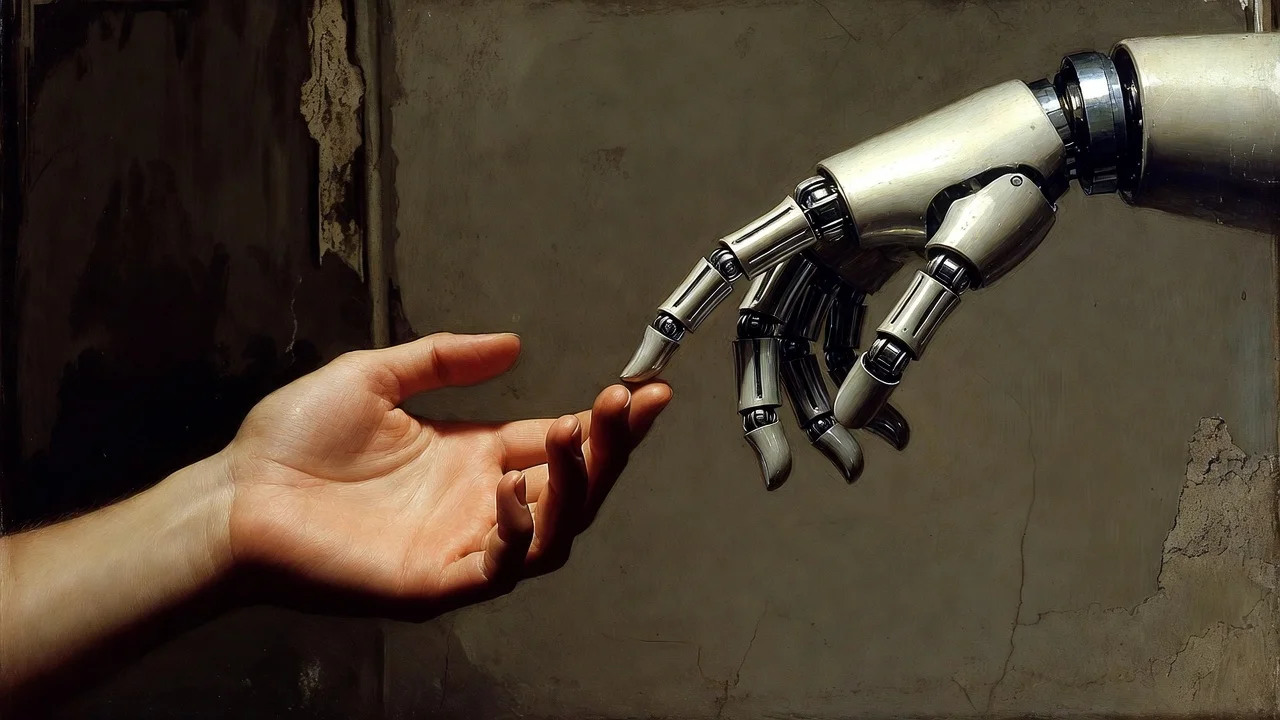
Развитие искусственного интеллекта: мультимодальность Astra и аналитическая мощь Claude Opus 5.5
Сравнительный анализ двух концептуальных векторов развития искусственного интеллекта — визуально-пространственного (Google Astra) и аналитико-агентного (Claude Opus 5.5). Современный ИИ развивает две разные компетенции: Astra становится «глазами и ушами» человека в физическом мире, а Claude Opus 5.5 взяла на себя роль автономного эксперта в цифровой среде и инженерии.
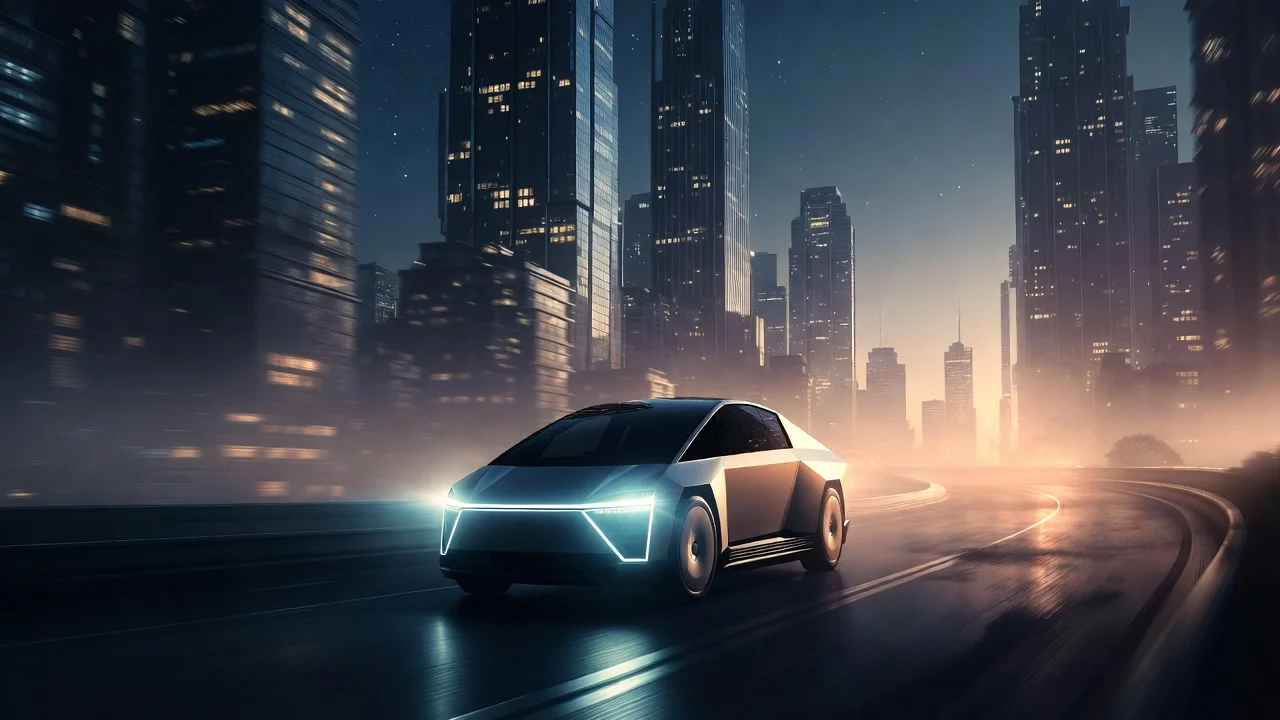
Такси без водителя: Waymo, Cybercab, Yandex и перспективы в Казахстане
Waymo (Google) ездит по США с 2020 года: десятки городов, 4 пассажира, лидар + камеры, уже выезжает на трассы. Цена примерно как у Uber. Tesla Cybercab только стартовал в сентябре 2026 в Остине: 2 места, без руля и педалей, только камеры. Обещают сильно дешевле — до $0,20–0,40 за милю. В Казахстане Yandex уже тестирует роботакси в Алматы. Пилот в трёх городах, коммерческий запуск — 2027. Будущее ближе, чем кажется. Кто быстрее сделает поездки дешевле и безопаснее?
💬 Comments (0)
No comments yet. Be the first!
Leave a comment
Comments are pre-moderated.