
Design Code 2026: 7 Trends That Are Already Changing Interfaces and Smart Homes
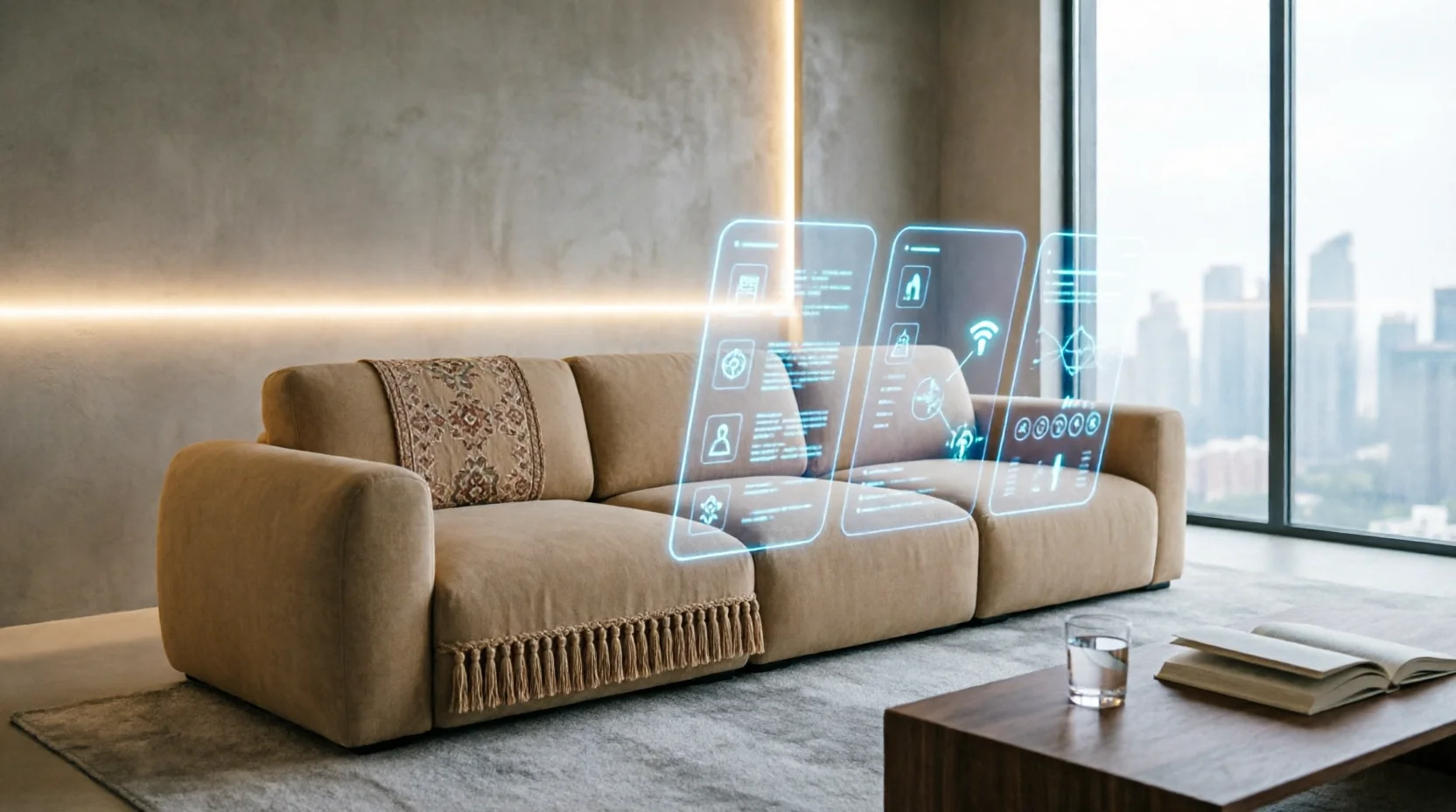
Have you noticed that the best interfaces of 2026 are almost invisible? Screens no longer scream with buttons and banners: the lights in your apartment turn on automatically, the app adjusts to the time of day, and brand logos have become warmer and simpler.Lemag.kzI analyzed seven trends that are already working in production projects—from websites to living rooms—and explained how to implement them without a corporate budget.
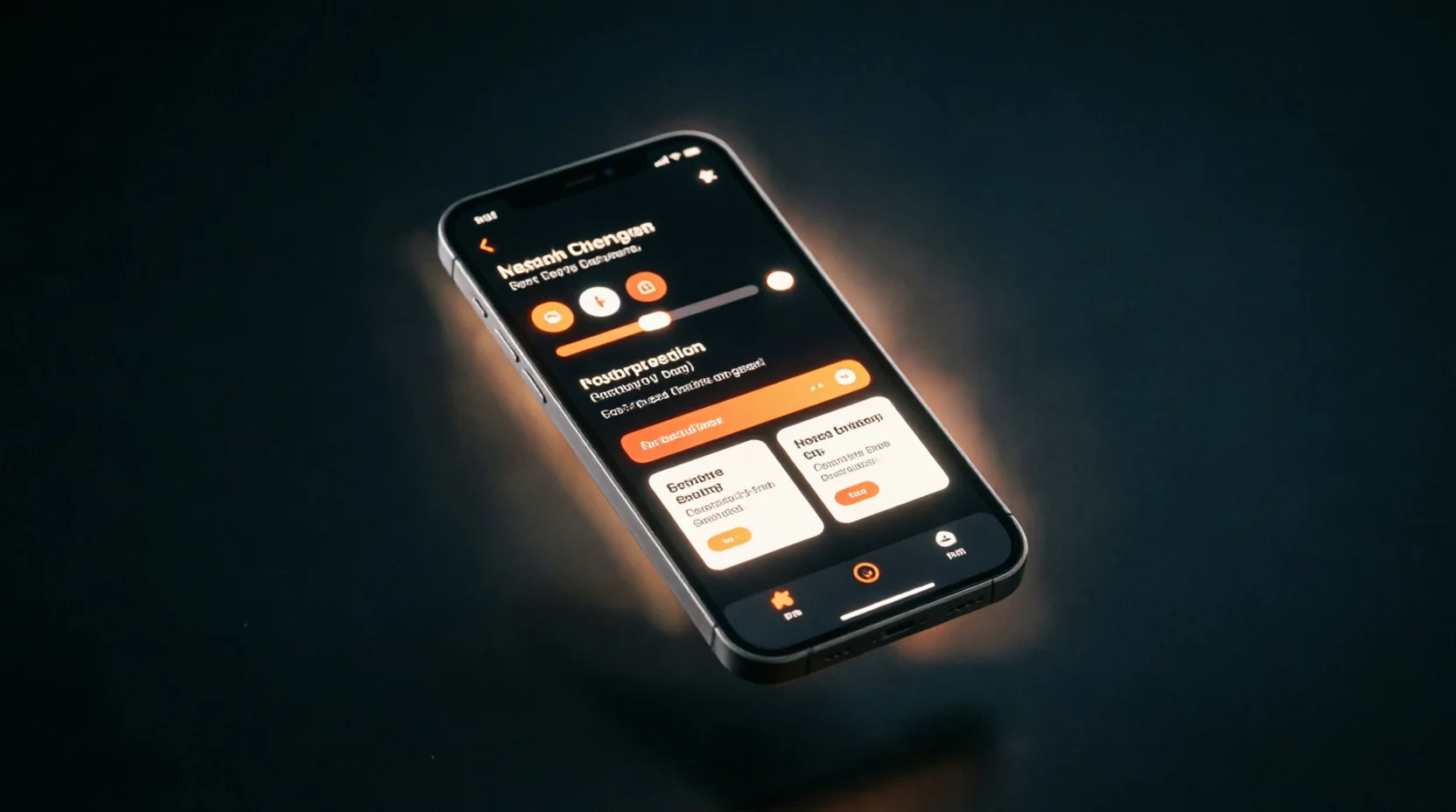
1. Calm Tech: Interfaces are learning to be silent
The biggest shift of the decade is the rejection of attention-seeking design. Notifications, badges, and pop-ups are deemed toxic: users are tired of digital noise. Instead of "look at me," new products say "I'm here when you need me."
- Light instead of notifications:The sensor notifies about the event with a soft glow, not a push.
- Default Silence:The sound appears only for critical events.
- One screen per scenario:The interface shows exactly what is needed now, and nothing more.
A good interface in 2026 is like a good waiter: it's invisible, but the water in the glass never runs out.
2. Dark theme is not a feature, but a default state.
By 2026, more than 70% of mobile users will turn on dark mode in the evening. But the trend goes deeper: designers first create the dark version, treating the light version as a variation. Contrast is built not on brightness, but on warm accents—amber, terracotta, and sand.
What does this give to the site:Reading time in the evening increases by 15–25%, and along with it, viewing depth—a key behavioral signal for search engines.
3. Generative interfaces: UI is assembled for the user
Neural networks have learned to assemble interfaces on the fly: the order of blocks, emphasis, and even content density are adjusted to the behavior of a specific user. Beginners get large prompts and a single scenario; experts get a dense grid and hotkeys.
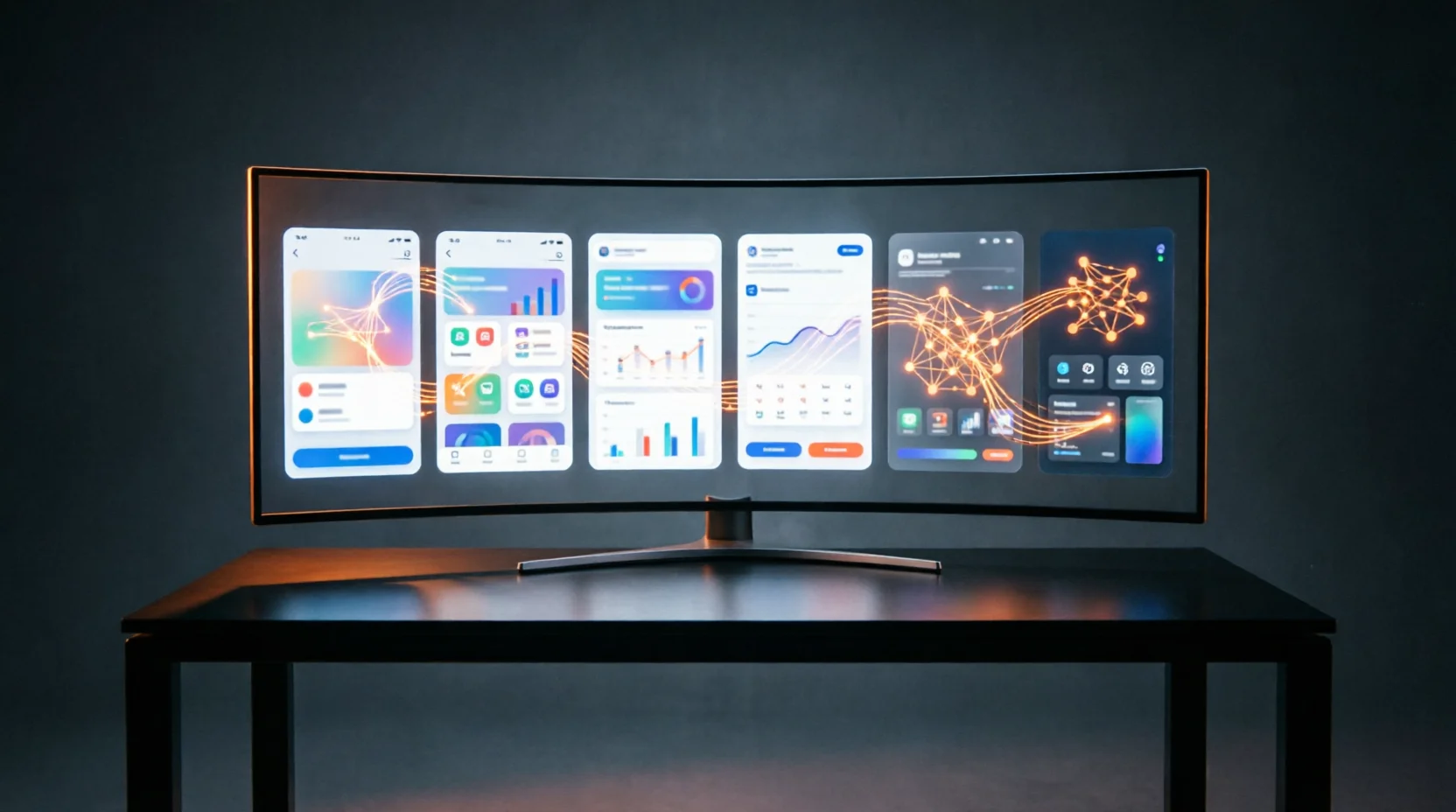
Create two homepage variations: "For newcomers" and "For returning visitors," and show the latter based on the return visit cookie. This is a manual, but honest, version of generative UI.
4. Warm minimalism and neo-ethnos
Cold, "sterile" minimalism has given way to a warmer one: sandy textures, soft radii, and national ornaments in the details. In Kazakhstan, the trend is particularly prominent—ethno-futurism has become the hallmark of local brands: patterns are delicately woven into interfaces, like a textile pattern, not like a banner.
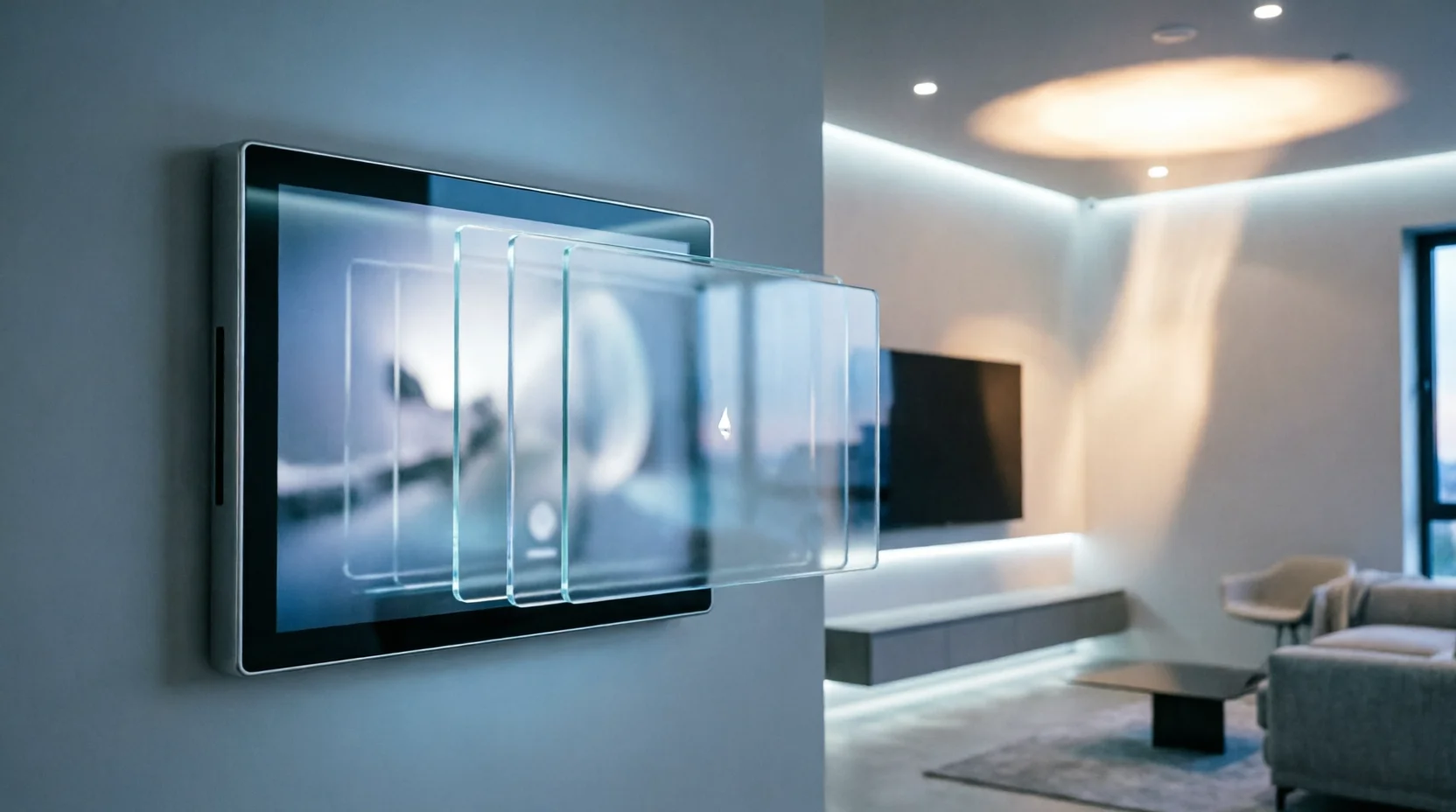
5. Spatial Interfaces: Depth Instead of Tabs
With the rise of spatial glasses and visionOS patterns, depth has become a new navigation method: cards "float" in layers, and gestures replace menus. This is already a reality in smart homes—wallboards with 3D stacks of scenarios.
6. AI Co-Authorship: The Designer Sets the Direction
Neural networks haven't replaced designers—they've transformed the craft. The human role has shifted to three skills:
- Formulate the problem:An accurate brief determines 80% of the generation result.
- Select the best:Perception is more important than drawing speed.
- Maintain brand tone:AI generates options, but the style is maintained by humans.
7. Smart home without a screen: scenarios instead of buttons
The paradox of 2026: the best smart home interface is none at all. "Good morning," "Movie," and "Nobody home" scenarios are triggered by voice, a schedule, or a geofence. The screen only needs to be set up once, and then the home takes care of itself.
| Тренд | Где проявляется | Что даёт владельцу |
|---|---|---|
| Calm tech | Свет и уведомления | Меньше цифрового шума |
| Тёмная тема | Сайты и панели | Комфорт вечером, +время чтения |
| Генеративный UI | Приложения | Персонализация без штата разработчиков |
| Тёплый минимализм | Брендинг | Узнаваемость и доверие |
| Пространственность | Панели и очки | Навигация жестами |
| ИИ-соавторство | Дизайн-процессы | Скорость ×10 при том же качестве |
| Дом без экрана | Сценарии | Комфорт без приложений |
Don't implement every trend at once. A hodgepodge of dark mode, 3D, and ethnic patterns without a cohesive system looks more expensive than it's worth and is off-putting. Choose one trend, solve the problem, measure it, and then add the next one.
- Noise audit: disable 50% of notifications and pop-ups on your website/in your home.
- Enable dark theme in system settings, check the contrast of accents.
- Collect 2-3 basic scenarios (light in the morning, silence at night).
- Add AI to the process: generating banner and cover variants.
- Measure: reading time, clicks, returns - compare after 30 days.
:::
- Noise audit: disable 50% of notifications and pop-ups on your website/in your home.
- Enable dark theme in system settings, check the contrast of accents.
- Collect 2-3 basic scenarios (light in the morning, silence at night).
- Add AI to the process: generating banner and cover variants.
- Measure: reading time, clicks, returns - compare after 30 days.
Result:Design in 2026 is about respecting attention. Technologies are becoming quieter, warmer, and more personal, and those who build interfaces around people, not frameworks, will win. Start small, and in just a month, your website or living room will feel more expensive and modern without major investments.
❓ FAQ
What is calm tech in simple terms?
Calm tech is an approach where technology demands no attention: devices communicate their presence through light, silence, and scenarios, rather than notifications. The interface appears only when needed.
Does dark mode really increase engagement?
For evening scenarios and OLED screens, yes: less eye fatigue, longer reading time. But contrast and hierarchy must be adjusted to suit the dark background, otherwise conversion rates drop.
What 2026 trends are important for a small business website?
Three: fast loading and neutral typography, a dark theme in the system settings, and large tactile buttons for mobile devices. This provides a boost in user experience without a complete redesign.
Will neural networks replace designers?
No, they've shifted roles: the designer sets the direction, tone, and constraints, while the AI generates options. The winner is the one who can formulate the problem and select the best.
How to apply smart home trends without a budget?
Start with scenarios instead of screens: smart lamps and sockets + a speaker. Scheduled "quiet" light scenarios—that's calm tech for 25,000–40,000 tenge.
📚 Read also
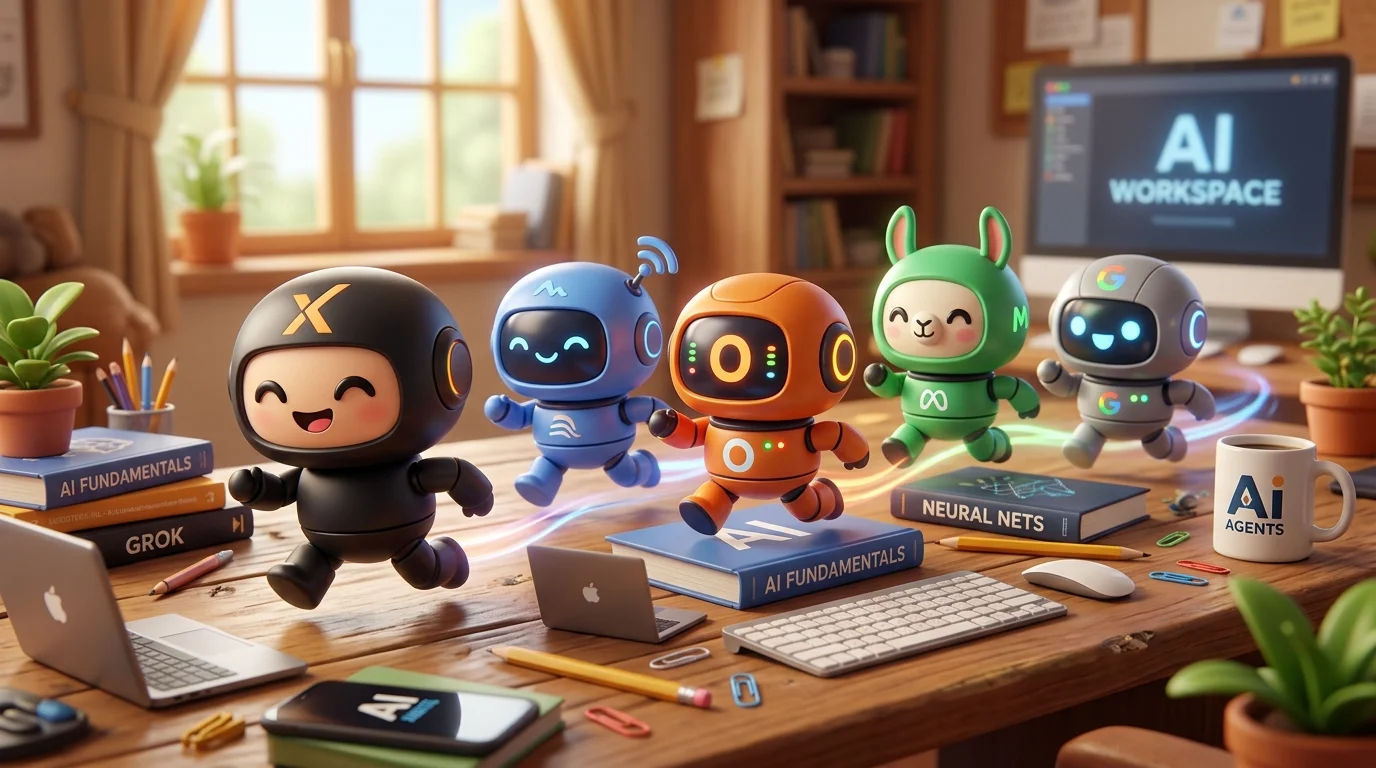
Эволюция искусственного интеллекта от диалоговых ботов к автономным исполнителям
ИИ-агенты знаменуют эволюционный переход от традиционных чат-ботов к автономным цифровым исполнителям, способным самостоятельно планировать действия, управлять интерфейсами компьютеров и выполнять сложные многошаговые задачи в фоновом режиме без постоянного контроля человека. В отличие от простых систем формата «вопрос-ответ», ключевые решения от ведущих техногигантов — включая OpenAI (Operator/Dots), Anthropic (Claude Computer Use), xAI (Grok), Microsoft, Google и Salesforce — нацелены на достижение конкретного результата: от написания кода и работы в CRM до управления личными сервисами и приложениями. Развитие этой технологии кардинально меняет подход к автоматизации, смещая фокус с обычной генерации текста на решение реальных прикладных задач и оценку эффективности по конечному результату.
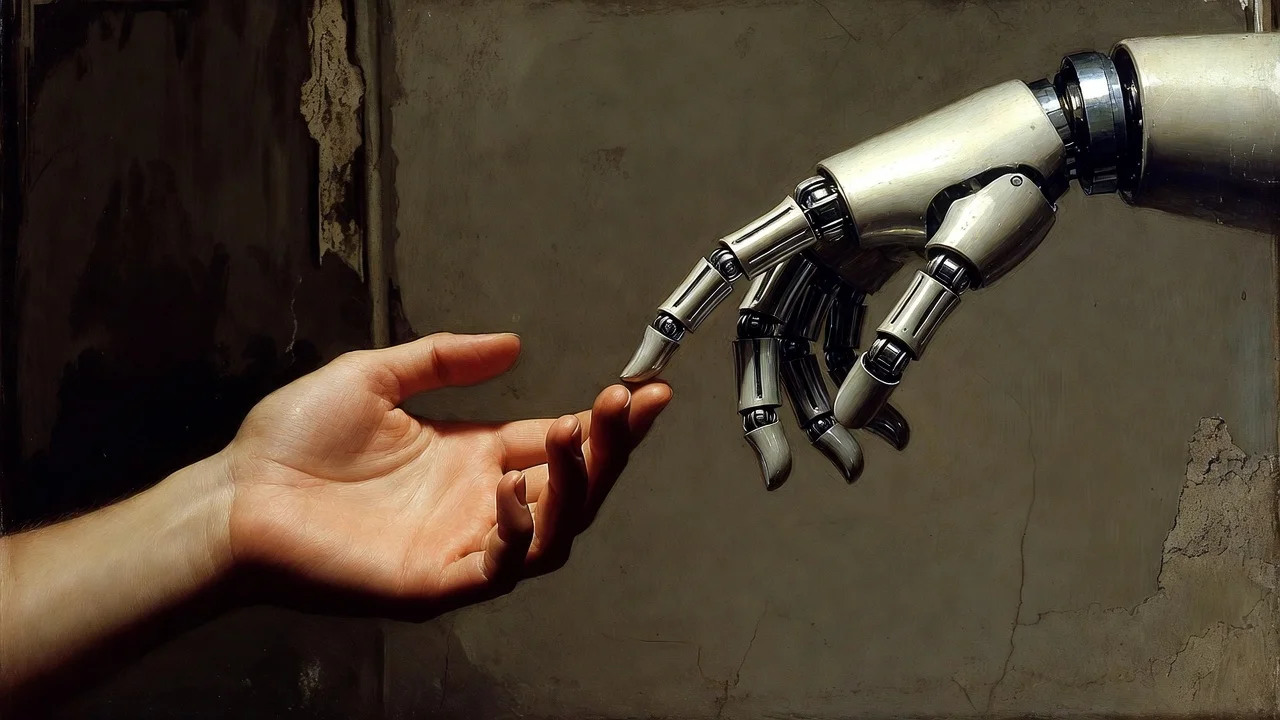
Развитие искусственного интеллекта: мультимодальность Astra и аналитическая мощь Claude Opus 5.5
Сравнительный анализ двух концептуальных векторов развития искусственного интеллекта — визуально-пространственного (Google Astra) и аналитико-агентного (Claude Opus 5.5). Современный ИИ развивает две разные компетенции: Astra становится «глазами и ушами» человека в физическом мире, а Claude Opus 5.5 взяла на себя роль автономного эксперта в цифровой среде и инженерии.
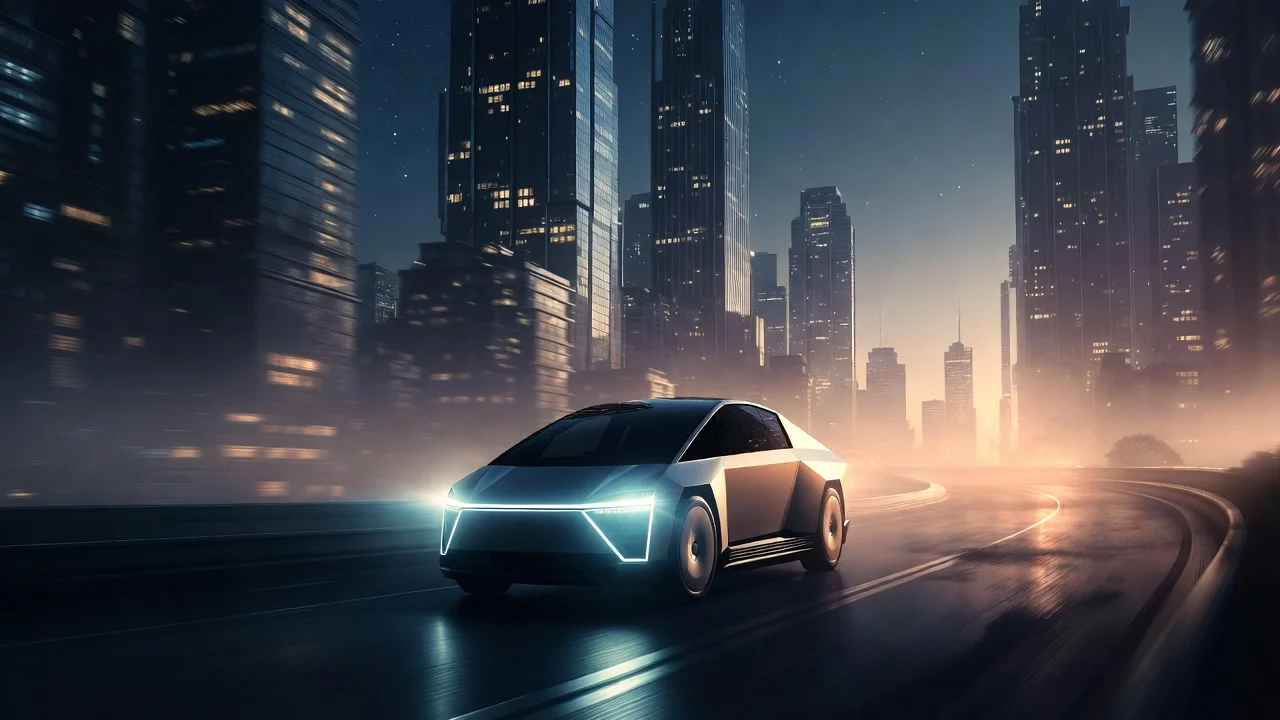
Такси без водителя: Waymo, Cybercab, Yandex и перспективы в Казахстане
Waymo (Google) ездит по США с 2020 года: десятки городов, 4 пассажира, лидар + камеры, уже выезжает на трассы. Цена примерно как у Uber. Tesla Cybercab только стартовал в сентябре 2026 в Остине: 2 места, без руля и педалей, только камеры. Обещают сильно дешевле — до $0,20–0,40 за милю. В Казахстане Yandex уже тестирует роботакси в Алматы. Пилот в трёх городах, коммерческий запуск — 2027. Будущее ближе, чем кажется. Кто быстрее сделает поездки дешевле и безопаснее?
💬 Comments (0)
No comments yet. Be the first!
Leave a comment
Comments are pre-moderated.